How Do Elk Mark Territory?
The sight of a bull elk standing tall, antlers gleaming, and steam rising from its nostrils is unforgettable. But beneath this wild beauty lies a world of silent messages and subtle signs. Elk are social, competitive animals, and their survival depends on their ability to claim space, attract mates, and avoid unnecessary fights. One of their most fascinating behaviors is marking territory—a mix of ritual, chemistry, and raw power that often goes unnoticed by casual observers.
Understanding how elk mark territory gives us a deeper appreciation for their lives. It reveals how these animals use their bodies, scents, and the environment to communicate. This article explores every aspect of elk territorial marking, from the physical signs they leave to the scents they use, and even the social meaning behind these actions.
Why Do Elk Mark Territory?
Territory is more than just land for an elk. It is a resource for food, a safe place for raising young, and a stage for finding a mate. Most territorial marking happens in the fall during the rut, or breeding season, when competition is highest. Male elk, called bulls, are especially active at this time, trying to show strength and keep rivals away.
By marking territory, elk can:
- Warn other males to stay away.
- Attract females (cows) by proving dominance.
- Reduce the need for dangerous fights.
- Signal their presence to other herd members.
What may look like simple scratching or urinating is actually a complex language.
Scent Marking: The Power Of Smell
Elk are guided by their sense of smell. Scent marking lets them leave messages that last for days. Bulls have special glands that produce strong-smelling oils and pheromones, especially during the rut. These scents are used to mark both themselves and the land.
Urine Marking
One of the most important ways elk use scent is by urinating in specific places. Bulls often dig small holes called wallows with their hooves or antlers. They urinate in these wallows and may roll in them to coat their fur with their own scent. This makes them smell stronger and more attractive to cows, while also warning other males.
Glandular Marking
Elk have tarsal glands on the inside of their back legs. During the rut, bulls rub these glands together while urinating, mixing the scent with urine. This produces a unique smell that identifies the individual bull. Some studies suggest this scent carries information about the bull’s health and strength.
Rubbing And Scraping
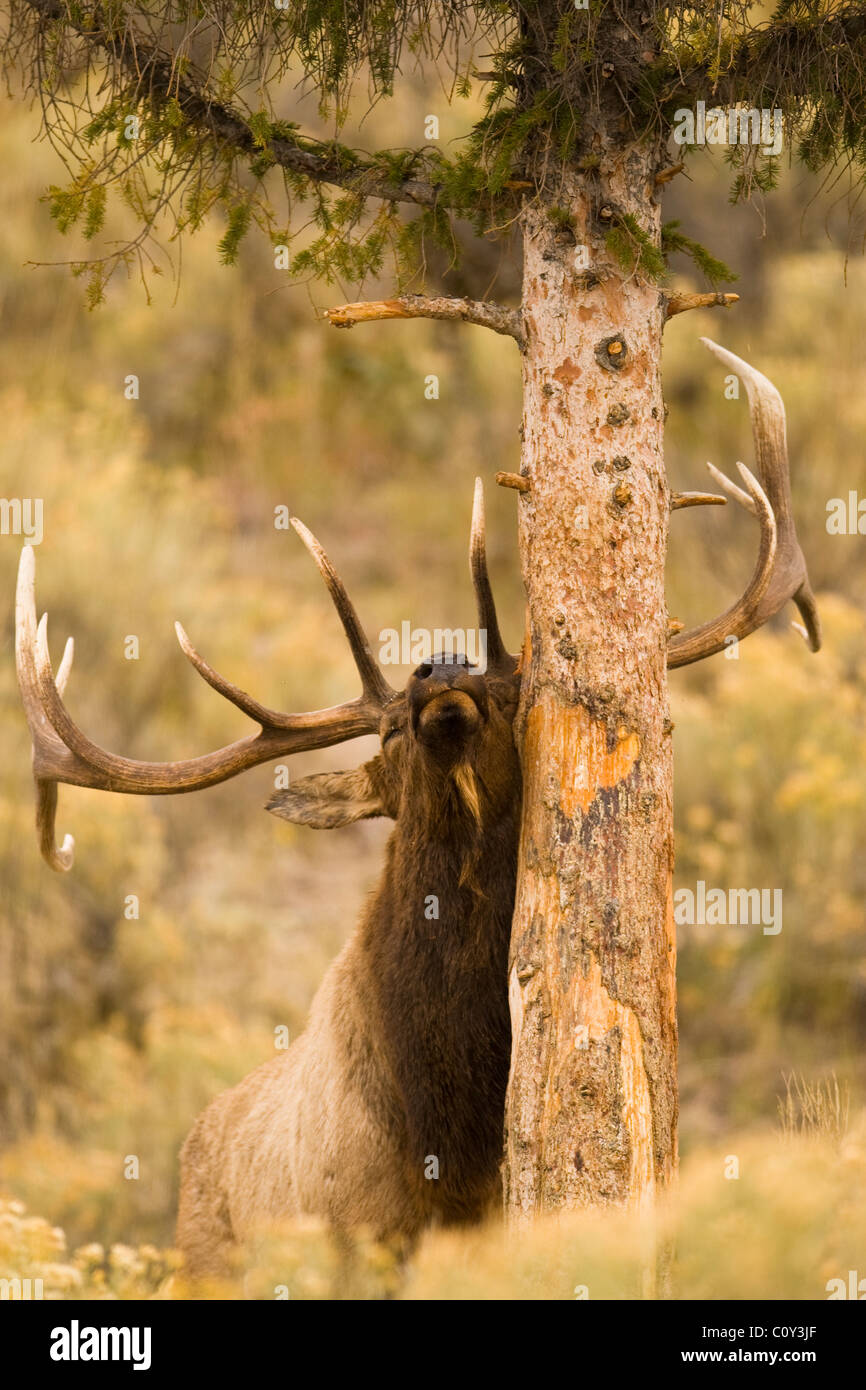
Bulls also rub their faces and necks on trees or shrubs, leaving scent from glands near their eyes and on their skin. This action, called rubbing, can strip bark and leave visible marks, but the main goal is to transfer scent.
Physical Signs: Visual Marking
Elk do not rely only on scent. They also make visual marks that other elk can see. These marks often appear along game trails or in open areas where they are easy to notice.
Antler Rubbing
Bulls use their antlers to rub against trees, saplings, or even fence posts. This removes velvet from the antlers in late summer but also leaves broken branches, stripped bark, and a strong scent from forehead glands. These rubs serve two purposes: they show off the bull’s size and strength, and they signal ownership of that spot.
Hoof Scraping
Elk will scrape the ground with their hooves, creating bare patches in the grass or dirt. These scrapes are often paired with scent marking—urine or glandular secretions are added to the scrape. The result is a combined visual and chemical message.
Wallowing: Combining Scent And Sight
Wallowing is one of the most dramatic territorial behaviors in elk. Bulls paw the ground to create muddy depressions, then urinate and roll in the mud. This spreads their scent over a wide area and covers their bodies with a strong odor that advertises their presence.
Wallowing is most common during the rut and is often done in the presence of cows. Not only does it make the bull more attractive, but it also warns rival males that this is his territory.
Bugling: An Audible Mark
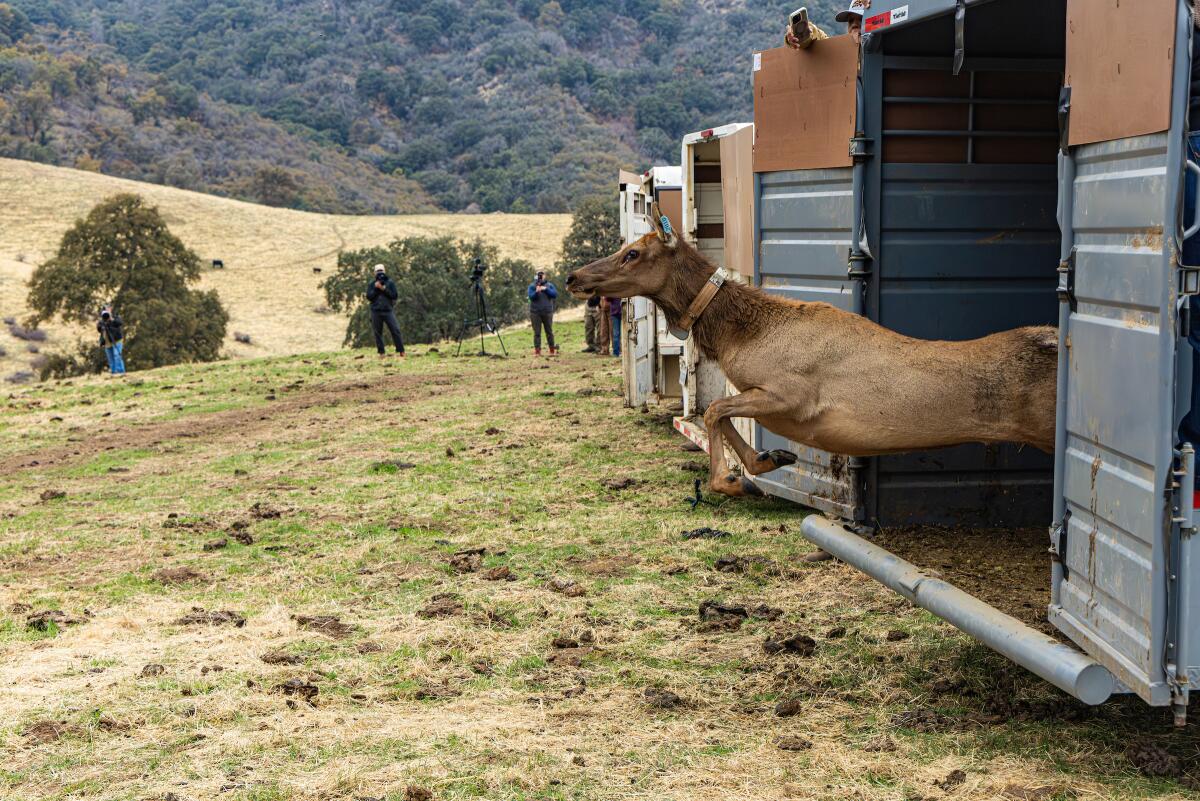
Not all territorial marking is silent. Elk are famous for their bugle—a loud, high-pitched call that carries across valleys and forests. Bugling serves several purposes:
- It tells other bulls that a strong male is present.
- It attracts cows by showing off the bull’s energy and stamina.
- It helps keep the herd together.
Bugling is risky because it can invite challenges from rivals. But a powerful bugle can also convince weaker bulls to stay away, avoiding a fight.
Social Structure And Territory
Elk are not strictly territorial like some animals (such as wolves). Their territories are flexible, often overlapping with those of other elk. Most of the marking is about temporary control during the breeding season rather than year-round ownership.
Herd Dynamics
A single bull may try to control a harem—a group of 10 to 20 cows. He uses marking, bugling, and physical displays to keep other bulls away. But younger or weaker bulls may still challenge him, especially if he shows signs of weakness.
Overlapping Territories
Because elk herds move over large areas, their territories shift with the seasons. In the winter, elk gather in larger groups and marking behavior decreases. In spring and summer, cows and calves form smaller herds and bulls are often solitary.

Elk Territory Marking Vs Other Deer Species
Comparing elk to other deer, such as white-tailed deer or moose, reveals both similarities and differences. Here’s a simple comparison:
| Behavior | Elk | White-tailed Deer | Moose |
|---|---|---|---|
| Scent Marking | Wallows, gland rubs, urine | Scrapes, tarsal/forehead glands | Urine pits, gland rubs |
| Visual Marking | Antler rubs, hoof scrapes | Tree rubs, ground scrapes | Broken branches, mud wallows |
| Vocalization | Bugling | Snorts, grunts | Grunts, moans |
Elk are unique in their combination of bugling and wallowing, which are less common in other deer.
The Science Behind Elk Marking
Researchers have studied elk marking for decades. Pheromone studies show that the chemical signals in elk urine and gland secretions carry detailed information. For example, cows can identify the age and health of a bull from his scent. This helps them choose the best mate.
Field studies using motion-activated cameras have found that bulls spend up to 30% of their rutting time marking territory. Stronger bulls mark more often and in more visible places. This increases their chances of keeping a harem.
Common Mistakes And Myths
It is easy to misunderstand elk behavior. Here are some mistakes people make:
- Thinking all elk are territorial – In fact, only bulls show strong marking, and mostly during the rut.
- Confusing wallows with feeding spots – Wallows are for marking, not eating.
- Assuming bugling is only for attracting cows – Bugling is also a warning to other bulls.
- Believing elk always fight for territory – Most conflicts are settled by displays and marking, not fighting.
Human Impact On Elk Marking
Modern life affects elk behavior. Roads, fences, and human presence can disturb traditional marking spots. In some areas, elk avoid wallowing near human structures, which may reduce their mating success.
Hunting can also change marking patterns. When dominant bulls are removed, younger bulls may take over territory but may not mark as strongly. This can lead to more fights and less stable herds.
Observing Elk Marking In The Wild
For those who want to see elk marking territory, the best time is during the rut, usually September to October in North America. Look for these signs:
- Muddy wallows with a strong smell.
- Stripped bark on trees at antler height.
- Fresh hoof scrapes in open areas.
- Loud bugling, especially at dawn or dusk.
Respect wildlife by keeping your distance. Using binoculars or a camera zoom is best, as getting too close can disturb the animals or put you in danger.
Unusual Insights About Elk Marking
Some details about elk marking are less obvious:
- Marking is energy expensive. Bulls may lose up to 20% of their body weight during the rut due to constant marking, bugling, and fighting.
- Scent marks can last weeks. Even after a bull leaves, his scent remains as a warning to others.
- Younger bulls learn by watching. They often practice marking on smaller trees or in less important areas, preparing for their chance to compete.
- Cows also respond to marking. A well-marked territory signals safety and strong genetics to female elk.
Data On Marking Frequency
How often do elk mark their territory? A study in Yellowstone National Park recorded the following average during the rutting season:
| Type of Marking | Times per Day (Bull Elk) |
|---|---|
| Antler Rubbing | 10-20 |
| Wallowing | 2-5 |
| Bugling | 15-30 |
These numbers vary with age, herd size, and the presence of rivals.
How Marking Changes With The Seasons
Territorial marking is most intense during the rut. After the breeding season, bulls reduce marking and become less aggressive. In winter, marking almost stops as elk focus on finding food and surviving harsh conditions.
In the spring, as antlers regrow and herds spread out, bulls begin to practice marking again, but not as intensely until the next rut.
Conservation And The Role Of Marking
Healthy marking behavior is a sign of a healthy elk population. Conservation efforts focus on protecting habitats that allow elk to perform these natural behaviors. Loss of marking areas (like wallows or old-growth forests) can reduce the success of elk populations.
For more on elk and their habitats, see the Wikipedia page on elk.
Frequently Asked Questions
How Do Elk Communicate Through Scent Marking?
Elk use scent from urine, glands, and wallowing to leave messages about their health, strength, and identity. These scents help bulls avoid unnecessary fights and attract cows during mating season.
Do Female Elk Mark Territory?
Female elk rarely mark territory. Most marking is done by bulls during the breeding season. Cows may use scent to help keep track of their calves but do not defend territory.
What Is The Purpose Of Elk Bugling?
Bugling is an audible signal used by bulls to warn rivals, attract females, and maintain control over a harem. It can also help keep the herd together, especially in open areas.
How Can I Tell If Elk Have Marked An Area?
Look for signs like muddy wallows, stripped tree bark, hoof scrapes, and a strong musky smell. Bugling sounds at dawn or dusk are also a good clue that marking is happening nearby.
Does Human Activity Affect Elk Marking?
Yes, human presence, fences, and roads can disturb marking areas. This can make bulls less likely to mark, which may affect their ability to attract mates and keep rivals away.
Elk marking territory is a world of subtlety and strength. By understanding these behaviors, we gain new respect for these wild animals and the balance of nature they help maintain.