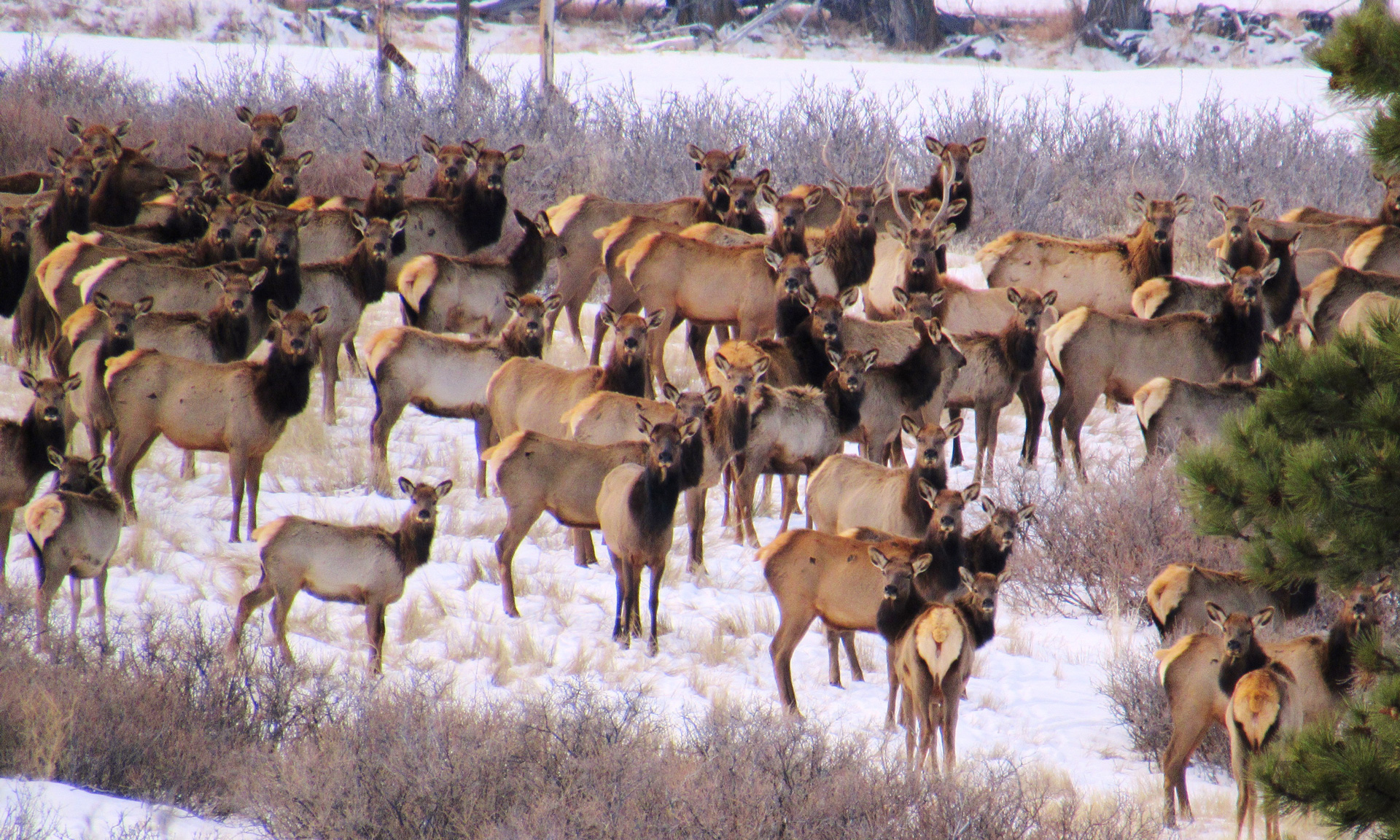
Every year, the wild landscapes of North America witness one of nature’s most impressive movements—the migration of elk. These large, powerful animals travel across forests, valleys, and even mountains in search of food and the right place to raise their young.
Many people are surprised to learn just how far elk migrate and why these journeys are so important for their survival. Understanding elk migration helps us protect them and the habitats they depend on. Let’s explore how far elk really go, what influences their migration, and what makes their journeys unique.
What Is Elk Migration?
Elk migration is the seasonal movement of elk herds between different areas to find better resources, avoid harsh weather, and reproduce. In spring and summer, elk usually move to higher elevations where the snow melts, and fresh grasses grow. As winter approaches, they travel to lower elevations where food is easier to find and the weather is less extreme.
This migration is not just about distance. It involves timing, weather patterns, and the knowledge elk pass from one generation to the next. Some herds travel much farther than others, depending on their location and the landscape they live in.
How Far Do Elk Migrate?
The distance elk migrate can vary a lot. In some areas, elk may only move a few miles, while in others, they travel over 100 miles in a single season. Here are some of the most important details:
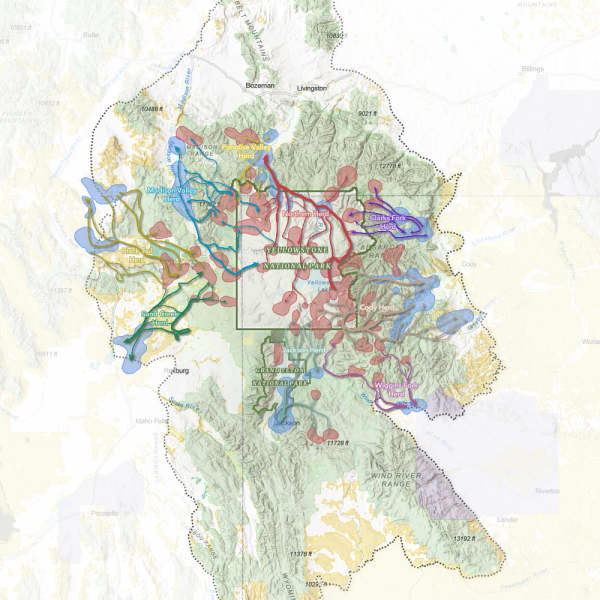
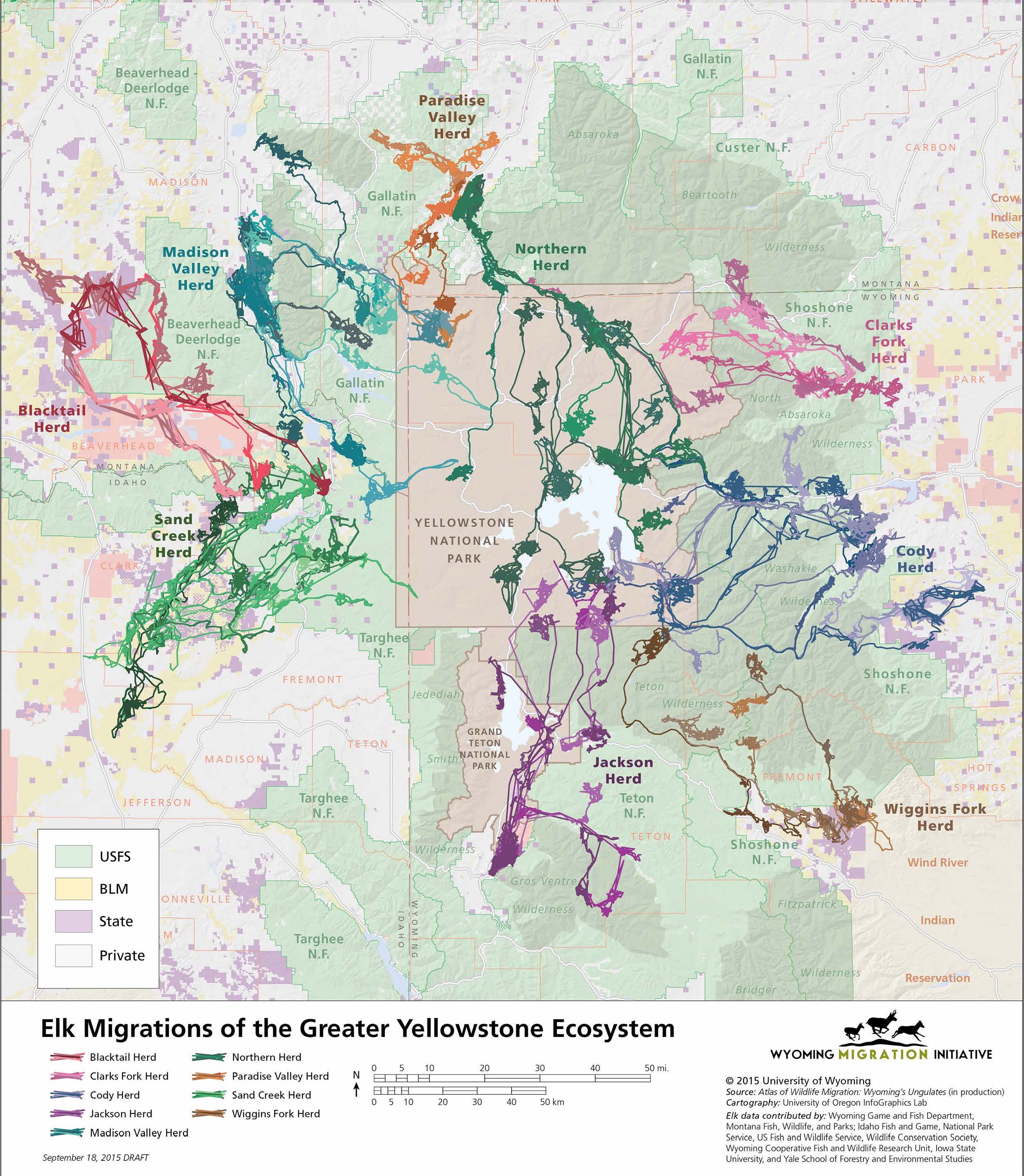
- Many elk in the western United States, especially in the Greater Yellowstone Ecosystem, migrate between 30 and 90 miles (50 to 145 kilometers) each way.
- Some herds in Wyoming have been tracked moving over 150 miles (240 kilometers)—one of the longest land migrations for any animal in the continental United States.
- In regions with less extreme weather or more consistent food, elk may not migrate at all or only move short distances.
Let’s look at a comparison of migration distances in different states:
| Region | Typical Migration Distance (Miles) | Max Recorded Distance (Miles) |
|---|---|---|
| Greater Yellowstone (WY/MT/ID) | 30–90 | 150+ |
| Colorado Rockies | 10–50 | 60 |
| Pacific Northwest | 5–20 | 30 |
| Canadian Rockies | 20–80 | 100 |
These numbers show how migration can be very different depending on where elk live.
Why Do Elk Migrate?
Elk don’t travel far just for the sake of moving. Their migration is driven by basic needs:
- Food availability: Elk eat grasses, shrubs, and other plants. In winter, snow covers much of their food, so they move to lower areas where they can still find something to eat.
- Weather conditions: Deep snow and cold temperatures make it hard for elk to survive in high mountains during winter. Lower valleys have less snow and milder weather.
- Calving grounds: In spring, pregnant females (cows) seek safe, quiet places with fresh plants to give birth and feed their calves.
- Predator avoidance: Migration can help elk avoid predators like wolves and bears, especially when calves are young and vulnerable.
When Do Elk Migrate?
The timing of elk migration depends on the region and the weather. But there are some common patterns:
- Spring migration: Elk usually start moving to higher ground as soon as the snow melts (March to May). This lets them eat new plant growth, which is high in nutrients.
- Fall migration: As temperatures drop and snow begins to fall (September to November), elk move back down to valleys and foothills.
Some herds can shift their migration dates if the weather changes. For example, an early winter storm may force elk to move sooner, while a warm fall could let them stay longer in the mountains.
Migration Routes: Highways In The Wild
Elk don’t wander randomly. Over generations, they have created traditional routes—sometimes called “migration corridors”—that they follow year after year. These routes are learned from older members of the herd and passed down, almost like a family tradition.
A typical elk migration corridor includes:
- Summer range: High, cool mountain meadows with plenty of grass.
- Migration path: Valleys, river bottoms, and safe crossings that connect summer and winter ranges.
- Winter range: Lower elevation forests and grasslands with less snow.
Here’s a simple look at what a migration corridor can include:
| Corridor Feature | Importance for Elk |
|---|---|
| Safe river crossings | Avoids dangerous water and predators |
| Open meadows | Provides food and rest stops |
| Forest cover | Hides elk from predators and hunters |
| Gentle slopes | Makes travel less tiring, especially for calves |
When these corridors are blocked by roads, fences, or cities, elk can struggle to reach their traditional ranges.
How Scientists Track Elk Migration
Understanding elk migration used to be guesswork, but new technology has changed everything. Today, scientists use GPS collars to track elk movements in real time. These collars send location data by satellite, letting researchers map where elk go and how long their journeys take.
Key insights from GPS tracking include:
- Elk often follow the same routes every year, even as landscapes change.
- Migration paths can cover private lands, public lands, and even cross highways.
- Some elk stop along the way for days or weeks, using “stepping-stone” habitats.
One thing beginners often miss: tracking has revealed that not all elk in a herd migrate the same way. Some might stay on winter range all year, while others travel the full distance. This is called partial migration.
For more details on how wildlife is tracked, see this Wikipedia page on wildlife tracking.
Dangers And Challenges During Migration
Migration is never easy for elk. Along the way, they face many threats:
- Roads and highways: Collisions with vehicles are a serious risk, especially at night or during bad weather.
- Fences: Tall or poorly-designed fences can trap elk or block their path, causing injury or death.
- Development: New homes, farms, and businesses can destroy migration corridors or force elk into dangerous areas.
- Predators: Wolves, bears, and mountain lions often wait along migration routes, targeting young or weak elk.
- Hunting pressure: In some areas, hunting is allowed during migration, which can stress herds and change their behavior.
- Extreme weather: Deep snow, ice, or drought can make migration longer and more dangerous.
One non-obvious insight: small changes, like replacing a fence with a wildlife-friendly design, can make a big difference for elk movement.
How Far Do Elk Migrate Compared To Other Animals?
Elk are among the longest-distance land migrants in North America, but how do they compare to other animals?
| Species | Typical Migration Distance (Miles) | Maximum Distance (Miles) |
|---|---|---|
| Elk | 20–90 | 150+ |
| Caribou | 300–600 | 800+ |
| Pronghorn | 100–200 | 300 |
| Moose | 5–30 | 50 |
While caribou travel farther, elk migrations are still impressive, especially considering the rough terrain they cross.
Human Impact On Elk Migration
Human activities have changed elk migration in many ways:
- Urban growth: Cities and towns are built in valleys—often right along migration corridors.
- Agriculture: Farms and ranches can block or change migration routes with fences and crops.
- Highways: Busy roads create barriers that are hard or dangerous for elk to cross.
- Resource development: Oil, gas, and mining operations can fragment elk habitat.
Conservation groups now work to protect migration corridors by:
- Building wildlife overpasses and underpasses so elk can cross highways safely.
- Working with ranchers to make fences “wildlife-friendly”—lower and easier to jump.
- Protecting key lands from development.
- Educating the public about the importance of migration.
A practical tip: When driving in elk country, watch for warning signs, especially during spring and fall migration.
Surprising Facts About Elk Migration
- Elk are excellent swimmers: If a river blocks their path, they can swim across—even in cold water.
- Calves travel early: Young elk, just weeks old, keep up with the herd during migration. This helps them learn routes for life.
- Navigation skills: Scientists believe elk use a mix of memory, landscape features, and even the sun to find their way.
- Partial migration is common: Not all elk migrate. In some herds, only a part of the group travels far, while others stay put.
- Historic routes: Some migration corridors have been used for thousands of years, showing just how deep this behavior runs in elk culture.
Why Migration Matters For Elk Survival
Migration is not just a tradition—it’s a key to survival. By moving from one place to another, elk can:
- Find enough food throughout the year, avoiding starvation.
- Escape harsh weather that would kill many animals in winter.
- Give birth in safer, richer environments.
- Reduce pressure on plants in any one area, allowing the ecosystem to recover.
If elk lose their ability to migrate, their populations often drop. That’s why protecting migration corridors is so important.
Frequently Asked Questions
How Far Do Elk Usually Migrate Each Year?
Most elk herds travel between 20 and 90 miles per year, depending on where they live. In some special cases, herds have been tracked moving over 150 miles one way.
Do All Elk Migrate?
No, not every elk migrates. In some areas, only part of the herd travels, while others stay in the same place all year. This is called partial migration.
What Months Do Elk Migrate?
Elk usually move to higher ground in the spring (March to May) and return to lower elevations in the fall (September to November). The exact timing depends on weather and food availability.
How Do Scientists Know Where Elk Migrate?
Scientists use GPS collars to track elk. These collars send location data to computers, allowing researchers to map migration routes and distances.
What Is The Longest Elk Migration Recorded?
The longest known elk migration in the continental United States is over 150 miles (about 240 kilometers), recorded in Wyoming. This journey takes elk across several types of terrain and many human-made obstacles.
Elk migration is one of nature’s great journeys. The distances they cover, the challenges they face, and the knowledge passed from one generation to the next all make their story unique. By understanding how far elk migrate and why, we can help protect both these animals and the wild places they call home.