Elk are among the most impressive creatures in North America and Eurasia. With their tall antlers, muscular bodies, and keen senses, they capture the imagination of nature lovers everywhere. But beyond their size and beauty, many people wonder: how fast can elk run? The answer is both fascinating and important for understanding how elk survive in the wild. Let’s dive deep into the speed of elk, the reasons behind their agility, and what their running means for hunters, predators, and anyone interested in wildlife.
Elk Speed: The Numbers
When it comes to running, elk are surprisingly fast. Adult elk can reach speeds of 35 to 45 miles per hour (56 to 72 kilometers per hour) for short bursts. This is similar to the speed of a racehorse over a short distance. These speeds allow elk to escape predators like wolves, bears, and mountain lions.
However, elk cannot maintain their top speed for long. Their bursts of speed usually last a few hundred yards before they slow down. Over longer distances, elk can keep up a steady pace of 10 to 15 miles per hour (16 to 24 kilometers per hour), especially when covering ground during migration.
How Elk Run So Fast
Elk are built for both speed and endurance. Several physical traits help them achieve their impressive running abilities:
- Strong leg muscles: Elk have powerful hind legs that provide the force needed to leap and sprint.
- Large lung capacity: Their lungs are adapted for taking in more oxygen quickly, which helps during intense activity.
- Flexible joints: The joints in their legs allow for a wide range of motion, making each stride longer and more effective.
- Light frame for their size: Despite being large animals (bull elk can weigh up to 700 pounds or more), their bones are lighter compared to other animals of similar size.
One detail that many people miss: elk have a unique tendon structure in their legs. This acts like a spring, storing energy with each step and then releasing it to help push the elk forward. This spring action means elk use less energy per stride when running fast.
Elk Speed Vs. Other Animals
To get a better idea of how fast elk are, it’s useful to compare their speed with other animals they share their habitat with. Here’s a table that shows the top speeds of common North American wildlife:
| Animal | Top Speed (mph) | Top Speed (km/h) |
|---|---|---|
| Elk | 45 | 72 |
| White-tailed Deer | 30 | 48 |
| Moose | 35 | 56 |
| Wolf | 40 | 64 |
| Grizzly Bear | 35 | 56 |
| Horse (racehorse) | 45 | 72 |
As you can see, elk are among the fastest large mammals in their range. Only a racehorse can match their top sprint speed.
Why Do Elk Need To Run Fast?
Speed is not just an interesting fact about elk—it is central to their survival. Here’s why:
Escaping Predators
Elk face threats from several skilled hunters, including wolves, mountain lions, and sometimes bears. When chased, elk use their speed to dash away, zigzag through trees, and quickly put distance between themselves and danger.
Interestingly, elk will often run uphill when escaping wolves. Wolves are fast, but they tire more quickly on steep slopes. This strategy can help elk outrun their pursuers.
Migration
Elk travel long distances between summer and winter ranges. While they do not run the whole way, their ability to move quickly helps them cross open areas where they are more vulnerable to predators.
Social Behavior
During the rutting season, bull elk will sometimes run at high speed to chase rivals or impress females. Their speed and power are part of what makes them successful in mating competitions.

Elk Running: Age, Gender, And Health Differences
Not every elk can run at the same speed. Several factors influence how fast an individual elk can move:
- Calves (young elk) are slower and more vulnerable to predators. They rely on staying hidden more than running.
- Adult cows (female elk) are fast but usually not as powerful as bulls.
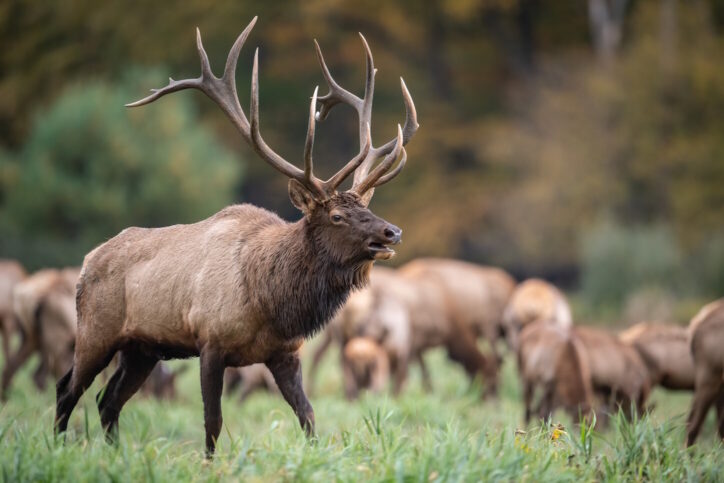
- Bull elk (male elk) are the fastest and strongest, but their large antlers can sometimes slow them down in thick forest.
- Old or injured elk can run only short distances and are at higher risk from predators.
A healthy, well-fed elk will always outrun one that is sick or weak. This is one reason predators often target the young, old, or injured animals in a herd.
How Elk Running Changes With The Seasons
Elk do not run at full speed all year round. The time of year can affect their running ability:
- Spring and summer: Elk are generally in better condition after eating new plants. Calves are born in late spring, so herds may move more slowly to protect the young.
- Fall (rutting season): Bulls are at their strongest and most active. You might see them running more often as they fight for mates.
- Winter: Deep snow can slow elk down a lot. In these months, elk use less energy and try not to run unless they must. Predators sometimes have an advantage in deep snow, especially if elk are already tired or hungry.
How Far Can Elk Run?
While elk can sprint at high speeds, their true strength is in endurance. Elk are built to travel long distances, often covering 10 to 20 miles (16 to 32 kilometers) per day during migration. Over a week, a herd might move more than 100 miles to reach better food or avoid harsh weather.
When chased, elk will run at top speed only for a quarter mile or less. After that, they settle into a steady, ground-covering trot. This combination of speed and stamina makes them hard to catch.
A detail beginners may miss: elk often travel in zigzags or use terrain like rivers, rocky slopes, or thick forest to slow down predators. They don’t always rely on straight-line speed. Instead, they use their knowledge of the landscape to stay safe.
How Elk Running Influences Hunting
Hunters and wildlife watchers should understand elk running habits. Here’s why it matters:
- Hunting strategy: Hunters rarely succeed by chasing elk on foot. Once elk start running, they quickly leave people behind. Instead, hunters focus on finding elk feeding or bedding areas and moving quietly.
- Tracking: Elk hooves make a unique pattern when they run. Tracks will be farther apart and deeper than when elk walk.
- Wounding risk: If an elk is wounded and runs off, it can cover a lot of ground quickly. This makes tracking and recovery more challenging.
Understanding elk speed helps hunters make ethical decisions. It also shows why patience and knowledge are more important than raw speed when pursuing these animals.
Elk Speed And Conservation
Elk populations have faced challenges from hunting, habitat loss, and predators. Their speed helps them survive, but as humans change the landscape, elk sometimes lose their advantage.
For example, roads, fences, and urban areas can block migration routes. When elk cannot run freely, they become easier targets for predators or accidents.
Wildlife managers study elk movement and speed to protect migration corridors and ensure healthy populations. If you want to learn more about elk conservation and research, visit the National Park Service’s Yellowstone Elk page.
Surprising Facts About Elk Running
Many people know elk are fast, but there are some lesser-known facts:
- Elk can leap up to 8 feet (2.4 meters) in a single bound. This helps them cross fences or logs when running.
- Elk hooves are like shock absorbers. The hard edges grip slippery ground, while the soft pads help cushion each step.
- Elk can swim well. When running from predators, they may cross rivers or lakes to escape, sometimes swimming for several miles.
- Elk rarely trip or fall at high speed. Their balance and reflexes are highly developed for fast, uneven terrain.
How To Spot Running Elk
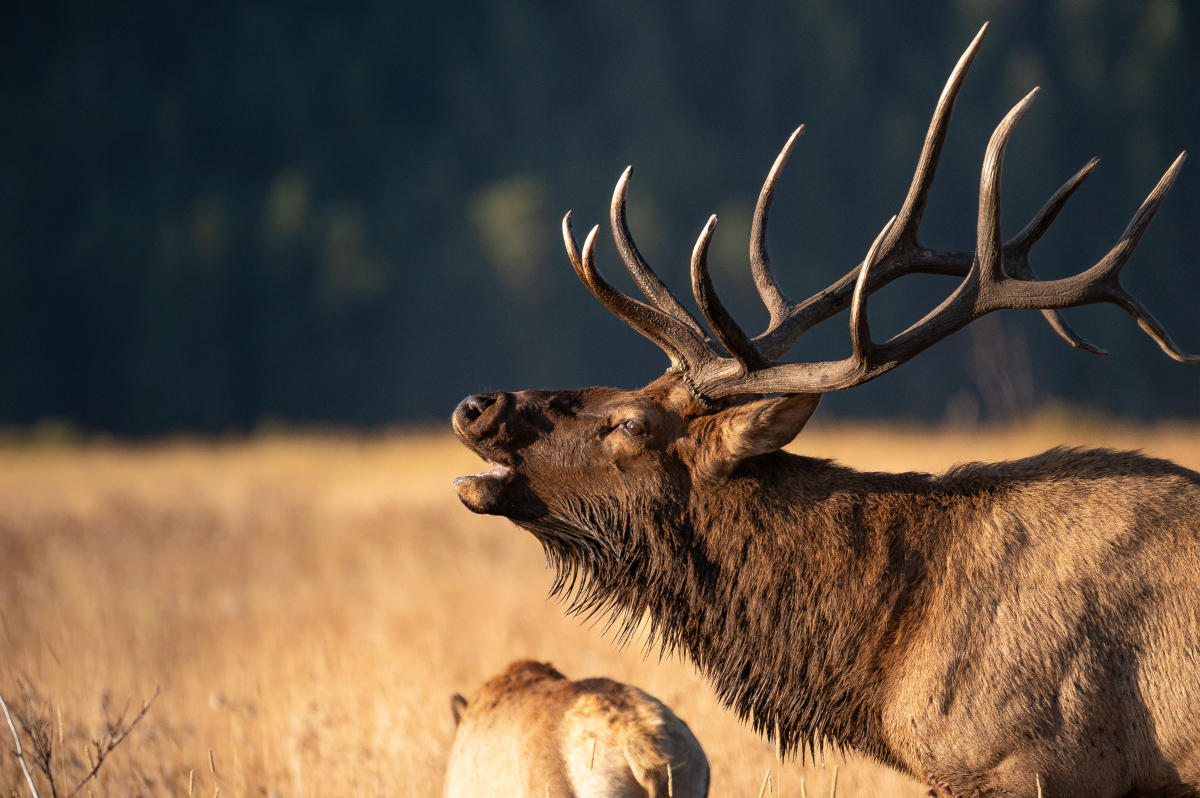
If you want to see elk running in the wild, the best chance is during the rutting season (September to October) or when a predator is near. Elk usually run in open meadows, along river valleys, or across mountain slopes.
Tips for wildlife watchers:
- Use binoculars to watch from a distance. Approaching too closely can cause stress to the animals.
- Early morning or late afternoon are the most active times.
- Look for groups. Elk are social, and when one starts running, others often follow.
Common Myths About Elk Speed
There are a few misunderstandings about how fast elk can run:
- Some people think elk can outrun any predator at any time. In reality, elk are fast but not invincible. Clever or lucky predators can still catch them.
- Others believe elk run in straight lines. In fact, elk often change direction quickly, using their agility and terrain knowledge to escape.
- It’s also false that elk only run when afraid. They may run during play, fights, or even when startled by loud noises.
Understanding the facts makes it easier to appreciate elk for what they are: powerful, smart, and well-adapted animals.
Frequently Asked Questions
How Fast Can Elk Run Compared To A Horse?
Elk and racehorses have similar top speeds—around 45 mph (72 km/h). However, elk reach this speed only in short bursts, while horses can maintain it longer on flat ground.
How Long Can Elk Maintain Their Top Speed?
Elk can keep their top speed for a few hundred yards (up to a quarter mile). After that, they slow down to a steady trot, which they can maintain for miles.
Are Male Elk Faster Than Female Elk?
Bull elk are generally larger and stronger, giving them more power for short sprints. But their antlers can slow them in thick forest. Cows (females) may be more agile in some situations.
Do Elk Run Faster Uphill Or Downhill?
Elk are skilled at running both uphill and downhill. They often run uphill to escape wolves, which tire more quickly. Downhill, their speed can increase, but they must be careful to avoid falling.
Can Elk Swim To Escape Predators?
Yes, elk are strong swimmers. They often cross rivers and lakes to avoid predators, sometimes swimming several miles if needed.
Elk running speed is just one part of their amazing story. Whether you are a hunter, a wildlife enthusiast, or simply curious, knowing how fast elk can run helps you appreciate their place in the wild. Their speed is a result of millions of years of evolution, making elk some of the most impressive animals in the forests and mountains they call home.