Many people enjoy watching wildlife, and elk are some of the most fascinating animals in North America. If you live near forests or have an orchard, you might wonder if elk eat apples or other fruits. Their large size and gentle appearance may suggest they eat only grass, but their diet is more varied.
Understanding what elk eat, especially regarding apples and fruits, can help you protect your garden, support conservation efforts, or simply satisfy your curiosity about these majestic animals.
Elk Diet Basics
Elk, also called wapiti, are herbivores. This means they eat only plant materials. Their main food sources are grasses, shrubs, leaves, and tree bark. However, elk are adaptable. Their diet changes with the seasons and available food. In summer, they prefer fresh green plants. In winter, they survive on woody plants and dried grasses.
Elk need a lot of food to support their large bodies. An adult elk can eat up to 20 pounds (about 9 kg) of food each day. They are also “browsers,” which means they eat leaves, twigs, and fruits from trees or shrubs, not just grass.
This flexible diet helps them survive in different environments, from dense forests to open meadows.
Do Elk Eat Apples?
Yes, elk do eat apples if they find them. Apples are sweet, full of water, and easy to chew, which makes them attractive to elk. In areas where apple trees grow wild or near human homes, elk often visit orchards and even backyards to eat fallen or low-hanging apples.
Some reasons why elk eat apples:
- High sugar content: Apples give quick energy, which is useful, especially in autumn before winter.
- Soft texture: Apples are easy to bite and chew, even for older elk.
- Scent: The smell of ripe apples can attract elk from a distance.
- Scarcity of other food: In late summer and fall, when grasses start to dry up, apples become a valuable food source.
However, apples are not a major part of the elk’s natural diet. They eat them when available, but they do not rely on them. If elk eat too many apples, it can sometimes cause digestive problems, especially if their stomach is not used to fruit.
Do Elk Eat Other Fruits?
Elk are opportunistic feeders. This means they will eat many types of food that are available, including other fruits. Some of the fruits elk might eat in the wild include:
- Berries (such as blueberries, raspberries, and serviceberries)
- Plums
- Cherries
- Crabapples
- Hawthorn fruits
Elk usually eat these fruits in late summer and early autumn when they are ripe. Fruits are not their main food but provide extra nutrition and energy. In some cases, elk help spread seeds through their droppings, which benefits forests and meadows.
Why Do Elk Like Fruits?
Fruits like apples are attractive to elk for several reasons:
- Taste: Fruits are sweet and palatable, a nice change from grasses and leaves.
- Nutrition: Fruits contain vitamins (like vitamin C), minerals, and water.
- Energy: The sugar in fruits helps elk gain fat before winter, which is critical for survival.
- Hydration: Fruits have a high water content, which is helpful in dry seasons.
Elk are smart and remember places where they found fruits before. They may return to orchards or wild patches year after year.
Elk Feeding Patterns And Seasonal Changes
Elk change their feeding habits based on the season. Here’s how their diet shifts:
| Season | Main Foods | Fruits Eaten |
|---|---|---|
| Spring | Fresh grass, new leaves, shoots | Few (fruits not ripe yet) |
| Summer | Grasses, forbs, leaves | Berries, cherries |
| Autumn | Dried grass, shrubs, bark | Apples, plums, crabapples |
| Winter | Woody plants, bark, twigs | Rarely any fruits |
This table shows that fruits, including apples, are most important to elk in late summer and autumn.
Elk Vs. Other Wildlife: Who Eats More Fruit?
Elk are not the only animals that enjoy apples and fruits. Deer, bears, and even birds also eat fallen or growing fruit. But how does elk fruit-eating compare to other wildlife?
| Animal | Fruit Eaten | Preference Level |
|---|---|---|
| Elk | Apples, berries, plums | Moderate |
| Deer | Apples, pears, berries | High |
| Bears | All types of fruits | Very high |
| Birds | Berries, small fruits | Varies by species |
Deer and bears are usually more interested in fruits than elk. Elk will eat fruit if it’s easy to find, but they do not seek it out as much as bears.
Risks And Benefits Of Elk Eating Apples Or Fruits
Benefits
- Extra nutrition: Apples and fruits provide vitamins and energy, especially before winter.
- Seed dispersal: Elk help spread fruit seeds, which helps plant growth in forests and meadows.
- Hydration: Fruits give moisture, which is important in dry periods.
Risks
- Digestive upset: Too many apples can cause bloating or diarrhea in elk.
- Orchard damage: Elk can break branches or even kill young fruit trees if they visit orchards often.
- Habituation: If elk get used to finding fruit near people, they may lose their natural fear of humans, leading to conflicts.
Some wildlife experts advise against feeding elk apples or other fruit intentionally. It can change their behavior and create problems for both elk and humans.
Differences Between Wild And Captive Elk Diets
Wild elk rely on what they find in nature. Captive elk, such as those in parks or farms, may be fed a wider variety of foods, including fruits like apples, carrots, and even commercial pellets.
| Elk Type | Main Foods | Fruits in Diet |
|---|---|---|
| Wild Elk | Grasses, shrubs, bark, leaves | Seasonal, limited |
| Captive Elk | Hay, grains, commercial feed | Fruits given as treats |
Captive elk may get more fruit than wild elk, but it is usually given in moderation to avoid health problems.

Practical Insights For Homeowners And Gardeners
If you have apple trees or fruit bushes and live in an area with elk, you may see them eating your fruit. Here are some things you can do:
- Harvest fruit early: Pick apples and other fruits as soon as they ripen to reduce temptation.
- Install fencing: Tall fences (at least 8 feet or 2.5 meters) can keep elk out of orchards.
- Remove fallen fruit: Elk are more likely to eat fruit that is easy to reach on the ground.
- Use deterrents: Motion-activated lights or sprinklers may scare elk away.
One insight many people miss: Elk can remember food sources for years. If they find apples in your yard, they might return every season, so it’s important to act quickly.
Another important point: Feeding elk can attract more than just elk. Bears, deer, and other animals may start visiting, which can be dangerous and cause more damage.
Ecological Role: Elk And Fruit Trees
Elk do more than just eat apples—they also play a role in forest health. When elk eat fruit and move around, they spread seeds with their droppings. This process helps new trees and plants grow far from the parent tree, which increases diversity in forests and meadows.
However, if elk populations become too large, they can over-browse young trees and shrubs, including fruit trees. This can slow forest recovery or hurt natural fruit production. Wildlife managers sometimes use controlled hunting or fencing to balance elk numbers.
Common Myths And Misunderstandings
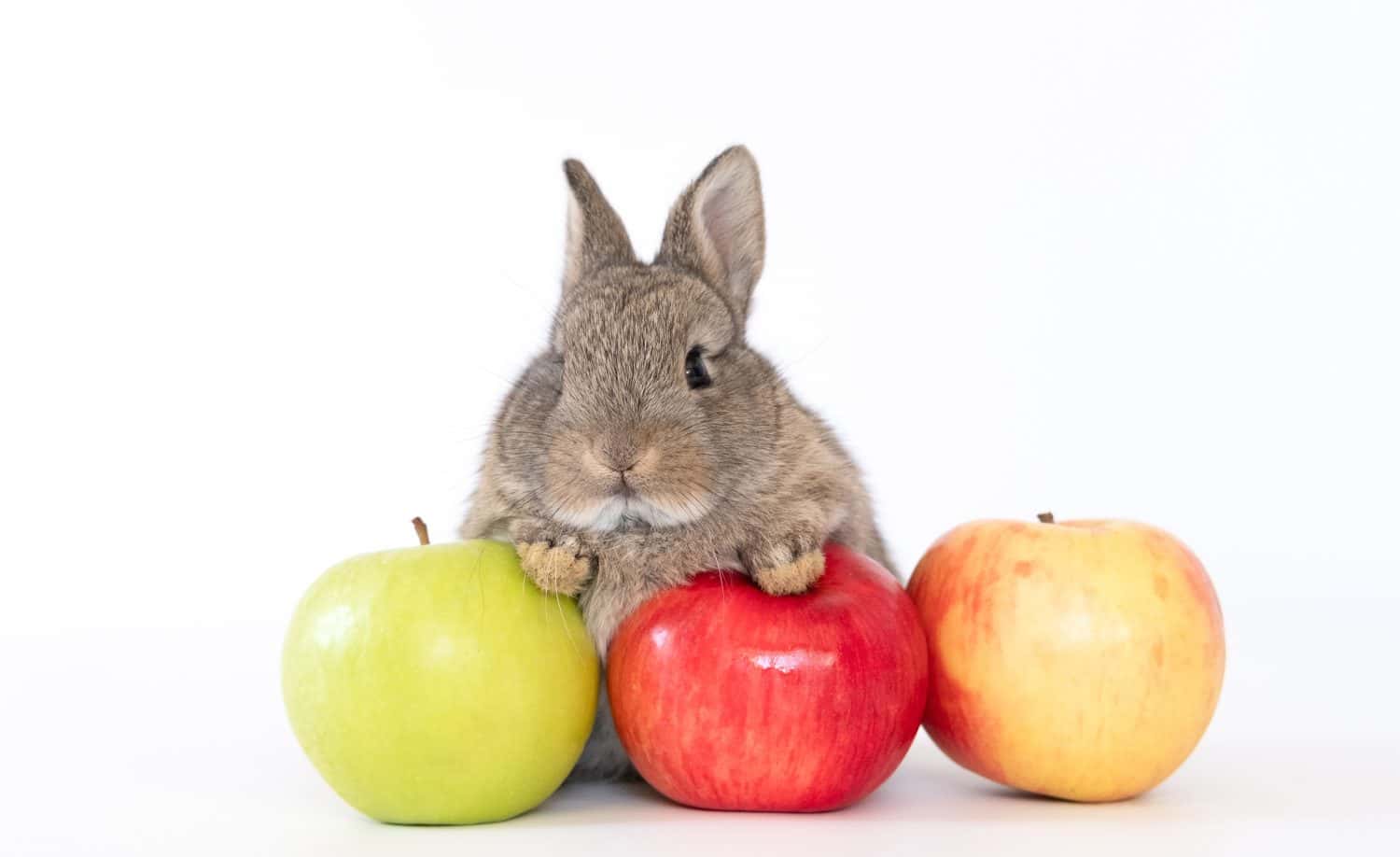
Many people believe that elk only eat grass and never touch fruit, but this is not true. While grass is important, elk are flexible eaters. They will take advantage of any easy, high-energy food like apples.
Another myth is that feeding elk apples is harmless. In reality, it can make elk sick if they eat too much, and it can change their natural behaviors. In some places, feeding wildlife is illegal for these reasons.
Research And Scientific Findings
Studies show that elk eat a variety of wild fruits when available. For example, research in Montana found that wild fruits, including apples, made up about 5-10% of the elk diet in late summer. Another study in the Pacific Northwest found that elk often eat berries and other fruits, especially when their usual foods are scarce.
If you want to read more about scientific research on elk diets, you can check this Wikipedia page on Elk.
Frequently Asked Questions
Do Elk Eat Apples From Trees Or Only Those On The Ground?
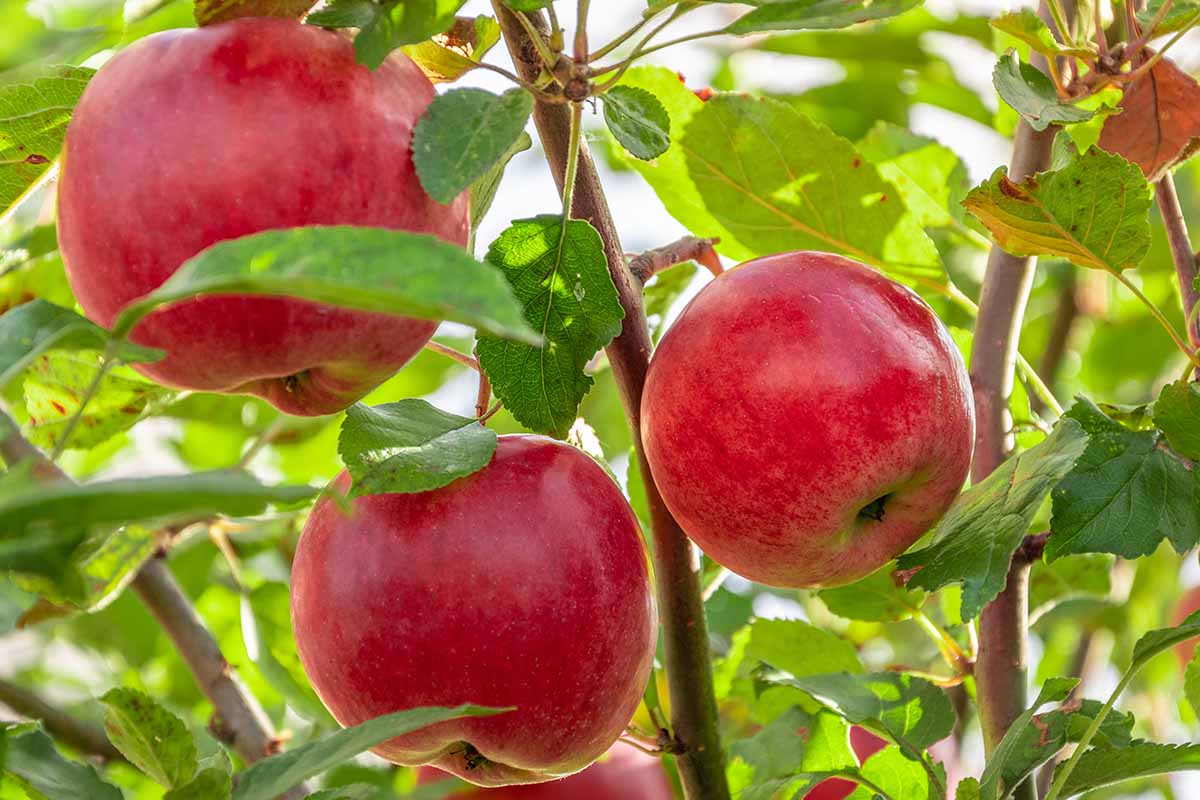
Elk can eat apples both from the ground and from low branches. They usually prefer apples that are easy to reach but can stand on their hind legs or stretch their necks for low-hanging fruit.
Are Apples Good For Elk?
Apples can be a good energy source in small amounts, but too many can upset an elk’s stomach. It is best if elk eat apples only as a small part of their diet.
Will Elk Damage My Apple Trees?
Yes, elk can break branches, strip bark, or eat young shoots if they visit your apple trees often. They are large animals, so their feeding can cause more damage than smaller animals like deer.
Is It Safe To Feed Elk Apples In Winter?
It’s not recommended. Elk stomachs are adapted to different foods in winter, and a sudden change to apples or other fruits can make them sick. Feeding wild elk is also discouraged by wildlife experts.
Do Elk Eat Other Fruits Besides Apples?
Yes, elk also eat berries, plums, cherries, and crabapples when they are available, especially in late summer and fall.
Elk are flexible eaters, and apples or fruits are just a small but interesting part of their diet. Understanding what elk eat helps us enjoy wildlife responsibly and protect both our gardens and these amazing animals.