
The wild forests and meadows of North America come alive every fall with a sound that’s both haunting and beautiful. If you have ever been hiking in the Rocky Mountains during September or October, you might have heard a long, high-pitched call echoing through the cool morning air. This dramatic sound is the elk mating call, also known as bugling. For many, it’s a once-in-a-lifetime experience to hear, but what exactly is the elk mating call? Why do elk make it, and what does it mean for their survival and behavior? Let’s explore the science, mystery, and power behind this unique animal sound.
What Is The Elk Mating Call?
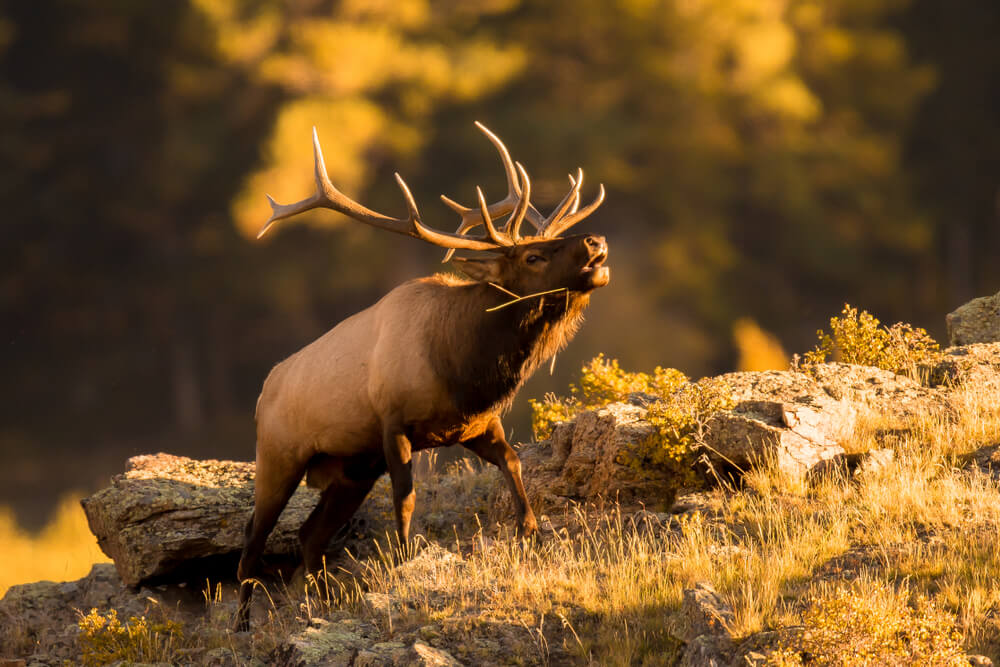
The elk mating call is a loud, rising whistle or bugle that male elk, called bulls, make during the breeding season, also known as the rut. This call can be heard from a distance of over a mile in the right conditions. The sound is not just a simple whistle; it often includes deep grunts, squeals, and even a series of barks. The purpose is to attract females (cows), show dominance over other males, and defend territory.
The Science Of Bugling
How Elk Produce The Call
Elk produce their famous bugle by forcing air through their vocal cords while holding their lips tight. This creates a high-pitched note that can suddenly drop into lower grunts. Unlike many animals, elk have a longer and more flexible vocal tract. Some researchers believe they even change the shape of their mouth and nostrils to adjust the sound. The result is a call that starts as a whistle, shifts into a scream, and ends with a series of guttural noises.
Why The Call Is So Loud
Bulls need their calls to travel long distances. Elk live in thick forests and wide valleys, where visibility is low. Making a loud call helps them communicate across hills and through trees. Some studies show that an elk’s bugle can reach over 90 decibels, almost as loud as a chainsaw.
The Role Of The Mating Call In Elk Behavior
Attracting Females
During the rut, bulls use their calls to advertise their strength and health to cows. The more powerful and frequent the call, the more likely a female will notice. Strong bugling is a sign that a bull is healthy and has good genes for her calves.
Competing With Other Males
Bugling is not only for cows. Other bulls listen too. A loud, confident bugle warns other males to stay away or risk a fight. Sometimes, two bulls will have a “bugle battle,” calling back and forth before deciding whether to fight physically.
Defending Territory
Bulls often gather a group of females, called a harem. They use their bugle to keep rival bulls at a distance. If a challenger ignores the warning, the two might lock antlers in a dramatic fight.
What Does An Elk Mating Call Sound Like?
Describing the elk bugle isn’t easy, but most people say it starts with a long, high whistle, slides into a screech, and ends with a series of low, raspy grunts. The call lasts about 4 to 8 seconds. Elk can bugle at any time, but the early morning and late evening are when the forest is most alive with their voices.
Here’s a simple comparison of the elk bugle with other common animal calls:
| Animal | Call Name | Sound Description | Purpose |
|---|---|---|---|
| Elk | Bugle | High whistle, then grunts | Attract mates, warn rivals |
| Wolf | Howl | Long, rising tone | Locate pack, mark territory |
| Moose | Bell | Low, deep moan | Attract mates, mark area |
When And Where Can You Hear The Elk Mating Call?
The Rutting Season
The elk rut usually happens from late August to early October. The peak is in September. During these weeks, bulls are most active, and their bugles are loudest and most frequent. The sound is a key feature of autumn in elk country.
Elk Hotspots
You can hear the elk mating call in many parts of North America, especially in the Rocky Mountains, Yellowstone National Park, and the forests of Colorado, Montana, and Wyoming. In recent years, elk have returned to states like Kentucky and Pennsylvania, making the call more common in the East as well.
Best Times To Listen
Elk are most vocal at dawn and dusk. Early morning fog and cool air help the sound travel further. If you plan to listen, stay quiet and avoid getting too close—the animals can be aggressive during the rut.
What Makes The Elk Bugle Unique?
Complexity Of The Sound
Unlike simple animal calls, the elk bugle changes pitch and volume in one call. Bulls can even “throw” their voices by turning their heads, making it hard for rivals to know exactly where the sound comes from.
Individual Variation
Every bull has a slightly different bugle. Older, stronger bulls often have deeper, louder calls. Cows can recognize individual bulls by their bugle, helping them choose the best mate.
Adaptation To Environment
Elk bugles are adapted to echo in forests and mountains. The high notes cut through trees, while the low grunts travel across valleys.

How The Mating Call Impacts Elk Survival
Natural Selection
Bulls with the most impressive bugles are more likely to mate and pass on their genes. Scientists have found that cows prefer bulls with longer, clearer calls. This drives evolution, making the bugle a key part of elk survival.
Reducing Physical Fights
The bugle lets bulls size each other up without fighting. If a young bull hears a powerful bugle, he may back down rather than risk injury. This saves energy and reduces harm.
Warning Of Danger
Some experts believe bugling also warns the group of predators, like wolves or bears, by showing that a strong male is present. However, bugling also has a risk—loud calls can attract hunters and predators as well.
Elk Bugling And Human Culture
Wildlife Watching
Hearing the elk bugle is a major draw for nature lovers. Every fall, thousands visit national parks to listen and watch. Guides often lead early morning tours to the best spots.
Native American Traditions
Many Native American tribes respected elk for their power and spirit. The bugle was sometimes used in dances and ceremonies, seen as a symbol of strength and renewal.
Music And Art
The haunting sound of the elk bugle has inspired composers, artists, and poets for centuries. It is a symbol of wildness and freedom, often used in documentaries and films.
Elk Bugling Facts And Data
To better understand the elk mating call, let’s look at some key facts:
| Fact | Details |
|---|---|
| Frequency Range | 2,000 to 4,500 Hertz (Hz) |
| Volume | Up to 90 decibels |
| Duration | 4 to 8 seconds per call |
| Distance Heard | Over 1 mile in open areas |
| Bugle Season | Late August to early October |
Common Misunderstandings About The Elk Mating Call
Many people think all elk bugles are the same, but as mentioned, each bull’s call is unique. Some also believe only big, old bulls bugle, but younger bulls will try too, though their calls are usually weaker and less impressive.
Another common mistake is thinking the bugle is just a mating call. In reality, it has multiple purposes: attracting females, warning rivals, and even marking territory.
How Scientists Study Elk Bugles
Recording And Analyzing Calls
Researchers use special microphones to record bugles in the wild. They analyze the sound waves to learn about pitch, length, and changes in pattern. This helps scientists understand which calls are most successful and why.
Tracking Movements
Modern studies use GPS collars to track bulls during the rut. By matching bugle recordings with GPS data, researchers can see how calls influence elk movement and interactions.
New Discoveries
Recent research has shown that bugling may also help bulls keep their group of cows together. When a bull bugles, his harem is more likely to stay close, reducing the chance of females leaving for another male.
For more details on the science of animal communication, visit the Elk Wikipedia page.
Listening Tips For Beginners
If you want to hear the elk mating call in the wild, here are a few tips:
- Go out at dawn or dusk in late September.
- Be patient and move quietly.
- Use binoculars to watch from a safe distance.
- Avoid calling back—imitating bugles can confuse the elk or put you at risk.
- Dress warmly, as mornings can be cold.
One insight many people miss: bugling is not just about noise. It’s about timing. Bulls often bugle more when cows are most fertile, so the pattern of calls changes through the rut. Also, a single bull may bugle hundreds of times in one night.
Elk Bugling Versus Other Mating Calls
To show how unique the elk bugle is, here’s a comparison with two other large mammals:
| Species | Mating Call | Volume (Decibels) | Peak Mating Season |
|---|---|---|---|
| Elk | Bugle | Up to 90 | September |
| Moose | Bell (Moan) | Up to 80 | October |
| Red Deer | Roar | Up to 100 | September |
Notice that each animal has a different style of call, adapted to its habitat and social needs.
The Future Of Elk Bugling
Elk bugling is still strong in many parts of North America, but there are threats. Habitat loss, hunting, and climate change can all impact elk populations and their ability to perform this ancient ritual. Conservation groups work hard to protect elk and their wild homes.
Listening to an elk bugle is a reminder of the wild places we need to preserve.
If you ever get the chance, go out and listen. The elk mating call is not just a sound—it’s a living tradition, a sign of autumn, and a link to the deep history of the land.

Frequently Asked Questions
What Is The Main Purpose Of The Elk Mating Call?
The main purpose is to attract females and warn other males during the breeding season. It helps bulls show their strength, claim territory, and keep their harem together.
How Far Can You Hear An Elk Bugle?
In open areas, you can hear the elk bugle from over a mile away. In forests, the sound may not travel as far, but it is still very loud and clear.
When Is The Best Time To Hear Elk Bugling?
The best time is during the rutting season, especially in September, just before sunrise or after sunset when elk are most active.
Do Only Male Elk Make The Mating Call?
Yes, only male elk (bulls) bugle during the mating season. Female elk may make other sounds, but not the loud bugle.
Can Bugling Be Dangerous For Elk?
Bugling can attract not only mates but also predators and hunters. During the rut, bulls are more exposed and may face more risks, but the benefits for mating usually outweigh the dangers.
The elk mating call is one of nature’s most powerful and mysterious sounds. It plays a key role in the lives of elk, shapes their behavior, and connects people to the wild. Whether you’re a wildlife lover, a scientist, or just curious, understanding this call adds a new level of appreciation for these incredible animals.