
Every year, thousands of people travel to North America’s wilderness hoping to catch a glimpse of one of its most iconic animals: the elk. These majestic creatures are symbols of wild places, but most people only pay attention to the large, antlered adults. Few people stop to ask: what is a calf elk? Understanding these young animals is key to appreciating the elk’s life cycle, and it reveals much about how these impressive mammals survive and thrive in the wild.
What Is A Calf Elk?
A calf elk is the young offspring of an elk, born after a gestation period of about 240-262 days. Like calves of other large mammals, such as deer and cattle, elk calves are dependent on their mothers for food, protection, and learning important life skills. Calves are born in late spring or early summer, when food is plentiful and the weather is mild. This timing helps increase their chances of survival.
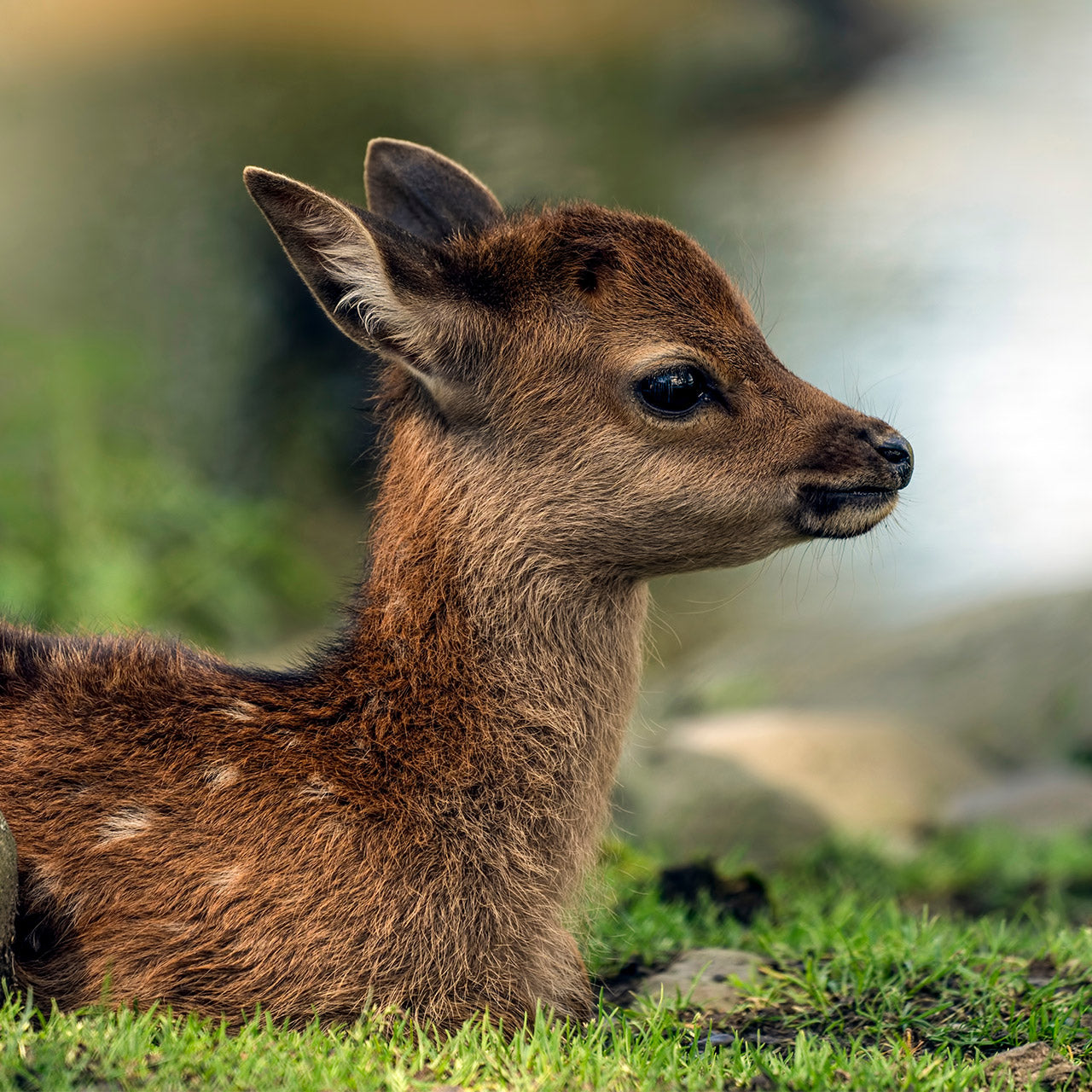
At birth, a calf elk weighs between 30 and 40 pounds (13–18 kg). Their fur is reddish-brown, and they have white spots on their bodies. These spots are not just for looks—they provide camouflage, helping the calves blend into the dappled sunlight of forests and meadows.
Camouflage is a powerful survival tool, since predators like bears, wolves, and mountain lions are always searching for easy prey.
Physical Characteristics Of Calf Elk
Elk calves look different from adults in several ways. Understanding these differences helps you identify and appreciate these animals in the wild.
| Feature | Calf Elk | Adult Elk |
|---|---|---|
| Fur Color | Reddish-brown with white spots | Dark brown or tan, no spots |
| Size at Birth | 30–40 pounds (13–18 kg) | 500–700 pounds (225–320 kg) |
| Antlers | None | Bulls have large antlers; cows have none |
| Legs | Long, thin legs for quick movement | Stockier, stronger legs |
One non-obvious detail: calf elk are born without a scent. This adaptation makes it harder for predators to find them, especially in the first weeks of life. Their mothers are also careful to clean the calves and eat the afterbirth, which removes any smells that could attract danger.

The Life Cycle Of A Calf Elk
Birth And The First Hours
Elk calves are usually born in secluded places like tall grass or dense forest. The mother, called a cow, separates from the herd before giving birth. This is done to avoid attracting predators to the rest of the group. Within 20 minutes of birth, the calf tries to stand—a critical skill since staying mobile helps avoid danger.
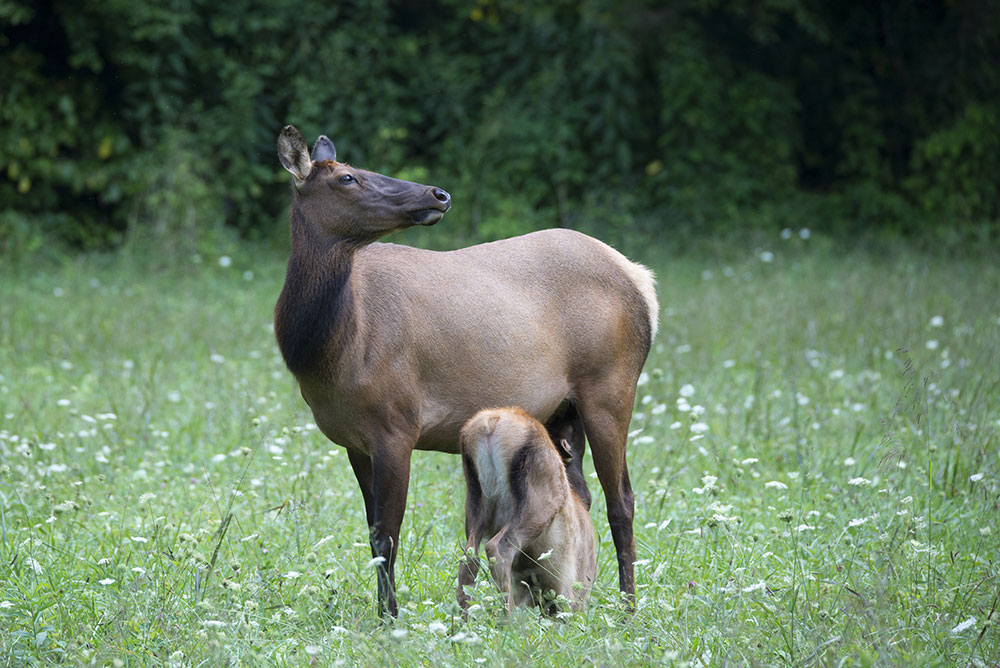
For the first few weeks, the calf will spend most of its time hidden while the mother feeds nearby. She returns several times a day to nurse and care for her young. The calf’s main job is to stay still and quiet, using its camouflage and lack of scent to remain undetected.
Growth And Development
Calf elk grow quickly. By two weeks old, they start to follow their mothers. At one month, they can run fast enough to escape most predators. The white spots begin to fade after two to three months, and by the end of summer, the calf looks more like a small adult elk.
Elk calves are weaned from their mother’s milk at about two to three months old, but they may continue to nurse for comfort or extra nutrition until autumn.
Socialization And Learning
By late summer, the mother and calf rejoin the herd. This is a time for social learning. Calves observe other elk, learn migration routes, find food, and recognize danger. They also practice “play fighting” with other young elk, which helps them develop survival skills.
One thing beginners often miss: the first year is the most dangerous for a calf elk. Around 50% of calves do not survive their first year, mainly due to predators, accidents, or harsh weather.
Diet And Nutrition
Calf elk rely on their mothers’ milk for the first two to three months. Elk milk is rich in fat and protein, giving the calf the energy needed for rapid growth. By the age of one month, calves start nibbling on grass, leaves, and young shoots.
Gradually, they eat more solid food and less milk.
Here’s how their diet changes over time:
| Age | Main Food | Notes |
|---|---|---|
| 0–1 month | Mother’s milk | Calf is hidden, mother visits to nurse |
| 1–3 months | Milk + plants | Starts eating grass, leaves, forbs |
| 3+ months | Plants | Weaned off milk, eats like adults |
Elk are ruminants, which means they chew food, swallow it, and then regurgitate it to chew again. This helps them get more nutrition from tough plants. Calves learn this process by watching adults.
Predators And Survival Challenges
Young elk face many dangers. Their main predators are wolves, coyotes, bears, and mountain lions. Eagles may also attack very young calves. The risk of predation is highest during the first month, when calves are weakest and less mobile.
To survive, calves rely on:
- Camouflage: Their spots and reddish fur help them blend in.
- No scent: Hard for predators to detect.
- Mother’s protection: Mothers defend their calves fiercely, sometimes chasing away predators.
- Herd behavior: After joining the group, safety in numbers helps protect all young elk.
A surprising fact: In areas where wolves have returned, elk calf survival rates can be as low as 20–30%. In places without large predators, survival rates are much higher.
How Calf Elk Fit Into The Ecosystem
Calf elk are not just future adults—they play a real role in the ecosystem. They are a food source for predators, which helps keep the predator population balanced. If too many calves survive, elk herds can grow too large and damage the environment by overgrazing.
On the other hand, calf elk eat young plants, spread seeds, and their movements help shape the landscape. As they grow, their feeding habits help maintain healthy grasslands and forests.
How To Spot A Calf Elk In The Wild
If you’re hiking or driving through elk country in late spring or early summer, you might see a calf elk. Here are tips to help you identify one:
- Look for a small, reddish-brown animal with white spots.
- Calves often lie flat and very still in tall grass or brush.
- If you see an adult elk acting nervous, it may have a calf hidden nearby.
- Never approach or try to touch a calf elk. The mother is usually close and may defend her baby.
A common mistake is thinking a hidden calf has been abandoned. Most of the time, the mother is feeding or keeping watch nearby.
Human Impact On Calf Elk Survival
Humans affect calf elk in many ways. Urban development, roads, and fences can block migration routes, making it harder for elk to find food and safe places to give birth. Hunting regulations protect calves, as it is illegal to hunt them in most places.
However, hunting adult females in the autumn can lower calf survival the next year, since fewer experienced mothers are left to teach and protect the young.
Another major threat is the spread of diseases like chronic wasting disease. Calves with weak immune systems may not survive if exposed to sickness.
Wildlife managers track calf survival rates to measure the health of elk populations. When too few calves survive, it signals problems in the ecosystem.
Calf Elk Vs. Other Young Deer: What’s The Difference?
Many people confuse elk calves with deer fawns or moose calves. Here’s how they compare:
| Animal | Birth Weight | Fur Color | Spots Present? | Habitat |
|---|---|---|---|---|
| Elk Calf | 30–40 lbs (13–18 kg) | Reddish-brown | Yes | Open meadows, forests |
| White-tailed Deer Fawn | 4–8 lbs (2–4 kg) | Light brown | Yes | Woodlands, fields |
| Moose Calf | 25–35 lbs (11–16 kg) | Dark brown | No | Bogs, forests |
Elk calves are larger and more robust than deer fawns. Moose calves are bigger but lack white spots. Knowing these differences can help you identify animals correctly in the wild.
The Role Of Calf Elk In Elk Herds
Calf elk are the future of their herds. The number of calves born and surviving each year determines whether a herd grows, shrinks, or stays stable. If too few calves survive, the whole population can decline. Wildlife biologists count calf numbers every year to make decisions about hunting seasons and conservation efforts.
Interesting insight: Calves born earlier in the season often have a better chance of survival. They have more time to grow before winter, when food is scarce and cold weather makes life hard.
Conservation And Protection
Many conservation groups work to protect elk populations and their young. Efforts include:
- Restoring migration corridors
- Reducing vehicle collisions by building wildlife crossings
- Educating the public about not disturbing young wildlife
- Monitoring disease and predator populations
These efforts help ensure that calf elk have a chance to survive and grow into adults, keeping elk populations healthy for future generations.
If you want to learn more about elk and their role in North America’s ecosystems, you can visit the Yellowstone National Park Elk page.
Frequently Asked Questions
What Do Calf Elk Eat?
In the first weeks, calf elk drink only their mother’s milk, which is rich in nutrients. By about one month old, they start to eat grasses and leaves, and by three months, their diet is mainly plants, just like adult elk.
How Long Do Calf Elk Stay With Their Mothers?
Calf elk stay with their mothers for at least their first year. They learn important skills, join the herd, and often stay close until the next calf is born. After that, females may stay in the herd, while males begin to form bachelor groups.
When Are Calf Elk Born?
Most calf elk are born in late May or June. This timing allows them to grow during summer, when food is abundant, and be strong enough to survive their first winter.
How Can You Tell A Calf Elk From A Deer Fawn?
Calf elk are bigger at birth and have a longer face and body. Their white spots are similar to deer fawns, but their legs are longer and their heads are shaped differently. Elk also live in larger open areas, while deer prefer more wooded habitats.
Are Calf Elk Ever Raised In Captivity?
Yes, some wildlife reserves and research centers raise calf elk to study their behavior, health, and genetics. However, wild calves are best left undisturbed, as they have the highest survival chances when raised by their mothers in natural conditions.
Calf elk may be small, but their journey from vulnerable newborn to strong adult is a remarkable part of the wild. By understanding these young animals, we gain a deeper appreciation for the challenges and wonders of nature.