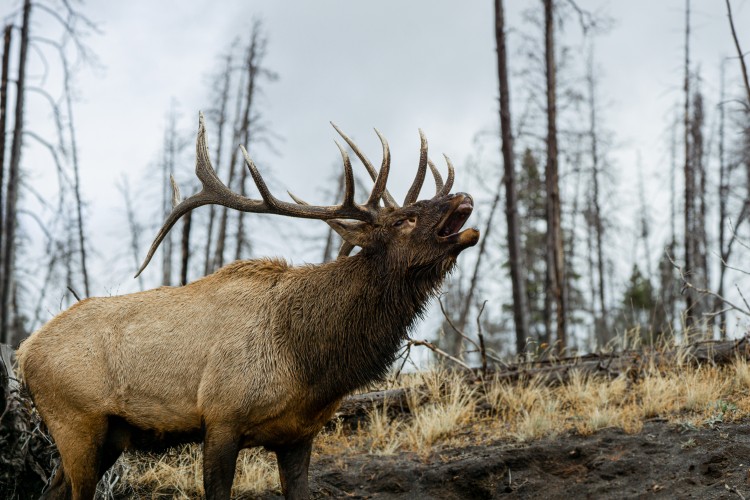
Every autumn, in forests and meadows across North America and parts of Europe and Asia, a dramatic event unfolds. If you are hiking in the mountains or near a national park, you might hear loud bugling calls, see large herds of elk moving together, and even witness two massive bulls clashing antlers. This is the elk rut—a natural phenomenon that is both powerful and essential for the survival of elk populations. Understanding the elk rut gives you a window into the wild world of elk, their behavior, and the cycles of nature that shape their lives.
What Is An Elk Rut?
The elk rut is the breeding season for elk. During this time, male elk, called bulls, compete fiercely for the right to mate with female elk, known as cows. The rut is not just about mating—it’s a time of intense activity, dramatic changes in behavior, and important biological processes. The word “rut” comes from the Latin “rugire,” which means “to roar,” and anyone who has heard a bull elk’s call knows why.
When Does The Elk Rut Occur?
The elk rut typically happens in late summer to early fall, most commonly from early September to mid-October. The exact timing depends on:
- Latitude and climate: In northern regions, the rut tends to start earlier, sometimes in late August. In southern areas, it may run into late October.
- Elk subspecies: Rocky Mountain elk, Roosevelt elk, and other subspecies can have slight differences in timing.
Shortening daylight hours (decreasing photoperiod) trigger hormonal changes in elk, signaling the start of the rut. This timing ensures that calves are born in late spring or early summer, when food is most abundant.
Why Is The Rut Important For Elk?
The rut is critical for the survival and health of elk populations. Here’s why:
- Genetic Diversity: Only the strongest bulls win the chance to mate. This means their genes are passed to the next generation, keeping the population healthy and strong.
- Population Regulation: Not every bull mates, so only the fittest animals reproduce. This helps balance population numbers with available resources.
- Calf Survival: By syncing birth with spring, calves have a better chance of survival due to warmer weather and more food.
Key Behaviors During Elk Rut
The elk rut brings out some of the most spectacular animal behaviors in North America. Here’s what you might see or hear:
1. Bugling
Bulls make loud, high-pitched bugling calls to:
- Attract cows
- Warn other bulls to stay away
- Show off their strength
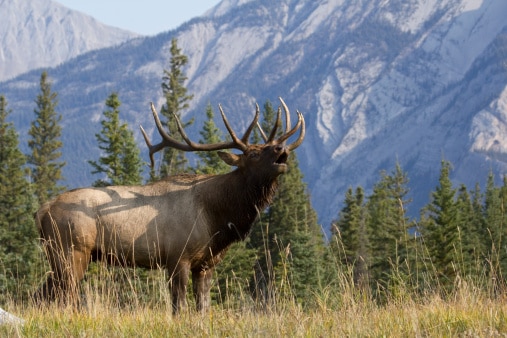
A bugle can carry for miles. The sound starts as a deep bellow, rises to a high whistle, and ends with a series of grunts. Each bull has a slightly different bugle, and experienced listeners can often tell individuals apart.
2. Sparring And Fighting
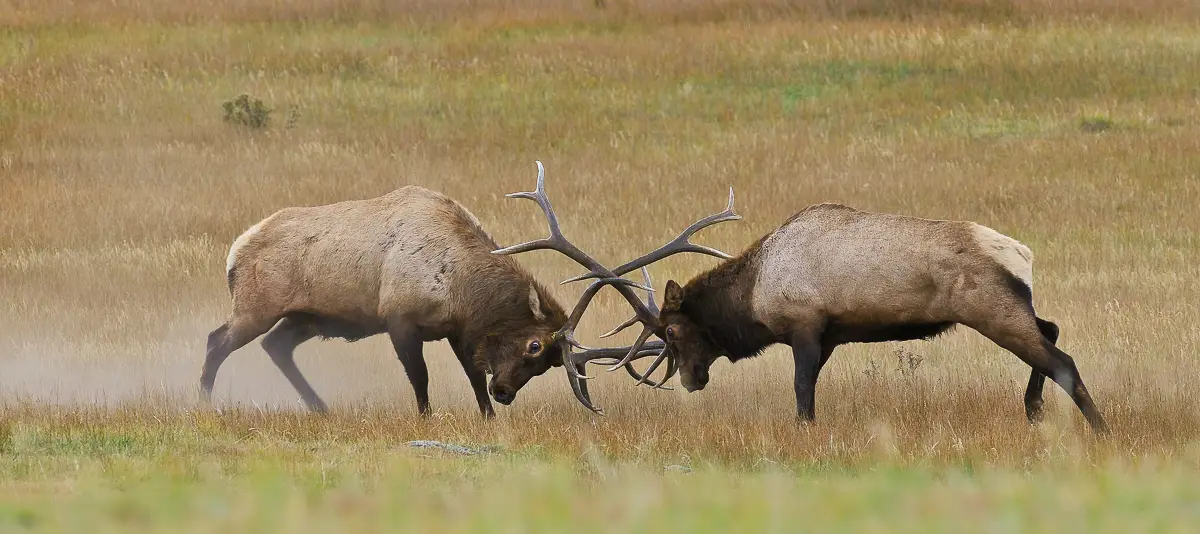
Bulls use their antlers to spar with rivals. Sparring often starts as a way to size each other up, but real fights can be violent. Bulls lock antlers and push each other with great force. Injuries are common, and some fights can be fatal.
3. Herding Cows
A dominant bull gathers a group of cows, called a harem. He tries to keep other bulls away and keeps the cows together. A harem can range from a few to over 30 cows, depending on the bull’s strength and the number of elk in the area.
4. Scent Marking
Bulls urinate on themselves, roll in mud, and thrash bushes with their antlers. This spreads their scent and shows dominance. The strong smell signals to cows that a bull is healthy and ready to mate.
5. Mating
When a cow is ready to mate (in estrus), she allows the bull to approach. Mating lasts only a few seconds, but a bull may mate with many cows over the rut.
Physical Changes In Bulls During The Rut
The rut brings dramatic changes to bull elk:
- Neck swells: Testosterone causes the neck to grow larger, making bulls look even more impressive.
- Antler polish: Bulls rub off the velvet from their antlers, revealing sharp, shiny tines used in fights.
- Weight loss: Bulls eat little during the rut, focusing on fighting and breeding. They can lose up to 20% of their body weight.
These changes are temporary. After the rut, bulls focus on eating and recovering before winter.
The Life Cycle Of Elk And The Role Of The Rut
The rut is just one part of the elk’s yearly cycle, but it connects directly to every other stage:
- Spring: Calves are born, and cows focus on feeding and caring for young.
- Summer: Elk eat as much as possible to build up fat for winter and prepare for the rut.
- Fall (Rut): Bulls compete for breeding rights, and cows are bred.
- Winter: Food is scarce, and elk conserve energy. Pregnant cows carry calves until spring.
Where Can You See The Elk Rut?
Many people travel each year to watch the elk rut. Some of the best places in North America include:
- Yellowstone National Park (USA): Home to thousands of elk, with bugling often heard in the valleys.
- Rocky Mountain National Park (USA): Large herds gather, and fights between bulls are common.
- Banff and Jasper National Parks (Canada): Good viewing in open meadows and along rivers.
Viewing is best at dawn and dusk, when elk are most active. Always keep a safe distance—bulls are unpredictable and can be dangerous during the rut.
How Does The Elk Rut Compare To Other Deer Species?
Elk are not the only deer that have a rut, but their rut is unique in some ways. Here’s a comparison with other common deer:
| Species | Rut Timing | Main Display | Harem Formation |
|---|---|---|---|
| Elk | Sept–Oct | Bugling, Sparring | Yes |
| White-tailed deer | Nov–Dec | Grunting, Scraping | No |
| Moose | Sept–Oct | Grunting, Antler Fights | No |
| Red deer | Sept–Oct | Roaring, Antler Fights | Yes |
Elk are especially famous for their bugling and large harems, which set them apart from other deer.
How The Rut Impacts Elk Population And Management
Wildlife managers use knowledge of the rut to help manage elk populations and hunting seasons. Key points include:
- Hunting Regulations: Most states and provinces set elk hunting seasons outside the main rut to protect breeding bulls and maintain healthy populations.
- Population Surveys: The rut is a good time to count elk, as they gather in open areas and are more active.
- Conservation: In places where elk are threatened, understanding rut behavior helps with breeding programs and habitat protection.
Common Mistakes About The Elk Rut
Many beginners believe that:
- All bulls mate: In reality, only the most dominant bulls breed, while younger bulls may not mate at all.
- Bulls are always aggressive: Bulls spend most of the year peacefully grazing. Aggression is mostly limited to the rut.
- Elk are easy to approach during rut: While elk are distracted, bulls can be very dangerous and territorial.
Elk Rut And Human Interaction
The rut can bring elk into close contact with people, especially in parks and tourist areas. Here’s what you should know:
- Safety: Bulls may charge cars, people, or even pets if they feel threatened.
- Viewing etiquette: Use binoculars or a telephoto lens. Stay at least 100 yards (90 meters) away from elk.
- Disturbance: Too many people can stress elk and disrupt the rut. Respect closures and signs in parks.
Non-obvious Insights About Elk Rut
- Silent Cows Drive the Action: While bulls make all the noise, cows actually decide when and with whom to mate. Bulls can control harems, but cows choose when to move, hide, or accept mating.
- Bugling Has Costs and Benefits: Bugling attracts cows, but it also draws in rival bulls and even predators like wolves. Bulls must balance being loud enough to win mates but not so loud that they risk injury or death.
Climate Change And The Elk Rut
Recent studies suggest that climate change may shift the timing of the rut. Warmer autumns and changes in plant growth can affect when cows are ready to breed. This could lead to calves being born at less optimal times, which might reduce their survival rates.
The Elk Rut Around The World
While most famous in North America, the elk rut also happens in Europe and Asia, where elk are known as wapiti or red deer. The behaviors are similar, but local traditions, hunting laws, and viewing opportunities can differ.
Data On Elk Rutting Success
Scientists have measured how many bulls mate and how many calves are born each year. Here’s a simplified look at the numbers:
| Elk Population | Dominant Bulls (%) | Calves per 100 Cows | Average Harem Size |
|---|---|---|---|
| Yellowstone | 10–20 | 30–40 | 15–30 |
| Rocky Mountains | 15–25 | 35–45 | 12–25 |
| Pacific Northwest | 12–18 | 28–38 | 10–20 |
These numbers can change based on habitat quality, predator numbers, and human activities.
Frequently Asked Questions
What Does “rut” Mean In Elk Behavior?
The rut refers to the breeding season when bull elk compete for the right to mate with cows. It includes behaviors like bugling, fighting, and herding.
How Long Does The Elk Rut Last?
The rut usually lasts four to six weeks, from early September to mid-October, though exact timing can vary based on location and climate.
Is It Safe To Watch The Elk Rut In The Wild?
It is safe if you keep your distance and follow local guidelines. Bulls can be aggressive, especially if you get too close. Use binoculars or a camera with a zoom lens for the best experience.
Do All Male Elk Get To Mate During The Rut?
No. Only the most dominant bulls with large harems do most of the breeding. Younger or weaker bulls rarely mate during the rut.
Where Can I Learn More About Elk And Their Behavior?
For more detailed information, visit the Wikipedia page on elk, which offers a comprehensive overview of elk biology and behavior.
The elk rut is one of nature’s most exciting spectacles—a time when strength, strategy, and survival all come together. Watching or even just learning about the rut connects us to the wild rhythms of the natural world and reminds us of the wonders happening just beyond our cities and towns.