Can Elk Be Tamed? The Surprising Truth Behind Elk Behavior
Elk are beautiful, strong animals that capture the imagination of people all over the world. With their large antlers and graceful movement, elk look powerful but peaceful in the wild. Some people wonder: can elk be tamed like horses or cows? The answer is not simple. Elk have lived beside humans for thousands of years, but their instincts, biology, and history make taming them very different from taming other animals.
This article dives deep into what “taming” means, how elk behave in the wild, and what happens when people try to domesticate these majestic animals. You’ll discover the science, the risks, and the surprising challenges of trying to turn an elk into a companion or farm animal.
If you’re curious about elk or thinking about working with them, this guide will give you everything you need to know.
What Does “taming” Mean?
People often confuse taming and domestication, but they are not the same. Understanding this difference is the first step to answering the question.
- Taming is when an individual wild animal becomes used to humans and may allow close contact. A tamed animal can still have wild instincts.
- Domestication is when a species changes over many generations to live closely with humans. Domesticated animals, like dogs or cows, are born with less fear and more trust toward people.
Elk have not been domesticated like cattle or sheep. Taming an individual elk is possible in some cases, but it comes with unique problems.
Elk Behavior In The Wild
To know if elk can be tamed, it’s important to understand how they act in nature. Elk (Cervus canadensis) are social animals that live in herds, especially during winter or calving season. Their main instincts are:
- Fleeing from danger: Elk are prey animals, so they are quick to run from anything unusual, including humans.
- Strong social structure: Herds have leaders, and elk rely on each other for safety and learning.
- Seasonal movement: Elk often migrate between summer and winter areas, traveling long distances.
Because of these instincts, elk are always alert and ready to escape. Even elk raised with humans often keep these survival behaviors.
The History Of Elk And Humans
Humans and elk have a long, complicated relationship. Native peoples across North America have hunted elk for food, clothing, and tools for thousands of years. In the 1800s, European settlers tried to use elk for farming, but with limited success.
Elk farming began in North America and New Zealand in the 20th century. Farmers wanted elk for their meat, antlers, and hides. Unlike cows or sheep, elk did not become much tamer over generations. Some individuals became less afraid of humans, but their wild instincts stayed strong.
Can Elk Be Tamed By Hand-raising?
Some ranchers and wildlife centers have tried raising elk calves by hand, bottle-feeding them from birth. This method creates elk that are less afraid of people. But even hand-raised elk can become dangerous or unpredictable as adults.
Why Hand-raised Elk Are Still Wild
- Maturity brings aggression: Male elk (bulls) become very aggressive during rut (breeding season), even if raised by humans.
- Size and strength: Adult elk can weigh over 700 pounds (320 kg) and jump fences over 8 feet high.
- Unpredictable instincts: A tamed elk may suddenly react with fear or aggression if startled.
Real-world examples: Zoos and wildlife parks sometimes keep tamed elk, but they are always managed with strong barriers and safety rules. Even handlers with years of experience can be injured if an elk becomes frightened or aggressive.
Comparing Elk To Domesticated Animals
It helps to compare elk with animals that have been tamed and domesticated for thousands of years. Here’s a simple look at how elk stack up against horses, cows, and deer.
| Animal | Domesticated? | Typical Temperament | Danger Level |
|---|---|---|---|
| Elk | No | Alert, nervous, can be aggressive | High (especially males) |
| Horse | Yes | Trainable, often calm | Medium (rarely aggressive) |
| Cow | Yes | Docile, used to humans | Low |
| White-tailed Deer | No | Very nervous, easily startled | Medium |
This comparison shows why elk are much harder to tame or handle safely than traditional farm animals.
The Challenges Of Taming Elk
Anyone thinking about taming an elk needs to consider several big challenges:
1. Physical Danger
Elk are powerful. Bulls can weigh up to 1,100 pounds (500 kg) and have sharp antlers that grow over 4 feet (1. 2 meters) long. During the rut, bulls often attack fences, vehicles, and even people who get too close.
Non-obvious insight: Even female elk (cows) can be dangerous, especially when protecting their young. Many people focus on bulls, but cows can cause serious injury if they feel threatened.
2. Legal And Ethical Barriers
In many regions, it’s illegal to keep wild elk as pets or in captivity without special permits. Wildlife laws protect elk as native animals. Some places only allow elk farming under strict rules about fencing, disease control, and animal welfare.
3. Special Needs
Elk need a lot of space, special fencing (at least 8 feet/2. 4 meters high), and protection from stress. They can become sick or die if kept in small areas or handled roughly. Feeding elk the right diet is also more complicated than feeding cows or sheep.
4. Long-term Commitment
Elk can live up to 20 years in captivity. Tamed elk need daily care, safe housing, and handling experience for their entire lives. Many people underestimate the time, money, and knowledge required.
5. Human Safety
Tamed elk often lose their natural fear of people, which might sound good. But this can actually increase the risk of injury. An elk that is too comfortable with humans may approach or attack, not just run away.
Elk In Captivity: Zoos, Farms, And Parks
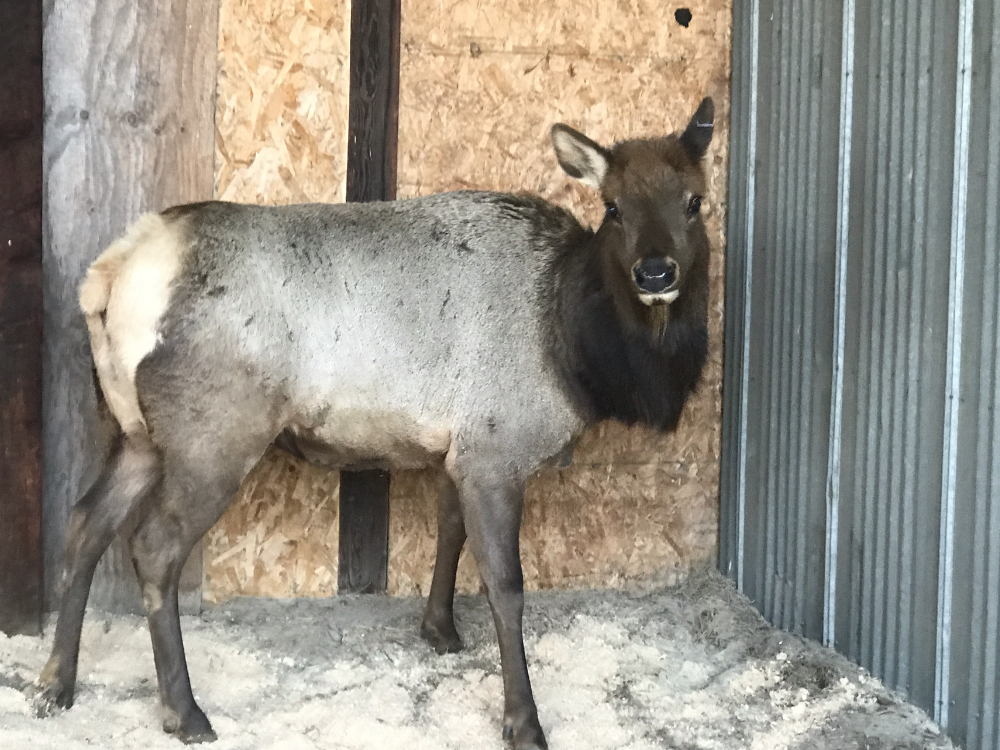
Some elk live in zoos, private ranches, or wildlife parks. These animals are sometimes called “tame” because they let people feed or touch them. However, most facilities use strong safety measures.
Common Management Practices
- High fences (usually at least 8 feet/2.4 meters)
- Double gates to prevent escapes
- Warning signs for visitors
- Staff trained in animal handling and emergency response
- Limited contact, especially during rut or calving season
Most “tame” elk in these places are used to people but are not truly safe to handle. Handlers use tools like poles, shields, and protective barriers.
Practical tip: Never approach a captive elk without permission from staff. Even behind a fence, elk can hurt people by kicking or charging.
Elk As Pets: Myths And Risks
Some people dream of having an elk as a pet, but reality is very different from the fantasy. Elk do not bond with humans the way dogs or horses do. They can become bored, stressed, or aggressive in small spaces.
Why Elk Make Poor Pets
- They are too large for most backyards.
- They need a herd or they become lonely or anxious.
- Their diet is expensive and complex.
- They can damage property by rubbing antlers or digging.
- Veterinary care is specialized and costly.
Unusual insight: If an elk escapes, it can spread diseases to wild herds or become a traffic hazard. Escaped elk have caused car accidents and damaged crops in several regions.
Domestication Attempts: Why They Failed
Over the last 100 years, several countries have tried to domesticate elk for meat, milk, or velvet antlers. The results have been mixed at best.
| Country | Purpose | Success Level | Main Problems |
|---|---|---|---|
| New Zealand | Farming for venison | Moderate | Fence-breaking, disease, aggression |
| Russia | Antler velvet | Low | High handling risk, poor adaptation |
| USA/Canada | Ranching, tourism | Low | Legal restrictions, escapes |
Most domestication efforts stopped because elk kept their wild instincts. Even after several generations in captivity, they did not become truly tame or safe to handle.
The Science Of Elk Genetics And Domestication
Genetic studies show that animals like dogs or cows went through a long process of selection for traits like calmness and sociability. Elk have not experienced this selection. Their genes still favor alertness, quick flight, and strong reactions to danger.
Key fact: It takes hundreds or thousands of years for real domestication to happen. Changing the behavior of a few hand-raised elk does not change the whole species.
Alternatives To Taming Elk
If you admire elk and want to be close to them, there are safer and more ethical ways:
- Wildlife watching: Join a guided elk tour in national parks.
- Photography: Observe and photograph elk from a safe distance.
- Support conservation: Help groups that protect elk habitats.
- Learn from experts: Visit wildlife centers or read research from reputable sources like the Wikipedia elk page.
Summary: Can Elk Be Tamed?
Elk are fascinating animals, but their wild nature makes taming them very difficult. While individual elk can become used to humans—especially if raised from birth—they never become as calm or trainable as domestic animals. The risks, costs, and legal issues are high.
For most people, enjoying elk from a distance is the best choice.
Non-obvious takeaway: Even if you could tame one elk, it would not change the species. True domestication needs many generations, special breeding, and time.
Frequently Asked Questions
Can Elk Be Trained Like Horses?
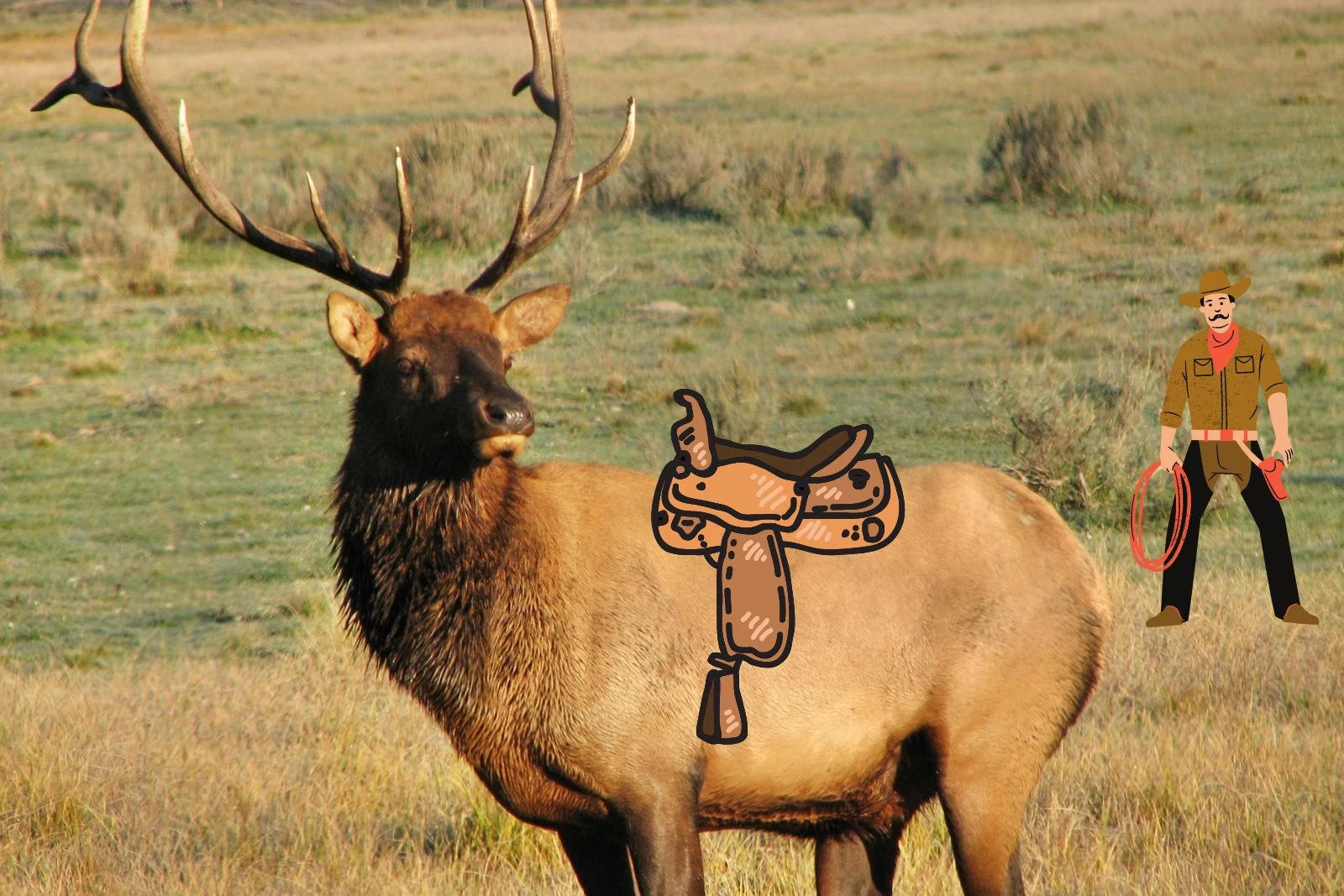
No. Elk are much less predictable and have stronger instincts to flee or fight. While some hand-raised elk may accept basic training, they cannot be ridden, driven, or used for farm work like horses.
Are Elk Dangerous To Humans?
Yes. Elk can injure or even kill people, especially during rutting season. Bulls may charge if they feel challenged, and cows can attack if they think their calves are threatened.
Do Elk Bond With Humans?
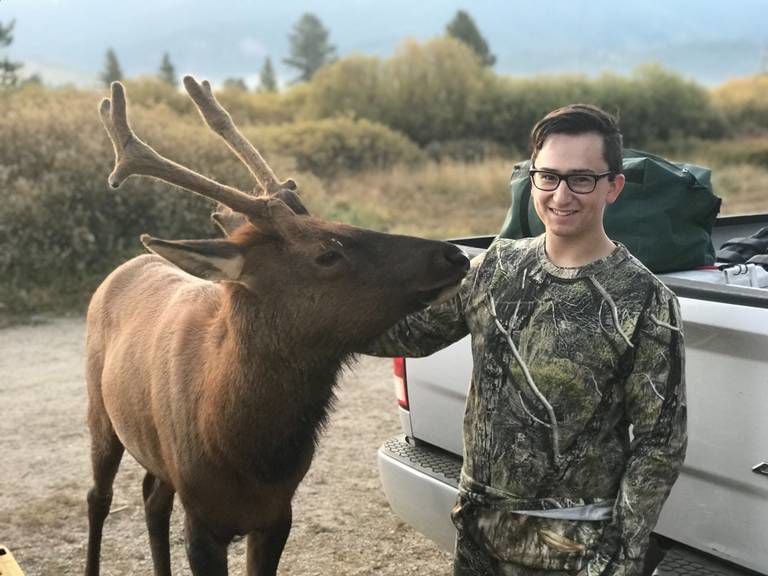
Elk may recognize and tolerate people who feed or care for them, but they do not form deep emotional bonds like dogs or even some horses do. Their trust is limited and can change quickly.
Is It Legal To Own An Elk?
Laws vary by country and state. In many places, keeping elk as pets is illegal or requires special permits. Always check local wildlife and farming regulations before considering elk ownership.
How Do Elk Behave In Captivity?
Elk in captivity are often less afraid of humans, but they keep most of their wild instincts. They may become bored, stressed, or aggressive if not managed properly. Good facilities use strong fences and safety protocols to protect both elk and people.
Elk are best appreciated as wild animals—beautiful, powerful, and free. Their true nature makes them a challenge to tame, and that’s part of what makes them so special.