
Elk are some of the most fascinating animals in North America. Their massive size and beautiful antlers attract many wildlife lovers, but it’s their variety of sounds that often surprise people. Elk do not just make noise for fun; every sound has a purpose. From bugles echoing through autumn forests to sharp barks of warning, elk use their voices to survive and thrive. Understanding elk sounds can help you spot them in the wild, know what they are feeling, or even avoid danger if you live near their habitat.
Let’s explore what each elk sound means, why they make these noises, and how you can tell them apart. This knowledge is useful for hikers, hunters, nature photographers, and anyone who wants to connect more deeply with wildlife.
Why Do Elk Make Sounds?
Elk are social animals that live in groups called herds. Communication is key for their survival. They use sounds to:
- Attract mates
- Warn of danger
- Keep the herd together
- Show dominance
- Express stress or pain
Each sound is shaped by the elk’s age, gender, season, and situation. For example, bulls (male elk) are more vocal during the fall mating season, while cows (female elk) communicate with their calves year-round.
The Main Types Of Elk Sounds
Elk have a rich “language” with several distinct noises. Here are the most important elk sounds and what they mean:
1. Bugle
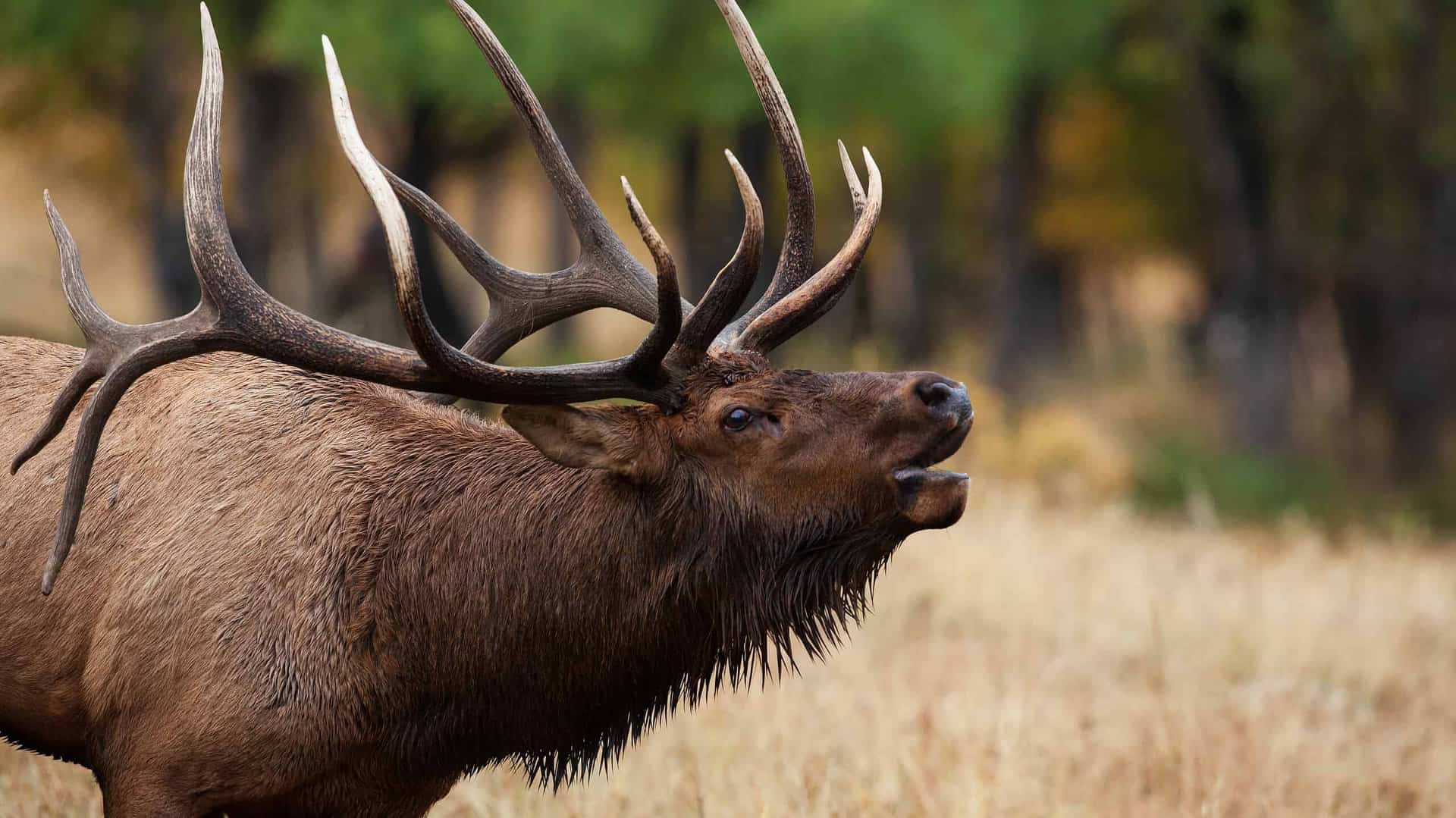
The elk bugle is the most famous sound. It is a loud, high-pitched call that can carry for miles. Bulls bugle mostly in the fall, during the rut (mating season).
- Purpose: To attract females and challenge other males.
- What It Means: The bull is announcing his strength and territory. A longer, louder bugle usually means a bigger, healthier bull.
- Extra Insight: Bugling can include grunts and chuckles at the end. Older bulls often have deeper, more complex bugles.
2. Chirp
Elk cows and calves often make a chirp or short, high-pitched note.
- Purpose: To keep in contact with each other, especially in thick forests.
- What It Means: “I’m here” or “Come to me.” Calves use a softer, quieter chirp to talk to their mothers.
- Non-Obvious Point: Hunters sometimes mistake chirps for bird calls, but elk chirps are usually sharper.
3. Bark
The bark is a sharp, loud sound. It is not a friendly greeting.
- Purpose: To warn the herd of danger.
- What It Means: “Watch out!” or “Something is wrong.” Other elk usually freeze or run away after hearing a bark.
- Practical Example: If you hear a bark while hiking, you are probably very close to a herd, and they have noticed you.
4. Grunt
Bulls make a deep grunt as part of their bugle or when approaching females.
- Purpose: To show dominance or excitement.
- What It Means: The bull is ready to fight or mate.
- Comparison: Elk grunts are deeper than the grunts of deer or moose.
5. Mew
A mew is a soft, cat-like sound made mostly by cows and calves.
- Purpose: Gentle communication within the herd.
- What It Means: “Stay close,” “Follow me,” or “I need help.”
- Extra Note: A lost calf’s mew is louder and more urgent.
6. Whine
Both cows and calves can whine when they are distressed.
- Purpose: To signal discomfort, hunger, or fear.
- What It Means: “Something is wrong,” or “I need attention.”
- Wildlife Tip: Whining is common when calves are separated from their mothers.
7. Scream
Very rare and intense, a scream is sometimes heard during fights or when an elk is injured.
- Purpose: Extreme distress or pain.
- What It Means: Immediate danger or injury.
- Safety Note: If you hear this, keep your distance. An elk in pain can be unpredictable.
8. Chuckle
At the end of a bugle, bulls often add a chuckle—a series of quick, low sounds.
- Purpose: To show confidence or to mock rivals.
- What It Means: The bull is saying, “I’m strong and not afraid.”
- Field Observation: The chuckle is a good clue for finding big, dominant bulls during the rut.

How Elk Sounds Change By Season
Elk are not equally noisy all year. Here is a look at how their vocal activity shifts with the seasons:
| Season | Main Sounds | Purpose |
|---|---|---|
| Spring | Chirps, mews, soft grunts | Mother-calf bonding, herd movement |
| Summer | Chirps, mews | Keeping herd together, caring for young |
| Fall (Rut) | Bugle, grunt, chuckle, bark | Mating, dominance, territory, warnings |
| Winter | Low vocal activity, soft mews | Staying together, low stress |
Key Insight: The fall rut is the noisiest time. If you want to hear elk bugling, visit their habitats from September to early October.
How To Tell Elk Sounds Apart
To recognize elk sounds, pay attention to:
- Pitch: Bugles are high; grunts are low.
- Length: Bugles last several seconds; chirps and barks are short.
- Pattern: Bugles rise and fall, often ending in a chuckle. Mews are simple and soft.
Here’s a side-by-side comparison of the most common elk sounds:
| Sound | Who Makes It? | When? | Meaning |
|---|---|---|---|
| Bugle | Bull | Fall (Rut) | Mating, dominance |
| Chirp | Cow, calf | All year | Contact, location |
| Bark | Bull, cow | Anytime | Warning, alarm |
| Grunt | Bull | Fall | Excitement, readiness |
| Mew | Cow, calf | All year | Gentle contact |

What Influences Elk Vocalizations?
Several factors affect how often and how loudly elk make sounds:
Group Size
Larger herds are noisier. More animals mean more communication to keep everyone together.
Time Of Day
Elk are most vocal at dawn and dusk. These are active feeding and moving times.
Human Activity
Elk may become quieter in areas with many people or hunters. In protected parks, they are often bolder and louder.
Weather
Cold, clear mornings help sounds travel farther. Wind and rain can muffle elk calls.
Non-Obvious Tip: In thick forests, elk use higher-pitched sounds like chirps and mews, which cut through the trees better than low rumbles.
What Do Elk Sounds Mean For Humans?
If you hear elk sounds, what should you do? Here’s how understanding their calls can help you:
- Wildlife Watching: Bugling and mewing help you find and watch elk without startling them.
- Safety: A bark means elk are alarmed. Give them space—they may charge if scared.
- Photography: Record the rut for dramatic bugles and dominance displays.
- Hunting: Knowing the right call to imitate (bugle, mew, or bark) can attract or avoid elk.
Important: Never approach elk making warning or distress calls. They are unpredictable during these moments.
Elk Sounds Versus Other Animals
Elk are not the only animals making strange noises in the woods. Here is how elk bugles compare with other big mammals:
| Animal | Main Call | Pitch | Season | Purpose |
|---|---|---|---|---|
| Elk | Bugle | High | Fall | Mating, dominance |
| Moose | Grunt, bellow | Low | Fall | Mating |
| Deer | Bawl, grunt | Medium | Fall | Mating, warning |
Extra Insight: Elk bugles can be confused with coyote howls from a distance, but coyote calls are shorter and more yappy.
How Scientists Study Elk Sounds
Wildlife biologists use special equipment to record and analyze elk vocalizations. They look for:
- Differences in calls between regions or herds
- How elk respond to human-made sounds
- The impact of climate and habitat changes on elk communication
One well-known study published by the National Park Service showed that bugling can attract not just female elk but also rival males and even predators. This means bugling is risky but necessary for bulls who want to breed.
For those who want more technical information, the Wikipedia page on elk offers a detailed overview of their behavior.
Frequently Asked Questions
What Time Of Year Are Elk Most Vocal?
Elk are loudest in September and October, during the rut. Bulls bugle to attract females and warn off other males. Outside the rut, elk are much quieter, using mostly chirps and mews.
Can Humans Imitate Elk Sounds?
Yes, many hunters and wildlife lovers use elk calls—tools that mimic bugles, mews, or grunts. Good imitation takes practice. Poorly done calls can scare elk away instead of attracting them.
Are Elk Sounds Dangerous For People?
Most elk sounds are not dangerous, but a bark or scream means the animals are alarmed or in distress. If you hear these, keep your distance. Bulls during the rut can be aggressive.
Do Female Elk Bugle?
Usually, only bulls bugle, especially during mating season. Female elk (cows) mostly use softer sounds like chirps, mews, and occasional barks.
How Far Can An Elk Bugle Be Heard?
On a clear, still morning, a bugle can travel over a mile. Weather, terrain, and forest density all affect how far the sound goes.
Elk sounds are a window into their world. By listening and learning, you not only enjoy nature more but also understand these amazing creatures on a deeper level. Their voices speak of wildness, survival, and the changing rhythms of the forest—if you know how to listen.