
Elk are among the most majestic animals in North America and parts of Asia. Their large size, impressive antlers, and social nature make them a favorite subject for wildlife enthusiasts. But living in the wild also means facing many dangers.
Elk must be alert to survive, especially from predators that hunt them for food. Understanding the predators of elk is important for wildlife conservation, hunting management, and simply for appreciating how nature works.
In this article, you’ll discover which animals hunt elk, how they do it, and what makes elk vulnerable. You’ll also learn how elk defend themselves and how their predators influence elk populations. Whether you’re a student, wildlife lover, or just curious, this deep dive will give you a clearer view of the challenges elk face in their natural world.
Main Predators Of Elk
Elk have several natural enemies. Some are large and powerful, while others use teamwork or special tactics to hunt. Let’s explore the main predators of elk, how they hunt, and which elk are most at risk.
1. Gray Wolves
Gray wolves are one of the most important predators of elk, especially in North America. Wolves are social hunters, living and hunting in packs. This teamwork allows them to take down large prey like elk, even though a single wolf is smaller than an adult elk.
Wolves often target calves (young elk) or weak adults. They chase their prey, using stamina and intelligence to separate elk from the safety of the herd. Wolves can run for many miles, tiring out their target before making the final attack. Studies in Yellowstone National Park show that wolves play a key role in controlling elk populations, which helps balance the ecosystem.
A surprising fact is that wolves rarely kill healthy adult bull elk during the rut (mating season). Bulls are strong and aggressive at this time, so wolves usually go for cows (females) or young elk instead.
2. Cougars (mountain Lions)
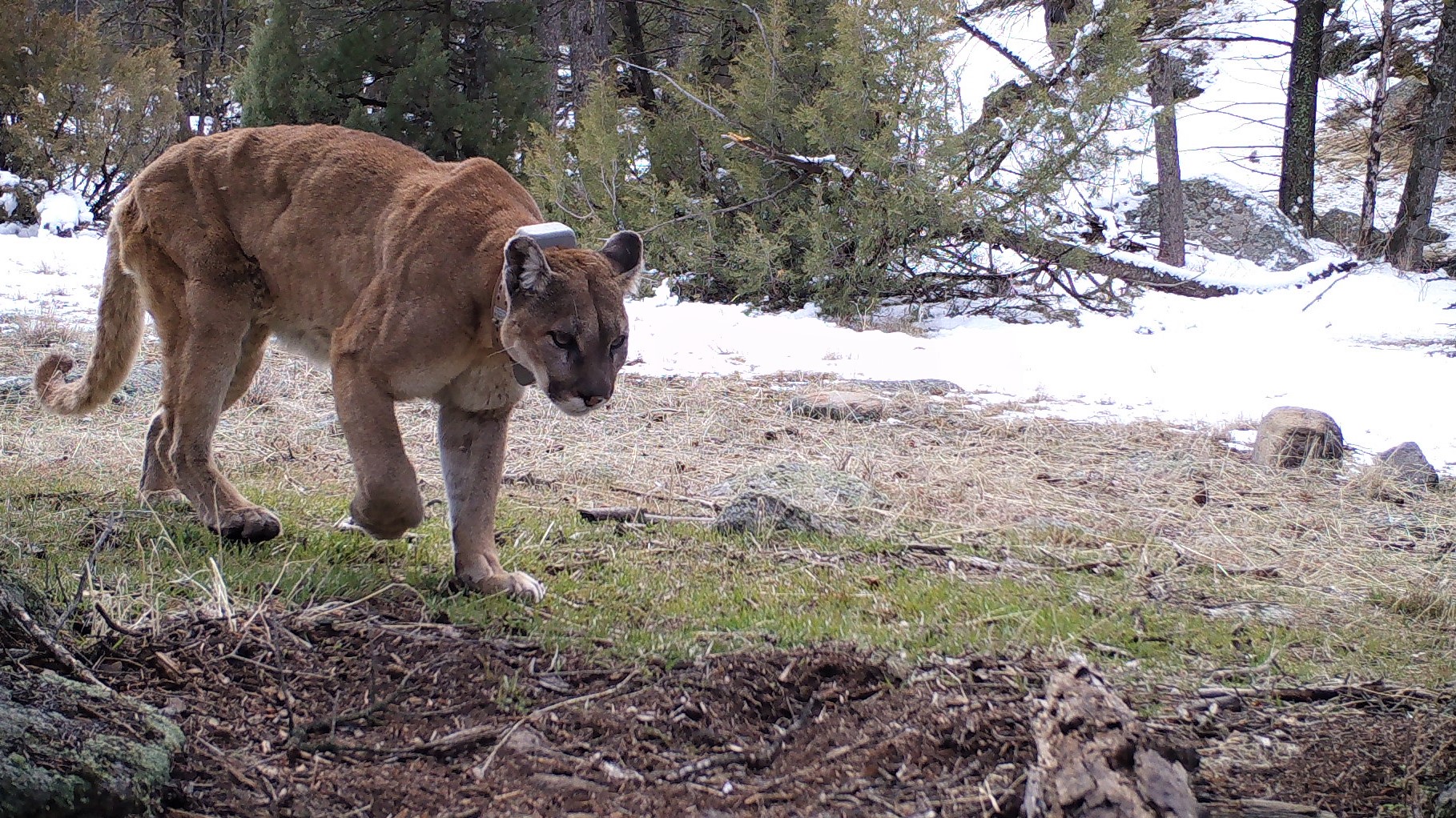
The cougar (also called mountain lion or puma) is a silent, powerful predator. Unlike wolves, cougars hunt alone. They rely on stealth, stalking their prey quietly before a sudden, powerful leap.
Cougars often hunt elk in forested or mountainous areas, where cover helps them get close. They usually ambush elk from behind or above, aiming for the neck or throat. While cougars can take down adult elk, they mostly target calves or elk weakened by age, injury, or deep snow.
Research shows that in some western US states, cougars are responsible for 15-30% of elk calf deaths each year. This makes them a significant threat, especially in areas where wolves are not present.
3. Grizzly Bears
Grizzly bears are not regular hunters of adult elk, but they are powerful enough to kill one if the chance comes. Grizzlies often hunt elk calves in the spring, just after they are born. At this time, calves are small and easy to catch.
Grizzlies sometimes chase elk off their kills or steal fresh wolf kills (a behavior called “kleptoparasitism”). In some regions, grizzly bears are known to kill up to 40% of all elk calves born in a season.
An insight many people miss: Grizzly predation on elk calves is highest when elk give birth in open meadows, where hiding places are few. Calving in thick brush or forest can help calves escape detection.
4. Black Bears
Black bears also prey on elk, mainly calves. Their hunting style is less aggressive than grizzlies, but they are skilled at finding hidden calves during the first few weeks of life. Black bears use their keen sense of smell to locate calves that are left alone while their mothers feed.
In areas with many black bears, elk calf survival can drop below 50%. This is especially true in the Rocky Mountains, where black bears are common.
5. Coyotes
While coyotes are too small to kill adult elk, they are effective predators of elk calves, especially in the first days or weeks after birth. Coyotes often work alone or in pairs, using their sharp hearing and smell to find hidden calves.
Coyotes are opportunistic—meaning they will hunt calves if the chance comes but also eat small animals, birds, or carrion. In some parts of the United States, coyotes are the main predator of elk calves.
6. Brown Bears (eurasian)
In Eurasia, the brown bear fills a similar role to the North American grizzly. Brown bears hunt elk (called red deer in Europe and Asia) calves in spring and sometimes take down weak adults. Like grizzlies, brown bears often use their size and power rather than stealth or speed.
Calf predation by brown bears can have a big impact on elk populations in areas like Russia and Scandinavia.
7. Humans
Humans are the most significant predator of elk in many regions. Hunting by people has shaped elk populations for centuries. Regulated hunting helps manage elk numbers and funds conservation efforts, but unregulated or illegal hunting can cause steep declines.
Modern hunters use firearms or bows and usually target adult males (bulls) for their antlers or meat. In some places, hunting pressure can be higher than natural predation.
8. Wolves In Eurasia
In Eurasia, gray wolves also hunt elk (red deer). Their hunting style and impact are similar to North American wolves. In parts of Russia and Eastern Europe, wolves are the top predator, and their numbers directly affect elk populations.
A detail that’s often missed: In snowy winters, Eurasian wolves can hunt more successfully because elk have trouble moving in deep snow.
9. Golden Eagles
It might surprise you, but golden eagles can be predators of elk calves. This usually happens in open areas of Asia and North America. Eagles use their powerful talons to grab very young calves, especially in the first few days after birth.
Though rare, this predation is well-documented in places like Mongolia and Alaska.
10. Scavengers And Secondary Predators
While not primary hunters, animals like bobcats, wolverines, and even ravens may attack very young or injured elk calves. More often, they scavenge on elk killed by other predators or found dead.
How Elk Defend Themselves
Elk are not helpless. They have several ways to avoid becoming prey.
- Herd behavior: Elk often stay in groups, especially during calving season. Many eyes and ears help spot danger early.
- Speed and stamina: Elk can run up to 45 miles per hour for short bursts. They are also excellent swimmers.
- Kicking and antlers: Adult elk, especially males, can use their powerful kicks or sharp antlers to defend themselves. Some wolves and cougars are injured or killed by desperate elk fighting back.
- Hiding calves: Female elk often leave their calves hidden and scentless for the first weeks of life, making them hard for predators to find.
A common mistake: People often believe elk calves are abandoned when found alone. In reality, their mothers are usually nearby, watching and waiting.
Impact Of Predators On Elk Populations
Predators do more than just kill individual elk. They shape the whole population and even the landscape.
Population Control
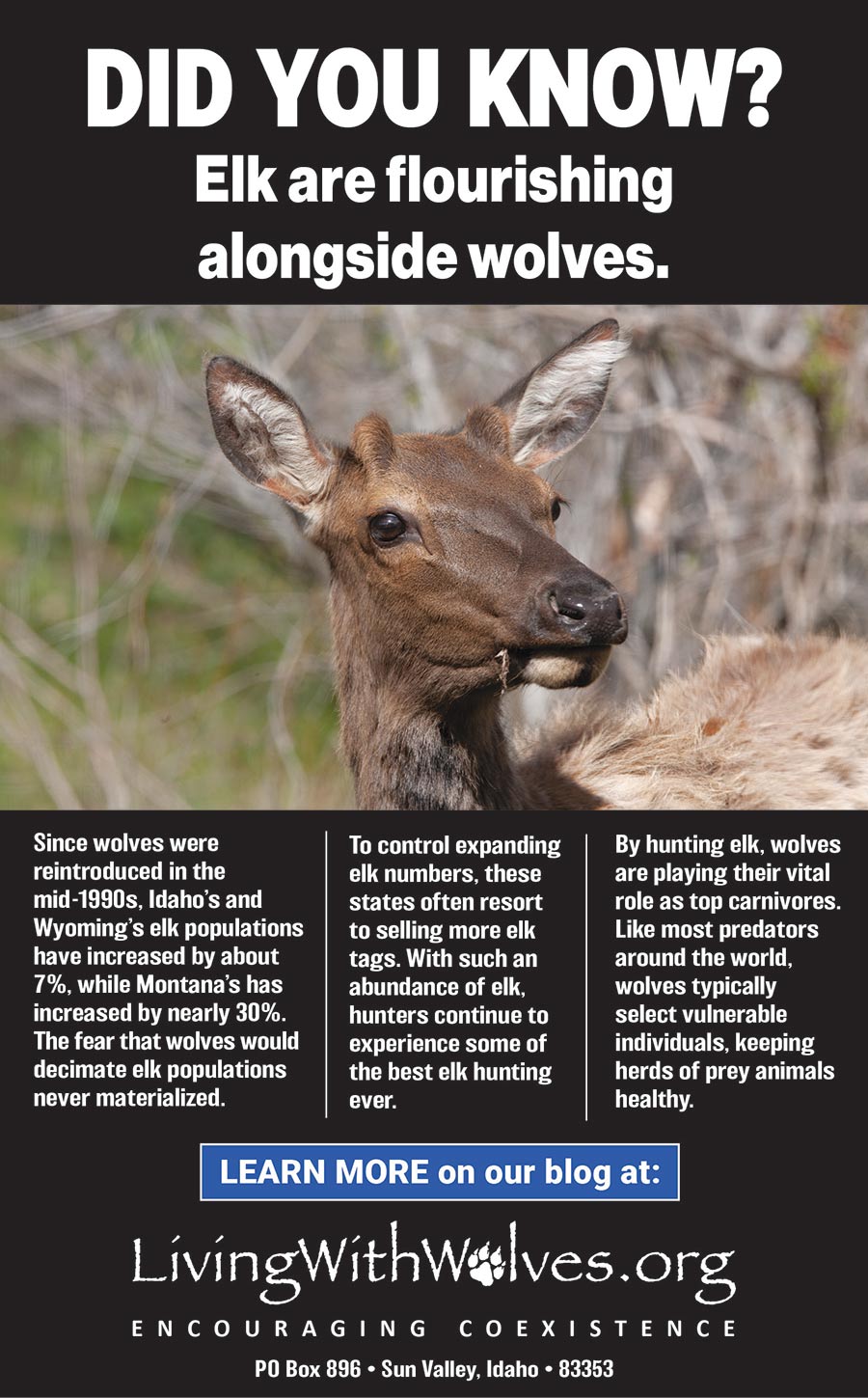
Predators help keep elk numbers in balance. Without wolves or bears, elk can become overpopulated, leading to overgrazing and damage to forests. This effect was seen in Yellowstone before wolves were reintroduced.
After wolves returned, as shown in this Wikipedia article, elk numbers dropped, and plant life recovered. This is called a trophic cascade—when a top predator helps the whole ecosystem.
Healthier Herds
Predators often target the weak, sick, or old elk. This “culling” removes unhealthy animals, making the herd stronger and less likely to spread disease.
Calving Success
In years with high predation, fewer calves survive, which can limit herd growth. However, elk often adapt by changing where and when they give birth, showing nature’s balance.
Human-wildlife Conflict
As humans expand into elk habitat, conflict can rise. Ranchers may lose cattle to wolves or bears, and sometimes blame predators for drops in elk numbers, even when other factors (like drought or disease) are at play.
Wildlife managers use hunting, tracking collars, and education to balance the needs of elk, predators, and people.
Comparison Of Elk Predators
To show how these predators compare, here’s a table summarizing their hunting style, target elk, and regional importance:
| Predator | Hunting Style | Most Common Prey | Main Regions |
|---|---|---|---|
| Gray Wolf | Packs, chase and stamina | Calves, weak adults | North America, Eurasia |
| Cougar | Solitary, ambush | Calves, lone adults | North America |
| Grizzly Bear | Opportunistic, power | Calves | North America |
| Human | Tools, weapons | Adults (bulls) | Worldwide |
Elk Calf Survival Rates With And Without Major Predators
Elk calf survival varies greatly depending on predator presence. Here’s a simplified comparison:
| Predator Presence | Calf Survival Rate (%) | Notes |
|---|---|---|
| No Major Predators | 70-80% | Mainly disease, starvation |
| Wolves Present | 40-60% | Wolves target weak or hidden calves |
| Bears Present | 30-50% | High predation in spring |
Lesser-known Insights
Most people know about wolves and bears, but here are two less obvious points:
- Predator presence changes elk behavior. Elk in areas with many wolves or cougars spend more time in dense forest and less time feeding in open meadows. This reduces their risk but also limits food intake.
- Predators influence elk antler size. In areas with heavy hunting by humans (who target large-antlered bulls), average antler size can shrink over generations because genes for big antlers are removed from the population.
Frequently Asked Questions
What Is The Most Dangerous Predator For Elk?
Gray wolves are considered the most effective natural predator of elk, especially in North America. They hunt in packs and can take down both young and adult elk.
Do Bears Hunt Elk?
Yes, both grizzly bears and black bears prey on elk, mainly calves. Grizzlies can sometimes kill adult elk, but this is less common.
Can A Cougar Kill A Full-grown Elk?
A cougar can kill an adult elk, usually by ambush. However, cougars prefer to hunt calves or elk that are sick or alone, as adult elk are large and can be dangerous.
Do Humans Affect Elk More Than Other Predators?
In many regions, human hunting has a greater impact on elk populations than natural predators. This is especially true where there are few wolves or bears.
How Do Elk Protect Their Young From Predators?
Elk mothers hide their calves in tall grass or brush and visit only to feed them. Calves stay very still and have little scent, making them hard for predators to find.
Elk face many dangers in the wild, but their story is one of survival and adaptation. By understanding their predators, we can better protect these incredible animals and the balance of nature they help support.