
Elk are one of the most iconic animals in North America and Eurasia. Their large antlers, strong bodies, and social groups make them impressive to watch. But elk are also prey for animals like wolves, bears, and mountain lions. How do such big animals survive in a world full of predators?
The answer is a mix of sharp senses, clever strategies, and teamwork. If you’ve ever wondered how elk avoid predators and keep their herds safe, this article will guide you through their fascinating survival secrets.
The Main Predators Of Elk
To understand how elk avoid danger, it helps to know who their main threats are. In North America, the top predators are wolves, mountain lions, grizzly bears, and sometimes coyotes (especially for young calves). In Eurasia, they face brown bears, wolves, and lynxes. Each predator uses different hunting styles, so elk must stay alert to many types of attacks.
For example, wolves hunt in groups and try to separate weak elk from the herd. Mountain lions prefer to ambush, leaping from cover. Bears may chase or surprise elk at water sources. This means elk need a range of defenses, not just one.
Highly Developed Senses
Elk rely on their senses to spot threats early. Their eyes are on the sides of their heads, giving them a wide field of view—about 300 degrees. This lets them see movement from almost any direction. Their night vision is also strong, helping them spot predators at dawn or dusk, when many attacks happen.
Hearing is another key defense. Elk have large, movable ears that can pick up faint sounds. They often rotate their ears to focus on different directions, listening for the snap of a twig or the soft footsteps of a stalking predator.
Elk also trust their sense of smell. Their noses are sensitive enough to detect the scent of wolves or bears carried by the wind. A sudden, strange smell can cause a whole herd to freeze or run.
Group Living: Safety In Numbers
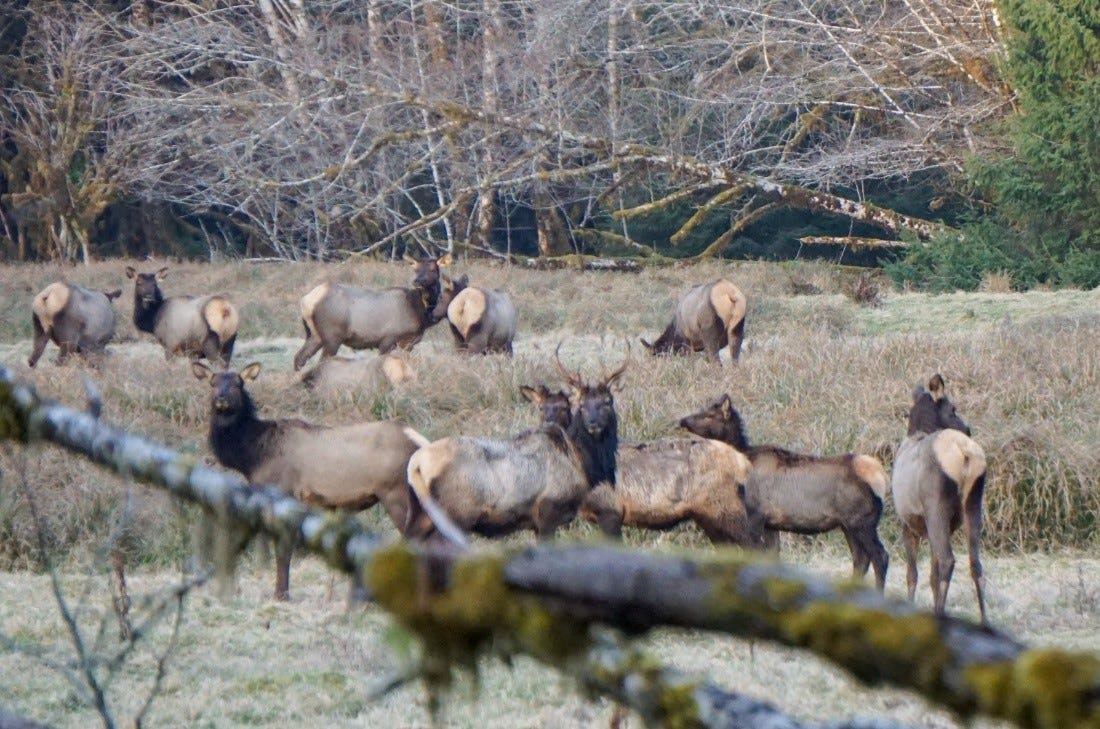
One of the best defenses elk have is their tendency to live in herds. Most elk, especially females and their young, travel in groups of 10-50. In winter, herds can grow to over 200. Why is this helpful?
- Many eyes and ears: More elk means more senses alert for danger. If one elk notices a threat, it can warn the rest.
- Confusion effect: When a predator attacks, a herd may scatter in all directions. This confuses the predator, making it hard to focus on one target.
- Protecting the young: Calves are at high risk. Herds often place them in the center, with adults around them for safety.
- Coordinated defense: Sometimes, strong elk will stand their ground together, using their hooves and antlers as weapons.
Living in groups does have costs, like sharing food, but the safety advantages are clear.
Vigilance: Constant Watchfulness
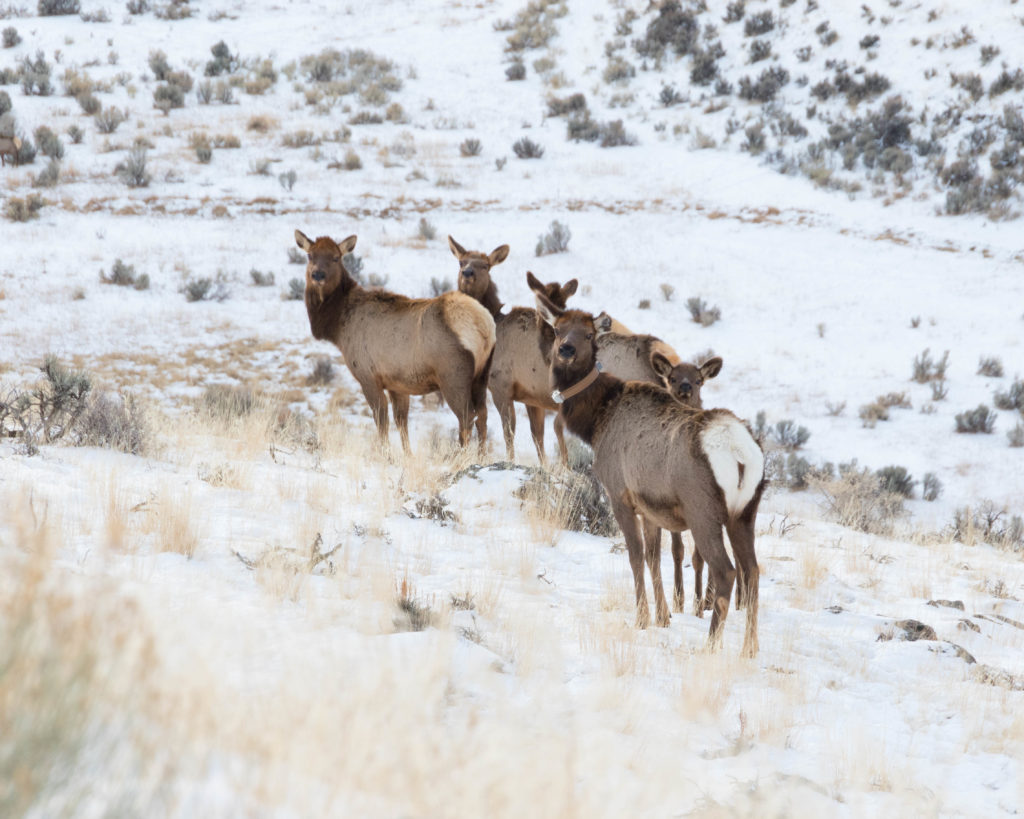
Elk spend much of their day feeding, but they rarely relax fully. Even while eating, elk lift their heads often to scan for threats. This behavior is called vigilance.
One study found that elk in Yellowstone National Park look up from grazing every 15-30 seconds, especially when wolves are near. In smaller groups or in open areas, each elk must be more alert. In larger herds, individuals can spend more time eating, because others are watching.
Vigilance is not just about looking and listening. Elk also notice the behavior of other animals—birds flying away, squirrels giving alarm calls, or other elk acting nervous.
Alarm Calls And Communication
When elk spot danger, they use alarm calls—loud, sharp sounds that alert the group. These calls can vary in pitch and length depending on the threat.
A mother elk will bark to warn her calf, while a bull may bugle to gather females or challenge other males. During calving season, cows use quieter calls to avoid drawing attention from predators but still communicate with their young.
Elk also use body language. A raised head, ears forward, or a tail held high can signal others to be alert or prepare to flee.
Flight: Running For Safety
If a predator is too close, elk use their speed and stamina. Elk can run up to 45 miles per hour (about 72 km/h) for short bursts. They are also strong swimmers, able to cross rivers and lakes to escape.
Unlike deer, elk rarely jump high fences. Instead, they use their power to crash through brush or take long leaps over logs and obstacles. Calves as young as a few weeks old can run surprisingly fast, but they are still the most vulnerable members.
Elk often choose to run uphill if attacked. This uses their strength and makes it harder for predators like wolves, which tire more quickly on steep ground.

Habitat Selection And Movement Patterns
Elk are smart about where they spend their time. They prefer open meadows and grasslands for feeding, but stay near forests or thick cover for escape. At night or during calving season, elk move into denser forests where they are harder to see.
In areas with many predators, elk may change their daily routines. For example, in Yellowstone, elk started feeding more during the day and resting at night after wolves were reintroduced, because wolves hunt more at dawn and dusk.
Elk also use landscape features for protection. They may choose riverbanks, rocky slopes, or thick willows, which slow down predators and provide hiding spots.
Seasonal Changes In Behavior
Elk adjust their strategies depending on the season. In spring and early summer, when calves are born, females separate from the herd and hide their young in tall grass or shrubs. Calves are born with no scent for the first few days, making them harder for predators to find.
In fall, when bulls compete for mates, they become more aggressive. Bulls may use their antlers to fight off predators or defend their group. In winter, elk form larger herds and travel to lower elevations with less snow, where it’s harder for wolves to hunt.
Using Water As A Barrier
Water is an important tool for elk. They are strong swimmers and often cross rivers to escape danger. If chased, a group of elk may enter a lake or wide river, where predators like wolves and bears are less likely to follow.
Elk also use water to avoid insects, which can spread disease or weaken them, making them easier prey.
Defensive Aggression
Sometimes, elk fight back. Large bulls have sharp antlers and are not afraid to use them. Even cows will kick or charge if their calves are threatened.
Predators know that attacking a healthy adult elk can be risky. Wolves have been injured or killed by elk hooves and antlers. This means predators often look for weak, old, or young elk, rather than challenging a strong adult.
Learning And Memory
Elk are not just reacting in the moment—they also learn from experience. Young elk watch adults and learn which areas are safe or dangerous. They remember where predators have attacked before and may avoid those spots in the future.
Some elk even change their migration routes if they face too many dangers along the way. This ability to adapt helps herds survive in changing environments.
Human Impact On Predator Avoidance
Humans can change how elk avoid predators. In areas with roads, fences, or hunting, elk may become more nervous or change their movement patterns. Some elk use human activity to their advantage, staying close to towns where predators are less likely to follow.
However, this can also lead to problems. Elk that lose their fear of humans may be hit by cars, damage crops, or become targets for hunters.
Data: Elk Survival Strategies Vs. Predator Success
Understanding which strategies work best can be seen in studies comparing elk survival in different areas. Here is a comparison of elk survival rates based on predator presence:
| Elk Habitat | Main Predator | Calf Survival Rate (%) | Adult Survival Rate (%) |
|---|---|---|---|
| Yellowstone (high wolves) | Wolves | 60 | 85 |
| Rocky Mountains (few predators) | Coyotes/Bears | 80 | 92 |
| Pacific Northwest (mixed predators) | Wolves/Bears | 70 | 89 |
This table shows that elk in areas with more predators have lower survival rates, especially for calves. However, adult elk still survive well thanks to their defensive strategies.
Comparison: Elk Vs. Deer Predator Avoidance
How do elk compare to other large herbivores like deer in avoiding predators? Here’s a quick comparison:
| Strategy | Elk | Deer |
|---|---|---|
| Group Size | Large herds | Small groups or solo |
| Alarm Calls | Frequent, loud | Less common |
| Defensive Aggression | High (bulls fight predators) | Low (rarely fight back) |
| Habitat Use | Open + forest edges | Prefer thick cover |
Elk’s larger groups and aggressive defense set them apart from deer, who rely more on hiding and solo escapes.
Non-obvious Insights About Elk Survival
- Landscape memory: Elk remember not only where predators attack, but also which escape routes worked. This “map” of safe paths is passed down through generations.
- Predator response changes: When new predators move in (like wolves returning to Yellowstone), elk adjust their daily routines within months, not years. This fast learning is key to survival.
Final Thoughts
Elk are not just big and strong—they are smart survivors. Their ability to sense danger, work together, and adapt to changing threats is why they have lived in wild places for thousands of years. Watching elk move across a meadow or hearing their alarm calls in the forest is a reminder of nature’s balance between predator and prey. If you want to learn more about elk behavior, consider visiting places like Yellowstone or reading research from wildlife experts, such as those shared on the National Park Service.
Frequently Asked Questions
How Do Elk Warn Each Other Of Danger?
Elk use alarm calls—short, loud sounds that alert the herd. They also use body language, like raising their heads or flicking their tails, to signal nearby elk.
Are Elk Calves More At Risk From Predators?
Yes, calves are the most vulnerable, especially in the first few weeks of life. Herds protect calves by keeping them in the center, and mothers hide newborns in tall grass to avoid detection.
Do Elk Always Run From Predators?
Not always. If escape is impossible, elk (especially bulls) may use their antlers or hooves to defend themselves. This can sometimes injure or even kill predators.
How Do Elk Choose Safe Places To Live?
Elk pick areas with good food and nearby cover, like forests or thick brush. They also remember where attacks have happened before and may avoid those spots in the future.
Can Elk Swim To Escape Predators?
Yes, elk are strong swimmers and will cross rivers or lakes to get away from danger. Predators like wolves and bears are less likely to follow them into deep water.
Elk survival is a fascinating mix of instinct, teamwork, and adaptation. By understanding these strategies, we can better appreciate how these animals thrive in the wild.