Watching elk in the wild is a powerful experience. These large, majestic animals move quietly across forests and valleys, sometimes gathering in groups of hundreds. People travel from all over the world to see elk in their natural home. But to do it well, you need more than just luck.
You need the right time, the best places, and a good understanding of elk behavior. If you want to see elk and respect their world, this guide will help you prepare for a safe and memorable adventure.
Understanding Elk: The Basics
Before you go, it helps to know about elk behavior. Elk are one of the largest members of the deer family. A male elk, called a bull, can weigh up to 700 pounds (320 kg). Females, called cows, are smaller. Elk eat grasses and plants, mostly in open meadows and forest edges.
Elk are most active in early morning and late evening. They move to find food, water, and safety. During the day, elk often rest in thick cover to avoid predators and people. Bulls grow large antlers each year, dropping them in late winter and regrowing them by summer.
The rut (mating season) in fall is a special time. Bulls bugle — a loud, high-pitched call — to attract females and warn other males. The sound can echo for miles.
Where To Watch Elk In The Wild
To see elk, you need to go where they live. Here are some top places in North America:
1. Yellowstone National Park (wyoming, Montana, Idaho)
Home to over 10,000 elk, Yellowstone offers some of the best viewing. Look for herds in the Lamar and Hayden Valleys, especially at dawn or dusk.
2. Rocky Mountain National Park (colorado)
More than 600 elk live here. Autumn is famous for rutting season, when bugling fills the air. Try Moraine Park or Horseshoe Park.
3. Great Smoky Mountains National Park (north Carolina, Tennessee)
Elk were reintroduced here. Cataloochee Valley is a hotspot for sightings.
4. Jasper National Park (alberta, Canada)
One of the largest elk populations in Canada. Open meadows along the main roads are good spots.
5. Banff National Park (alberta, Canada)
Elk often graze near the Banff townsite and along Bow Valley Parkway.
6. Elk Island National Park (alberta, Canada)
A protected area near Edmonton, with large herds and easy viewing.
7. Teton National Forest (wyoming)
Elk migrate through here each year. Winter brings them to the National Elk Refuge near Jackson.
8. Custer State Park (south Dakota)
Open hills and meadows attract elk, especially in early morning.
9. Blue River, Oregon
The Cascade Mountains are home to Roosevelt elk. Look for them in clear-cuts and meadows.
10. Land Between The Lakes National Recreation Area (kentucky, Tennessee)
Elk and bison roam free in this large, fenced area.
| Location | Best Time to Visit | Elk Population Estimate |
|---|---|---|
| Yellowstone NP | September–October | 10,000+ |
| Rocky Mountain NP | September–Early October | 600–800 |
| Jasper NP | September | 2,000+ |
Not all elk habitats are in parks. Some states have public lands and forest areas where elk roam. Always check local rules before you go.
Best Time To Watch Elk
Elk can be seen year-round, but some seasons are better than others.
- Fall (September–October): The rut is the most dramatic time. Bulls bugle and fight for mates. Elk are very active and easier to spot.
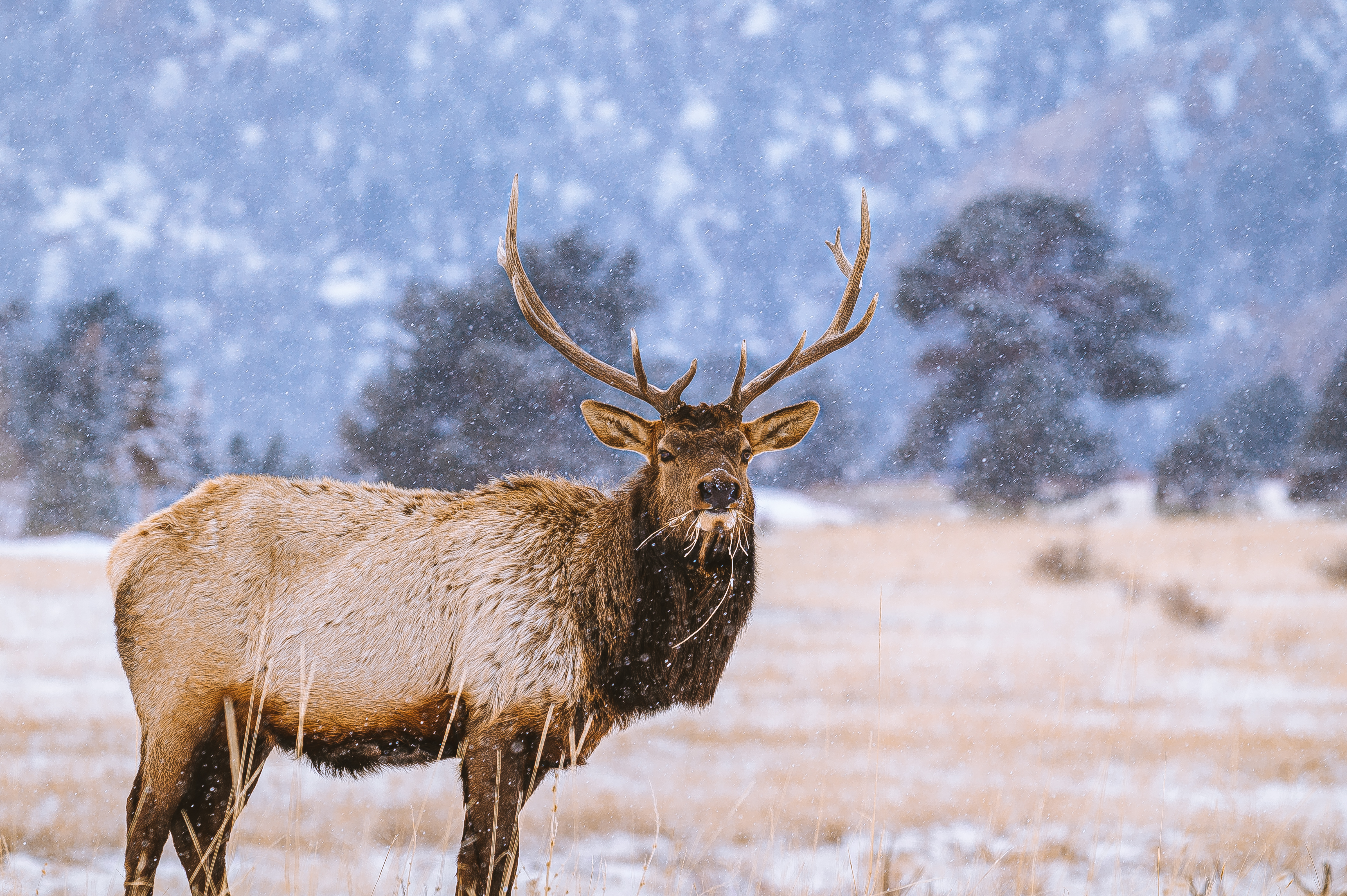
- Winter: Elk gather in herds at lower elevations for warmth and food. Snow makes them easier to see.
- Spring: Calves are born in late May or June. Elk may be harder to spot, as they often hide in thick cover.
- Summer: Elk move to higher ground for cool temperatures. Early morning and late evening are still best.
Elk avoid heat and human activity during midday, so plan your viewing when the light is soft and animals are feeding.
How To Prepare For Elk Watching
Going out to see elk is not like a trip to the zoo. You need to be ready for outdoor conditions and long hours.
What To Bring
- Binoculars: Essential for seeing elk from a distance. 8×42 or 10×42 models are popular.
- Camera with zoom lens: Elk are shy, so you often need a lens of 200mm or longer.
- Field guide: Helps you identify elk and other animals.
- Warm clothing: Temperatures can change quickly, especially in mountains.
- Sturdy shoes or boots: Many elk areas have uneven ground.
- Water and snacks: Some viewing areas are far from stores or facilities.
- Map or GPS: Cell service may be weak in remote places.
- Notebook: For recording sightings or behaviors.
Safety And Comfort
Always check the weather before you go. Carry rain gear and sunscreen. Let someone know your plans, especially if you hike alone. Some parks have bears, so consider carrying bear spray and knowing how to use it.
Tips For Successful Elk Watching
Seeing wild elk is about patience and respect. Here’s how to improve your chances:
1. Arrive Early Or Stay Late
Elk are crepuscular, which means they’re most active at dawn and dusk. Arriving before sunrise or staying until sunset gives you the best chance.
2. Stay Quiet And Move Slowly
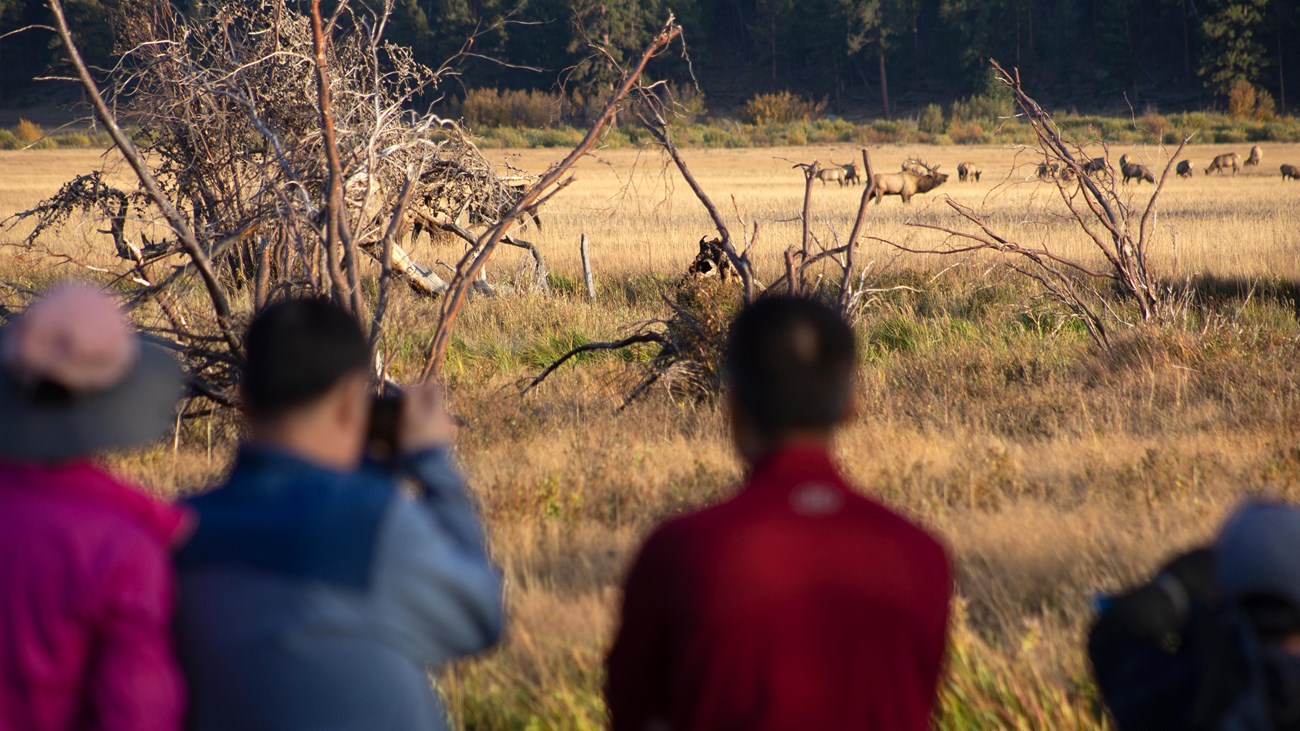
Elk have sharp hearing and smell. Loud noise or fast movement can scare them away.
3. Use Natural Cover
Trees, bushes, and rocks can hide you from elk. Avoid standing in the open.
4. Watch From A Distance
Give elk space. Use binoculars or a scope. If an elk changes its behavior because of you, you’re too close.
5. Look For Signs
Tracks, droppings, and chewed plants can tell you where elk have been.
6. Be Patient
Sometimes you wait hours for elk to appear. Bring something to read or drink.
7. Respect Other Wildlife
Elk areas often have bears, wolves, or moose. Stay alert.
8. Ask Park Rangers
Rangers know where elk are spotted recently. They can give tips and warnings.
9. Join A Guided Tour
Many parks offer ranger-led tours. These are great for beginners.
10. Don’t Feed Or Approach Elk
Elk are wild animals. Feeding them is dangerous for you and them.
| Elk Behavior | What to Do | What to Avoid |
|---|---|---|
| Grazing | Observe quietly from a distance | Getting close or making noise |
| Bugling | Listen and watch with respect | Trying to get closer for a better sound |
| Moving as a herd | Let them pass without blocking their path | Standing in their way |
Elk Watching Etiquette
Watching elk is a privilege. To protect these animals and their home:
- Stay on trails or roads where required
- Pack out all trash
- Keep pets leashed or leave them at home
- Follow all park and wildlife rules
- Share the space with other viewers
If you’re in your car, stay inside if elk are near the road. Never chase or corner elk.

What Not To Do
Many beginners make mistakes that can spoil the experience for everyone.
- Don’t run toward elk for photos. This stresses them and can be dangerous.
- Don’t call to elk or try to make them approach. Elk may charge if threatened.
- Don’t ignore warning signs. Parks post rules for your safety and the animals’ safety.
- Don’t feed elk. It makes them lose their fear of people and can lead to trouble.
The Unique Joys Of Elk Watching
Some moments are unforgettable: a bull’s bugle echoing at sunrise, a cow leading her calf across a misty meadow, or a herd moving silently through snow. Elk watching is not just about seeing animals — it’s about being part of nature, even for a short time.
Many people find that the more they learn about elk, the more they enjoy watching them. Understanding why elk do what they do adds depth to every sighting. You begin to notice small details: the way an elk raises its head to check the wind, how calves play together, or the tracks left behind in mud.
One insight beginners often miss is that elk behave differently in each season. In fall, they’re loud and bold. In spring, they’re quiet and shy. Adapting your approach helps you see more.
Another tip is to use all your senses. You might hear elk before you see them, especially in thick forests. Smelling fresh tracks or feeling the cold air can tell you elk are near.
Comparing Elk Watching To Other Wildlife Experiences
Elk watching is different from looking for deer or moose. Elk are more social and gather in bigger groups. Their bugling is unique among North American animals.
| Animal | Group Size | Best Viewing Season | Special Behavior |
|---|---|---|---|
| Elk | 10–100+ | Fall | Bugling, herd movement |
| Moose | 1–3 | Late spring | Solitary, rarely vocal |
| White-tailed deer | 2–10 | All year | Tail flagging, bounding escape |
Elk watching also teaches patience and humility. You can’t control nature, but you can enjoy the surprises it brings.
Frequently Asked Questions
What Is The Best Month To Watch Elk In The Wild?
September and October are the top months because of the rut. Bulls are active and bugling, and elk are easier to see.
How Close Can I Get To Elk Safely?
Stay at least 100 yards (90 meters) away. Use binoculars or a camera for a closer look. Getting too close is unsafe for both you and the elk.
Can I Watch Elk All Year Round?
Yes, but elk move with the seasons. Winter and fall offer the best viewing. In summer and spring, elk may be in higher or hidden areas.
What Equipment Is Most Important For Elk Watching?
Binoculars and a camera with a zoom lens are the top tools. Also bring warm clothes, sturdy boots, and a map or GPS.
Where Can I Learn More About Elk And Their Behavior?
Reliable information is found on sites like the National Park Service, which covers elk biology, safety, and viewing tips.
Elk watching is a gift for anyone who loves nature. With the right knowledge and respect, you can see these amazing animals in the wild and keep their world safe for the future.