
Can Elk Climb Mountains?
Elk are some of the most impressive animals in North America and parts of Eurasia. They stand tall, move gracefully, and are known for their huge antlers. But there is something many people wonder: Can elk climb mountains? If you have seen elk in pictures or on TV, you might think they live only in open fields or forests. The truth is much more interesting. Elk do not just survive in mountain areas—they thrive there. Understanding how elk handle steep, rough terrain can help us learn more about their behavior, strengths, and the wild places they call home.
Elk: Built For The Wild
Elk, also called wapiti, are among the largest deer species. Adult males can weigh up to 700 pounds (over 300 kg), while females are a bit lighter, usually about 500 pounds (225 kg). Despite their size, elk are very agile.
Their bodies are designed for moving long distances, but they are also strong enough to handle tough landscapes.
Their legs are long and muscular, which helps them climb steep hills, jump over obstacles, and run away from predators. The hooves of elk are split and tough, giving them good grip on rocky or uneven ground. These physical traits set elk apart from many other large mammals that might struggle on mountain slopes.
Natural Habitat: Where Elk Live
Elk are found in a wide range of habitats. In North America, they live in forests, grasslands, and especially in mountainous regions. In the Rocky Mountains, elk are a common sight. They also live in high mountain valleys and slopes in places like Colorado, Wyoming, Montana, and even parts of Canada.
In Asia, elk (known as red deer in some regions) can be found in the Altai and Sayan mountains, as well as in the Carpathians.
Why do elk spend so much time in these challenging areas? There are a few reasons:
- Safety from predators: Steep mountain slopes are harder for wolves and bears to navigate, giving elk a better chance to escape.
- Rich food sources: Mountain meadows and forests offer a mix of grasses, shrubs, and tree bark.
- Seasonal movement: Elk often move up and down mountains depending on the season, following the best food and weather.

Climbing Skills: How Elk Handle Mountains
Climbing a mountain is not easy, especially for a large animal. But elk have special skills and behaviors that help them do it:
1. Sure-footed Movement
Elk do not run straight up steep slopes. Instead, they zigzag, following natural paths called game trails. These paths often go across the slope, making the climb easier and safer. Their split hooves spread out on the ground, acting like natural climbing shoes.
This helps them avoid slipping, even on wet or loose rocks.
2. Powerful Legs And Strong Muscles
An elk’s legs are built for power and endurance. Muscles in their shoulders and hips let them push upward on steep ground. They can jump up to 8 feet high (about 2. 4 meters) if needed, which is useful for crossing fallen trees or boulders.
3. Flexible Joints
Elk joints are flexible and absorb shock. When going up or down slopes, this helps them keep balance and control their speed. Unlike horses or cows, elk can handle sudden changes in direction or surface without getting injured.
4. High Stamina
Elk can travel 10–20 miles (16–32 km) in a single day, often with large elevation changes. Their lungs and hearts are strong, giving them the stamina to climb mountains without getting tired quickly.
5. Adaptation To Weather
In high mountains, the weather can change fast. Elk have thick fur that keeps them warm, even in snow or cold wind. This lets them stay active and feed at higher elevations, where other animals might avoid.
Real Examples: Elk In Mountain Regions
There are many places where elk are commonly seen climbing steep mountains. Here are a few well-known examples:
- Rocky Mountain National Park (Colorado, USA): Thousands of elk live in this park, which has peaks over 12,000 feet (3,650 meters) high. In summer, elk move to the highest meadows to graze.
- Yellowstone National Park (Wyoming, Montana, Idaho, USA): Elk migrate up and down mountains to find food and avoid deep winter snow.
- Banff and Jasper (Alberta, Canada): Elk are often seen on mountain slopes, crossing rivers, and moving through forests.
In these areas, researchers have tracked elk using GPS collars. The data shows that elk routinely climb and descend thousands of feet in elevation each year.
Comparing Elk With Other Mountain Animals
You may wonder how elk compare to other animals that live in the mountains. Let’s look at a simple comparison:
| Animal | Max Slope Climbed | Body Weight | Climbing Adaptation |
|---|---|---|---|
| Elk | Up to 40° | 450-700 lbs | Split hooves, strong legs |
| Mountain Goat | Up to 60° | 100-300 lbs | Specialized hooves, light body |
| Bighorn Sheep | Up to 55° | 100-300 lbs | Rubbery hooves, agile |
| Moose | Up to 25° | 800-1,200 lbs | Large feet, prefers flat |
While elk are not as skilled as mountain goats or sheep on the steepest cliffs, they are still very capable climbers for their size.
Seasonal Migration: How Mountains Shape Elk Behavior
Elk do not stay in one place all year. They move up and down mountains with the seasons, a behavior called vertical migration.
Spring And Summer
In warmer months, elk go higher up the mountains. The snow melts, and fresh grass grows in meadows. There are fewer biting insects, and the cooler air is more comfortable. Calves are born in these high places, where there is less risk from predators.
Fall
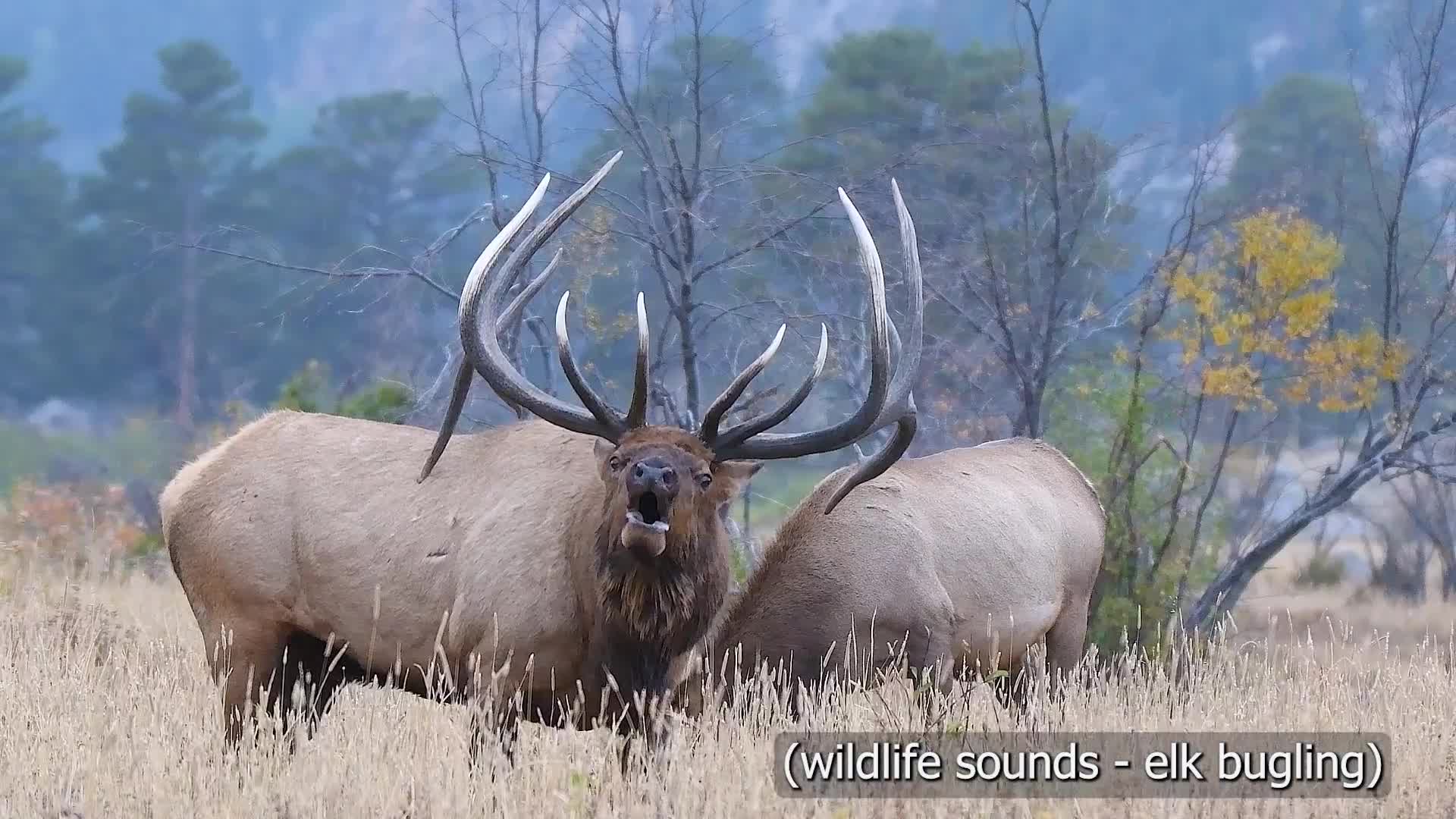
As autumn arrives, elk start to move back down. Males (bulls) compete for females (cows) in a loud event called the rut. The mountains echo with their bugling calls. Lower valleys offer more shelter and food as the weather turns colder.
Winter
Deep snow forces elk down to the foothills or valleys. It is too hard to walk or dig for food in deep drifts. In some places, elk even use roads or human trails to make travel easier.
Here is a table showing how far elk can move during these migrations:
| Region | Typical Elevation Change | Distance Migrated |
|---|---|---|
| Yellowstone | Up to 3,000 ft (900 m) | Up to 60 miles (96 km) |
| Rocky Mountains (Colorado) | Up to 4,000 ft (1,200 m) | Up to 50 miles (80 km) |
| Banff (Canada) | Up to 2,500 ft (760 m) | Up to 40 miles (64 km) |
Challenges Elk Face On Mountains
Climbing mountains is not always easy for elk. There are risks and dangers they have to manage:
Steep Slopes And Falls
On very steep ground, elk can slip or fall. Injuries can happen, especially in icy or wet conditions. Young elk are more likely to make mistakes, but adults learn to avoid the most dangerous places.
Predators
Mountain lions, wolves, and bears all hunt elk. In the mountains, elk use rocks, trees, and steep slopes to hide or escape. However, predators are also skilled at moving on rough ground.
Human Activity
Roads, fences, and buildings can block elk migration routes. This makes it harder for them to reach safe areas or food during the year. Some elk must cross highways or navigate through towns to follow their usual paths.
Weather Extremes
Heavy snow, avalanches, and sudden storms can trap elk or force them to move quickly. Deep snow is especially dangerous, as it covers food and makes walking exhausting.
How Elk Climbing Helps Their Ecosystem
Elk do not just move through the mountains—they shape them. Their grazing helps control plant growth in high meadows. By eating grasses, shrubs, and tree shoots, elk keep forests and meadows healthy. Their hooves also break up soil, which can help seeds grow.
When elk climb to new areas, they carry seeds in their fur and droppings. This spreads plants to new parts of the mountain. Predators that follow elk also help balance other animal populations. In this way, elk are a key part of the mountain ecosystem.
Surprising Insights About Elk And Mountains
Most people think of elk as flatland animals, but their mountain skills are impressive. Here are two things beginners often miss:
- Elk can swim across fast rivers in mountain valleys to reach better feeding areas. This is rare among large land animals.
- Elk sometimes use avalanche paths as travel routes. These open, treeless strips offer less resistance than thick forests, making it easier to move up or down steep slopes.
These abilities show how elk are not just visitors, but true survivors in mountainous terrain.
Protecting Elk In The Mountains
As humans build more roads and towns, elk face new challenges. Wildlife corridors—protected paths for animal movement—are one solution. Some parks and states have built overpasses and underpasses for elk to cross highways safely. Conservation groups also work to keep migration routes open and reduce hunting in key mountain areas.
According to the National Park Service, protecting elk habitats is important for both wildlife and people. Healthy elk populations help keep forests, grasslands, and mountain environments in balance.
Frequently Asked Questions
How High Can Elk Climb In The Mountains?
Elk can climb to elevations above 11,000 feet (3,350 meters) in some mountain ranges, especially during summer when they seek cool, lush meadows.
Do Elk Ever Get Stuck On Cliffs Or Steep Slopes?
It is rare, but sometimes elk can become trapped on very steep or rocky ground. They usually avoid dangerous cliffs, but young or inexperienced elk might take risks.
Are Elk As Good At Climbing As Mountain Goats?
No, elk are not as skilled as mountain goats or bighorn sheep on the steepest, rockiest slopes. However, they are excellent climbers for their size and can handle most mountain terrain.
Why Do Elk Move Up And Down Mountains During The Year?
Elk follow the best food, weather, and safety. In spring and summer, higher elevations offer fresh grass and fewer insects. In winter, they move to lower valleys where snow is not as deep.
Can Elk Climb Mountains With Heavy Antlers?
Yes, even with large antlers, male elk (bulls) can climb mountains. The antlers are heavy, but elk are strong and well-balanced, so the weight does not slow them down much.
Elk are more than just big deer—they are skilled mountain climbers and survivors. Their ability to move through challenging terrain helps them find food, escape danger, and shape the wild mountain ecosystems they call home. Understanding elk in the mountains shows just how adaptable and impressive these animals truly are.