
Every year, as the days grow shorter and the air turns cold, a quiet drama unfolds in the wild places of North America. Elk—majestic, powerful, and always alert—begin to move. If you’ve ever wondered, do elk migrate in winter?, the answer is both simple and fascinating. Yes, elk are migratory, but their journeys are shaped by many factors: weather, food, predators, and even human activity. Understanding why, where, and how elk migrate gives us a window into one of nature’s great survival strategies. Let’s step into the world of elk migration and see what really happens when winter comes.
Elk Migration: The Basics
Elk, also known as wapiti, are one of the largest land mammals in North America. They are well-known for their seasonal movement between different habitats. Migration is an essential behavior for elk, driven mostly by the need to find food and avoid deep snow.
In North America, large herds of elk can travel dozens to hundreds of miles twice a year—once in the spring to reach their summer range and once in the fall to get to their winter range. These migrations are not random. They follow patterns that have been used for generations, often along the same routes.
Why Do Elk Migrate In Winter?
The main reason elk migrate in winter is survival. As snow accumulates in the mountains and high country, the plants elk eat become buried and harder to reach. Deep snow also makes movement difficult and exposes elk to predators.
Key Reasons For Winter Migration
- Food Availability: Elk are herbivores, eating mostly grasses, shrubs, and tree bark. In winter, food at higher elevations is covered by snow, so elk move to lower areas where snow is thinner and plants are still available.
- Energy Conservation: Walking through deep snow takes a lot of energy. By moving to lower elevations with less snow, elk can save energy and survive the cold season.
- Predator Avoidance: Wolves and mountain lions follow elk herds. Migration helps elk avoid areas where predators are most active or where deep snow gives predators an advantage.
- Weather Protection: Lower elevations usually have less wind and milder temperatures, which help elk stay warm.
How Far Do Elk Migrate?
The distance elk migrate varies by region and herd. Some herds travel only a few miles, while others cover over 100 miles between their summer and winter ranges. For example, elk in the Greater Yellowstone Ecosystem can travel up to 150 miles. This is one of the longest migrations of any land mammal in North America.
Here is a comparison of migration distances for some well-known elk populations:
| Elk Population | Migration Distance (miles) | Region |
|---|---|---|
| Greater Yellowstone | Up to 150 | Wyoming, Montana, Idaho |
| Rocky Mountain | 20–100 | Colorado, Utah |
| Pacific Northwest | 10–40 | Oregon, Washington |
| Canadian Rockies | 10–60 | Alberta, British Columbia |
What Routes Do Elk Use?
Elk stick to traditional migration routes, passed down through generations. These routes often follow river valleys, ridges, and open meadows. Elk remember these paths and even teach them to their young.
Migration Corridors
Migration corridors are narrow bands of land that elk use to travel between summer and winter ranges. These corridors are critical for elk survival. If a corridor is blocked by roads, fences, or buildings, elk can become trapped or forced to take dangerous detours.
Barriers To Migration
Human development is the biggest threat to elk migration. Highways, urban areas, and fences can block migration routes. In some places, wildlife overpasses and underpasses have been built to help elk cross safely.
When Do Elk Begin Their Winter Migration?
The timing of elk migration depends on the region and weather conditions. Usually, elk start moving from their summer ranges in late September to early November. Some herds wait until the first heavy snowfall before heading to lower elevations.
The return migration to summer ranges happens in spring, usually from late April to early June, when snow starts to melt and plants begin to grow again.
Comparing Timing Across Regions
Here is how the timing of winter migration can differ:
| Region | Migration Start (Fall) | Migration End (Spring) |
|---|---|---|
| Yellowstone | Mid-October | Early May |
| Colorado Rockies | Late September | Late April |
| Pacific Northwest | Early November | Mid-May |
Where Do Elk Go In Winter?
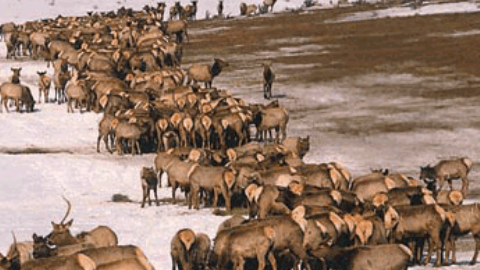
During winter, elk move to lower elevations, often called winter ranges. These areas usually have less snow and more available food. Typical winter habitats include river valleys, open meadows, sagebrush flats, and foothills.
Winter ranges are vital for elk survival. If these areas are disturbed or destroyed, elk can struggle to find enough food, leading to lower survival rates.
Habitat Characteristics
- South-facing slopes: Get more sun, so snow melts faster and food is easier to reach.
- Open grasslands: Less snow and more grasses to eat.
- Shrublands and forests: Provide shelter from wind and predators.
How Do Elk Survive Harsh Winters?
Even after migrating, winters are tough for elk. They must conserve energy and avoid predators. Here’s how they cope:
Energy Conservation
- Reduced movement: Elk move less in winter to save calories.
- Fat reserves: They build up fat during summer and fall to use as energy in winter.
- Group living: Staying in groups helps them spot predators and break trails in the snow.
Diet Changes
In winter, elk eat whatever they can find. This includes:
- Dried grasses
- Twigs and bark from trees (especially aspen and willow)
- Shrubs and evergreen needles
A key insight: Many people think elk can just “tough it out” in deep snow. But even a few weeks of very deep snow can cause many elk, especially calves and older animals, to die from starvation or exhaustion.
Do All Elk Migrate?
Not all elk migrate. In some places, especially where winters are mild and food is available year-round, elk may stay in the same area all year. These are known as resident herds.
Resident Vs. Migratory Elk
- Resident elk: Stay in one area all year, usually in lower elevations with mild winters.
- Migratory elk: Move between summer and winter ranges.
Interestingly, even within the same herd, some elk may migrate while others stay put. This is called partial migration, and it gives the herd flexibility to survive changing conditions.

Human Impact On Elk Migration
Humans have a big impact on elk migration, both positive and negative. Here are some key points:
Negative Impacts
- Development: Roads, homes, and fences can block migration routes and force elk into dangerous areas.
- Habitat loss: Winter ranges are often the first areas developed for farming or housing.
- Disturbance: Snowmobiles, ATVs, and other recreation can stress elk during the hardest part of the year.
Positive Efforts
- Wildlife corridors: Building overpasses and underpasses for elk can help keep migration routes open.
- Land protection: Governments and conservation groups buy and protect important winter ranges.
- Research and tracking: GPS collars and studies help scientists understand and protect elk migrations.
A non-obvious insight: Sometimes, elk will learn to cross highways at night or use human-made structures if there’s no other option. This shows how adaptable they can be, but it also puts them at risk.
For more about how wildlife crossings work, see this excellent overview from the National Park Service.
Elk Migration And Climate Change
Climate change is starting to affect elk migration in several ways:
- Shorter winters: Earlier snowmelt can cause elk to return to summer ranges too soon, before food is ready.
- Drought: Less water and fewer plants make it harder for elk to find food on both winter and summer ranges.
- Unpredictable weather: Sudden storms or warm spells can confuse traditional migration timing.
Researchers are watching these changes closely. One surprising effect: As winters get warmer, some elk may stop migrating altogether, creating more resident herds.
How Scientists Study Elk Migration
Understanding elk migration takes teamwork and technology. Scientists use:
- GPS collars: Placed on elk to track their movement over months or years.
- Aerial surveys: Counting elk from planes or helicopters.
- Camera traps: Placed along migration corridors to see when and where elk pass through.
These tools help biologists protect migration routes and manage elk populations.
Why Elk Migration Matters
Elk migration is more than a seasonal journey—it’s a key part of the ecosystem. Here’s why it matters:
- Healthy forests and grasslands: Elk spread seeds and keep plants in balance as they move.
- Food for predators: Wolves, bears, and mountain lions depend on elk.
- Cultural importance: Many Native American tribes honor elk and their migrations as part of their history.
- Tourism and hunting: People travel from all over to see elk or hunt them legally, which supports local economies.
Missing or blocked migration routes can hurt not just elk, but many other animals and plants.

Frequently Asked Questions
Do Elk Migrate Every Year?
Yes, most elk migrate every year, following seasonal patterns. However, some herds may skip migration if winter is mild or if food is available year-round.
How Do Elk Know When To Migrate?
Elk respond to environmental cues like changing daylight, temperature drops, and snowfall. They also learn migration routes and timing from older herd members.
How Far Can Elk Travel During Migration?
Some elk travel only a few miles, while others—like those in Yellowstone—can migrate up to 150 miles between summer and winter ranges.
Are There Any Dangers During Migration?
Yes, elk face many risks during migration, including predators, deep snow, road crossings, and habitat loss due to human development.
How Can People Help Protect Elk Migration?
Supporting land protection, respecting wildlife corridors, and reducing disturbance in key habitats all help. Conservation groups and government agencies work together to keep migration routes open and safe for elk.
As winter arrives, the movement of elk across wild landscapes is a powerful reminder of how animals adapt to survive. Their migration is not just a journey—it’s a story of resilience, tradition, and the delicate balance of nature.