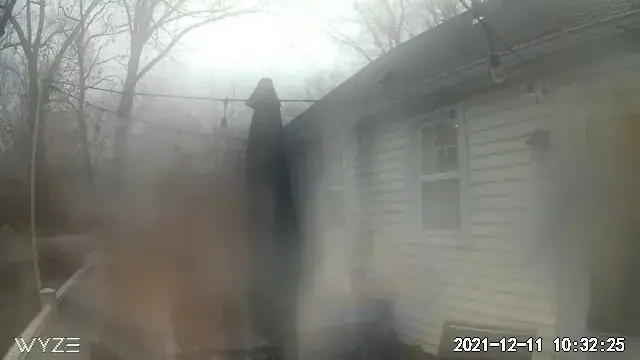
A sudden change in temperature is the primary reason why your camera lens is fogging up. This moisture is usually harmless condensation that forms when you move from cold air into a warm, humid environment. You can confirm this by checking if the fog disappears after letting the camera sit in a stable, room-temperature space for about 30 to 60 minutes.
How to identify lens fogging
When your images appear soft or hazy, it’s often because condensation has formed on the front element or inside the lens barrel, and this table helps you identify the cause based on what you see.
| What you notice | What it usually means | What to do first |
|---|---|---|
| Fog on front glass | External surface condensation | Wipe with clean cloth |
| Haze inside the glass | Internal humidity trapped | Move to dry area |
| Water drops inside | Severe moisture exposure | Remove the battery |
| Persistent white spots | Potential fungus growth | Consult professional repair |
| Sticky zoom ring | High humidity exposure | Use a desiccant pack |
If the fog clears within seconds of wiping the front element, the issue is purely superficial and caused by your breath or a quick temperature shift. However, if the haze remains or reappears immediately, the moisture has likely migrated deep into the lens elements.
Check the edges of your frame for uneven blurring. If the center of the image remains sharp while the corners soften, you’re likely dealing with a sensor-side temperature imbalance rather than a lens issue.
Always look for a “spiderweb” pattern when inspecting white spots. If the marks appear branched or etched into the glass, you’re seeing fungal growth, which requires immediate isolation from your other gear to prevent spreading.
The impact of temperature shifts
Condensation occurs because the glass surface reaches a temperature below the dew point of the surrounding air. When you bring your gear from a freezing outdoor environment into a warm, humid room, the water vapor in the air quickly turns into liquid droplets on your cold lens.
The fastest way to fix this is to bring your camera to room temperature slowly. If you have a camera bag, keep the camera inside it while moving indoors. This creates an insulated buffer that allows the equipment to warm up gradually, preventing moisture from settling on the glass.
Think of your lens as a cold soda can on a summer day. Just as the can sweats when exposed to humid air, your lens elements act as a magnet for airborne moisture. This is why the transition phase is the most critical moment for your optics.
If you already see fog, leave the lens cap off in a low-humidity room for at least one hour. You can tell it worked when the glass becomes perfectly clear and the autofocus system stops hunting for contrast.
If the fog remains after two hours of sitting in a dry room, the moisture may be trapped deep within the lens elements. Avoid using hair dryers or direct heat sources, as these can cause the lens coatings to crack or warp under thermal stress. Sudden, localized heat creates uneven expansion, which often leads to permanent damage to the delicate internal glass alignment.
Humidity and seal failure

Internal fogging often happens if the rubber seals around your lens mount or zoom rings have worn down over time. When these seals lose their elasticity, they no longer block moist air from entering the barrel during normal operation. This is a common issue with older lenses that have seen heavy outdoor use in wet or tropical climates.
Check for this by inspecting the rubber gasket on the back of your lens where it meets the camera body. If the rubber looks cracked, flattened, or brittle, it’s no longer providing a tight seal. The National Weather Service explains that high relative humidity levels significantly increase the amount of water vapor available to enter these small gaps.
These gaps allow air exchange during the zooming process. Every time you extend or retract the barrel, the lens pulls in ambient air. If the seal is compromised, that air carries microscopic moisture directly into the internal glass elements. You can test this by gently rotating the zoom ring while listening for a faint, dry friction sound, which often indicates the lubricant has dried out and the seal is no longer airtight.
To manage this, keep a few silica gel desiccant packets in your camera bag at all times to absorb excess moisture. If you notice fogging even in normal, dry conditions, it’s a sign that the inner seals are failing. The fix is to store the lens in a sealed container with fresh desiccant packs for 24 hours. You’ll know it’s resolved when the lens remains clear during your next shoot in a stable environment.
When to stop and get help

Some signs indicate that the issue is beyond simple condensation and requires an expert technician. Don’t attempt to fix these yourself, as opening a lens housing can introduce dust and permanently misalign the optical elements.
Visible water droplets inside the lens that don’t evaporate after 24 hours of dry storage. If moisture remains trapped, it suggests the internal seal is compromised, allowing water to pool where it can’t naturally escape.
Signs of mold or white, spider-web-like growth on the internal glass elements. Fungal spores thrive in trapped humidity and will etch the glass coatings if left untreated, causing permanent image degradation.
Electronic errors or camera failure occurring immediately after the fogging starts. This often indicates that moisture has breached the lens mount or internal barrel, potentially shorting the communication pins between the lens and the camera body.
Loose or rattling parts inside the barrel after the lens has been exposed to water.
If you see these, take the camera to an authorized service center. They have the clean-room environment needed to safely disassemble the optics and remove trapped moisture without damaging the delicate internal coatings.
Frequently asked questions
Can I use a hair dryer to remove the fog?
Don’t use a hair dryer, as the intense, concentrated heat can damage the delicate lens coatings and internal lubricants. Always let the lens reach room temperature naturally by placing it in a dry area for 60 minutes. This slow process is the only safe way to remove moisture without risking permanent hardware damage.
Is it safe to keep using the camera while it’s foggy?
It isn’t safe, as the moisture can create a permanent haze or promote the growth of fungus inside the lens elements. You should stop using the camera immediately and move it to a dry environment. Continuing to shoot with fogged glass will result in poor image quality and potential long-term electronic failure.
How long does it take for the fog to go away?
The fog usually clears within 30 to 60 minutes if you place the camera in a dry, room-temperature environment. This time frame assumes the moisture is only on the surface or near the front element. If the fog is deep inside the barrel, it may take several hours or even days to dissipate fully.
Does it matter if I live in a humid climate?
It matters significantly, as high ambient humidity makes it much easier for condensation to form whenever the temperature drops. If you live in a high-humidity area, you should store your camera gear in a specialized dry box or a sealed container with active desiccant. This prevents moisture from building up inside the lens over time.
What happens if I ignore the fog?
Ignoring the fog often leads to the growth of lens fungus, which is a living organism that eats the optical coatings. Once this growth starts, it creates permanent etched patterns on the glass that can’t be cleaned away. You’ll notice a permanent reduction in contrast and sharpness that gets worse as the fungus spreads.
How do I know if the seal is broken?
You know the seal is broken if the lens fogs up repeatedly in conditions where other lenses remain clear. Inspect the rubber mount gasket for cracks or signs of wear. If the rubber is no longer soft and pliable, it can’t block moist air, and you should send the lens to a professional for maintenance.
Conclusion
To prevent future issues, try storing your gear with a few silica gel packets in your camera bag. These small helpers absorb excess moisture and keep your equipment dry. You’ll find that being proactive makes a big difference, so you’re always ready to capture the perfect shot whenever inspiration strikes.