How Long Can Elk Live In Captivity?
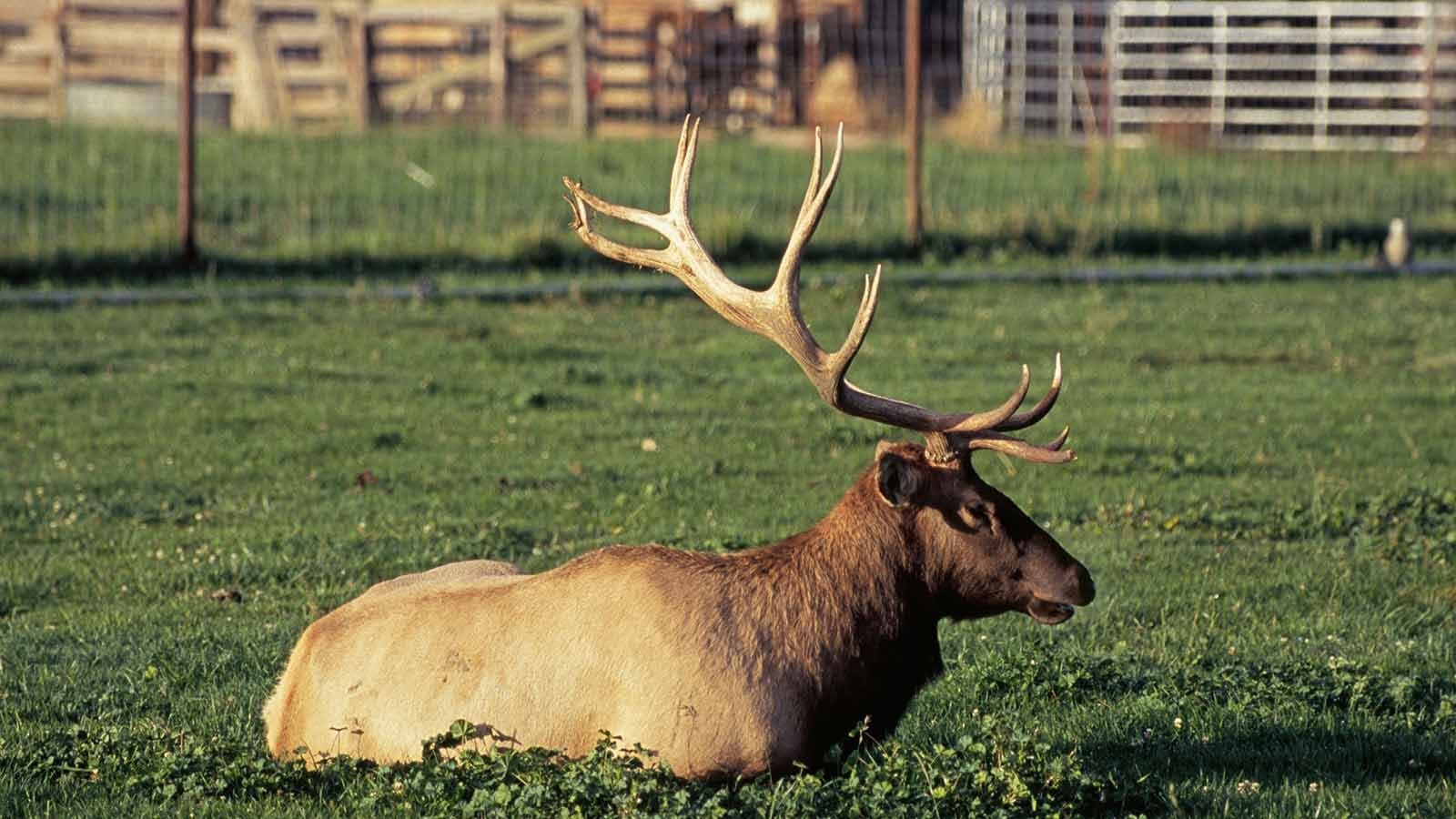
Elk are among the most impressive animals in North America and Eurasia. Their size, antlers, and social behavior make them fascinating to observe. But how long can elk live when kept in captivity, such as zoos, wildlife reserves, or private ranches?
The answer is not simple; it depends on many factors like genetics, health care, diet, and environment. Understanding elk lifespan in captivity is important for animal welfare, management, and research. This article explains the average and maximum lifespan of elk in captivity, compares it with wild elk, and shows what influences their longevity.
If you are curious about elk or want to care for them, you will find useful information and some surprising facts.
Average Lifespan Of Elk In Captivity
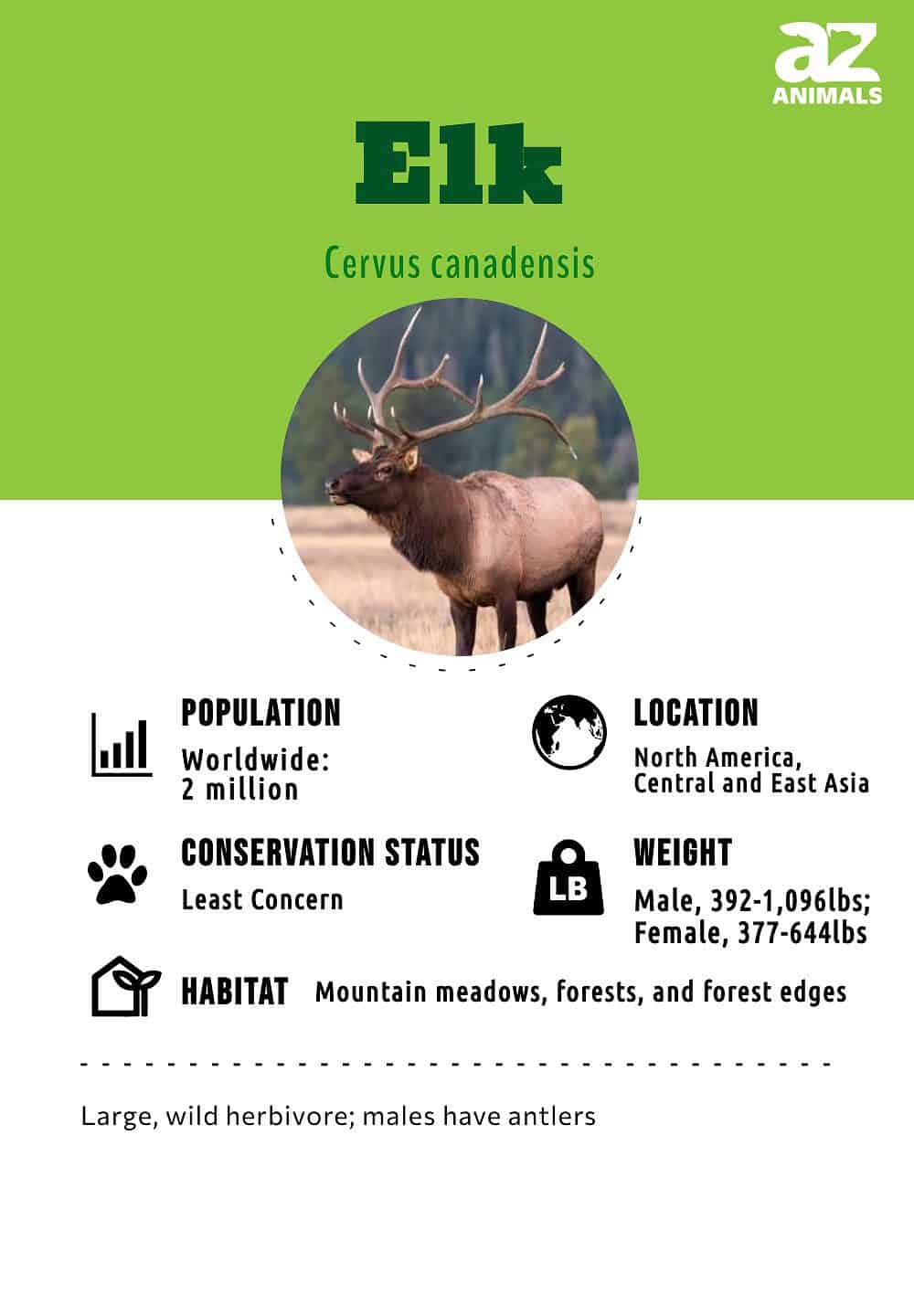
Elk, also known as Cervus canadensis, generally live longer in captivity than in the wild. Most captive elk survive for 16 to 20 years. In rare cases, some elk reach 22 years or more. These numbers are based on records from zoos, wildlife parks, and ranches in North America, Europe, and Asia.
- Zoos and wildlife reserves often report elk living between 18 and 21 years.
- Private ranches, where elk are raised for antlers, meat, or tourism, typically see lifespans of 15 to 19 years.
It’s important to note that not all elk reach these ages. Some die younger due to disease, accidents, or genetic problems. Still, the average captive elk lives several years longer than wild elk.
Comparison: Captive Vs Wild Elk Lifespan
Captive elk have a clear advantage over wild elk when it comes to longevity. This is mainly because predators, harsh weather, and lack of medical care shorten life in the wild.
| Environment | Average Lifespan | Maximum Recorded Lifespan |
|---|---|---|
| Captivity | 16-20 years | 22 years |
| Wild | 10-13 years | 15 years |
Wild elk face many dangers:
- Predators such as wolves, bears, and mountain lions.
- Harsh winters causing starvation or frostbite.
- Disease outbreaks with no treatment.
- Human threats like hunting and vehicle collisions.
In captivity, elk are protected from most of these risks. They receive food every day, shelter from weather, and veterinary care. This reduces stress and increases their chances to live longer.
Factors Affecting Elk Longevity In Captivity
Many things influence how long elk live in captivity. Some are obvious, but others are less known.
Quality Of Diet
Elk need a balanced diet with fiber, protein, vitamins, and minerals. In the wild, they eat grasses, leaves, bark, and herbs. In captivity, their diet is often controlled and supplemented.
- Good nutrition can prevent diseases like malnutrition and hoof rot.
- Poor diet can lead to obesity or deficiencies, shortening lifespan.
Veterinary Care
Regular health checks and vaccinations keep elk safe from common diseases. Vets also treat injuries and manage chronic problems.
- Common treatments include parasite control and hoof trimming.
- Early detection of illness increases survival rates.
Space And Environment
Elk need room to move, graze, and socialize. Crowded pens or artificial environments cause stress and aggression.
- Proper space reduces risk of injury and fighting.
- Naturalistic enclosures improve mental health and longevity.
Genetics
Some elk are born with genes that make them stronger or more resistant to disease. Breeding programs try to select these traits, but genetic diversity is important.
- Inbreeding can cause health issues and reduce lifespan.
- Diverse genetics lead to healthier, longer-lived animals.
Social Structure
Elk are herd animals. They feel safer and happier with companions. Isolated elk may develop stress-related diseases.
- Healthy social groups improve wellbeing and lifespan.
- Unbalanced sex ratios (too many males or females) can cause aggression.
Human Interaction
Experienced caretakers understand elk behavior and needs. Mistakes, such as rough handling or improper feeding, can harm elk.
- Training and education of staff is crucial.
- Positive human-animal relationships reduce stress.
Common Health Issues In Captive Elk
Understanding the diseases and problems elk face helps improve their care. Some conditions are more common in captivity:
- Hoof rot: Caused by wet, dirty pens. Leads to lameness and infection.
- Parasites: Internal (worms) and external (ticks, lice) parasites can spread quickly.
- Respiratory infections: Close contact increases risk, especially in winter.
- Chronic wasting disease (CWD): A serious, fatal neurological disease. It is rare but possible in captive herds.
Early diagnosis and treatment are key to preventing these health issues from shortening elk lives.
Examples Of Long-lived Captive Elk
Some elk in captivity have become famous for their long lives. For instance:
- An elk at the National Elk Refuge in Wyoming lived to 21 years.
- A female elk at a Canadian zoo survived for 22 years before natural death.
- In Europe, records show captive elk lasting 20 years with good care.
These cases show that with proper conditions, elk can reach old age and live longer than their wild counterparts.
Non-obvious Insights About Elk Longevity
Most people think only about diet and medical care, but there are less-known factors:
- Seasonal Lighting: Elk are sensitive to daylight changes. Artificial lighting that mimics natural cycles helps them stay healthy and reduces stress.
- Enrichment Activities: Simple toys, logs, or puzzles keep elk mentally active. This prevents boredom and lowers risk of depression or abnormal behavior.
These insights are often overlooked, but they make a big difference in captive elk welfare.
Male Vs Female Elk Lifespan
Male and female elk sometimes live different lengths in captivity.
| Sex | Average Lifespan (Captivity) | Notes |
|---|---|---|
| Male | 15-18 years | Higher aggression, antler injuries |
| Female | 17-21 years | Lower risk, less fighting |
Males often fight for dominance, especially during the rutting season. This can lead to injuries or stress. Females usually have calmer lives, leading to slightly longer average lifespans.
Tips For Maximizing Elk Lifespan In Captivity
If you manage elk or are planning to keep them, these practical tips will help:
- Provide varied diet: Mix hay, grains, leafy greens, and supplements.
- Schedule regular vet visits: Prevent and treat diseases early.
- Build spacious enclosures: Allow elk to roam and socialize.
- Use natural lighting: Mimic sunrise and sunset indoors.
- Offer enrichment: Logs, branches, and puzzles for mental stimulation.
- Monitor herd dynamics: Avoid overcrowding and aggressive males.
- Keep pens clean and dry: Prevent hoof rot and parasites.
- Train staff: Educate handlers about elk behavior and health.
- Rotate pasture: Reduce disease spread and improve grazing.
- Track genetics: Avoid inbreeding by managing breeding records.
Following these tips can add years to captive elk lives and improve their wellbeing.
Elk Lifespan Records And Research
Researchers have studied elk longevity for decades. The longest-lived elk in captivity was reported to be 23 years old, but this is extremely rare. Most records confirm that 20-22 years is the practical maximum for healthy, well-managed elk.
Research shows that advances in veterinary medicine, nutrition, and enclosure design continue to push elk lifespan higher. For more scientific data, visit the Wikipedia: Elk page, which includes references to studies and historical records.
Frequently Asked Questions
How Long Do Elk Live In Captivity Compared To The Wild?
Captive elk live 16 to 20 years on average, while wild elk usually survive 10 to 13 years. The difference comes from protection against predators, better food, and medical care.
Can Elk Live Longer Than 20 Years In Captivity?
Yes, but it’s rare. Some elk reach 22 years, and a few records show up to 23 years. Most elk die before this age due to health issues or old age.
What Is The Main Cause Of Early Death For Captive Elk?
Disease is the main cause, especially infections like hoof rot and chronic wasting disease. Poor diet and stress also contribute.
Do Male Elk Live Shorter Lives Than Females In Captivity?
Usually, yes. Male elk often live 15-18 years, while female elk can reach 17-21 years. Males face more injuries and stress due to fighting.
What Can Improve Elk Lifespan In Captivity?
Good diet, regular veterinary care, clean and spacious enclosures, social groups, and enrichment activities all help elk live longer and healthier lives.
Elk are complex and sensitive animals. Their lifespan in captivity is shaped by many factors, from diet to genetics and even lighting. With proper care and attention, elk can live long, healthy lives, sometimes reaching over 20 years. If you manage or visit elk in captivity, remember that every detail matters to their wellbeing and longevity.