Finding the best digital FPV camera can make a huge difference in your flying experience. These cameras offer clear, real-time video that helps you navigate with precision. Whether you’re into racing drones or aerial photography, having a reliable camera is key. The right camera balances image quality, low latency, and durability. It’s important to consider how it handles different lighting conditions and how easy it is to mount. With so many options available, knowing what features really matter can save you time and frustration. Let’s dive into what makes a digital FPV camera stand out and what to look for when choosing one.
Runcam Spotter V2 Fpv Camera Kit
The Best Digital Fpv Camera for hobbyists who want a compact, versatile FPV solution for RC vehicles and drones.

Daily Use Highlights for FPV Enthusiasts
- Easy to mount on various RC vehicles due to compact size and low weight.
- Integrated microphone adds audio to the FPV feed, enhancing immersion.
- Adjustable transmitter power (20MW to 200MW) lets you balance range and battery life.
- Real-time OSD display keeps critical flight data visible during operation.
- Reliable 5.8G 40-channel transmitter ensures good signal quality with compatible FPV gear.
- Wide 170-degree field of view captures broad scenes without distortion.
Thoughts on the RunCam Spotter V2
This camera kit is a solid choice for those looking to add a dependable digital FPV camera to their RC setups. Its compact size and integrated features make installation straightforward and reduce the need for additional components. The adjustable transmitter power is especially useful for customizing signal strength based on your environment.
In practice, the video quality is clear and the microphone adds a nice touch for a fuller experience. The OSD helps maintain awareness, which is valuable during flight. One thing to note is that while the camera performs well for most recreational uses, those needing professional-grade video quality might find it limited.
Finding the Right Fit for Your FPV Needs
The RunCam Spotter V2 suits RC hobbyists who want a compact all-in-one FPV camera and transmitter. It works well for cars, boats, drones, and planes, offering flexibility without extra bulk. If you value ease of installation and real-time data display, this model fits nicely.
However, if you require ultra-high-definition footage or advanced image processing, this may not meet those demands. Also, users who prioritize maximum transmission range over power efficiency might want to explore other options.
- Great for casual and intermediate FPV pilots.
- Compact design suits small or lightweight vehicles.
- Integrated microphone and OSD add value for immersive flights.
- Not ideal for professional video production needs.
- Adjust power settings to optimize range and battery life.
Considerations Before Buying
This camera kit is a practical choice for anyone enhancing their FPV setup with a reliable, easy-to-use digital camera. It’s particularly helpful when you want a clean integration with your RC vehicle and real-time flight info. For those who want a straightforward, no-fuss FPV camera, it’s worth considering.
If you are new to FPV, the adjustable power and simple installation provide a gentle learning curve. Experienced users will appreciate the compactness and flexibility. Just keep in mind it’s designed more for hobby use than professional cinematography. Overall, it offers a balanced blend of features and usability.
Runcam Wasp Micro Fpv Camera
The RunCam Wasp Micro is a solid choice for drone pilots seeking the Best Digital Fpv Camera with clear visuals and low latency.

Everyday Use Insights for FPV Pilots
- 720p at 120fps delivers smooth and clear video, reducing motion blur during fast flights.
- Compact size and light weight (7.5g) make it easy to mount on various drone models without affecting balance.
- Low latency of 28ms helps keep video feed responsive for tight maneuvering.
- Supports multiple aspect ratios (4:3 and 16:9) to fit different FPV display preferences.
- Allows up to eight drones to fly simultaneously with minimal interference.
Thoughts on Practical Use and Limits
The Wasp Micro provides consistent image clarity, even in low-light conditions, which is crucial for early morning or late evening flights. Setup is straightforward, and the camera’s size makes installation unobtrusive. However, users expecting ultra-high resolutions above 720p might find the image quality limiting. Also, the fixed field of view may not suit those needing wider perspectives.
Choosing This Camera for Your Drone
This camera fits best for FPV racers or casual drone flyers who want a reliable digital feed with minimal lag. Its light weight and small dimensions are ideal when every gram counts. On the other hand, if you prioritize 4K or higher resolution recording, or need an adjustable lens, this might not meet those requirements.
- Perfect for racing drones needing quick, clear feedback.
- Great for pilots flying multiple drones due to its frequency channel support.
- Not suited for filmmakers requiring ultra-high definition footage.
When to Consider the RunCam Wasp Micro
Choose this camera if your priority is a steady, low-latency digital FPV feed during fast drone flights. It suits pilots who want a lightweight camera without sacrificing image clarity in various lighting. If you fly with multiple drones or in competitive settings, the channel support is a helpful feature.
If you need higher resolution or a wider field of view, look elsewhere, as this camera focuses on balanced performance rather than extreme specs. A practical tip is to pair it with compatible digital FPV systems like Vista or Caddx for best results.
You can expect a dependable experience that won’t add unnecessary complexity to your drone setup.
Betafpv C03 Fpv Micro Camera
The Best Digital Fpv Camera for indoor micro whoop drone pilots looking for clear visuals and easy installation.

Everyday Use Insights for FPV Pilots
- Clear and sharp 1200TVL image quality improves flight visuals.
- Wide 160° field of view captures more of the flying environment.
- Lightweight design (1.52g) keeps your micro whoop agile and responsive.
- Plug-and-play JST-0.8 connector simplifies installation without soldering.
- Good low-light performance thanks to Global WDR and 4:3 aspect ratio.
- Durable ABS construction pairs well with BETAFPV micro canopies.
Choosing This Camera for Your Drone
This camera fits well for pilots flying indoor micro whoop drones who want reliable and clear FPV footage without adding weight or complexity. It is especially suited for users of the Meteor series or those using BETAFPV flight controllers.
However, if you need higher resolution or advanced features beyond basic FPV use, you might want to consider other options. Also, this camera is optimized for NTSC 4:3 format, so compatibility with other video systems should be checked.
Thoughtful Choice for Micro Whoop Flyers
The BETAFPV C03 FPV Micro Camera is a sensible pick for drone enthusiasts focused on indoor flying who want solid image clarity and easy setup. It balances quality and weight well, allowing confident flights without worrying about camera bulk.
If you prioritize simple installation and robust low-light performance in a micro camera, this model delivers quietly and effectively. Just keep in mind it’s tailored for smaller drones and might not suit those seeking ultra-high-definition footage.
Before buying, verify your drone’s compatibility with the JST-0.8 connector to ensure a smooth fit. This small step can save time and enhance your setup experience.
Goorvoucs Fpv Camera With 5.8 Ghz Transmitter
For drone enthusiasts seeking the Best Digital Fpv Camera, this product suits those wanting a reliable long-range video transmitter and camera setup.

Everyday Use Insights for FPV Drones
- Compact size fits easily on small drones without added bulk.
- 1200TVL CMOS camera delivers clear video for smooth flying experience.
- 5.8 GHz 2W transmitter offers solid long-range signal for extended flights.
- 48-channel support reduces interference in busy flying environments.
- Includes a 2000 mW FPV antenna to boost signal reliability outdoors.
Considerations Before Buying
- Limited feature list means fewer advanced settings or customization.
- No detailed customer reviews available to gauge long-term performance.
- Physical dimensions may require checking compatibility with your drone frame.
Finding the Right FPV Setup
This camera and transmitter combo works well for pilots who need a straightforward, effective FPV system without fuss. It fits smaller drone builds and brings reliable video transmission over decent distances, which is key for immersive flying.
However, if you prefer highly customizable gear or want extensive user feedback before purchase, this might not be ideal. The product focuses on core functionality rather than extras.
Thoughtful Choice for Drone FPV
Choose this FPV camera setup if you want a compact unit that integrates easily and provides consistent video quality for casual or intermediate drone flying. Its long-range transmitter suits outdoor enthusiasts who value clear signals over complex features.
On the other hand, skip this if you require advanced camera controls or extensive user support. A practical tip is to verify your drone’s mounting space before buying to ensure a good fit. You can feel confident knowing this is a modest, no-nonsense device designed with core FPV needs in mind.
Wolfwhoop Wt05 Micro Fpv Camera
The Wolfwhoop WT05 is a solid choice for drone hobbyists looking for the Best Digital Fpv Camera to improve their flight visuals.
Performance and Practical Use
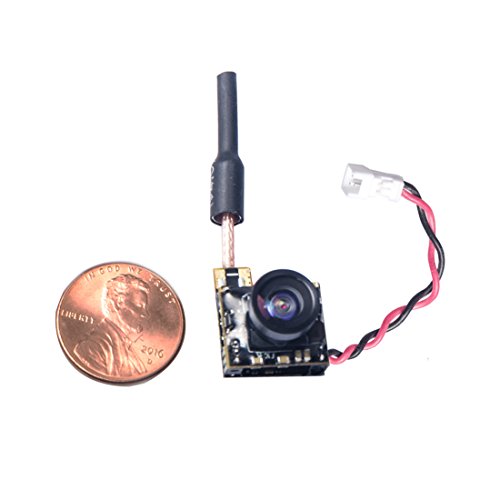
The Wolfwhoop WT05 Micro AIO is a compact, lightweight FPV camera paired with a 5.8GHz 25mW transmitter. It solves the issue of bulky or heavy FPV cameras that can affect drone agility. The 600TVL resolution provides clear enough video for basic navigation and FPV flying, making it a practical option for those who prioritize size and weight.
In real-world use, the camera feels reliable and easy to mount due to its micro size and low weight of just over 3 grams. It helped me maintain steady video feed without adding unnecessary bulk. The dipole brass antenna supports a stable signal, which adds confidence during flight sessions.
Who Benefits and Who Might Look Elsewhere
This camera fits best for casual or beginner drone pilots who want a balance between performance and minimal weight. Its simple setup and decent image quality make it suitable for FPV quadcopters where every gram counts.
Those needing high-definition video or advanced features like adjustable settings might find this model limited. Professionals or racers seeking the sharpest image or longer transmission range may want to consider other options.
- Lightweight design supports nimble drones
- Simple installation for quick flights
- Stable 5.8GHz transmission with antenna
- Resolution is modest at 600TVL
- Limited power output (25mW) may restrict range
Thoughtful Choice for Lightweight FPV
If you fly small quadcopters and want a reliable, light FPV camera, the Wolfwhoop WT05 is a practical pick. It won’t wow with ultra-HD clarity but delivers consistent performance where size and weight matter most.
Avoid it if you need advanced video features or extensive range. For many hobbyists, this camera hits the right balance. Consider pairing it with a compatible monitor or goggles to get the best flying experience without extra fuss.
Runcam Robin 3 Fpv Micro Camera
For FPV drone hobbyists seeking the Best Digital Fpv Camera with a wide field of view and compact size.

Everyday FPV Use Highlights
- Compact size and light weight make it easy to mount on micro drones without affecting flight.
- Wide 150° field of view offers a broad perspective, ideal for FPV racing and flying in tight spaces.
- Durable sandwich-style casing with screw fixation enhances reliability and dust resistance.
- Selectable 4:3 aspect ratio and NTSC/PAL switching provide flexibility for different FPV setups.
- Universal 6-pin interface supports easy integration and camera parameter adjustments.
Considerations for Use
- 1200TVL resolution is solid but may not match the sharpness of higher-end digital FPV cameras.
- Limited color options might not fit all aesthetic preferences for custom builds.
- Small form factor means handling during installation requires care to avoid damage.
Thoughts on the RunCam Robin 3
This camera strikes a fine balance between size and functionality for FPV enthusiasts. Its broad field of view and dust-resistant build make it a practical choice for active flying environments. I found that switching between NTSC and PAL modes was straightforward, which helps adapt the camera to various transmitters and displays.
One trade-off is that while the 1200TVL resolution provides clear images, those seeking ultra-high-definition may look elsewhere. Still, its compactness and reliable interface make it a dependable tool for pilots focusing on agility and ease of use.
Who Benefits Most and When to Look Elsewhere
This camera fits best for FPV hobbyists who prioritize a lightweight, wide-angle view camera that integrates smoothly with most micro drones. It’s well-suited for racing and casual flying where durability and flexibility matter more than ultra-high resolution.
Users wanting the absolute sharpest digital image or those who prefer a camera with multiple color options might find this model limiting. Also, if you are new to FPV, the small size demands careful handling during installation.
- Ideal for micro drone pilots needing a reliable wide-angle lens.
- Good for racers wanting dust-resistant hardware.
- Not recommended for users requiring 4K or ultra-HD video quality.
Balanced Insight for FPV Enthusiasts
If you need a compact digital FPV camera that offers a wide field of view and reliable mounting, the RunCam Robin 3 is a sensible choice. It suits pilots who want dependable daily performance without fuss.
Those focused on image resolution above all else should consider other options. My tip: pay close attention when mounting to protect the small camera body from damage. Overall, it’s a practical, well-rounded camera that won’t complicate your setup.
Runcam Phoenix 2 Micro Fpv Camera
The Best Digital Fpv Camera for drone hobbyists seeking clear day and night footage with flexible viewing options.

Everyday Use Highlights
- Wide 155° field of view captures broad scenes with minimal distortion.
- Super Global WDR enhances image clarity in both bright and dark conditions.
- Day and night capabilities ensure versatile use in various lighting environments.
- Switchable aspect ratios (4:3 and 16:9) fit different display preferences.
- Compact and lightweight design fits easily on small drones without affecting flight.
Considerations Before Buying
- Lack of detailed user feedback limits insight into long-term durability.
- No included accessories or mounting options might require additional purchases.
- Absence of built-in stabilization means external solutions may be needed for steady footage.
Thoughtful Choice for FPV Enthusiasts
The RunCam Phoenix 2 Micro FPV Camera stands out with its clear image quality and adaptable viewing modes, making it a solid pick for those who want reliable footage in varying light. Its compact size is a practical benefit for freestyle drone pilots who need something unobtrusive yet effective.
One trade-off is the lack of bundled accessories, which means you may need to source mounts or cables separately. However, the ease of switching between aspect ratios and the strong performance in low light help build confidence during flights.
Insight for Your FPV Setup
This camera suits drone users who prioritize image quality in both day and night conditions and want a wide view without bulky equipment. If you prefer a simple, lightweight unit to add to your drone with flexible aspect ratios, this model fits well.
However, if you need integrated stabilization or comprehensive accessory kits included, this might fall short. A practical tip is to prepare your mounting setup ahead of time to get the most from this camera.
Overall, it offers dependable performance that can support your flying adventures calmly and clearly.
Narrowing Down Your Best Digital Fpv Camera Choice
Choosing the right digital FPV camera involves more than just specs. Start by considering the type of drone or vehicle you will use it with. Weight and size matter for flight performance and mounting options. Think about the lighting conditions where you’ll fly most often. Many overlook the importance of latency and signal compatibility with their existing FPV gear. Also, check if the camera supports the video format and aspect ratio you prefer. Remember, a camera that fits your flying style and gear will offer a smoother experience.
The 30-second Checklist
- Does the camera fit easily on your drone or RC vehicle?
- Is the video output compatible with your FPV goggles or monitor?
- Can the camera handle the lighting conditions you usually fly in?
- Is the camera lightweight enough to avoid affecting flight time?
- Does it support your preferred aspect ratio and resolution?
- Are controls like OSD and power adjustable to your needs?
Common Regrets And How To Avoid Them
Regret #1: Buying a camera that’s too heavy or bulky. This can reduce flight performance and make installation tricky. Always check the camera’s weight and dimensions before purchase.
Regret #2: Overlooking compatibility with your FPV gear. A camera might look great but won’t work well if it doesn’t match your goggles or transmitter frequencies. Verify compatibility first to save frustration.
Regret #3: Ignoring lighting and video latency needs. Some cameras struggle in low light or have delay issues that affect control. Choose a camera known for good low-light performance and minimal latency for better flying.
Best Digital Fpv Camera Decision Table
| If you want… | Look for this | Avoid this |
|---|---|---|
| High-resolution video with smooth motion | 720p at 120fps or higher frame rate cameras | Low TVL or low frame rate analog cameras |
| Lightweight for micro or tiny drones | Camera under 10 grams with compact size | Heavy or bulky FPV kits not suited for small drones |
| Easy installation with minimal wiring | Plug-and-play connectors like JST-0.8 | Cameras requiring complex soldering or assembly |
| Good performance in low-light conditions | Models with global WDR or advanced sensors | Basic CMOS cameras without WDR support |
| Adjustable transmitter power for range control | Cameras with 20mW to 200mW adjustable output | Fixed power transmitters without adjustment |
Practical Tips For Setting Up Your Digital Fpv Camera
- Mount the camera securely but avoid heavy brackets that add weight.
- Check the camera’s field of view (FOV) and adjust angle for the best flight perspective.
- Pair the camera with your FPV goggles or monitor before your first flight to confirm signal and video quality.
- Use the OSD features to monitor battery and flight data during flight for safer control.
- Keep the lens clean and protected to maintain clear video feed.
Best Digital Fpv Camera Faqs
Will this camera work with all FPV goggles?
Not always. Check the camera’s video output format and frequency compatibility with your goggles. Most digital FPV cameras use standard protocols but verify before buying.
How important is the camera weight?
Weight affects drone flight time and agility. Lighter cameras are better for smaller drones. Always balance video quality with camera weight.
Can I use the camera indoors and outdoors?
Many cameras handle both, but lighting conditions differ. Choose a camera with good low-light performance for indoor use and wide dynamic range for outdoor flying.
How do I maintain the camera for long-term use?
Keep the lens clean and dry. Avoid impacts and exposure to water. Regularly check connectors for corrosion or damage.
Is the transmission power adjustable?
Some digital FPV cameras allow you to change transmitter power to suit flying distance and regulations. This helps optimize battery life and signal quality.
What about latency—does it affect flying?
Yes, latency can impact control responsiveness. Look for cameras with low latency (under 30ms) for the best flying experience.
Are these cameras noisy or do they require cooling?
Most FPV cameras operate silently and do not need active cooling. Ensure proper airflow around the camera to prevent overheating in tight spaces.
Final Thoughts On Choosing The Best Digital Fpv Camera
Finding the best digital FPV camera depends on matching the camera’s features with your flying needs. Consider size, weight, video quality, and compatibility carefully. Most people find that focusing on real-world fit rather than just specs leads to better satisfaction.
When in doubt, pick a camera that balances good image quality with ease of installation and suitable weight. This simple tie-break rule helps ensure your FPV setup performs well without surprises.