
Can Deer Jump Fences?
Spotting a deer near a fence often makes people wonder: can these animals really jump over such barriers? Deer are famous for their agility and strong legs. If you live near woods or have a garden, you may have seen them leap with ease. But how high can they actually jump? Do all fences stop deer, or are some just a small challenge for them? Understanding the real abilities of deer helps both homeowners and land managers make better decisions to protect their property and the animals.
How High Can Deer Jump?
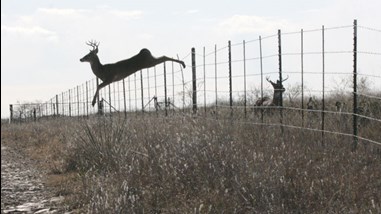
Deer are powerful jumpers. Most adult white-tailed deer can clear objects between 6 to 8 feet high. This means a common garden fence is often not enough. In rare situations, deer have been recorded jumping even higher, especially when they are scared or chased.
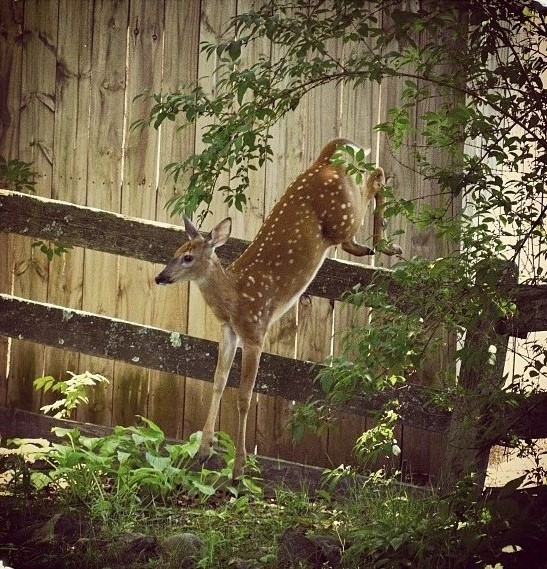
Younger deer, like fawns, cannot jump as high. They usually max out at 3 to 4 feet. Mule deer, which live in the western United States, are also strong jumpers and can leap fences that are 7 feet tall or more.
Here is a quick comparison of the jumping abilities of different deer species:
| Deer Species | Average Jump Height | Maximum Recorded Jump |
|---|---|---|
| White-tailed Deer | 6-8 feet | Over 8 feet |
| Mule Deer | 7-8 feet | Up to 9 feet |
| Fallow Deer | 5-6 feet | About 7 feet |
| Fawn (young deer) | 3-4 feet | Rarely above 4 feet |
A key point most people miss: deer rarely jump unless they must. If there is an open path, they prefer to walk around a fence instead of jumping over it.
Why Do Deer Jump Fences?
Deer jump fences mainly to find food or escape danger. When gardens are full of vegetables, flowers, or fruit, hungry deer see them as easy meals. During winter or dry months, food is harder to find, so deer become bolder.
Deer will also jump fences to reach safe places or return to familiar areas. If chased by a predator or startled by a dog, they can clear tall barriers they might normally avoid.
A practical example: In suburban areas, deer are often seen leaping over fences into backyards at night. They do this to access gardens, especially when other food is scarce.
What Types Of Fences Can Deer Jump?
Not all fences are equal when it comes to keeping deer out. The height, material, and design matter a lot.
Common Fence Types And Their Effectiveness
| Fence Type | Typical Height | Deer Resistance |
|---|---|---|
| Wooden Picket Fence | 3-5 feet | Low |
| Chain-link Fence | 4-6 feet | Medium |
| Woven Wire Fence | 6-8 feet | High |
| Electric Fence | 4-5 feet | Medium-High |
| Double Fence | 2 x 4 feet | Very High |
Deer can easily jump over fences lower than 6 feet. A double fence—two shorter fences spaced 3-4 feet apart—confuses deer and is much harder for them to cross, even if each fence is only 4 feet high.
A common mistake is building a tall but flimsy fence. If the fence wobbles or bends, deer may try to push through rather than jump, sometimes causing damage or injury.
What Fence Height Stops Deer?
The safest height to stop most deer is 8 feet. In very rare cases, extremely motivated deer might clear this, but it’s unusual. Most home and garden fences are 3 to 6 feet tall, which means deer can jump them if they want.
Here is a simple guide for the right fence height:
- Below 4 feet: Easy for all adult deer
- 5-6 feet: May stop young or tired deer, but adults can jump
- 7 feet: Stops most deer, but a few might get over
- 8 feet or more: Stops nearly all deer
Some people try angled fences, which lean outwards at the top. These can be effective at heights of 6 to 7 feet, as the angle makes jumping more difficult.

How To Make Fences More Deer-proof
If building a fence is expensive or not allowed, there are other ways to keep deer out.
- Use double fencing: Two fences 3 feet apart, each 4-5 feet high, work better than one tall fence.
- Add physical barriers: Bushes, rocks, or thorny plants next to the fence make jumping harder.
- Install visual deterrents: Hanging shiny objects or tape on the fence confuses deer.
- Try electric fences: These can stop deer, but they must be installed correctly and checked often.
Here is a quick comparison of common deer deterrents:
| Method | Cost | Effectiveness | Maintenance |
|---|---|---|---|
| Tall Fence (8 ft) | High | Very High | Low |
| Double Fence | Medium | High | Medium |
| Bush Barrier | Low | Medium | Medium |
| Electric Fence | Medium | High | High |
| Visual Deterrent | Low | Low-Medium | Low |
Surprising Facts About Deer And Fences
Many people believe deer jump any fence with no trouble, but this is not always true. Deer hesitate at fences they cannot see through, such as solid wooden walls. They do not like jumping into the unknown.
Deer also remember barriers. If they fail to cross a fence once, they may avoid trying again for a long time. However, during food shortages, even shy deer will test fences they once avoided.
Another overlooked detail: sloped ground can make fences easier or harder to jump. A fence on a hill may be easier for a deer to clear from the high side, and harder from the low side.
Frequently Asked Questions
How High Can A White-tailed Deer Jump?
A healthy adult white-tailed deer can jump between 6 and 8 feet high. Rarely, some may clear even taller fences if they are scared or desperate.
Will A 6-foot Fence Keep Deer Out?
A 6-foot fence will stop most young or tired deer, but it is not high enough to stop all adult deer, especially if food or safety is on the other side.
What Type Of Fence Is Best For Deer Control?
An 8-foot woven wire fence is best for deer control. Double fences and angled fences are also very effective, especially for gardens and small farms.
Can Deer Crawl Under Fences?
Deer can sometimes crawl under fences if there are gaps or the bottom is loose. Make sure your fence is tight to the ground to prevent this.
Do Deer Jump Over Electric Fences?
Deer may try to jump or squeeze through electric fences. These fences can be effective if set at the right height and maintained regularly. For best results, combine electric fences with other deterrents.
For more on deer behavior and fencing, see this Wikipedia article on deer.
Deer are agile and strong, but the right fence can protect your garden or yard. By understanding their jumping ability and using smart barriers, you can keep deer out and enjoy your outdoor space with less worry.