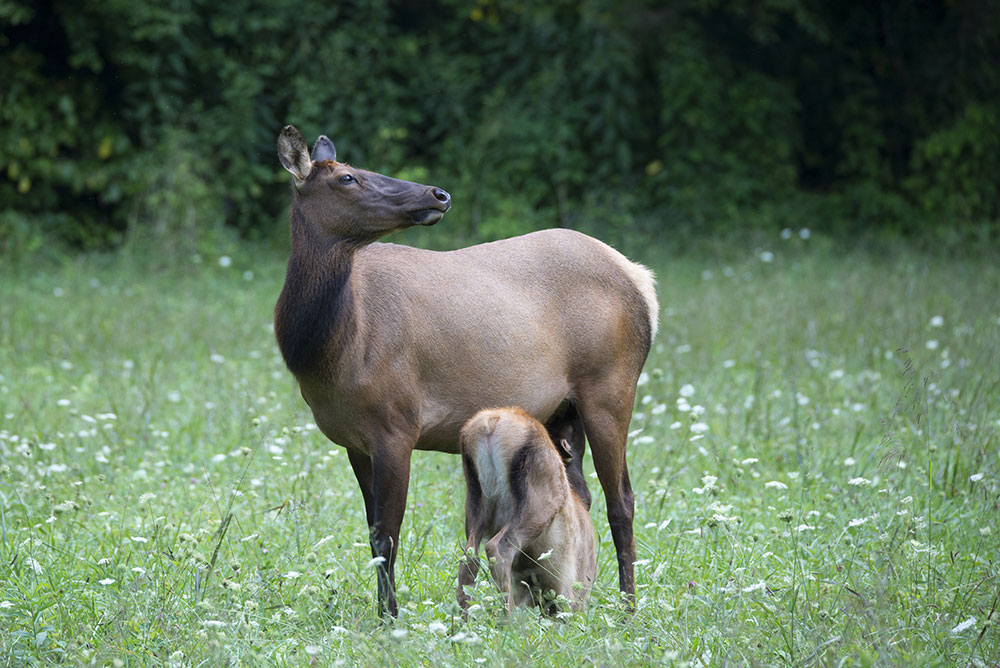
A cow elk is one of the most fascinating creatures in North America’s wild lands. Many people have seen photos or heard the calls of these majestic animals, but understanding what makes a cow elk unique takes us deeper into the world of elk.
Whether you are a wildlife enthusiast, a new hunter, or just curious about nature, learning about cow elk reveals how essential they are to forests, grasslands, and even local cultures. This article will explore what a cow elk is, how to identify one, their role in elk herds, behavior, lifecycle, and much more.
By the end, you’ll know far more than just a textbook definition.
What Is A Cow Elk?
A cow elk is the adult female of the elk species (Cervus canadensis). Elk, also called wapiti, are among the largest members of the deer family. The term “cow” is used for females, while “bull” refers to males, and “calf” to babies. Cow elk play a central role in elk herds and ecosystems, helping raise the next generation and keep the group strong.
Cow elk are not just smaller versions of bulls; they have different behaviors, body features, and roles. They rarely grow antlers, unlike bulls, and focus more on nurturing calves and finding food. Understanding cow elk means looking at their life, appearance, and how they interact with their environment.
Physical Characteristics Of Cow Elk
One of the first things people ask is, “How do you know if an elk is a cow or a bull?” Here are the main physical traits that make cow elk special:
- Size: Cow elk are large, but usually smaller than bulls. Adult cows stand about 4.5 feet (1.4 meters) at the shoulder and can weigh between 450–600 pounds (200–270 kg). Bulls often weigh 700 pounds or more.
- Antlers: Female elk almost never grow antlers. If you see an elk with large, branching antlers, it’s nearly always a bull.
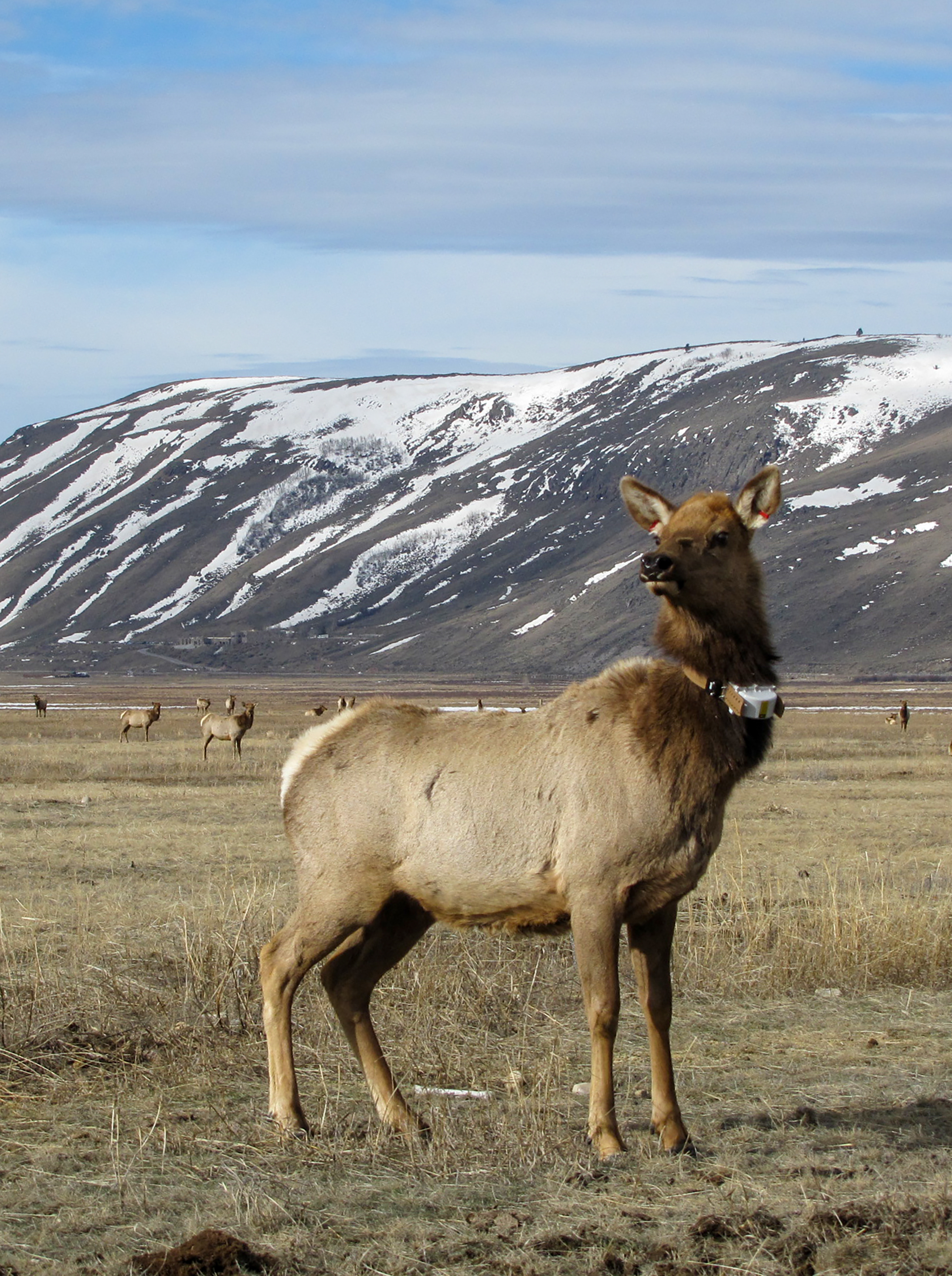
- Coloration: Both cows and bulls have a light brown body, a darker brown neck and head, and a pale rump patch. Cows may look a bit more slender and elegant.
- Face and Neck: Cow elk have a slightly narrower face and smaller neck, while bulls have thicker necks, especially in the fall when they grow a “mane.”
- Voice: Cows make high-pitched calls, squeaks, and mews, while bulls bugle loudly during mating season.
Cow Elk Vs. Bull Elk Comparison
Here’s a quick visual comparison:
| Feature | Cow Elk | Bull Elk |
|---|---|---|
| Antlers | Absent | Large, branching |
| Weight | 450–600 lbs | 700–1,100 lbs |
| Neck | Slender | Thick (with mane in fall) |
| Body Shape | More slender | Bulkier |
| Vocalization | Mews, squeaks | Bugles, grunts |
Where Do Cow Elk Live?
Cow elk live in a wide range of habitats across North America and some parts of Asia. They are most common in the western United States, Canada, and the Rocky Mountain region. You can also find elk in the forests of Pennsylvania, Kentucky, and even parts of New Zealand, where they were introduced.
The best places to spot cow elk include:
- Yellowstone National Park (Wyoming, Montana, Idaho)
- Rocky Mountain National Park (Colorado)
- Banff and Jasper National Parks (Canada)
- Great Smoky Mountains (Tennessee, North Carolina)
Cow elk prefer open forests, grasslands, and meadows near rivers or streams. They need cover for hiding and open spaces for grazing. In winter, they move to lower elevations where food is easier to find.
Behavior And Social Structure
Cow elk are social animals. They live in groups called herds, usually made up of cows, calves, and sometimes young bulls. Adult bulls join herds mainly during the breeding season (called the rut), which happens in late September and October.
Herd Life
- Leadership: Older cow elk often lead the herd. Their experience helps the group find food and avoid danger.
- Safety in Numbers: Living in herds protects cow elk from predators like wolves, mountain lions, and bears.
- Communication: Cow elk use sounds, body language, and scent to communicate. Mews and squeaks help keep the herd together.
Seasonal Movements
Cow elk travel long distances between summer and winter ranges. This migration helps them find the best food and avoid deep snow. In summer, they eat lush grasses and forbs; in winter, they switch to woody plants and bark.

Cow Elk Lifecycle
Understanding the lifecycle of a cow elk shows how important they are for elk populations.
Birth And Calves
Calving season begins in late May or early June. A cow elk gives birth to one calf, sometimes twins, in a hidden spot away from the herd. Calves are born with spots that help them blend into the grass. For the first few weeks, calves stay hidden while the cow comes back to nurse them several times a day.
Raising Calves
Cow elk are protective mothers. They teach calves how to find food, avoid predators, and join the herd. By late summer, calves are strong enough to travel with the group.
Maturity
Female elk reach sexual maturity at about 2 years old. Most will have their first calf at age 2 or 3. Cow elk can live up to 15–20 years in the wild if they avoid predators and harsh winters.
Diet And Feeding Habits
Cow elk are herbivores. They eat a wide variety of plants, depending on the season.
- Spring and Summer: Grasses, forbs (flowering plants), and young shoots.
- Fall: Shrubs, leaves, and fallen fruit.
- Winter: Twigs, bark, and evergreen needles when other food is scarce.
An adult cow elk can eat about 10–15 pounds (4. 5–7 kg) of food per day. They spend much of their time grazing and chewing cud, much like cows.
Feeding Insights
Many people think elk only eat grass, but they also browse on shrubs and trees, especially in winter. This behavior helps them survive when snow covers the ground. Also, cow elk sometimes travel farther than bulls to find the best food, especially when feeding calves.
Cow Elk In The Ecosystem
Cow elk are not just important for their herds—they also shape the landscape.
- Plant Control: By eating grasses and shrubs, cow elk keep meadows healthy and open.
- Food Chain Role: Cow elk are prey for large predators. Their presence supports wolves, cougars, and bears.
- Seed Dispersal: Elk spread seeds in their droppings, helping new plants grow.
In some areas, if elk numbers get too high, they can overgraze and damage plant communities. Wildlife managers keep a close eye on populations to keep nature in balance.
Reproduction And The Rut
Cow elk are central to the elk mating season, called the rut. During this time, bull elk gather harems of cows and compete for breeding rights.
- Estrus Cycle: Cow elk come into heat for only a short time in the fall. Bulls bugle and fight to win access to cows.
- Breeding Groups: A single bull may gather 10–20 cow elk in his harem.
- Gestation: Pregnancy lasts about 8.5 months. Calves are born the next spring.
Interesting Fact
Not all cows breed every year. If food is scarce or the cow is too young, she may skip a year. This helps her stay healthy and raise strong calves later.
Common Misconceptions About Cow Elk
There are several myths about cow elk that beginners often believe:
- All elk have antlers: Only bulls grow antlers. Cows do not, except in rare cases due to hormone imbalance.
- Cows are always smaller: While cows are smaller on average, a large cow can be bigger than a young bull.
- Cow elk are not aggressive: Cows can be very protective, especially during calving season. They will defend calves fiercely.
- Cows don’t matter to the herd: In fact, cows lead herds, choose migration paths, and guide group behavior.
Cow Elk And Humans
Cow elk have a long history with people. Native American tribes respected elk for their meat, hides, and spiritual importance. Today, elk are valued for wildlife watching, hunting, and tourism.
- Hunting: Many states have special seasons for cow elk to control population growth. Harvesting cows helps keep elk herds healthy.
- Wildlife Viewing: Places like Yellowstone see thousands of visitors hoping to spot cow elk in meadows or along rivers.
- Conservation: Efforts to reintroduce elk to areas like the Appalachian Mountains have brought new life to forests.
Dangers And Challenges For Cow Elk
Cow elk face many threats:
- Predators: Wolves, bears, and mountain lions hunt cow elk, especially calves.
- Harsh Winters: Deep snow and cold can make finding food difficult.
- Habitat Loss: Roads, towns, and farms can break up elk habitat, making migration harder.
- Disease: Illnesses like chronic wasting disease affect elk populations.
Cow elk are smart survivors, but they rely on healthy wild spaces to thrive.
How To Identify A Cow Elk In The Wild
Spotting cow elk can be tricky if you don’t know what to look for. Here are a few tips:
- Look for antlers—if none, it’s likely a cow (except for calves and young bulls).
- Check body size—cows are large, but not as bulky as bulls.
- Watch behavior—cows are often with other cows and calves, while bulls are solitary or in bachelor groups outside the rut.
- Listen for calls—cows use high-pitched mews, not bugles.
If you want to practice, visit a national park during spring or fall, when herds are most visible.
Cow Elk In Comparison To Other Female Deer
Cow elk are sometimes confused with female deer like whitetails or mule deer. Here’s a brief comparison:
| Species | Adult Female Weight | Shoulder Height | Antlers |
|---|---|---|---|
| Elk (Cow) | 450–600 lbs | 4.5 ft | None |
| Whitetail Deer (Doe) | 90–200 lbs | 3 ft | None |
| Mule Deer (Doe) | 100–200 lbs | 3–3.5 ft | None |
As you can see, cow elk are much larger and taller than most female deer.
Non-obvious Insights About Cow Elk
- Older cows are the leaders: Research shows that experienced cows guide the herd to safe calving grounds and the best winter ranges. Losing these older cows can make herds less successful.
- Cow elk milk is high in fat: Elk calves grow quickly because cow elk milk contains more fat and nutrients than domestic cow milk. This helps calves survive in the wild.
The Future Of Cow Elk Populations
Cow elk populations are stable in many places, but they need careful management. Conservation programs, hunting regulations, and habitat restoration all play a role in keeping elk herds healthy.
For more scientific information about elk, visit the Wikipedia page on elk.
Cow elk are not just the mothers of the herd—they are the core of elk society, helping guide, protect, and shape the wild places they call home. Understanding their life is key to protecting them for the next generation.
Frequently Asked Questions
What Is A Cow Elk?
A cow elk is an adult female elk. She is part of the deer family and does not grow antlers. Cow elk are important leaders in their herds and give birth to calves each spring.
How Can You Tell A Cow Elk From A Bull Elk?
The easiest way is to look for antlers. Bulls have large antlers, while cows do not. Cows are also a bit smaller and have a more slender neck and face.
Are Cow Elk Dangerous?
Cow elk are usually calm around humans, but they can be very protective of their calves. During calving season, cows may charge if they feel threatened. Always keep a safe distance.
Do Cow Elk Live Alone?
Cow elk live in herds with other cows and calves. They rarely live alone, except when hiding their newborn calves for a short time after birth.
What Do Cow Elk Eat?
Cow elk are herbivores. They eat grasses, forbs, shrubs, and sometimes tree bark. Their diet changes with the seasons to use whatever plants are available.