
Many people hear the term “bull elk” but don’t really know what it means. If you’ve seen wildlife documentaries, or visited national parks in North America, you might have noticed these majestic animals. A bull elk is not just any elk—it is a mature male, known for its large antlers and impressive size.
These animals play a special role in their ecosystem and are fascinating to observe, especially during the fall when their loud bugling echoes through forests and valleys. In this article, you will learn exactly what a bull elk is, how it differs from other elk, and why it captures the attention of both wildlife lovers and hunters.
You will also discover little-known facts, unique behaviors, and important details that go beyond the basics.
What Is A Bull Elk?
A bull elk is an adult male elk, which is a large member of the deer family (Cervidae). Elk are also called wapiti, a Shawnee and Cree word meaning “white rump.” Bulls are famous for their antlers, size, and dominant role in elk herds. The female elk are called cows, and young elk are called calves.
Bull elk are found mainly in North America, with the largest populations in the western United States and Canada. They live in forests, grasslands, and even mountain regions. A bull elk stands out because of its size, strength, and unique antlers that grow and shed every year.
Physical Characteristics Of Bull Elk
Size And Weight
Bull elk are among the largest land mammals in North America. An adult bull can stand 4.5 to 5 feet (1.4 to 1.5 meters) tall at the shoulder. When you count their head and antlers, they can appear even taller.
- Weight: Mature bulls usually weigh between 600 and 1,100 pounds (270-500 kg).
- Body length: They can reach 8 feet (2.4 meters) from nose to tail.
Bulls are much heavier and more muscular than cows (females), which weigh about 500-600 pounds (225-270 kg).
Coat And Color
Bull elk have a thick, brownish body with a lighter-colored rump and a dark mane around their neck. Their fur is coarse and helps them stay warm in cold mountain climates. In summer, their coat is lighter and thinner; in winter, it becomes darker and thicker.
Antlers
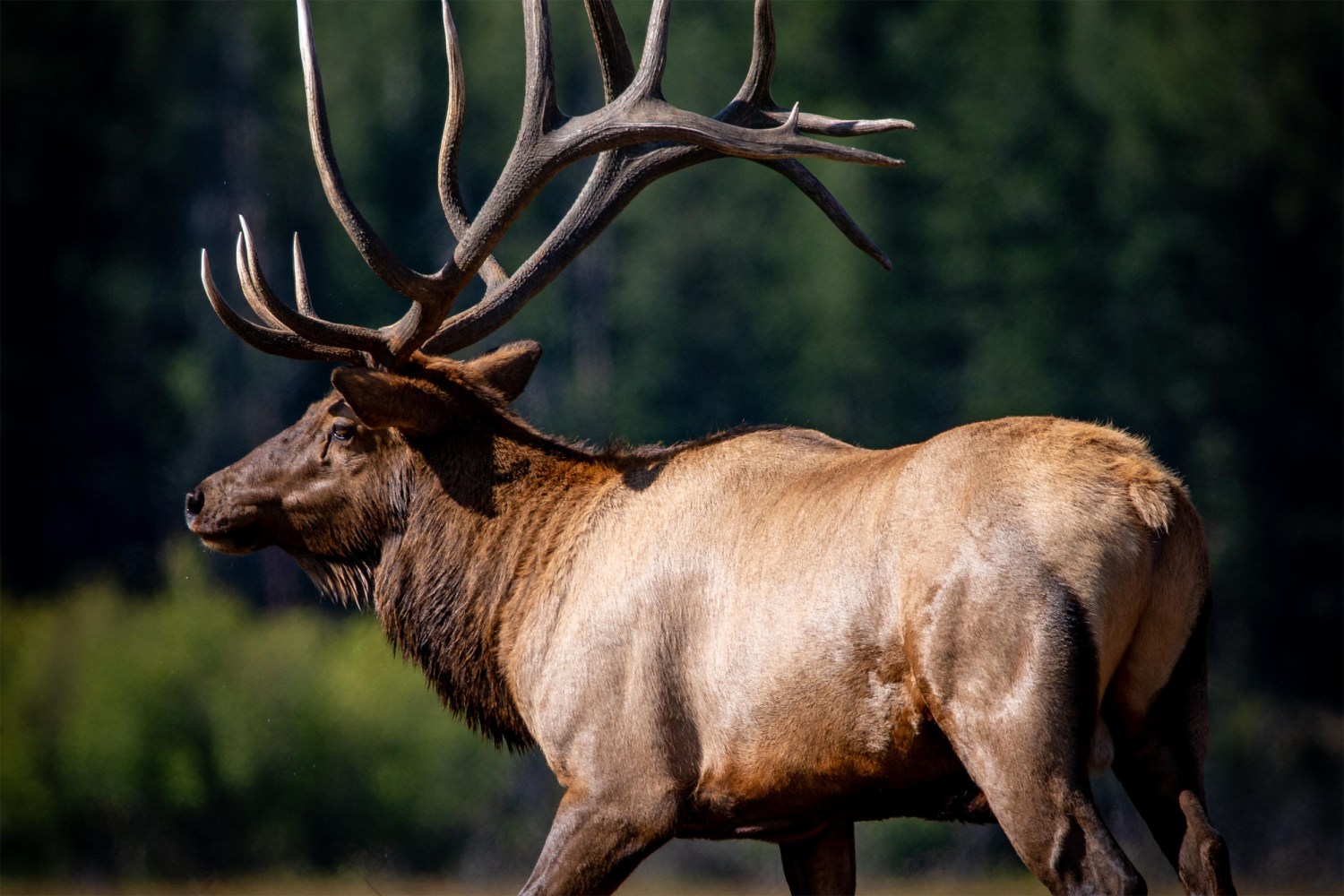
The most famous feature of a bull elk is its antlers. These are not horns—they are bone structures that fall off and regrow every year.
- Growth: Antlers start growing in spring and are covered with a soft skin called velvet, which supplies nutrients.
- Size: A mature bull’s antlers can be up to 4 feet (1.2 meters) long and weigh more than 40 pounds (18 kg) in total.
- Points: Antlers have several tines or “points.” The more points, the older and healthier the bull usually is.
Antlers are used for fighting other bulls and attracting females during mating season.
Life Cycle And Behavior
Age And Lifespan
A bull elk lives for around 10 to 15 years in the wild, although many do not reach old age due to predators, disease, or hunting. In protected areas, some bulls can live longer.
- Yearling: Young bulls start growing small antlers at one year old.
- Maturity: Bulls are fully mature at about 4 to 7 years old, which is when their antlers are largest.
Social Structure
Elk are social animals. Bulls, cows, and calves often form separate groups except during mating season.
- Bachelor groups: Young and mature bulls often stay together outside the rut (mating season).
- Herds: Females and calves form larger herds for protection.
During most of the year, bull elk are less aggressive, but this changes in the fall.
Behavior During The Rut
The rut, or mating season, happens in late September to October. This is when bull elk become most active and visible.
- Bugling: Bulls make loud calls called “bugles.” The high-pitched sound can be heard for miles and is used to show strength and attract females.
- Fighting: Bulls use their antlers to spar with rivals. These fights can be fierce but are usually more about display than causing injury.
- Harems: A successful bull gathers a group of cows, called a harem, and works hard to keep other bulls away.
Feeding Habits
Bull elk are herbivores and need a lot of food to keep their large bodies healthy.
- Diet: They eat grasses, shrubs, tree bark, and leaves.
- Daily Intake: A bull elk can eat up to 20 pounds (9 kg) of vegetation each day.
- Seasonal Change: In spring and summer, they focus on green grasses and forbs. In winter, they eat more bark and woody plants.
Seasonal Movements
Elk often migrate between summer and winter ranges.
- Summer: Higher elevations, cooler temperatures, and more food.
- Winter: Lower elevations, less snow, and easier access to food.
Some elk travel more than 50 miles between seasonal ranges.
Antler Growth And Shedding
The antlers of a bull elk are a wonder of nature. Each year, bulls shed their old antlers and grow new ones.
Growth Cycle
- Spring: Antlers start to grow, covered with velvet.
- Summer: Rapid growth. Antlers get larger and develop more points.
- Late Summer: Velvet dries and is rubbed off on trees.
- Fall: Antlers are fully grown and used in fights and displays.
- Winter: After the rut, antlers fall off.
The energy needed to grow antlers is huge, so bulls need good nutrition. Poor health or lack of food can mean smaller antlers.
Why Shed Antlers?
Growing and shedding antlers every year might seem wasteful, but it’s important for survival. New antlers help bulls compete for females and show health. Shedding the heavy antlers in winter saves energy.
Differences Between Bull Elk And Other Elk
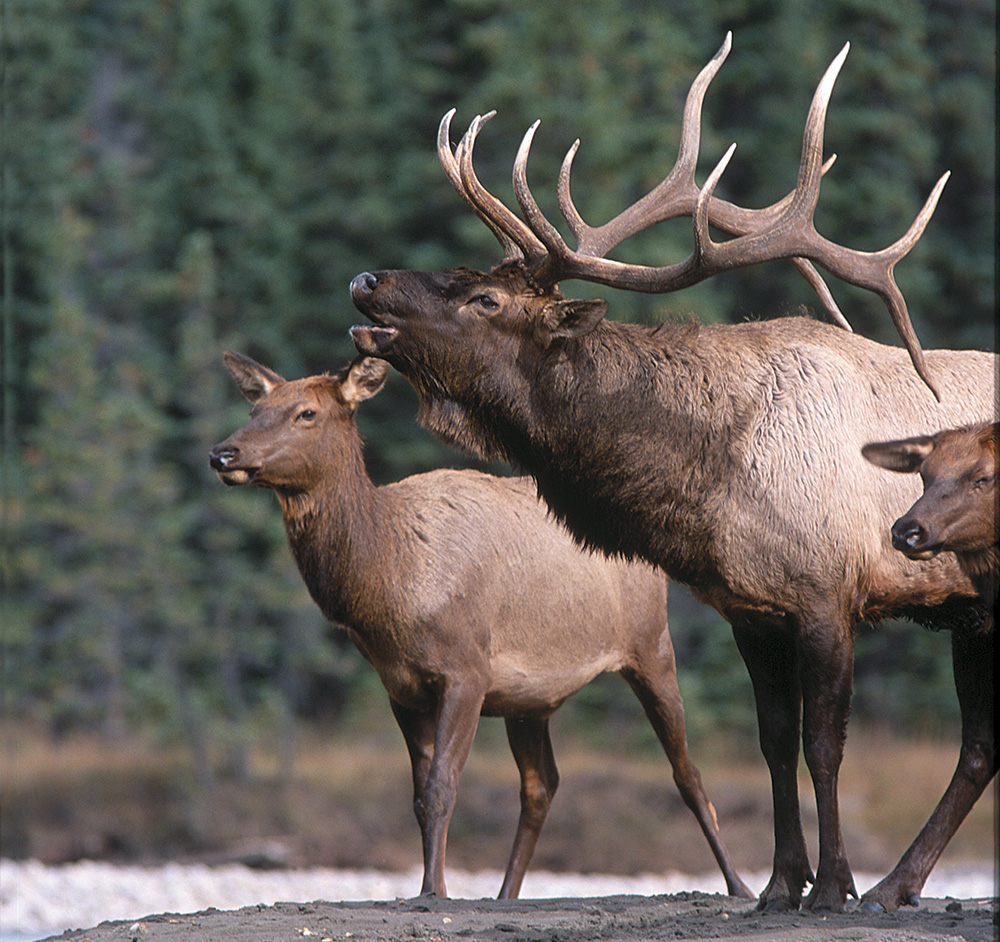
The main difference is gender and size. Cows (females) do not have antlers and are smaller. Bulls are more aggressive and dominant, especially during the rut.
Here’s a simple comparison:
| Feature | Bull Elk (Male) | Cow Elk (Female) |
|---|---|---|
| Antlers | Present, large, branched | Absent |
| Weight | 600-1,100 lbs | 500-600 lbs |
| Role in Herd | Leader during rut, fights for mates | Raises calves, forms herds |
| Behavior | Territorial during rut | Social, protective of young |
Bull Elk Habitat And Range
Where Do Bull Elk Live?
Bull elk need large areas to roam. They prefer forests mixed with open meadows, river valleys, and foothills. In North America, the Rocky Mountains are a stronghold, but they also live in the Midwest and parts of the eastern United States, especially where elk have been reintroduced.
Population And Conservation
Elk populations were once much larger, but hunting and habitat loss reduced their numbers. Conservation efforts have brought them back in many places.
- Yellowstone National Park has one of the largest elk herds.
- Banff and Jasper National Parks in Canada are also famous for elk.
Elk are now protected in many areas, and hunting is strictly managed.
How Many Elk Are There?
In North America, there are about 1 million elk today. Most states in the U.S. with elk populations hold annual counts to track herd health.
The Role Of Bull Elk In The Ecosystem
Bull elk are more than just beautiful animals—they shape the land and help other species.
- Grazing: By eating large amounts of plants, elk help keep forests and meadows healthy.
- Antler Shedding: Shed antlers provide minerals for rodents and other small animals.
- Prey: Bulls, especially older or weaker ones, are prey for wolves, bears, and mountain lions.
Elk also affect the behavior of other animals. For example, their movement patterns help shape where predators hunt and where plants can grow without being eaten.
Bull Elk And Humans
Hunting And Conservation
Bull elk are a prized game animal for hunters in North America. Hunting is carefully controlled to keep populations healthy. Money from hunting licenses often funds conservation and research.
Watching Bull Elk
Wildlife watching is a popular activity in national parks. The best time to see bull elk is during the rut, when they are active and bugling. Tourists often come to places like Rocky Mountain National Park to hear and see these animals.
Cultural Importance
Elk have been important to Native American cultures for thousands of years. They are symbols of strength, endurance, and freedom. Elk antlers are used in art, tools, and even traditional medicine.
Unique Behaviors And Surprising Facts
Bugling: The Bull Elk’s Call
One thing that surprises many people is the sound of a bull elk’s bugle. It starts as a low growl and turns into a high-pitched whistle. Each bull’s bugle is unique and can signal its age and strength. During the rut, you might hear these calls at dawn and dusk.
Antler Fights
While antler fights look dangerous, most end without injury. Bulls try to avoid serious harm, but sometimes a fight leads to broken antlers or wounds. Bulls may show off their antlers and size before touching antlers, hoping the other will back down.
Scent Marking
A less-known behavior is scent marking. Bulls dig small holes, urinate in them, and roll in the mud. This spreads their scent and shows nearby cows that they are strong and healthy.
Bulls Lose Weight During Rut
During the rut, bulls are so busy fighting and guarding their harems that they often lose up to 20% of their body weight. They eat very little and focus almost entirely on mating.
How To Identify A Bull Elk In The Wild
It’s not always easy to spot a bull elk, especially outside the rut. Here are key tips:
- Look for antlers: Only bulls have antlers, and they are large and branched.
- Check the neck: Bulls have a dark, thick mane under the chin.
- Size: Bulls are taller and more muscular than cows.
- Behavior: During the rut, bulls are louder, more aggressive, and often seen with a group of cows.
Photographers and wildlife fans often use binoculars and spotting scopes to watch elk from a distance without disturbing them.

Bull Elk Compared To Other Deer
Elk are often confused with other deer species. Here’s a quick comparison:
| Species | Height at Shoulder | Antler Size | Range |
|---|---|---|---|
| Bull Elk | 4.5-5 ft | Large, branched, up to 4 ft | North America, Asia |
| White-tailed Deer (Buck) | 3-3.5 ft | Smaller, less branched | North America |
| Moose (Bull) | 6-7 ft | Palmate, up to 6 ft wide | North America, Europe, Asia |
Two Non-obvious Insights About Bull Elk
Most articles stop at the basics, but here are two facts many beginners miss:
- Antler symmetry matters: Hunters and scientists often judge a bull elk’s health by the symmetry of its antlers. Uneven or misshapen antlers can signal past injuries, illness, or poor nutrition.
- Vocal learning: Young bulls practice bugling for years before perfecting it. The ability to mimic older bulls’ calls can help younger bulls fool rivals or attract cows, even if they are not yet big enough to win fights.
Frequently Asked Questions
What Is The Main Difference Between A Bull Elk And A Stag?
A “bull elk” is the name for a male elk in North America, while “stag” is often used for male red deer in Europe. Both have antlers, but elk antlers are usually larger and more branched.
How Big Can A Bull Elk’s Antlers Get?
A mature bull’s antlers can reach up to 4 feet long and weigh over 40 pounds. The biggest antlers usually belong to bulls aged 7-9 years with excellent nutrition.
When Do Bull Elk Shed Their Antlers?
Bull elk usually shed their antlers between late winter and early spring, often from February to April. New antlers start growing soon after.
Are Bull Elk Dangerous To Humans?
Bull elk are usually not aggressive, but during the rut they can charge if they feel threatened or challenged. It’s safest to watch from a distance, especially in national parks.
Where Can I Learn More About Elk?
You can find detailed information about elk at the Wikipedia page on elk, which covers their biology, behavior, and conservation status.
Bull elk are symbols of wild nature—strong, beautiful, and vital to their ecosystems. Whether you see one in a forest or hear its bugle on a cool autumn morning, you’ll never forget the experience. Their impressive antlers, complex social lives, and important role in the wild make them a true icon of North America’s forests and mountains.

