
Night vision goggles might look like something from an action movie, but in real life, they are powerful tools with many uses. These devices allow people to see in the dark by making low light visible. While the military first used them, today, night vision goggles help many different groups—security teams, rescue workers, wildlife lovers, and even hobbyists.
In this article, we will explore what night vision goggles are used for, how they work, and why they are so important in both professional and everyday life. You’ll also find real examples, key facts, and answers to common questions.
How Night Vision Goggles Work
Before understanding their uses, it helps to know how night vision goggles turn darkness into visible scenes. Most night vision devices use one of two main technologies:
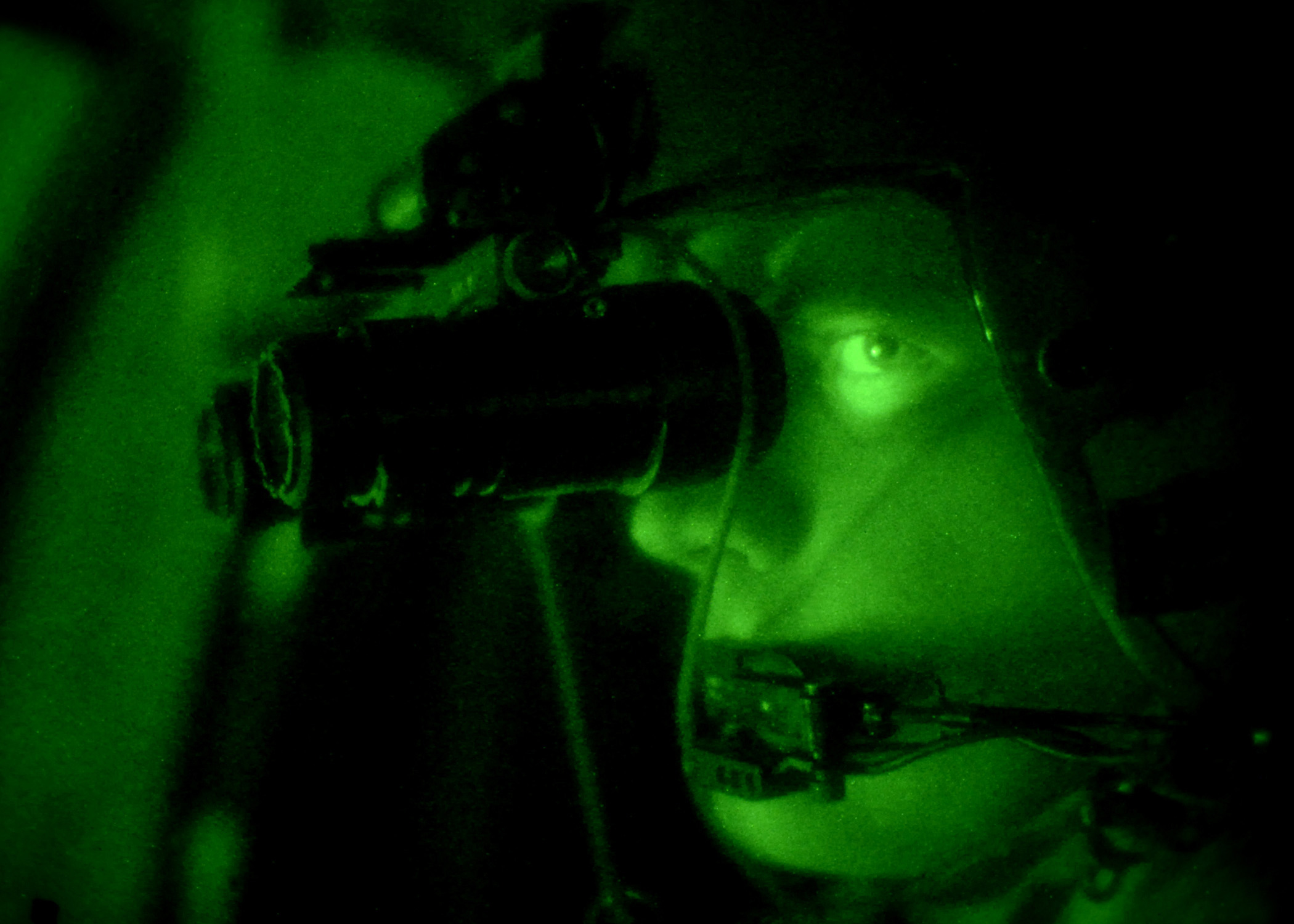
- Image Intensification: This technology collects tiny amounts of light (even moonlight or starlight) and amplifies it thousands of times. The result is a green-tinted image, familiar from movies and TV.
- Thermal Imaging: These goggles detect heat (infrared energy) instead of light. They can show warm objects like people or animals, even in complete darkness or through smoke and fog.
Both methods help users see when it would otherwise be impossible. Modern night vision goggles are lightweight, often hands-free, and can be worn over the eyes or attached to helmets.
Military And Law Enforcement Uses
The most well-known use of night vision goggles is in the military. Soldiers rely on them for:
- Night operations: Moving, aiming, and communicating without giving away their position.
- Surveillance: Watching enemy movements in low light.
- Search and rescue: Finding missing people or injured soldiers at night.
Law enforcement teams, such as police SWAT units and border patrol, use night vision for:
- Tactical operations: Entering buildings or chasing suspects in darkness.
- Surveillance: Watching areas without being seen.
- Finding evidence: Locating objects or traces in low-light crime scenes.
Night vision goggles can be the difference between success and failure in these dangerous situations. They allow teams to move safely, stay hidden, and react quickly.
Data: Night Vision Goggles By Generation
Different generations of night vision goggles offer various levels of performance. Here’s a quick comparison:
| Generation | Introduction Year | Image Quality | Common Use |
|---|---|---|---|
| Gen 1 | 1960s | Low | Civilian, entry-level |
| Gen 2 | 1970s | Medium | Law enforcement |
| Gen 3 | 1980s | High | Military, professionals |
| Gen 4 | 2000s | Very High | Special forces, advanced users |
Insight: Not all night vision goggles are equal. Generation 3 and 4 models offer better clarity and range, but are more expensive and often restricted for civilian use.
Search And Rescue Operations
When someone goes missing after dark—whether in the woods, mountains, or disaster zones—night vision goggles can save lives. Search and rescue teams use them to:
- Scan large areas quickly: Spotting lost hikers, campers, or disaster victims is easier with amplified vision.
- Navigate rough terrain: Teams can move safely without using bright flashlights that could give away their position or disturb wildlife.
- Work in all weather: Thermal goggles see through smoke, fog, and light rain, making them useful during fires or storms.
For example, after earthquakes, rescuers often search for survivors at night when time is critical. Night vision goggles increase the chances of a successful rescue.
Security And Surveillance
Many businesses and home owners use night vision goggles or cameras for security. Security guards, especially on large properties like warehouses, airports, or farms, benefit from:
- Patrolling in darkness: Detecting intruders or suspicious activity without alerting them.
- Remote monitoring: Some goggles connect to security systems, sending live night-vision feeds to control rooms.
- Protecting assets: Night vision helps prevent theft or vandalism that often happens after dark.
Even private citizens use night vision for home defense or while camping in the wild.
Example: Security Use Case Comparison
Here’s how night vision goggles compare to regular flashlights for nighttime security:
| Feature | Night Vision Goggles | Flashlight |
|---|---|---|
| Stealth | High (no visible light) | Low (visible to all) |
| Detection Range | Up to 300 meters | 20-80 meters |
| Hands-Free Operation | Yes | No |
| Battery Life | 4-40 hours | 2-12 hours |
Insight: Night vision goggles let security teams move quietly and see further, while flashlights can give away their location.
Wildlife Observation And Research
Night is when many animals are active. Wildlife biologists and nature lovers use night vision goggles for:
- Animal research: Tracking nocturnal species like owls, bats, or deer without disturbing them.
- Poaching prevention: Rangers patrol protected areas to catch illegal hunters.
- Eco-tourism: Guides show visitors rare animals that are only visible at night.
For example, researchers studying bats can follow their flights, count populations, and observe feeding—all without lights that would scare the animals away.
Outdoor Sports And Adventure
People who enjoy hunting, camping, or night hiking also use night vision goggles. These devices help with:
- Navigation: Walking safely along trails, even in forests or deserts at night.
- Wildlife spotting: Hunters can see game animals from a distance, but must follow local laws on night vision use.
- Fishing: Some anglers fish at night and use goggles to check lines, nets, or spot fish in shallow water.
A common mistake for beginners is to ignore local regulations. In many places, using night vision for hunting is restricted to prevent unfair advantage and protect wildlife.
Maritime And Aviation Applications
Pilots and sailors face special challenges in the dark. Night vision goggles are used for:
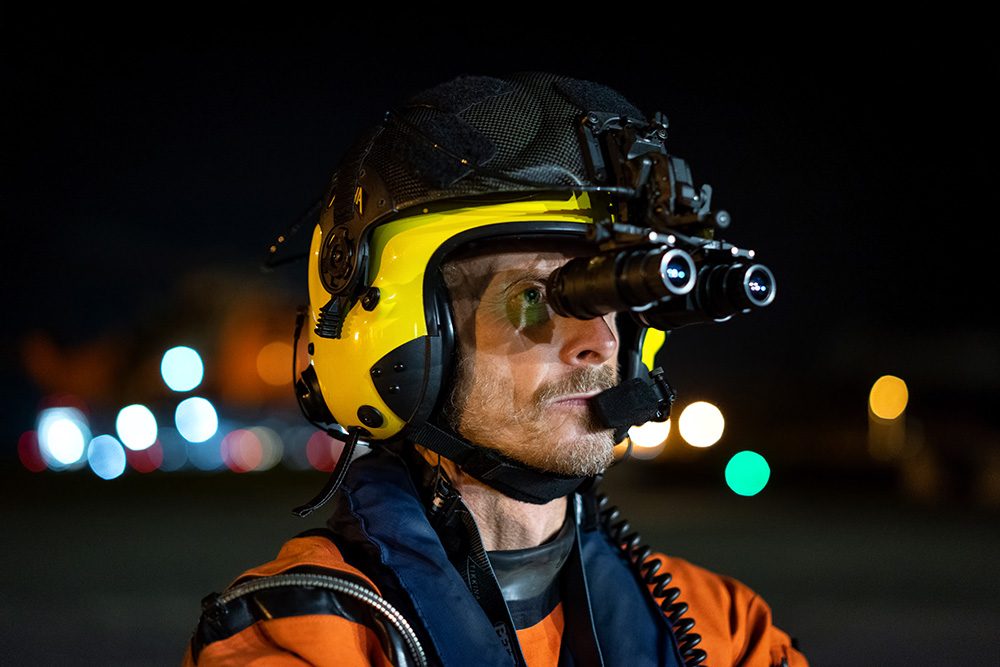
- Navigation: Pilots flying helicopters or small planes can see runways, obstacles, and terrain at night.
- Search at sea: Coast guards and rescue boats search for people or objects in the water.
- Collision avoidance: Ship crews spot other vessels or floating debris that is hard to see with the naked eye.
For example, helicopter pilots landing in remote areas at night rely on night vision to avoid hazards on the ground.
Industrial And Utility Work
Some jobs must be done at night or in dark places. Utility workers, miners, and engineers use night vision goggles for:
- Power line repairs: Working safely during blackouts or nighttime storms.
- Mining: Exploring underground tunnels where normal lighting is limited.
- Pipeline inspection: Detecting leaks or checking infrastructure after sunset.
Using night vision increases worker safety and cuts downtime, especially when repairs can’t wait until daylight.
Home And Personal Use
With prices dropping, some people buy night vision goggles for personal use. Common reasons include:
- Home security: Watching the yard or checking noises at night.
- Recreation: Exploring nature, watching wildlife, or stargazing.
- Emergency preparedness: Being ready for power outages or disasters.
While consumer models are less powerful than military versions, they still provide a big advantage in darkness.
Scientific Research
Scientists use night vision for many kinds of studies, not just wildlife. Some examples:
- Astronomy: Observing the night sky or working at observatories without ruining night vision with bright lights.
- Geology: Exploring caves or volcanic areas safely.
- Environmental monitoring: Checking pollution, plant growth, or animal activity at night.
Night vision goggles open up new possibilities for research that would be impossible in daylight.
Common Mistakes And User Insights
Beginners often think night vision goggles work like sunglasses or are just for “seeing in the dark.” Here are two important insights:
- Night vision does not make darkness bright as day. Even the best goggles give a limited, usually green-tinted view. Depth perception can be tricky, and sudden bright lights can damage the device or blind the user.
- Thermal and image-intensifying goggles are different. Thermal goggles can see through smoke and spot warm objects, but they don’t show clear details like faces or writing. Choose the right type for your needs.
Another mistake is forgetting about battery life. Night vision goggles use a lot of power, especially if they have extra features like recording or wireless transmission.
Legal And Ethical Considerations
Not everyone can buy or use night vision goggles freely. In some countries, owning military-grade devices is illegal for civilians. Using night vision for hunting or surveillance might also be regulated.
Always check local laws before buying or using night vision gear. Respect privacy—using these devices to spy on people without permission is both illegal and unethical.
Buying Tips And What Matters Most
If you are thinking of buying night vision goggles, consider these factors:
- Generation: Higher generation means clearer image, but higher cost.
- Purpose: Choose goggles that fit your main use—recreation, work, or research.
- Comfort: Lightweight, adjustable models are better for long use.
- Battery life: Longer battery life is important for extended use.
- Weather resistance: Waterproof or rugged models are best for outdoor use.
Compare specifications and read reviews from trusted sources. For more details, the Wikipedia page on night vision devices has in-depth technical information.
Price Comparison: Civilian Night Vision Goggles
To help you understand the market, here’s a quick price comparison:
| Type | Generation | Price Range (USD) | Typical Use |
|---|---|---|---|
| Entry-level | Gen 1 | $100 – $400 | Home, camping |
| Mid-range | Gen 2 | $500 – $1,500 | Hunting, research |
| Professional | Gen 3/4 | $2,000 – $8,000+ | Military, rescue |
Tip: It’s better to buy the best goggles you can afford for your needs, rather than just choosing the highest generation.

The Future Of Night Vision Goggles
As technology gets better, night vision goggles are becoming lighter, smarter, and more affordable. Some new models add features like:
- Digital recording: Capturing what you see.
- Augmented reality: Showing maps or data overlays in your view.
- Wireless connection: Streaming video to other devices.
In the future, night vision could become as common as smartphones for certain jobs and hobbies.
Frequently Asked Questions
What Is The Main Purpose Of Night Vision Goggles?
The main purpose is to let people see in low light or total darkness. This is useful for military, law enforcement, rescue, security, wildlife research, and outdoor activities.
Can Civilians Legally Use Night Vision Goggles?
In many countries, civilians can own basic night vision goggles. However, owning or using military-grade versions is often restricted. Always check your local laws before buying.
What Is The Difference Between Thermal And Image-intensifying Night Vision Goggles?
Thermal goggles detect heat and work well in total darkness, smoke, or fog. Image-intensifying goggles amplify existing light and usually show more details. Each type is better for different tasks.
Are Night Vision Goggles Safe For Your Eyes?
Yes, when used correctly. However, looking at bright lights through night vision can damage both the device and your eyes. Always follow the instructions and avoid sudden light sources.
How Far Can You See With Night Vision Goggles?
This depends on the generation and model. Basic models may show 50-100 meters clearly, while advanced military versions can reach up to 300 meters or more.
Night vision goggles have changed the way people work, explore, and stay safe after dark. Whether for saving lives, protecting property, or simply enjoying nature at night, their uses are wide and growing. By understanding how they work and where they fit best, you can choose the right device for your needs and use it safely and responsibly.

