Night vision goggles have always captured the imagination. From action movies to military missions, these devices unlock the hidden world of darkness. But how far can night vision goggles see in real life? The answer is not as simple as one number.
In fact, the range depends on many factors, including technology type, environment, and even the user’s eyes. Understanding these details is key if you are thinking about buying night vision goggles or simply want to know how they work.
This guide explores every aspect of night vision goggle range. You’ll learn about the science behind these devices, what affects their performance, and what you can expect in different situations. With clear examples, real data, and easy comparisons, you’ll discover how far night vision goggles can truly see and how to choose the right one for your needs.
How Night Vision Goggles Work
Night vision goggles are designed to make dark scenes visible to the human eye. They do this by collecting and amplifying small amounts of light, such as starlight or moonlight. The main types of night vision technology are image intensification and thermal imaging.
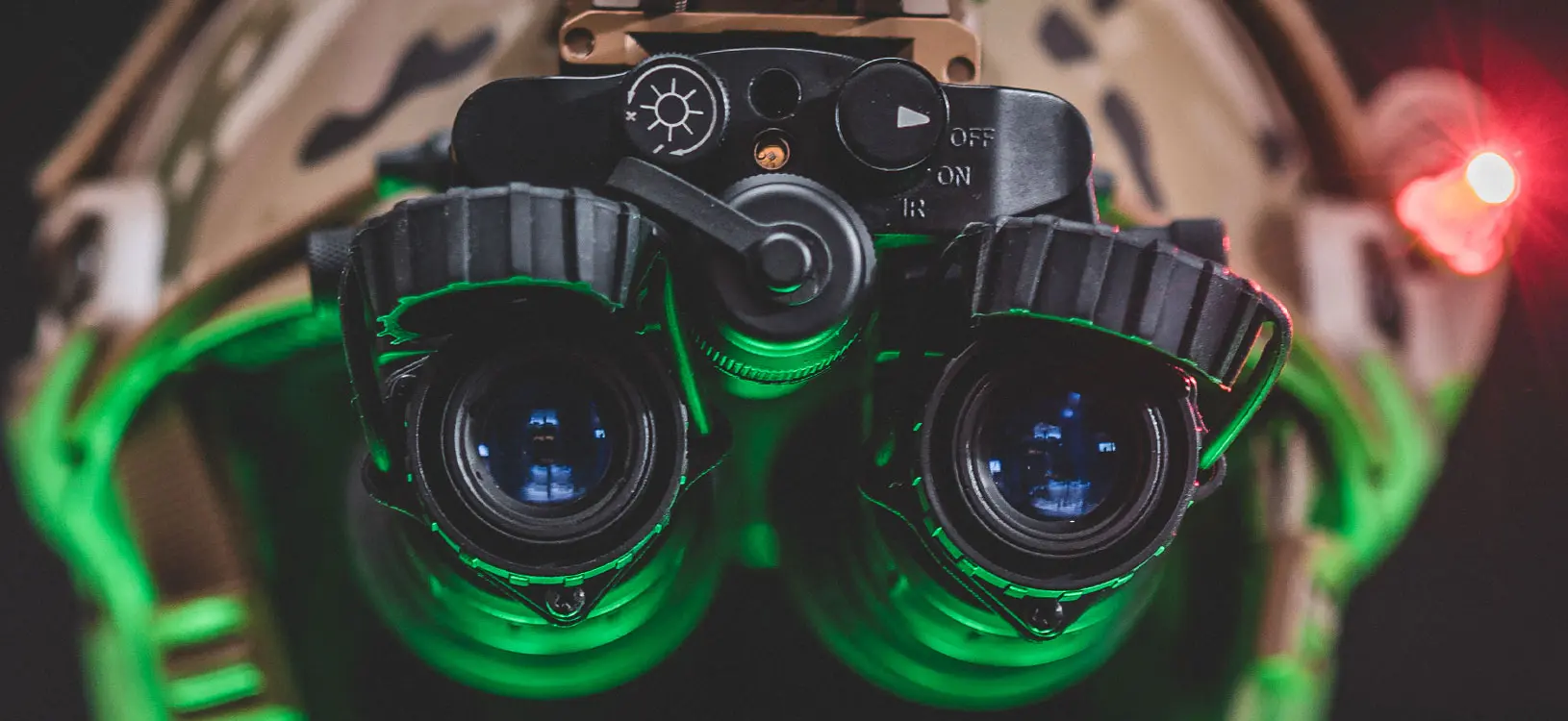
Image intensification night vision goggles use a special tube to collect weak light and make it much brighter. This is what gives you the classic green-tinted image. These are the most common goggles for military, law enforcement, and civilian use.
Thermal imaging goggles work differently. They detect heat instead of light. These goggles can “see” warm objects—like people or animals—even in complete darkness.
Both types have their strengths and weaknesses, and their range is measured differently. Knowing which type fits your purpose is the first step in understanding range.
What Affects The Range Of Night Vision Goggles?
Many people think night vision goggles have a fixed range, but the truth is more complex. Here are the main factors that influence how far you can see:
- Technology Generation: Night vision goggles come in generations (Gen 1, Gen 2, Gen 3, and now Gen 4 and digital). Each generation brings better clarity, brightness, and distance.
- Amount of Light: More available light (like a bright moon) means you can see farther. In total darkness, the range is much shorter—unless you use an infrared illuminator.
- Objective Lens Size: A larger lens can gather more light, increasing the range.
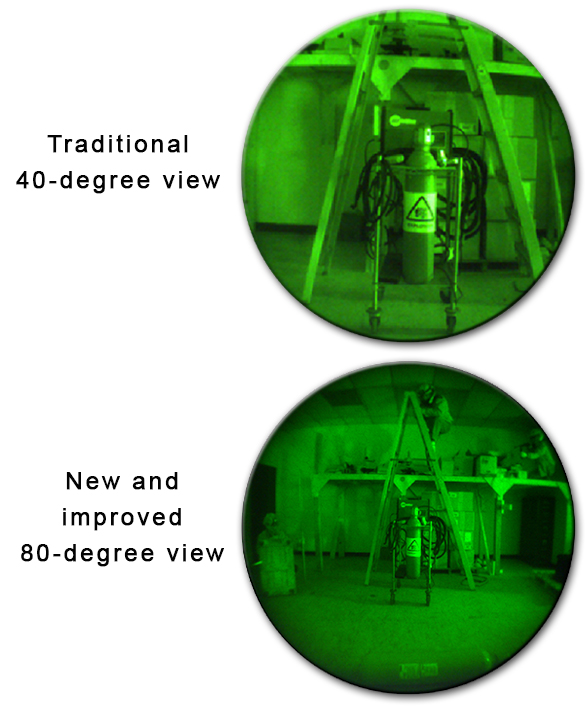
- Field of View (FOV): A wide FOV lets you see more area but may reduce detection distance.
- Atmospheric Conditions: Fog, rain, or smoke can block light and heat, reducing range.
- Target Size and Contrast: Larger or more reflective objects are easier to spot at a distance.
- User’s Eyesight: Good eyesight means you can see clearer images at longer distances.
Understanding these factors will help you choose the right goggles and set realistic expectations for their performance.

Range By Night Vision Generation
Night vision goggles are often described by their generation. Each generation uses different technology, which affects how far you can see.
| Generation | Typical Range (Detection) | Typical Range (Recognition) |
|---|---|---|
| Gen 1 | 75–100 meters | 30–50 meters |
| Gen 2 | 150–200 meters | 75–100 meters |
| Gen 3 | 300–350 meters | 150–200 meters |
| Gen 4 & Digital | 400–500 meters | 200–300 meters |
Detection means you can tell something is there. Recognition means you can tell what it is. For example, at 100 meters, you might see a person moving, but you may not know if it’s a friend or a stranger until you get closer.
Why Range Numbers Vary
Manufacturers usually give the best-case scenario: clear night, open field, big target, and healthy eyes. In real life, forests, fog, or city lights can reduce range by half or more. Always expect real-world performance to be lower than the numbers on the box.
Image Intensification Vs. Thermal Imaging Range
While image intensification goggles work by amplifying light, thermal goggles work by detecting heat differences. The range for each type is measured differently.
| Type | Best For | Typical Range |
|---|---|---|
| Image Intensification | Seeing in low light | 100–350 meters |
| Thermal Imaging | Seeing through fog, smoke, foliage | 500–1000 meters (detection) |
Thermal goggles can “see” much farther because warm objects stand out from the background. For example, a person can be detected at 800 meters with a good thermal device. However, these devices often show less detail, so you may only see a shape, not a face.
Real-world Examples
Let’s compare three scenarios to show how far you can see with night vision goggles.
Military Operations
Soldiers often use Gen 3 or Gen 4 goggles. On a clear night, they can detect movement at 300–400 meters and recognize a person at 150–200 meters. In forests or during rain, the range can drop to less than 100 meters.
Wildlife Observation
Hunters or wildlife watchers using Gen 2 goggles may spot deer at 150 meters, but only recognize the animal at 75 meters. With thermal goggles, detection can go up to 600 meters, but you may not know if it’s a deer or another animal until much closer.
Security And Law Enforcement
Police may use digital night vision for surveillance. In urban areas with some streetlights, they can detect people up to 200 meters. In total darkness, range drops unless they use an infrared illuminator to add invisible light.
How To Increase Night Vision Goggle Range
If you want to see farther at night, there are a few ways to boost your goggle’s performance:
- Use an Infrared Illuminator: This works like a flashlight, but with invisible light. It can double your range in total darkness, especially with Gen 1 and Gen 2 goggles.
- Choose a Larger Objective Lens: Bigger lenses gather more light, increasing the distance you can see.
- Keep Lenses Clean: Even small amounts of dirt or fog on your lens can lower image quality and range.
- Check Battery Power: Weak batteries mean dimmer images and shorter range.
- Upgrade Your Device: Higher-generation goggles or thermal imaging can dramatically improve range.
- Avoid Looking Through Glass: Many night vision goggles cannot see through glass well, as it reflects or blocks infrared light.
These tips can help you get the most out of your equipment, but remember, even the best goggles have limits.
Common Mistakes When Estimating Night Vision Range
Many first-time users expect night vision goggles to work like daytime binoculars. This leads to disappointment. Here are some mistakes to avoid:
- Believing Manufacturer Claims Without Question: Always check for real-world tests, not just ideal numbers.
- Ignoring Environmental Conditions: Fog, rain, and dust can cut range by more than half.
- Assuming You Will See Faces Clearly at Maximum Range: Most goggles can detect shapes farther than they can show details.
- Not Accounting for Eye Fatigue: Using night vision for long periods can strain your eyes, making distant objects harder to see.
- Overlooking the Importance of Training: Practice helps you spot details and judge distance better at night.
Many beginners don’t realize that infrared illuminators can be seen by some animals and other night vision devices. This can give away your position if you need to stay hidden.
Night Vision Range In Different Environments
The type of environment plays a big role in how far you can see.
Open Fields
Night vision goggles perform best in open spaces with few obstacles. Detection range is highest here.
Forests And Dense Vegetation
Trees and bushes block both light and heat. Range drops sharply, often to half or less compared to open areas.
Urban Areas
Streetlights and car headlights can “wash out” the image, making it hard to see. However, digital night vision works better in mixed light.
Fog, Smoke, And Rain
These conditions can reduce range by 70% or more. Thermal goggles handle smoke and fog better than image intensifiers.
Mountain And Desert
Clear air and open views mean you get the longest possible range, especially with high-end goggles.
Night Vision Goggle Range Vs. Human Eye
It’s helpful to compare night vision goggles to what you can see with your own eyes at night.
| Device | Typical Night Range |
|---|---|
| Human Eye (full moon) | 10–30 meters (recognition) |
| Gen 1 Night Vision | 75–100 meters (detection) |
| Thermal Goggles | 500–1000 meters (detection) |
As you can see, even basic night vision goggles give you a big advantage over your natural eyesight.
Key Insights Beginners Miss
Many new users believe that night vision goggles will let them see as well as they do in daylight. In reality, the image is less sharp, and identifying details at long range is difficult. Another common oversight is the effect of contrast—a dark animal against a dark background is much harder to spot, even with good goggles.
Also, most people don’t realize that the field of view becomes narrower as you use higher magnification. You may see farther but lose awareness of what’s happening on your sides.
What Is The Maximum Range Ever Achieved?
Some military-grade thermal scopes have detected vehicles at over 2,000 meters. However, these are specialized devices, not typical goggles. For regular users, the practical limit for handheld night vision goggles is around 500 meters for detection, and 200–300 meters for recognition, even with top models.
Choosing The Right Night Vision Goggles For Your Needs
If you want to pick the right goggles, think about:
- Your main use (hunting, security, navigation)
- Budget (higher generation = higher price)
- Typical environment (open fields, forests, urban)
- Need for stealth (infrared illuminators can reveal your position)
- Weight and comfort (heavier goggles are tiring to wear)
Read reviews from real users and, if possible, test goggles in your intended environment before buying. For more detailed technical data, you can visit the Wikipedia Night Vision Device page.
Frequently Asked Questions
How Far Can Gen 1 Night Vision Goggles See?
Gen 1 goggles can typically detect a human-sized target at 75–100 meters in good conditions. Recognition (knowing what you’re looking at) is usually possible up to 30–50 meters.
Do Night Vision Goggles Work In Total Darkness?
Most night vision goggles need some light to work. In total darkness, an infrared illuminator is needed. Thermal goggles, however, work even in zero light because they detect heat.
Can Night Vision Goggles See Through Walls Or Glass?
No, night vision goggles cannot see through walls. Most also cannot see through glass, since it reflects or blocks infrared light.
Are Thermal Goggles Better Than Night Vision Goggles?
Thermal goggles have a longer detection range and can see through smoke, fog, and some camouflage. However, they show less detail than image intensification goggles and cost more.
What Is The Difference Between Detection And Recognition Range?
Detection range is how far you can tell something is there. Recognition range is the distance at which you can identify what the object is. Recognition range is always shorter.
Night vision goggles open up a new world, but their range depends on many factors. By understanding these, you’ll know what to expect and how to choose the right device for your needs.