Night vision goggles unlock a world that is usually hidden in darkness. Whether you’re a wildlife observer, security professional, or just curious about the night, these devices let you see what your eyes alone cannot. But night vision goggles are just the start.
With the right accessories, you can see farther, move more comfortably, and get more out of every night adventure. Many people overlook the power of good accessories. The truth is, the right add-ons can make your night vision gear perform better, last longer, and suit your exact needs.
Let’s explore the full range of accessories available for night vision goggles. This guide covers all the essentials, plus a few advanced options you might not know about. By the end, you’ll know exactly what’s possible and how to choose wisely.
Mounting Systems
Mounting systems are one of the most important accessories for night vision goggles. They let you use your goggles hands-free, which is essential for tasks like navigation, driving, or tactical movement.
Helmet Mounts
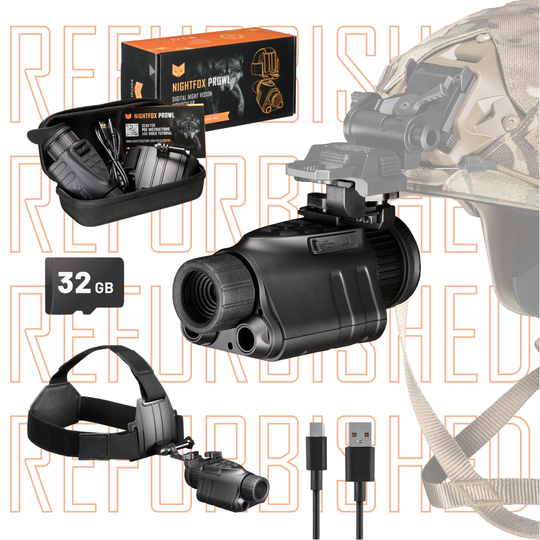
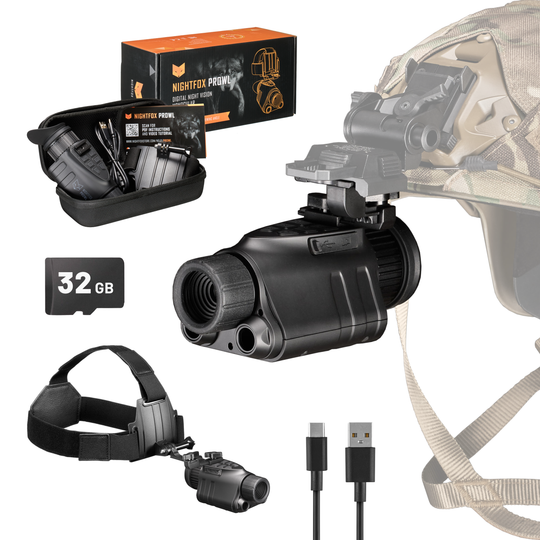
Helmet mounts attach your goggles directly to a helmet. This is the most stable and comfortable way to wear night vision for long periods. Many military and law enforcement users prefer this method because it keeps the goggles steady and aligned with your eyes.
Some helmet mounts include a “flip-up” feature, letting you move the goggles out of your line of sight when not needed.
Head Harnesses
A head harness is a lighter alternative to a helmet. It’s a strap-based frame that fits around your head, holding the goggles in place. Head harnesses are popular for hikers, campers, and anyone who wants less bulk. They’re more comfortable in hot weather but don’t offer the same protection as a helmet.
Weapon Mounts
For hunters or tactical users, weapon mounts let you attach night vision goggles or monoculars to a firearm. This setup allows you to aim and shoot accurately in low light. Be careful: not all night vision devices are designed to handle the recoil of firearms. Always check compatibility and durability before using a weapon mount.
Lens And Optical Accessories
The lens is the heart of any night vision device. But you can upgrade and adapt your goggles with special lens accessories.
Magnifiers
Magnifier lenses increase the zoom power of your goggles, letting you see distant objects more clearly. Some models offer 3x, 5x, or even higher magnification. The trade-off is a narrower field of view and more weight. Magnifiers are great for surveillance, search and rescue, and wildlife watching.
Objective Lens Covers
Dust, moisture, and scratches can damage your goggles’ main lens. Lens covers protect your investment during transport or storage. Some covers are see-through, allowing you to use the goggles in bright light without damage.
Lens Filters
Filters can change how your goggles see the world. For example, a long-pass filter blocks certain wavelengths to reduce glare, while a polarizing filter can cut reflections from water or glass. These are advanced accessories, but they’re valuable for specific jobs like navigation or law enforcement work.
Illumination And Lighting
Night vision goggles multiply available light, but sometimes there’s just not enough. That’s where special lighting accessories come in.
Infrared Illuminators
IR illuminators are like invisible flashlights. They shine infrared light that your goggles can see, but human eyes cannot. This lets you see farther in total darkness, such as inside buildings or under dense trees. Some IR illuminators are built into goggles; others are separate units you can attach or carry.
Flashlight Adapters
Some users want to switch between night vision and regular light. Flashlight adapters attach a small LED or IR light directly to your goggles or helmet. This is handy for reading maps or signaling, and you can control the light without using your hands.
Power And Battery Accessories
Night vision goggles need power. Running out of battery at the wrong time is a common problem, but the right accessories can help.
Battery Packs
High-quality battery packs let you run your goggles for many hours. Some attach to your belt or helmet and connect by a cable, helping to balance weight. Smart battery packs may include charge indicators or quick-swap features.
Rechargeable Batteries
Switching from disposable to rechargeable batteries saves money and reduces waste. Some night vision brands offer their own rechargeable packs, while others use standard AA or CR123 batteries.
Battery Adapters
Adapters let you use different battery types in your goggles. This is useful if you travel or work in remote areas where your usual batteries may not be available.
| Accessory | Main Benefit | Typical Usage Time |
|---|---|---|
| Standard Battery Pack | Lightweight, easy to swap | 4-8 hours |
| High-Capacity Battery Pack | Longer runtime, heavier | 10-20 hours |
| Rechargeable Batteries | Cost-effective, eco-friendly | 6-12 hours |

Protective Accessories
Night vision goggles are sensitive and expensive. Protection is key if you want them to last.
Hard And Soft Cases
A protective case shields your goggles from impact, dust, and water. Hard cases are best for rough travel or storage, while soft cases offer lightweight protection for daily use. Many come with padded compartments for accessories.
Lens Cleaning Kits
Dust and fingerprints can lower image quality. A cleaning kit typically includes a brush, microfiber cloth, and lens-safe cleaning fluid. Never use regular tissue, as it can scratch the lens.
Sacrificial Windows
A sacrificial window is a thin, replaceable lens cover that takes the damage instead of your main lens. These are especially useful in harsh environments, like deserts or urban areas with flying debris.
Communication Accessories
Some night vision missions need teamwork. Communication accessories make it easier to share information without removing your goggles.
Headsets And Microphones
Tactical headsets fit under or around your helmet, letting you talk quietly with your team. Boom microphones can be adjusted for comfort, and some headsets include noise reduction for loud environments.
Wireless Transmitters
Wireless transmitters send video or audio from your goggles to a base station or another team member. This is useful for surveillance, training, or live streaming your view.
Recording And Digital Integration
Modern night vision goggles can do more than just help you see.
Video Recorders
Video recording modules let you capture what you see in real time. Some goggles have built-in recorders; others need an external module. Video evidence can be crucial for law enforcement, research, or sharing rare wildlife encounters.
Smartphone Adapters
A smartphone adapter connects your night vision goggles to your phone. This lets you view, record, or share footage instantly. It’s a new trend that makes night vision more social and practical.
Data Overlay Modules
Advanced users, like search and rescue teams, can add a data overlay accessory. This shows GPS data, compass direction, or even maps directly on your night vision display. It reduces the need to check other devices and keeps your focus on the mission.
Comfort And Customization Accessories
Night vision goggles can be heavy or awkward if not set up right. Comfort accessories make long use easier.
Counterweights
A counterweight attaches to the back of your helmet or head harness. It balances the weight of the goggles in front, reducing neck strain. This is a must-have for extended use or heavy devices.
Padding Kits
Extra padding around the head or face improves comfort and fit. Some users add gel pads or foam liners to their harness or helmet. Good padding can prevent headaches and keep the goggles stable.
Eye Cups And Shields
Eye cups block stray light and protect your eyes. They also prevent others from seeing the glow of your goggles in the dark, which can be important in tactical situations.
| Comfort Accessory | Main Benefit | Best For |
|---|---|---|
| Counterweight | Reduces neck strain | Long missions |
| Padding Kit | Improved fit | All users |
| Eye Cups | Light blocking | Tactical, stealth |
Environmental And Weather Accessories
The outdoors can be tough on electronics. Environmental accessories protect your goggles from the elements.
Anti-fog Inserts
Anti-fog inserts are small pads or wipes that absorb moisture, preventing your lenses from fogging up. This is especially useful in humid or cold conditions.
Rain Covers
Rain covers slip over your goggles to keep water out. Some are clear, so you can still use the goggles in the rain without damaging electronics.
Thermal Shields
If you’re using night vision in extreme cold, a thermal shield keeps the device at the right temperature. This prevents condensation and protects sensitive electronics from freezing.
Advanced Accessories
For those who want the ultimate night vision experience, there are some high-tech options available.
Laser Rangefinders
Some goggles can be paired with a laser rangefinder. This accessory measures the distance to objects you see, which is vital for navigation, hunting, or rescue missions.
Gps Integration Modules
A GPS module can be added to some night vision goggles. This accessory displays your location, tracks your route, and can mark waypoints, making navigation at night much easier.
Remote Controls
Remote controls allow you to adjust settings, like brightness or focus, without touching the goggles directly. This is helpful for surveillance or when your hands are busy.
What Most Beginners Miss
Many new users focus only on the goggles themselves, missing how much accessories can change the experience. For example, a simple counterweight can make hours of use much more comfortable, but it’s often left out of first-time setups. Another common mistake is ignoring lens protection—scratches or dirt can permanently reduce image quality.
Investing in a good lens cover or sacrificial window is cheap insurance for such an expensive device.
Another insight: not all accessories are universal. Brands, models, and even generations of night vision devices may need special mounts, cables, or cases. Always check compatibility before buying. Saving money on a generic part can lead to breakage or poor performance.
Choosing The Right Accessories
With so many options, how do you pick what you need? Start by thinking about your main use. If you’re walking or hiking, comfort and mounting systems matter most. If you’re filming wildlife, look at recording or smartphone adapters. Tactical users should focus on protection, communication, and stealth.
Don’t forget your environment. Wet, dusty, or very cold places call for extra protective and environmental gear. If you travel, lightweight and compact accessories may be more important than high-tech options.
Quality matters. Cheap accessories may break at the worst time or even damage your goggles. It’s worth spending a bit more on trusted brands or reviewing advice from experts. For official compatibility details, the Wikipedia night vision device page is a good starting point.
Frequently Asked Questions
How Do I Know If An Accessory Fits My Night Vision Goggles?
Check your goggle’s model and brand. Most accessories are made for specific devices. Look for compatibility information in the product description or on the manufacturer’s website. When in doubt, ask the seller or look for user reviews that mention your goggle model.
Can I Use Regular Batteries In My Night Vision Goggles?
Some night vision goggles use standard batteries like AA or CR123, while others need special rechargeable packs. Check your manual. Using the wrong batteries can damage your device or reduce performance. Battery adapters are available if you need to use different types.
Are All Ir Illuminators The Same?
No. IR illuminators differ in power, beam type (wide or focused), and wavelength. Higher power means more range but can drain batteries faster. Some illuminators are visible to animals or other night vision users, so choose carefully based on your activity.
Is It Safe To Use Night Vision In The Rain?
Most night vision goggles are water-resistant, not waterproof. Using them in heavy rain without a cover can cause damage. Always use a rain cover or case for protection, and dry the device as soon as possible if it gets wet.
What’s The Best Way To Clean Night Vision Lenses?
Use a lens cleaning kit with a microfiber cloth and special cleaning fluid. Never use paper towels, your shirt, or harsh chemicals. Clean gently to avoid scratching the sensitive lens coating.
Night vision goggles open up a new world after dark. Accessories let you customize your experience, work more safely, and protect your investment. Whether you’re a beginner or a seasoned expert, choosing the right accessories makes all the difference. Take your time, do your research, and enjoy every adventure the night has to offer.