Have you ever wondered what makes a mirrorless camera different from a traditional one? If you’re curious about how your camera captures those stunning images without a bulky mirror inside, you’re in the right place.
Understanding how a mirrorless camera works can change the way you take photos and help you choose the perfect gear for your needs. Keep reading, and you’ll discover the simple secrets behind this powerful technology—and why it might be the best choice for your next shot.
Mirrorless Camera Basics
Mirrorless cameras are a popular choice for many photographers today. They offer high-quality images in a compact size. Understanding how these cameras work helps you use them better. This section explains the basic parts and how they capture photos.
Core Components
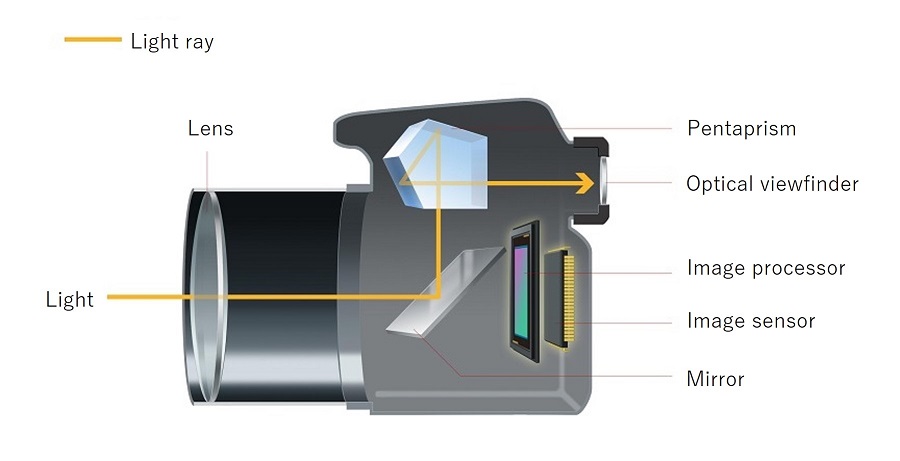
The main parts of a mirrorless camera include the sensor, lens, and electronic viewfinder. The sensor captures light and turns it into an image. The lens focuses light onto the sensor. The electronic viewfinder shows a live preview of the scene.
Unlike traditional cameras, mirrorless cameras do not have a mirror inside. This makes the camera smaller and lighter. The lack of a mirror also means fewer moving parts. This helps the camera take pictures quietly and quickly.

How It Captures Images
Light enters through the lens and hits the sensor directly. The sensor records the light and color information. This data is then sent to the camera’s processor. The processor creates the final image you see.
The electronic viewfinder or LCD screen shows a live image from the sensor. This lets you see exactly what the camera will capture. You can adjust settings like focus and exposure before taking the picture. This process makes shooting more precise and easy.
Electronic Viewfinder Magic
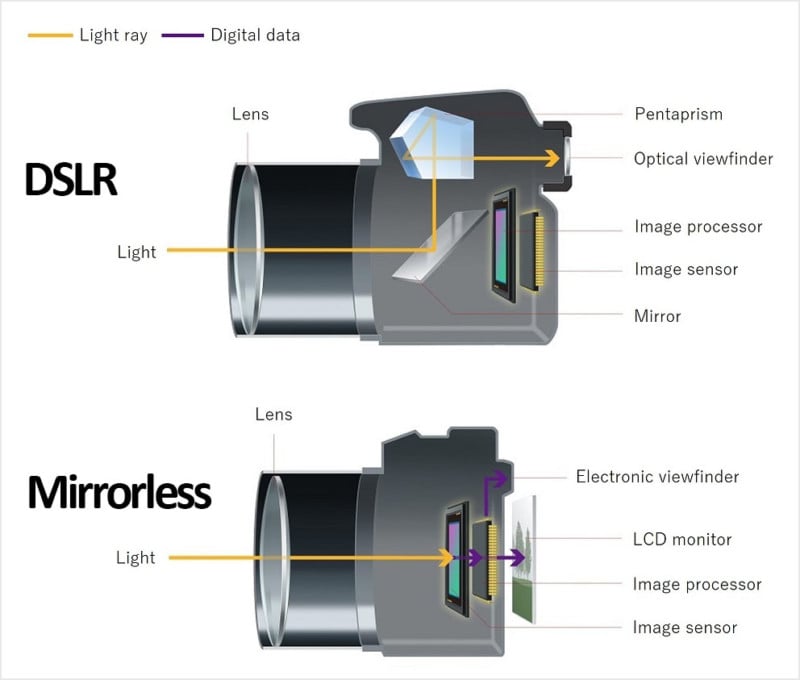
The electronic viewfinder (EVF) is a key part of mirrorless cameras. It replaces the traditional optical viewfinder found in DSLR cameras. The EVF shows a digital image directly from the camera’s sensor. This allows you to see exactly what the camera sees.
This digital preview offers many benefits. It helps you compose shots better and check settings quickly. The EVF brings a new level of control and precision to photography.
Live Preview Advantage
The EVF gives a live preview of your scene. You see the real-time image with all camera settings applied. This means you can adjust focus, zoom, and framing with ease.
Unlike optical viewfinders, the EVF shows the actual image sensor captures. This helps avoid surprises in your photos. It is especially useful in tricky lighting or fast-moving scenes.
Real-time Exposure Feedback
The EVF displays exposure changes instantly. When you change ISO, shutter speed, or aperture, you see the effect right away. This feedback helps you get the right brightness without trial and error.
You can spot overexposed or underexposed areas quickly. This saves time and helps capture better photos every time.
Autofocus System
The autofocus system in mirrorless cameras helps keep your pictures sharp. It adjusts the lens to focus on your subject quickly. This system works differently from traditional cameras because mirrorless cameras do not have mirrors inside. There are three main types of autofocus systems used in these cameras.
Contrast Detection
Contrast detection uses the image sensor to find the sharpest point. The camera looks for areas with the most contrast in the picture. It moves the lens back and forth to find the best focus. This method is accurate but can be slower in low light or with moving subjects.
Phase Detection
Phase detection uses special sensors on the image chip. It compares two images to see if the subject is in focus. This system is faster than contrast detection. It works well for tracking moving objects and shooting quickly.
Hybrid Autofocus
Hybrid autofocus combines contrast and phase detection methods. It uses phase detection for speed and contrast detection for accuracy. This system offers a good balance between fast and precise focusing. Many modern mirrorless cameras use hybrid autofocus for better results.
Compact Design Benefits
Mirrorless cameras are known for their compact design. This design offers many benefits for photographers. A smaller camera means easier handling and better mobility. It suits both beginners and professionals who want to carry their gear comfortably. The compact size does not reduce performance. Instead, it enhances the shooting experience by making the camera less bulky and more user-friendly.
Lightweight And Portable
Mirrorless cameras weigh less than traditional DSLRs. This makes them easy to carry for long periods. Photographers can travel light without sacrificing image quality. The lightweight body reduces fatigue during shoots. It fits well in small bags or even large pockets. Portability allows quick setup and spontaneous shooting. Ideal for street photography, travel, and everyday use.
Lens Compatibility
Mirrorless cameras support a wide range of lenses. Many brands offer adapters for older DSLR lenses. This means users can use their existing lens collection. The shorter flange distance allows for more lens options. It also encourages innovation in lens design. Compact bodies with versatile lenses provide flexibility. Photographers can switch lenses easily without extra weight.
Image Quality Factors
Image quality is the heart of every mirrorless camera. It depends on many small parts working well together. Understanding these parts helps you choose the right camera. This section explains two important factors that affect image quality.
Sensor Size And Performance
The sensor captures light and turns it into a photo. Bigger sensors catch more light. This means clearer and sharper pictures. They also perform better in low light. Small sensors may add noise or grain to images. Sensor quality affects color accuracy and detail. Fast sensors can capture quick movements without blur. Mirrorless cameras often use large sensors to improve image quality.
Image Stabilization
Image stabilization helps reduce blur from shaky hands. It works by moving parts inside the camera or lens. This keeps the image steady during shooting. Good stabilization lets you use slower shutter speeds. It is very useful in low light or zoom shots. Some cameras have sensor-shift stabilization, moving the sensor itself. Others use lens-based stabilization. Many mirrorless cameras combine both for better results.
Video Capabilities
Mirrorless cameras offer strong video capabilities that appeal to many creators. Their design allows for fast and clear video capture. These cameras handle different video styles, from sharp high-definition clips to artistic slow motion and time-lapse shots. Understanding these features helps in choosing the right camera for your video needs.
High Resolution Recording
Mirrorless cameras can record videos in very high resolution. Many models support 4K or even higher quality. This means videos show clear details and vivid colors. High resolution helps when editing or cropping videos later. It also ensures your footage looks good on big screens.
Slow Motion And Time-lapse
These cameras often include slow motion and time-lapse modes. Slow motion captures fast movements in great detail by recording at high frame rates. Time-lapse compresses long events into short clips by taking photos at set intervals. Both features add creative effects to your videos. They make scenes more dramatic or visually interesting.
Battery Life And Usage
Battery life is a key factor for anyone using a mirrorless camera. These cameras use electronic parts that need power to work. Knowing how battery life works helps you plan your shoots better. It also avoids sudden power loss during important moments.
Power Efficiency
Mirrorless cameras use digital screens instead of mirrors. This change saves space but can use more battery power. The electronic viewfinder and LCD screen are the biggest power users. Some models have smart power-saving modes to help extend battery life. Newer cameras often have better batteries and efficient chips. These improvements allow longer shooting times without charging.
Tips To Extend Battery Life
Turn off the camera when not in use. Use the optical viewfinder if your camera has one. Lower the screen brightness to save energy. Avoid using continuous autofocus or video recording for long times. Carry extra batteries for long shoots or trips. Charge batteries fully before heading out. Keep batteries cool and dry to maintain their health.
Comparing Mirrorless And Dslr
Mirrorless cameras and DSLRs are two popular types of cameras. Both have strengths and suit different needs. Understanding their differences helps choose the right one. This section compares them based on speed, viewfinder, and size.
Speed And Performance
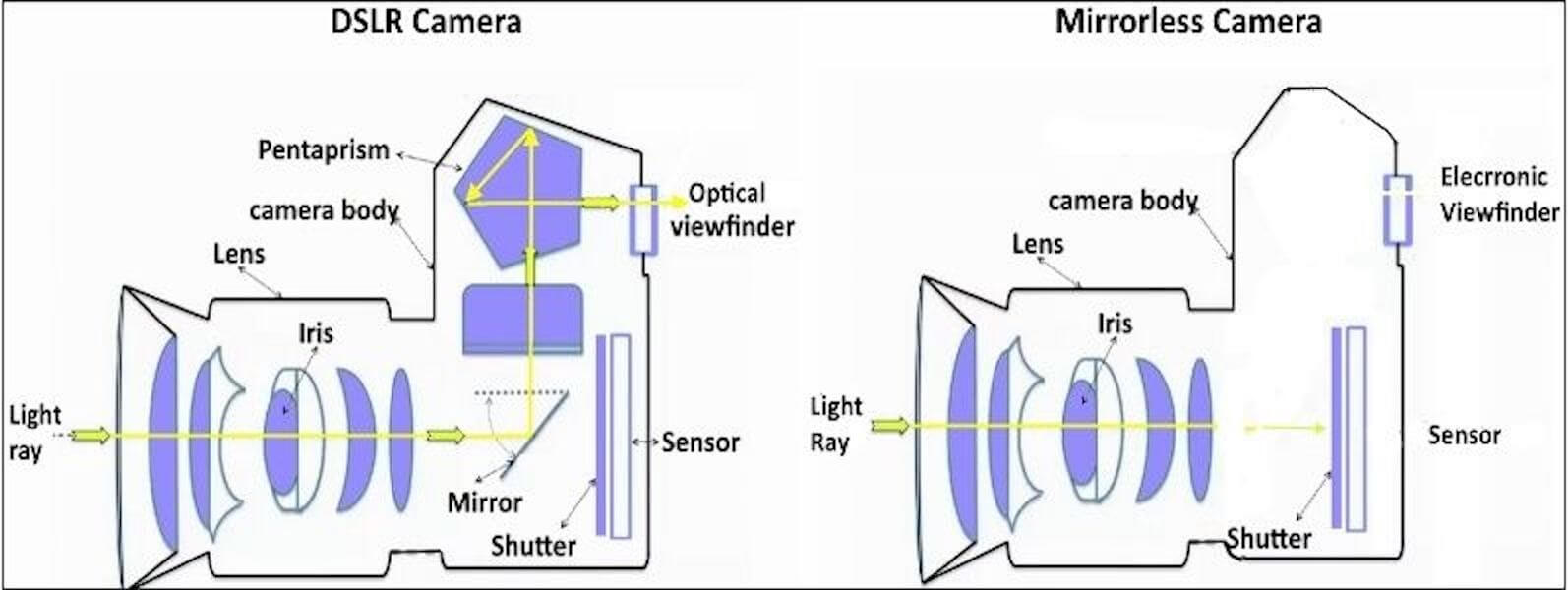
Mirrorless cameras use digital sensors to capture images quickly. They have faster autofocus because they use on-sensor phase detection. DSLRs rely on a mirror to direct light to the viewfinder. This can slow down autofocus in some cases. Mirrorless models excel in continuous shooting rates. DSLRs still perform well but may lag behind in burst mode speed.
Viewfinder Differences
DSLRs use optical viewfinders showing a direct view through the lens. This gives a natural image without delay. Mirrorless cameras have electronic viewfinders that show a digital preview. This lets you see exposure and color before taking the shot. Electronic viewfinders may have slight lag or lower resolution. Optical viewfinders remain clear in all lighting conditions.
Portability And Handling
Mirrorless cameras are generally smaller and lighter than DSLRs. They lack the mirror box, making the body compact. This size difference helps in travel and daily use. DSLRs are bulkier due to the mirror mechanism. Many photographers prefer DSLRs for better grip and balance. Mirrorless cameras offer easier handling for beginners and casual users.
Choosing The Right Mirrorless Camera
Choosing the right mirrorless camera can feel tricky. Many options exist. Each offers unique benefits. Picking the best one depends on your needs and budget. This guide helps simplify the choice. Focus on key points to decide wisely.
Budget Considerations
Start by setting a clear budget. Mirrorless cameras vary widely in price. Some cost as little as a few hundred dollars. Others can reach several thousand. Consider what you can spend comfortably. Remember to include extra costs like lenses and accessories. A higher price does not always mean better for your needs.
Feature Priorities
Think about the features you need most. Do you want high image quality or fast shooting speed? Is video recording important? Look for cameras with good autofocus if you shoot moving subjects. Some cameras offer touchscreens or image stabilization. Focus on features that match your style and goals. Avoid paying for features you won’t use.
Brand Options
Many brands make quality mirrorless cameras. Popular names include Sony, Canon, Nikon, and Fujifilm. Each brand has unique strengths and lens choices. Some brands offer better beginner-friendly models. Others focus on professional tools. Check brand support and available lenses before buying. Choose a brand that fits your long-term plans.
Frequently Asked Questions
How Does A Mirrorless Camera Capture Images?
A mirrorless camera uses a digital sensor to capture light directly. It lacks a mirror, unlike DSLR cameras, which makes it compact and quiet.
What Are The Benefits Of A Mirrorless Camera?
Mirrorless cameras are lightweight, offer faster autofocus, and provide real-time digital previews. They also support interchangeable lenses and advanced video features.
How Does Autofocus Work In Mirrorless Cameras?
Mirrorless cameras use on-sensor phase-detection or contrast-detection autofocus. This allows for quick and accurate focus, even during video recording.
Can Mirrorless Cameras Replace Dslrs?
Yes, mirrorless cameras can replace DSLRs for most users. They offer similar image quality and more portability, making them ideal for many photographers.
Conclusion
Mirrorless cameras use digital sensors to capture images quickly. They show what the lens sees on a screen or electronic viewfinder. This design makes cameras smaller and lighter than traditional models. Photographers enjoy fast focus and clear previews. Understanding how mirrorless cameras work helps in choosing the right gear.
They offer a modern way to take sharp, vibrant photos. Trying one can improve your photo experience. Simple and efficient. Perfect for many photography styles.