
The best wildlife observation blind blends silent windows, smart camo, and scent control.
You slip into position before dawn. The woods are still. A doe feeds at 40 yards, a fox skims the brush line, and a wren lands an arm’s length away. You hold your breath. What gives you away is not you; it’s noise, shine, and scent. The right blind, or even the right upgrade to your current setup, removes all three. In this guide, I break down the best wildlife observation blind gear and upgrades I trust in the field—windows that move in silence, camo that melts into the timber, and scent tools that keep noses calm.

Elusive Wildlife Original Deer Blind…
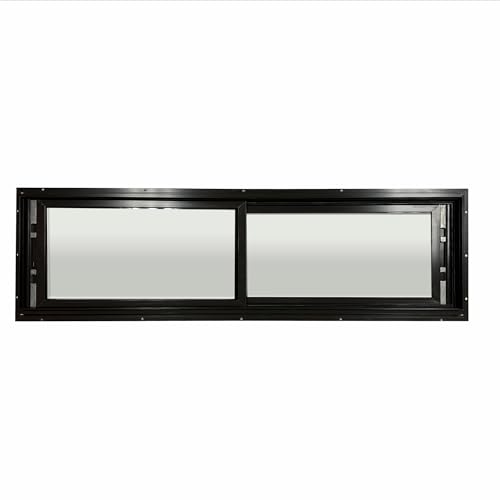
SLIDING DESIGN: Horizontal sliding window specifically engineered for deer blinds, offering smooth operation for quiet observation VERSATILE USE: Perfect for hunting season with a design that allows for multiple viewing…
Elusive Wildlife Original Deer Blind…
SLIDING DESIGN: Horizontal sliding window specifically engineered for deer blinds, offering smooth operation for quiet observation VERSATILE USE: Perfect for hunting season with a design that allows for multiple viewing…

Elusive Wildlife Original Deer Blind…
SWING SASH DESIGN: Entire glass window panel opens smoothly on hinges and locks open with magnetic catch plate providing maximum shooting opportunities and clear visibility while hunting WEATHER PROTECTION: Metal…
Elusive Wildlife T2 Slider Window 36 x 11.5 in
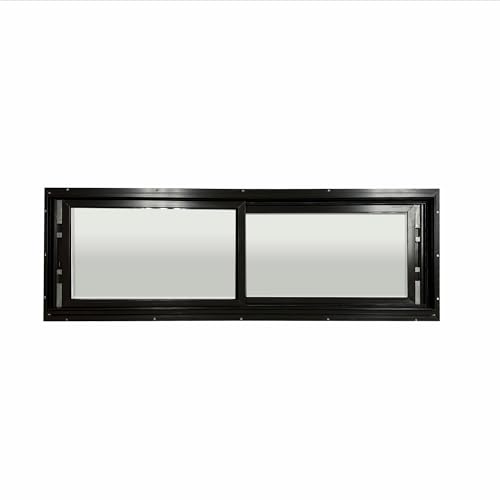
This Elusive Wildlife T2 horizontal slider is a strong upgrade for any hard-sided blind. The 36 x 11.5 inch opening gives a wide view while keeping the frame compact. The metal frame and glass panel help block wind, rain, and scent. The horizontal slide lets you open just enough to glass a trail or shoot photos without a big motion.
If you aim to build the best wildlife observation blind, smooth window action matters. This unit slides quietly when set and maintained. The clear glass keeps your view sharp at dawn and dusk. It also adds a clean, finished look to DIY blinds or retrofits.
Pros:
- Quiet horizontal slide reduces motion and noise
- Metal frame adds strength and weather protection
- Clear glass for a crisp, bright view
- Good size for side walls on compact blinds
- Helps control scent and wind drafts
Cons:
- Installation needs careful squaring and sealing
- Glass adds weight compared to acrylic
- Not tinted; may need camo curtain inside
My Recommendation
I like this model for small-to-medium walls where a long, low viewing lane makes sense. If you want the best wildlife observation blind for mixed cover, a horizontal slider like this lets you track movement without flaring animals. Pair it with a dark interior and a thin blackout curtain for extra concealment.
| Best for | Why |
|---|---|
| DIY blind upgrades | Easy to retrofit and improves weather seal |
| Low-profile observation | Horizontal slide allows subtle opening |
| Windy or wet areas | Metal frame and glass block the elements |
Elusive Wildlife T2 Slider Window 48 x 11.5 in

The 48-inch version extends your field of view along long lanes or food plots. It keeps the same metal frame and glass as the smaller T2 but adds 12 more inches of visibility. I like it for back walls and wide sides where you need a panoramic look. The slide is smooth and helps control noise during small adjustments.
In a best wildlife observation blind build, longer windows reduce the need to shift your body. That keeps you hidden and calm. You can track moving animals with minimal motion. Seal the frame with weatherproof tape and a fine bead of exterior caulk for top results.
Pros:
- Extra-wide viewing area for long lanes
- Durable metal frame and glass construction
- Horizontal slide allows quiet, precise opening
- Great for photo and video with tripods
- Improves passive scent control and draft blocking
Cons:
- Larger cutout requires careful framing support
- More glass area may reflect without inside shade
- Heavier than compact windows
My Recommendation
Choose this if you watch broad openings or need wide-angle shots. It helps create the best wildlife observation blind for fields, edges, or open hardwoods. Add a mesh camo curtain inside so you can peek without showing movement, and your setup will feel invisible.
| Best for | Why |
|---|---|
| Wide viewing walls | Long 48-inch span reduces body movement |
| Photo/video rigs | Space for lenses and steady panning |
| Field edges | Panoramic visibility for scanning |
Elusive Wildlife Swing Sash Window 24 x 11.5 in
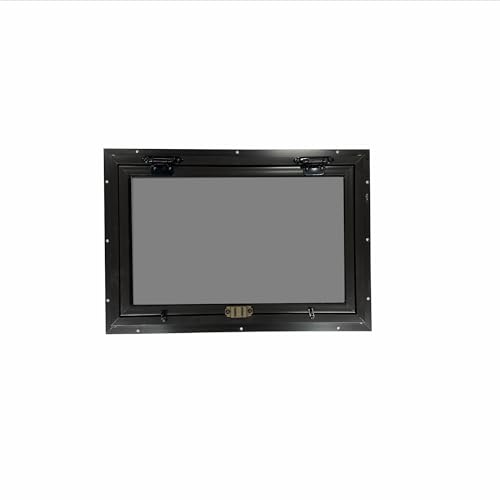
This framed swing sash is compact and tough. At 24 x 11.5 inches, it fits tight spaces and corner angles. The swing design opens fast when you need a full, clean opening. It is solid for static camera shots and for quick transitions from glassing to capturing action.
In pursuit of the best wildlife observation blind, I like mixing window styles. A swing sash gives you an immediate full-aperture view when needed. It also seals up tight against weather. Add a quiet latch or felt pads and it stays almost silent.
Pros:
- Compact size fits corners and tight walls
- Swing-open design for quick, full opening
- Sturdy metal frame and glass for durability
- Great as a dedicated camera port
- Strong weather protection when closed
Cons:
- More motion to open than a slider
- Needs room to swing inside the blind
- Hinge wear if not maintained
My Recommendation
Use this as a secondary window where fast, full opening helps. It lines up well with a tripod or a monopod. For a best wildlife observation blind layout, pair this on the corner with sliders on the long walls. You get speed, control, and quiet in one design.
| Best for | Why |
|---|---|
| Corner placements | Small footprint fits tight spots |
| Quick access | Swing sash opens fully in one move |
| Weather sealing | Closed sash blocks wind and rain |
GRVCN 300D Camo Burlap Blind Material
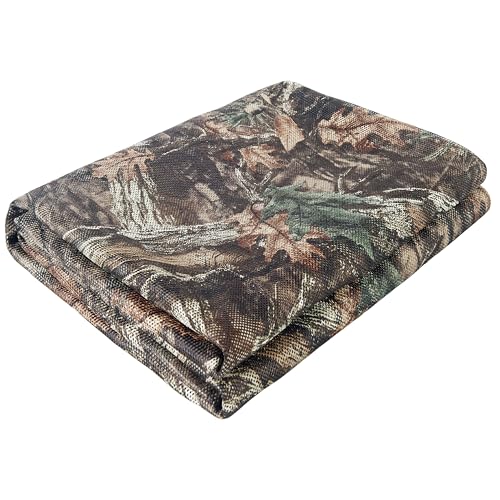
This 300D camo burlap is a flexible cover for ground blinds and quick screens. It breaks up hard edges with a natural, open-weave look. The material breathes, so it will not trap too much heat. It is also easy to cut and tie to brush, posts, or a pop-up frame.
If you want the best wildlife observation blind without building walls, start here. Wrap a small frame or your existing blind to match the local terrain. The print helps you blend in hedgerows, scrub, or timber lines. Add brush through the netting holes to level up your concealment.
Pros:
- Lightweight and easy to work with
- Natural texture breaks up outlines
- Breathable fabric for comfort
- Simple to cut and tie on site
- Great for quick pop-up hides
Cons:
- Not waterproof; needs a roof or liner
- Frays if cut without sealing edges
- Can flap in wind without extra ties
My Recommendation
I reach for this when I need a fast hide that still looks natural. It works for photographers, birders, and hunters. For the best wildlife observation blind in changing cover, pack this burlap and zip ties in your kit. You can move and adapt your blind as the season shifts.
| Best for | Why |
|---|---|
| Quick setups | Fast to cut and attach in the field |
| Brush country | Texture blends with scrub and hedges |
| Mobile observers | Lightweight and packable |
HME Vanilla Acorn Scent Web, 5 oz

This scented foam web sprays onto limbs or grass and dries into a scented “string.” The vanilla-acorn blend draws curiosity and helps distract noses near your blind. It lasts longer than simple sprays. I use it to create a light scent wall downwind of my setup.
A best wildlife observation blind is more than camo. It is also scent control. This tool is easy to carry and fast to apply. Put small webs at animal nose height. Re-apply after rain for best effect.
Pros:
- Foam web clings to branches and grass
- Longer-lasting scent than mist sprays
- Quick to deploy in low light
- Helps mask human odor near a blind
- Compact can fits small packs
Cons:
- May leave visible strands if overused
- Needs re-application after heavy rain
- Strong scent not ideal for all regions
My Recommendation
I suggest this for whitetail country or oak flats where food scents are normal. Use lightly to avoid overdoing it. For the best wildlife observation blind, combine low wind impact, clean entry routes, and a light scent web. It reduces alarm when the breeze shifts.
| Best for | Why |
|---|---|
| Edge setups | Helps calm noses near trails |
| Pre/post rut periods | Food scents feel natural |
| Quick hunts | Fast deploy and discard |
HME Cedar Scent Biscuits (3-Pack)

These cedar scent biscuits are simple, clean, and reusable. Hang them on branches or inside your blind to add a natural wood cover scent. The kit includes hooks and pins, so setup is easy. Cedar is a safe cover note in many habitats.
For a best wildlife observation blind, I like passive, subtle scent. These biscuits provide that. Rotate the chips to refresh the smell across a season. Store them in an airtight bag when not in use.
Pros:
- Natural cedar scent blends with timber
- Reusable chips with included hooks and pins
- No mess compared to liquids
- Good for blinds that stay set
- Air-tight storage protects longevity
Cons:
- Less reach than aerosol scents
- Wind direction still matters a lot
- May not fit open prairie settings
My Recommendation
Pick these if you run a semi-permanent hide in the woods. Cedar is neutral and gentle. It helps the best wildlife observation blind fade into a cedar thicket or pine edge. Use two biscuits near entry and one inside for a subtle but steady cover.
| Best for | Why |
|---|---|
| Timber blinds | Natural wood scent matches the environment |
| Set-and-forget hides | Long-lasting and low maintenance |
| Low-mess users | No liquid spills or sticky residue |
GRVCN 300D Camouflage Netting Panel
This GRVCN camo panel offers a realistic pattern with a durable 300D fabric. It is strong enough to take daily use and travel. The weave helps break up glare and hard edges. It shines when you need to mask a shiny surface or add depth to a blind.
To create the best wildlife observation blind, think layers. This panel serves as the outer skin. Pull local browse through the mesh to give a 3D look. Keep the interior dark for shadow advantage, and your outline vanishes.
Pros:
- Sturdy 300D fabric resists wear
- Realistic camo print for general terrain
- Easy to tie, hang, and remove
- Good light and glare control
- Adaptable for ground or elevated blinds
Cons:
- Not structured; needs a frame or brush
- Can hold water if bunched
- May fade with long sun exposure
My Recommendation
I suggest this as a wrap for blind exteriors and for hiding tripods. Use it to add depth and shadow. In my best wildlife observation blind layouts, this panel forms the outer “skin,” while burlap sits under it to mute shine and color contrast.
| Best for | Why |
|---|---|
| Layered concealment | Works well over burlap or mesh |
| Portable hides | Durable fabric for repeated use |
| Glare control | Pattern and texture mute shine |
Green Woodland Camo Netting 5 x 6.5 ft

This polyester mesh net is small, light, and easy to pack. The green woodland print works in spring and early season cover. It is useful for quick shade or as a front drape inside a blind. The size is right for a single-panel concealment or to hide gear.
To move closer to the best wildlife observation blind, add a net like this to your kit. You can change the pattern on the fly and cover bright spots. It is also handy as a lens veil for long lenses or scopes. The mesh breathes and lets sound pass naturally.
Pros:
- Lightweight and compact
- Good for early season green cover
- Breathable mesh keeps air moving
- Fast to deploy over brush
- Multi-use for gear concealment
Cons:
- Not a full blind by itself
- Limited shade in bright sun
- May snag on thorns
My Recommendation
Carry this when foliage is lush or when you need to mask a bright surface. It also serves as a front curtain in a blind window. For a best wildlife observation blind that adapts from spring to fall, swap this green mesh for a brown variant as colors fade.
| Best for | Why |
|---|---|
| Early season | Green pattern matches live foliage |
| Lens and gear cover | Soft mesh hides shine and shape |
| Quick front drapes | Easy to hang across windows |
Woodland Camo Netting 5 x 6.5 ft
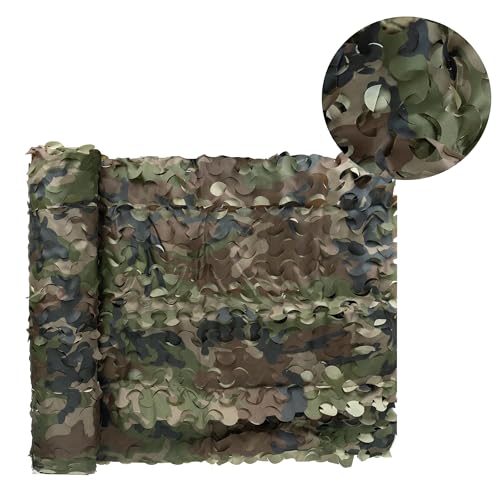
This woodland netting leans more brown and earth-toned than the green variant. It suits late season or drier climates. The mesh is flexible and cuts well to size. I use it to add a second color layer over a base of burlap or canvas.
For the best wildlife observation blind, color tune your hide through the year. Swap green for brown as leaves drop. Use this as face-level cover inside windows to hide your movement. It keeps your silhouette broken even as light changes.
Pros:
- Neutral earth tones for fall and winter
- Easy to cut and tie
- Breathable and quiet
- Good secondary concealment layer
- Works as a flexible window curtain
Cons:
- Not weatherproof on its own
- May require extra support ties
- Pattern can fade in harsh sun
My Recommendation
Choose this when the woods go brown and the canopy thins. It supports clean, subtle hides. In my best wildlife observation blind setups, I hang a strip inside each window on a quiet clip so I can peek with cover even when the window is open.
| Best for | Why |
|---|---|
| Late season | Brown palette matches leaf-off timber |
| Interior curtains | Light mesh hides small movements |
| Layering | Pairs well over burlap bases |
GRVCN 300D Camo Burlap Netting Sheet
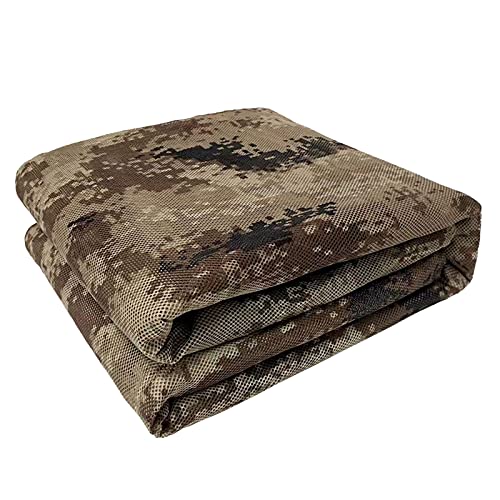
This GRVCN sheet balances durability and flexibility. The 300D fabric stands up to rough use. It is a good choice for building blind walls on the fly. Tie it to t-posts, saplings, or a small pop-up frame for a fast hide.
The best wildlife observation blind is the one you can set well, anywhere. This sheet lets you do that. Add natural brush and grass to the weave to match the exact spot. A darker backing inside will boost the shadow effect and hide movement.
Pros:
- Durable fabric for repeat setups
- Open weave for a natural look
- Easy to cut and rig
- Works as a wall or gear cover
- Good value for flexible use
Cons:
- Edges may fray unless sealed
- Needs support in high wind
- Not a full weather barrier
My Recommendation
Use this to build temporary blinds that do not look temporary. It is a staple in my truck kit. For a best wildlife observation blind in new spots, carry this sheet plus a small roll of wire and cutters. You can build, blend, and move in minutes.
| Best for | Why |
|---|---|
| Field improvising | Fast walls with t-posts or sticks |
| Travel kits | Light, durable, and multi-purpose |
| Edge blending | Open weave holds local brush |
FAQs Of best wildlife observation blind
How do I choose the right blind window size?
Match windows to your view lanes. Use longer sliders for fields. Use smaller swing or slider windows for corners and tight cover.
What materials keep me hidden best?
Use dark interiors, quiet glass windows, and layered camo netting. Burlap plus mesh breaks up outlines and kills shine.
How do I control scent around my blind?
Enter with the wind right, wear clean layers, and add light cover scents. Foam webs or cedar biscuits help near trails.
Is glass better than fabric windows?
Glass blocks wind, noise, and scent better. Fabric is lighter and easier to pack. Use both when you can.
How can I stay quiet when opening windows?
Use sliders with smooth tracks. Add felt pads. Test and lube hardware. Practice small, slow movements.
Final Verdict: Which Should You Buy?
If you need structure, the Elusive Wildlife T2 slider windows are my top upgrades. They help any setup feel like the best wildlife observation blind with quiet action, clear views, and tighter scent control.
If you need flexibility, pack GRVCN burlap and camo netting, then add HME scent tools. Blend, layer, and adapt. That is how you build the best wildlife observation blind anywhere, in any season.