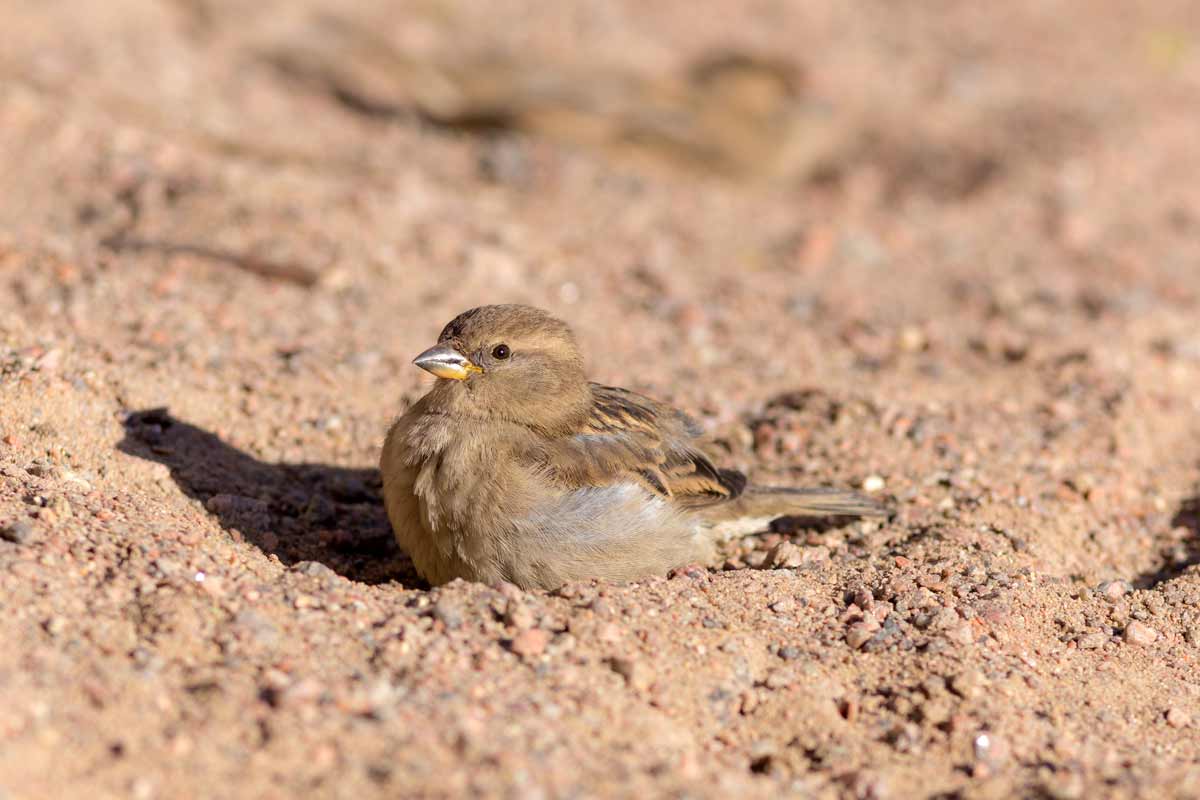
Birds are famous for their beautiful feathers, their songs, and their ability to fly. But if you watch birds closely, you might see them do something unexpected: roll, flutter, and wiggle in dry, dusty soil. This action is called a dust bath. For many people, it looks strange. Why would an animal that needs to fly want to cover itself in dirt? The answer is both simple and fascinating. Dust baths are a vital part of a bird’s health and survival. This article explores the reasons why birds take dust baths, how they do it, and what it means for their lives.
What Is A Dust Bath?
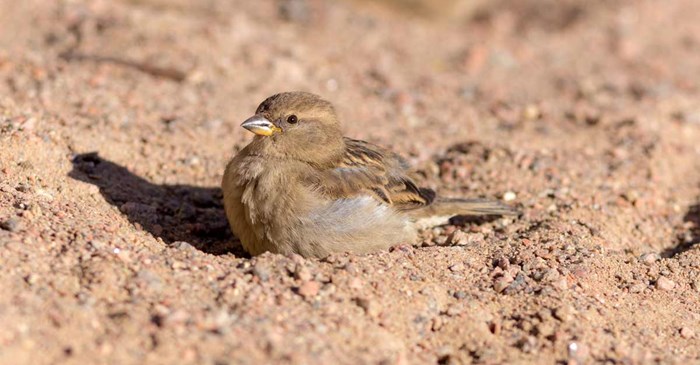
A dust bath is when a bird uses dry, fine soil or sand to clean its feathers and skin. Instead of water, birds use dust to help maintain their bodies. To take a dust bath, a bird finds a patch of loose, dry earth. It squats down, fluffs out its feathers, and shakes or wriggles its body. The dust works its way through the feathers and down to the skin. After a few minutes, the bird stands up, shakes off the extra dust, and preens its feathers with its beak.
This behavior is common among many bird species, including sparrows, finches, pigeons, chickens, and even some larger birds like ostriches. In fact, dust bathing is so important that birds will often make their own dust bath spots by digging shallow depressions in the ground.
The Main Reasons Birds Take Dust Baths
Birds do not dust bathe for fun or by accident. There are several important reasons why this behavior is necessary for their survival.
1. Feather Maintenance And Cleaning
Feathers are essential for flight, warmth, and waterproofing. Over time, feathers collect oil, dirt, and tiny parasites. Dust baths help birds keep their feathers in top condition. The fine dust particles absorb excess oil and moisture. When the bird shakes out the dust, it takes the oil, dirt, and parasites with it.
This cleaning process is especially important for birds that live in dry or dusty environments. Without regular dust baths, feathers can become oily or matted, making it harder for birds to fly or stay warm.
2. Parasite Control
One of the main reasons for dust bathing is parasite control. Birds often have small insects or mites living on their skin or in their feathers. These parasites can cause itching, irritation, and even serious health problems. The dust works by suffocating or drying out the parasites. As the bird shakes off the dust, many of the pests are removed.
Studies have shown that birds with access to dust baths have fewer parasites. For example, chickens without dust bathing opportunities often develop problems with mites and lice. In the wild, dust bathing is a simple but effective way to keep these unwanted guests under control.
3. Skin And Feather Health
Dust baths do more than just remove dirt and parasites. The process also helps to stimulate the skin, improve blood flow, and keep the skin healthy. The dust can help remove old, dead skin cells and reduce irritation. For birds, good skin health is directly connected to feather quality. Healthy skin makes it easier for new feathers to grow during molting.
4. Temperature Regulation
In hot or dry environments, a dust bath can help a bird cool down. The dust absorbs sweat and oil, which helps to keep the skin dry. As the dust is shaken off, it takes away heat and moisture. This is one reason why birds may dust bathe more often in the hottest part of the day.
5. Social And Behavioral Benefits
Dust bathing is not just about staying clean. For many birds, it is also a social activity. Flocks of birds will often dust bathe together. This shared behavior can help reduce stress, strengthen bonds, and establish pecking order. In domestic chickens, for example, dust bathing together is a sign that the group is healthy and relaxed.
How Birds Take Dust Baths: Step By Step
The process of dust bathing might look simple, but it is actually a well-organized routine. Here is a closer look at each step:
1. Finding The Right Spot
Birds look for dry, loose soil or sand. The spot should be safe from predators and not too hard or rocky. Some birds return to the same dust bath site again and again.
2. Digging A Shallow Hollow
Birds may use their feet or bodies to scrape out a shallow hollow. This helps them reach the driest, softest earth.
3. Settling In And Fluffing Feathers
The bird squats low, spreads its wings, and fluffs out its feathers. This lets the dust get deep into the feathers and onto the skin.
4. Wriggling And Rolling
Birds rock their bodies back and forth, rub their heads and necks into the soil, and sometimes even roll over. These movements help push the dust everywhere it is needed.
5. Shaking Off Excess Dust
When finished, the bird stands up and gives a strong shake. This removes extra dust and any loosened dirt or parasites.
6. Preening
After the dust bath, most birds spend time preening. They use their beaks to realign feathers, spread natural oils, and remove anything left behind.
This step-by-step routine is repeated as often as needed. Some birds dust bathe daily, while others do it every few days, depending on the environment and season.
Which Birds Take Dust Baths?
Not every bird takes dust baths. The behavior is most common among ground-dwelling and terrestrial birds. Here are some examples:
- Chickens and Domestic Fowl: Dust bathing is critical for their health.
- Sparrows and Finches: Common backyard birds often seen dust bathing.
- Quail and Partridges: Spend much of their time on the ground.
- Pigeons and Doves: Use both water and dust baths.
- Ostriches and Emus: Use dust baths to cool off and control parasites.
- Larks and Roadrunners: Live in dry habitats where water is rare.
Some birds, like ducks, swans, and other waterfowl, rarely take dust baths because they use water to clean themselves.
Birds That Rarely Or Never Dust Bathe
Birds with waterproof feathers, such as penguins, seabirds, and most waterfowl, do not use dust baths. Instead, they rely on water and oil glands to stay clean. Tree-dwelling birds and birds in wet environments also dust bathe less often.
Comparison: Dust Baths Vs. Water Baths
To understand the importance of dust baths, it helps to compare them with water baths, another common bird behavior.
| Aspect | Dust Bath | Water Bath |
|---|---|---|
| Main Purpose | Control oil, remove parasites | Clean dirt, cool off |
| Common in | Dry, arid habitats | Wet, humid habitats |
| Bird Types | Chickens, sparrows, quail | Ducks, swans, robins |
| Seasonal Use | Year-round, more in dry weather | Spring, summer, after rain |
| Social Behavior | Often in groups | Usually alone |
As the table shows, dust baths and water baths serve different needs. Birds may use one or both, depending on their species and habitat.
The Science Behind Dust Bathing
Researchers have studied dust bathing for many years. The behavior has been observed in both wild and domestic birds. Scientists believe dust baths are an innate behavior, meaning birds are born with the instinct to do it, even if they have never seen another bird dust bathe.
Key Findings
- In experiments, young chicks raised without adult birds still performed dust bathing actions when given dry soil.
- Birds denied dust baths often develop health problems, such as feather loss, skin irritation, and increased parasite loads.
- Dust bathing is linked to lower stress and better immune health in chickens and quail.
The Role Of Hormones
Some research suggests that the need to dust bathe is influenced by hormones, especially during molting (when birds lose and replace feathers). Birds may dust bathe more often as new feathers come in, to help remove the old ones and keep the skin healthy.
Dust Bathing Patterns
The frequency of dust bathing changes with the weather, the time of day, and the bird’s age. For example, chickens dust bathe most in the early afternoon, when the ground is warm and dry.
How Environment Affects Dust Bathing
Where a bird lives has a big impact on its dust bathing behavior.
Birds In Dry, Open Areas
Birds in deserts, grasslands, and open fields often take more dust baths. They need to remove dust, sand, and parasites from their feathers. The dry soil is perfect for dust bathing.
Birds In Wet Or Forested Areas
Birds in rainforests or wetlands have fewer chances to find dry soil. These birds use rain or water baths instead. Some may still dust bathe if they find a patch of dry earth.
Urban Birds
Even in cities, birds will seek out dry, dusty spots, like playgrounds, construction sites, or roadside patches. Urban sparrows and pigeons are often seen dust bathing in these areas.
Seasonal Changes
In the spring and summer, dust bathing increases. The ground is drier, and birds are more active. During wet seasons or winter, dust bathing happens less often.
Dust Bathing And Bird Social Structure
Dust bathing is not just about cleaning. For many birds, it is a group activity.
Chickens And Flocks
In chickens, dust bathing is often done in groups. The act of bathing together helps build social bonds and reduces stress. Dominant birds sometimes get the best dust spots, showing their place in the pecking order.
Wild Birds
Flocks of sparrows, finches, and quail will often dust bathe side by side. Young birds learn how to bathe by watching older birds. Sometimes, a bird will act as a “lookout” while others bathe, watching for predators.
Safety In Numbers
Dust bathing can leave birds vulnerable to predators. By bathing together, birds reduce the risk. If one bird spots danger, it can alert the group.

Creating Dust Baths For Pet And Backyard Birds
If you keep chickens or have pet birds, offering a dust bath is essential. Here is how to provide a good dust bath:
1. Choose A Dry, Sunny Spot
Find a place that stays dry even after rain. Sunlight helps keep the soil loose.
2. Use Fine Sand Or Loose Dirt
Avoid clay or wet soil. Add sand, ash (from untreated wood), or diatomaceous earth to improve texture.
3. Keep It Clean
Remove droppings and add fresh sand as needed.
4. Protect From Rain
A covered dust bath keeps the soil dry.
5. Offer Enough Space
Birds like to dust bathe together, so make the area big enough for the group.
6. Watch For Signs Of Enjoyment
Healthy birds will use the bath often. If they are not, check for moisture or other problems.
Example Dust Bath Mix
Many backyard bird keepers use this mix:
- 2 parts clean sand
- 1 part dry garden soil
- 1 part wood ash (from untreated wood)
- Small amount of food-grade diatomaceous earth (not for all birds; check safety)
Mix well and place in a low box or corner of the run.
Common Mistakes When Providing Dust Baths
Even well-meaning bird owners can make mistakes. Here are common problems to avoid:
- Using soil that is too wet or clay-like
- Placing the dust bath in a shaded, damp spot
- Not cleaning the bath area often
- Forgetting to provide enough space for group bathing
- Adding chemicals or ashes from treated wood (toxic)
It is important to check the bath area regularly and refresh the soil as needed.
Dust Bathing In The Wild: Real Examples
Different birds use dust baths in their own way. Here are some real-life examples:
House Sparrows
House sparrows are often seen dust bathing in city parks, dirt roads, and gardens. They make small hollows in the ground and bathe in groups.
Ostriches
Ostriches in Africa use dust baths to cool off in the hot sun. They dig large, shallow pits and roll their huge bodies in the dust.
Roadrunners
In the deserts of the American Southwest, roadrunners use dust baths to remove sticky plant oils and control parasites.
Japanese Quail
Japanese quail raised in captivity will create their own dust baths if given dry sand. Studies show they are healthier and less stressed with regular dust baths.
Farm Chickens
On free-range farms, chickens dust bathe daily in patches of bare soil. Birds kept indoors without dust baths often show signs of boredom and poor health.
How Dust Bathing Affects Bird Health And Longevity
Birds that dust bathe regularly enjoy several health benefits:
- Fewer parasites: Lower risk of mites, lice, and fleas
- Cleaner, healthier feathers: Better for flight and insulation
- Stronger immune systems: Less stress and disease
- Longer lifespan: Birds with good hygiene live longer
Birds denied dust baths may show feather damage, skin disease, or behavioral problems such as feather picking.
Data On Bird Health
Studies show that chickens with access to dust baths have 70% fewer external parasites and 30% less feather loss compared to birds without dust baths. Similar results are found in wild quail and sparrows.
Why Do Some Birds Not Dust Bathe?
Not all birds need dust baths. Here is a closer look at why:
- Aquatic birds: Water is more effective for cleaning than dust.
- Birds with oily feathers: Seabirds and ducks have oil glands that protect their feathers.
- Forest birds: Wet, shaded forests make dust baths rare.
- Tree-dwelling species: Less contact with the ground.
Some birds may use other strategies, such as sunbathing or using ants (a behavior called “anting”) to control parasites.
Comparing Dust Bathing To Other Bird Hygiene Behaviors
Birds use several methods to stay clean and healthy. Here is a comparison:
| Behavior | Main Purpose | Common Species |
|---|---|---|
| Dust Bathing | Remove oil and parasites | Chickens, sparrows, quail |
| Water Bathing | Wash off dirt | Ducks, robins, starlings |
| Sunbathing | Dry feathers, kill parasites | Blackbirds, pigeons |
| Anting | Use ants to remove parasites | Jays, crows |
Each method is adapted to a bird’s habitat and needs.
Two Surprising Facts About Dust Bathing
Many people do not realize these two points:
- Birds will dust bathe even when water is available. This shows dust baths are not just a substitute for water but an important behavior for hygiene and health.
- Young birds learn dust bathing by watching adults. This social learning helps birds develop good hygiene habits early in life.
What If Birds Cannot Dust Bathe?
If birds are prevented from dust bathing—by being kept indoors, in wet environments, or on hard surfaces—they can develop several problems:
- Overgrown, dirty feathers
- Itchy, irritated skin
- High parasite loads
- Boredom and stress
- Abnormal behaviors (like feather picking)
For pet owners and farmers, it is critical to provide a suitable dust bath area.
The Evolutionary Advantage Of Dust Bathing
Dust bathing is an ancient behavior that likely evolved as birds moved into drier habitats. By cleaning their feathers and controlling parasites, birds improved their chances of survival and reproduction.
Birds that dust bathe tend to have better feather quality and live longer. In the wild, being clean and healthy means a bird can fly faster, escape predators, and attract mates.
Observing Dust Bathing: What To Look For
If you want to watch dust bathing in your yard or local park, look for these signs:
- Birds digging or scraping at dry earth
- Fluffed feathers and wing-spreading
- Wriggling, rolling, or head rubbing in the soil
- Quick, strong shakes after bathing
- Preening right after a dust bath
The best times to observe dust bathing are on warm, dry afternoons.
Final Thoughts
Dust baths might seem like a simple or funny behavior, but they are a powerful tool for bird health. From backyard chickens to wild sparrows, dust bathing helps birds control parasites, keep feathers clean, and reduce stress. Understanding this behavior gives us new respect for the ways birds care for themselves.
If you keep birds or enjoy watching them, providing or protecting dust bathing sites is one of the best ways to support their health and happiness.
For more on bird behavior, you can visit the Wikipedia Dust Bathing page.
Frequently Asked Questions
Why Do Birds Use Dust Instead Of Water To Clean Themselves?
Dust is especially good at absorbing oil and suffocating small parasites. For birds in dry habitats, dust is often easier to find than water. Dust also helps remove old skin and keeps feathers in top condition.
How Often Do Birds Take Dust Baths?
The frequency depends on the species, weather, and environment. Some birds dust bathe daily, while others do it every few days. Birds dust bathe more when it is dry and warm.
Can Pet Birds Benefit From A Dust Bath?
Yes. Birds like chickens, quail, and finches need dust baths to stay healthy. Pet owners should provide a dry, sandy area for dust bathing, especially for birds kept indoors or in wet climates.
What Is The Difference Between Dust Bathing And Sunbathing In Birds?
Dust bathing uses dry soil to clean feathers and control parasites. Sunbathing involves stretching out in sunlight to dry feathers and use heat to kill parasites. Both behaviors help birds stay healthy but serve different main purposes.
Are There Any Risks To Birds From Dust Bathing?
In rare cases, very dusty or dirty soil may cause breathing problems, especially for birds kept indoors. It is important to use clean sand or soil and keep the area well ventilated. For most birds, dust bathing is safe and natural.