
Which Birds Are The Smartest?
When you look up at the sky, you see birds flying freely, singing, and sometimes even copying sounds you make. But did you know some birds are much smarter than others? Many people think intelligence belongs only to humans and perhaps a few animals like dolphins or chimpanzees.
However, birds can surprise us. Some birds use tools, solve puzzles, remember faces, and even understand how to count. Their brains may be small, but they work in amazing ways.
This article explores the smartest birds in the world. You will discover which birds have surprised scientists, what makes them smart, and some real examples of their intelligence. We will compare their abilities, explain why bird intelligence matters, and share insights most people miss.
If you love nature or simply want to know which bird could outsmart your pet dog, keep reading.
What Makes A Bird Smart?
Before we look at the smartest birds, it is important to understand how scientists measure bird intelligence. Intelligence is not just about repeating words. Birds show their smarts in many ways:
- Problem-solving: Can the bird find creative solutions?
- Tool use: Does it use sticks or leaves to get food?
- Memory: Can it remember where it hid food or recognize faces?
- Communication: Does it copy sounds or use special calls?
- Social learning: Can it learn by watching others?
Bird brains are not like human brains, but they have special structures that help them think. The nidopallium, a part of the bird brain, is similar to the human neocortex, the area for higher thinking. Some birds, especially crows and parrots, have more neurons in their brains than many mammals of the same size.
The Smartest Bird Species
After years of research, scientists agree that a few bird groups stand out for their intelligence. Here are the main contenders:
1. Crows (genus: Corvus)
Crows are often called the “feathered apes” because their intelligence is similar to primates. The New Caledonian crow is famous for using tools. In experiments, these crows bend wires to fish out food from tubes. They even make hooks from twigs, something very few animals can do.
Crows also show an understanding of cause and effect. For example, in the “Aesop’s Fable test,” crows drop stones into water to raise the level and reach a floating treat. This ability is rare even among mammals.
Crows remember human faces and can hold grudges. If a person scares a crow, it will warn other crows about that person. Their memory lasts for years, and they can even tell their young to avoid certain humans.
2. African Grey Parrot (psittacus Erithacus)
The African grey parrot is often called the Einstein of birds. These parrots can learn hundreds of words and use them in context. One famous parrot named Alex could count, name colors and shapes, and even ask for things he wanted.
African greys do more than repeat sounds. They understand simple concepts like “same” and “different,” and can answer questions about objects they see. Their intelligence is similar to a young child’s.
A less-known fact is their ability to use logic. In studies, African greys have shown that they can understand the idea of “zero” and know when something is missing.
3. Kea (nestor Notabilis)
The kea is a large parrot from New Zealand. These birds are playful and curious, which helps them learn. Keas solve puzzles, open locks, and even steal food from tourists using clever tricks.
What makes keas special is their social intelligence. They work together to solve problems and even play pranks on each other. In lab tests, keas have passed tasks that require planning and teamwork, skills rare in birds.
Keas have also been observed showing empathy. When one kea is upset, others try to comfort it, a behavior usually seen in humans and some mammals.
4. Eurasian Magpie (pica Pica)
The Eurasian magpie is famous for recognizing itself in a mirror. This “mirror test” is used to see if an animal understands itself as an individual. Very few animals pass this test, but magpies do.
Magpies use tools and show complex social behaviors. They can remember where they hide food for months. Some studies show magpies can even plan for the future, a skill rare in animals.
Magpies also show signs of mourning. They have been seen gathering around dead companions, which suggests a deeper level of thought.
5. Ravens (corvus Corax)
Ravens are close relatives of crows and share many of their smart traits. They use tools, play games, and can work together to solve puzzles. In the wild, ravens use sticks to get insects out of tree bark.
A unique skill of ravens is their ability to “pretend. ” They hide food and watch if other ravens are looking. If they feel watched, they will move their food to a new place, showing they can imagine what another bird might know.
Ravens also have a complex way of communicating. They use different sounds to share information and can even “call” wolves to open up carcasses, so they can eat the leftovers.
6. Western Scrub-jay (aphelocoma Californica)
The western scrub-jay shows amazing memory. These birds collect and hide hundreds of acorns every year. Months later, they remember where each acorn is, even if the landscape changes.
Scrub-jays can also plan ahead. In experiments, they save food for the future and choose what to store based on what they will need later. This shows a kind of mental time travel.
An insight that surprises scientists: scrub-jays can imagine how another bird might think. They will re-hide their food if they think a competitor saw them, showing an understanding of other minds.
7. Cockatoos (family: Cacatuidae)
Cockatoos, especially the Goffin’s cockatoo, are problem-solvers. In labs, these birds can unlock boxes with several steps, like turning wheels and pulling levers. One famous Goffin’s cockatoo opened five different locks in the right order to get a nut.
Some cockatoos use tools in the wild. For example, palm cockatoos use sticks to drum on trees, possibly to attract mates. This behavior is unique among birds.
Cockatoos also show creativity. They use found objects to play, and sometimes invent new ways to get food. Their playful nature is a sign of high intelligence.
8. Pigeons (columba Livia)
Many people think of pigeons as simple city birds, but they are smarter than they look. Pigeons can recognize themselves in mirrors, tell the difference between paintings by different artists, and even learn to read simple words.
In the past, pigeons were used to carry messages across long distances. Their ability to remember routes and landmarks is impressive. Pigeons have been shown to remember hundreds of images for years.
A surprising skill: pigeons can understand abstract concepts like “same” and “different.” They have also learned to play simple video games in laboratories.
9. Jays (genus: Cyanocitta And Garrulus)
Jays, such as the Eurasian jay and blue jay, have strong memories. Like scrub-jays, they hide food and remember its location for months. They can also watch other birds and steal their hidden food.
Jays show flexibility in their thinking. In experiments, Eurasian jays chose food based on what they would want in the future, not just what they wanted right now. This is called “future planning. ”
Jays are also skilled at mimicking sounds and calls from other birds, helping them avoid predators or trick other animals.
10. Rooks (corvus Frugilegus)
Rooks are members of the crow family and show similar smarts. They can use tools, solve puzzles, and work together. In one experiment, rooks used stones to raise water levels and reach food, just like crows.
Rooks can also learn from watching others. In the wild, they use teamwork to protect their nests from threats. Their social skills help them survive in groups.
A less-known ability: rooks can understand the “weight” of objects. They choose heavier stones over lighter ones when they need to move something or solve a problem.
11. Hill Mynas (gracula Religiosa)
Hill mynas are famous for their ability to copy human speech. Some can learn up to 100 different words and phrases. Their voice is so clear that it sometimes confuses listeners.
But mynas are more than just mimics. They use their voices to communicate with each other in the wild, using different calls for warnings, food, or finding mates.
Mynas can also solve simple puzzles and remember sounds for long periods. Their vocal learning is a sign of a complex brain.
12. Clark’s Nutcracker (nucifraga Columbiana)
The Clark’s nutcracker has one of the best memories among birds. It hides up to 30,000 seeds each year, spreading them over a large area. Months later, even under snow, the bird remembers most hiding spots.
This remarkable memory helps the bird survive tough winters. Scientists believe they use landmarks and mental maps to find their caches.
A little-known insight: nutcrackers can remember which caches are “freshest” and choose to eat the oldest seeds first, showing they can keep track of time.
13. Monk Parakeet (myiopsitta Monachus)
The monk parakeet is a small, green parrot known for its social skills. These birds build large, complex nests together, sometimes with dozens of pairs living in one structure.
Monk parakeets show teamwork and can solve problems together. In captivity, they learn tricks quickly and can copy sounds and words.
Their ability to work in groups and adapt to new environments has helped them spread to many cities around the world, where they survive well.
14. Australian Magpie (gymnorhina Tibicen)
The Australian magpie is not closely related to the Eurasian magpie, but it is also smart. These birds can remember human faces for years, especially if the person has been kind or dangerous.
Australian magpies use complex songs to communicate. They can learn dozens of different calls and even “talk” with neighboring groups.
In studies, these magpies have solved puzzles and shown the ability to learn new tasks quickly. Their long-term memory is a big part of their intelligence.
15. Amazon Parrots (genus: Amazona)
Amazon parrots are famous for their talking ability. They learn words, copy sounds, and sometimes use language to get what they want.
But their intelligence goes deeper. Amazon parrots can solve puzzles, use simple tools, and work with humans to complete tasks.
They also show strong social intelligence. In the wild, they live in large flocks and use different calls to keep in touch, warn about danger, or share food locations.
Comparing Bird Intelligence
Different birds excel in different areas. Some are better at solving puzzles, while others are strong communicators or have excellent memories. Here is a comparison of key intelligence traits among the world’s smartest birds:
| Bird Species | Tool Use | Memory | Speech/Imitation | Problem-solving | Social Intelligence |
|---|---|---|---|---|---|
| New Caledonian Crow | Excellent | Good | Low | Excellent | High |
| African Grey Parrot | Low | Excellent | Excellent | High | Good |
| Kea | Good | Good | Low | Excellent | Excellent |
| Magpie | Moderate | Excellent | Moderate | Good | Good |
| Raven | Excellent | Good | Moderate | Excellent | Excellent |
This table shows that no single bird is best at everything. Crows and ravens stand out for tool use and problem-solving, while parrots excel in speech and memory.
Surprising Insights About Bird Intelligence
Many people underestimate birds. Here are two insights that may change how you think:
- Bird brains are dense with neurons. Even though their brains are small, birds pack more neurons into each cubic millimeter than many mammals. This density helps them process information quickly.
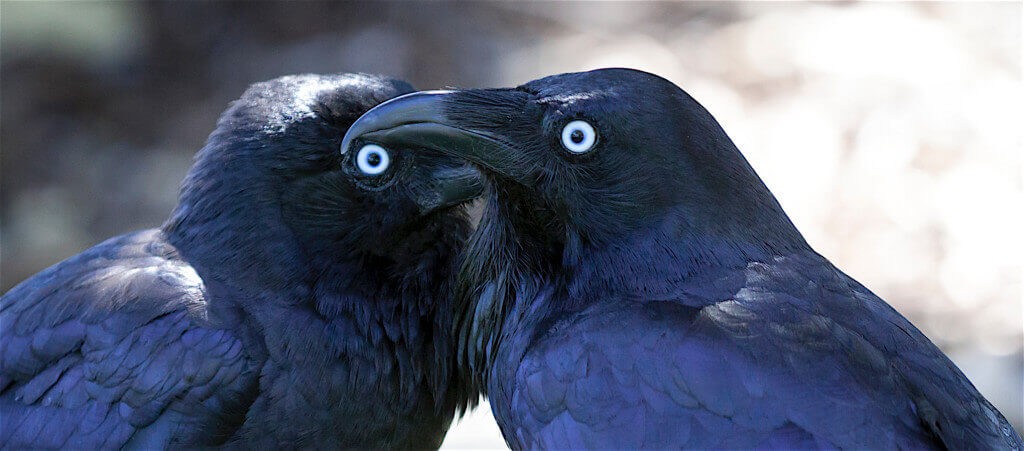
- Some birds learn from watching humans. Urban crows, magpies, and parrots often pick up tricks just by observing people. In cities, birds have learned to open trash bins, use traffic to crack nuts, or even wait for pedestrian signals to cross roads safely.
How Bird Intelligence Helps Them Survive
Intelligence is not just for show. It helps birds find food, avoid danger, and live in complex environments. For example, crows use cars to crack nuts, dropping them on roads and waiting for the traffic light to turn red before collecting them.
Parrots use their smart brains to find hidden food and stay safe from predators.
Birds that live in groups, like parrots and corvids, use their intelligence for social reasons. They remember friends and rivals, form alliances, and teach their young important skills.
Birds Vs. Other Animals
How do birds compare to other smart animals? Let’s look at a few comparisons:
| Animal | Self-recognition | Tool Use | Vocal Learning | Problem-solving |
|---|---|---|---|---|
| Chimpanzee | Yes | Yes | No | High |
| Dolphin | Yes | Limited | Yes | High |
| New Caledonian Crow | No | Yes | No | High |
| African Grey Parrot | No | No | Yes | High |
| Dog | No | Limited | Limited | Good |
This shows that some birds match or beat mammals in several areas, especially tool use and communication.
:strip_icc()/a-jenday-conure--aratinga-jandaya--perched-in-a-tree--also-known-as-jandaya-parakeet-is-a-small-neotropical-bird-found-in-northeastern-brazil--1271574400-b0036047517a4709ae998813fd790932.jpg)
How You Can Test Bird Intelligence At Home
If you have a pet bird or see wild birds nearby, you can try some simple tests to see their intelligence:
- Puzzle feeders: Hide food inside a puzzle. Parrots and crows will use their beaks or feet to open it.
- Mirror test: Place a mirror near a magpie or parrot. Watch if the bird reacts to its reflection.
- Imitation games: Say a word or make a sound. Some parrots and mynas will try to copy you.
- Object hiding: Hide a treat under one of three cups and see if your bird can find it.
Remember, not all birds will respond the same way. Give them time and use positive rewards.
Why Bird Intelligence Matters
Understanding bird intelligence is not just for fun. It helps scientists learn about the evolution of the brain. Birds show that smart thinking can evolve in many different forms, not just in mammals.
Also, knowing how smart birds are can help protect them. Many intelligent birds, like parrots and crows, are threatened by habitat loss. When people see how clever these birds are, they may be more willing to protect them.
Common Mistakes People Make About Bird Intelligence
- Thinking only big-brained animals are smart. Bird brains work differently but are still powerful.
- Believing only parrots talk. Many birds, like crows, magpies, and mynas, can imitate sounds.
- Assuming all birds of a species are equally smart. Like people, birds have individual personalities and talents.
- Judging city birds as simple. Urban birds often show the highest intelligence because they face new challenges every day.
The Future Of Bird Intelligence Research
New research tools, like brain scans and field cameras, are helping scientists discover even more about bird intelligence. There are still many mysteries. For example, how do birds learn complex behaviors so quickly? Can wild birds teach each other new tricks over generations?
If you are interested in the latest research, you can read more at Wikipedia: Avian Intelligence.

Frequently Asked Questions
What Is The Smartest Bird In The World?
The New Caledonian crow and the African grey parrot are often considered the smartest birds. Crows excel at tool use and problem-solving, while African greys are top at talking and understanding words.
Can Birds Really Use Tools?
Yes, some birds like crows and rooks use tools in the wild. For example, New Caledonian crows make hooks from twigs to catch insects. Cockatoos and even some parrots have also shown tool use.
Do All Parrots Talk?
No, not all parrots talk. While many can copy sounds, only a few species, like African grey parrots, Amazon parrots, and some cockatoos, are very good at using human words.
Are Birds Smarter Than Dogs?
It depends on the skill. Birds like crows and parrots can solve complex puzzles and use tools better than most dogs. Dogs are better at reading human emotions and following commands.
How Do Scientists Test Bird Intelligence?
Scientists use puzzles, memory games, tool-use challenges, and even language tests. They also watch how birds behave in the wild, looking for signs of problem-solving and learning.
Birds continue to surprise us with their intelligence. As research grows, we may find even more “feathered geniuses” in the sky. If you ever get the chance, watch them closely—you might see cleverness in action.

