Every year, as the leaves begin to change and the air turns crisp, many outdoor enthusiasts start to ask: When is deer hunting season? The answer is not simple, because deer hunting seasons vary by location, type of deer, and even the method used to hunt. Knowing the correct season is not just important for following the law—it also helps hunters plan for a safe and successful experience. This article will guide you through the main factors that affect deer hunting season, offer real examples from popular states, and help you prepare for your next hunt.
What Determines Deer Hunting Season?
Deer hunting season is set by state wildlife agencies. They consider several factors to make sure deer populations stay healthy and the sport remains safe for everyone. Some of the most important points are:
- Region and State Laws – Each state has its own rules. Even within one state, different zones or counties might have different dates.
- Type of Deer – Seasons may differ for white-tailed deer, mule deer, or other local species.
- Hunting Method – There are separate seasons for archery, muzzleloader, and firearm (rifle/shotgun) hunting.
- Population Management – Wildlife agencies use hunting seasons to balance deer numbers with local habitats.
- Weather and Safety – Seasons are often set when weather is safest for both hunters and deer.
Some beginners forget that hunting outside of the set season can result in heavy fines or even loss of hunting privileges. Always check the most current regulations for your area.
Main Types Of Deer Hunting Seasons
Each type of hunting has its own window. Understanding these helps you choose the best time and method for your hunt.
Archery Season
Archery season usually opens first. It can start as early as September in many states and run through late fall or early winter. Archery hunting is quieter and often requires more skill, as you need to get closer to the deer.
Firearm Season
Firearm season is when most hunters go out. It is usually shorter, lasting from a few days to a few weeks. For example, in many states, firearm season happens in November. The use of rifles or shotguns increases the range, so more hunters are successful during this time.
Muzzleloader Season
Muzzleloader season comes after the firearm season in many places. Muzzleloaders are old-style guns that you load from the front. This season often runs for a week or two in late fall or early winter.
Special Youth And Disabled Hunter Seasons
Some states offer special hunting days for youth or disabled hunters. These days may be just before or after the main seasons and allow for a safer, quieter experience for these groups.

State-by-state Examples
Since deer hunting season dates vary so much, it helps to look at a few real examples. The following table shows typical season dates for three popular hunting states:
| State | Archery Season | Firearm Season | Muzzleloader Season |
|---|---|---|---|
| Texas | Oct 1 – Jan 7 | Nov 4 – Jan 7 | Jan 8 – 21 |
| Pennsylvania | Sept 30 – Nov 11 | Nov 25 – Dec 9 | Dec 16 – 23 |
| Wisconsin | Sept 16 – Jan 7 | Nov 18 – 26 | Dec 2 – 10 |
These dates are only typical examples. Always check the latest rules on your state’s wildlife website before planning your trip.
Important Regulations And Permits
To hunt deer legally, you need a hunting license and, in most states, a deer tag or permit. Some areas have strict rules about what kind of deer you can hunt (for example, only antlered or only antlerless deer). Here is a simple comparison of what you may need:
| Requirement | Why It’s Needed |
|---|---|
| Hunting License | Legal permission to hunt in the state |
| Deer Tag/Permit | Allows you to take a specific number or type of deer |
| Hunter Safety Course | Required for most hunters under a certain age |
Some states also require reporting your harvest online or at a check station. This helps wildlife agencies manage deer populations.
Early, Regular, And Late Seasons
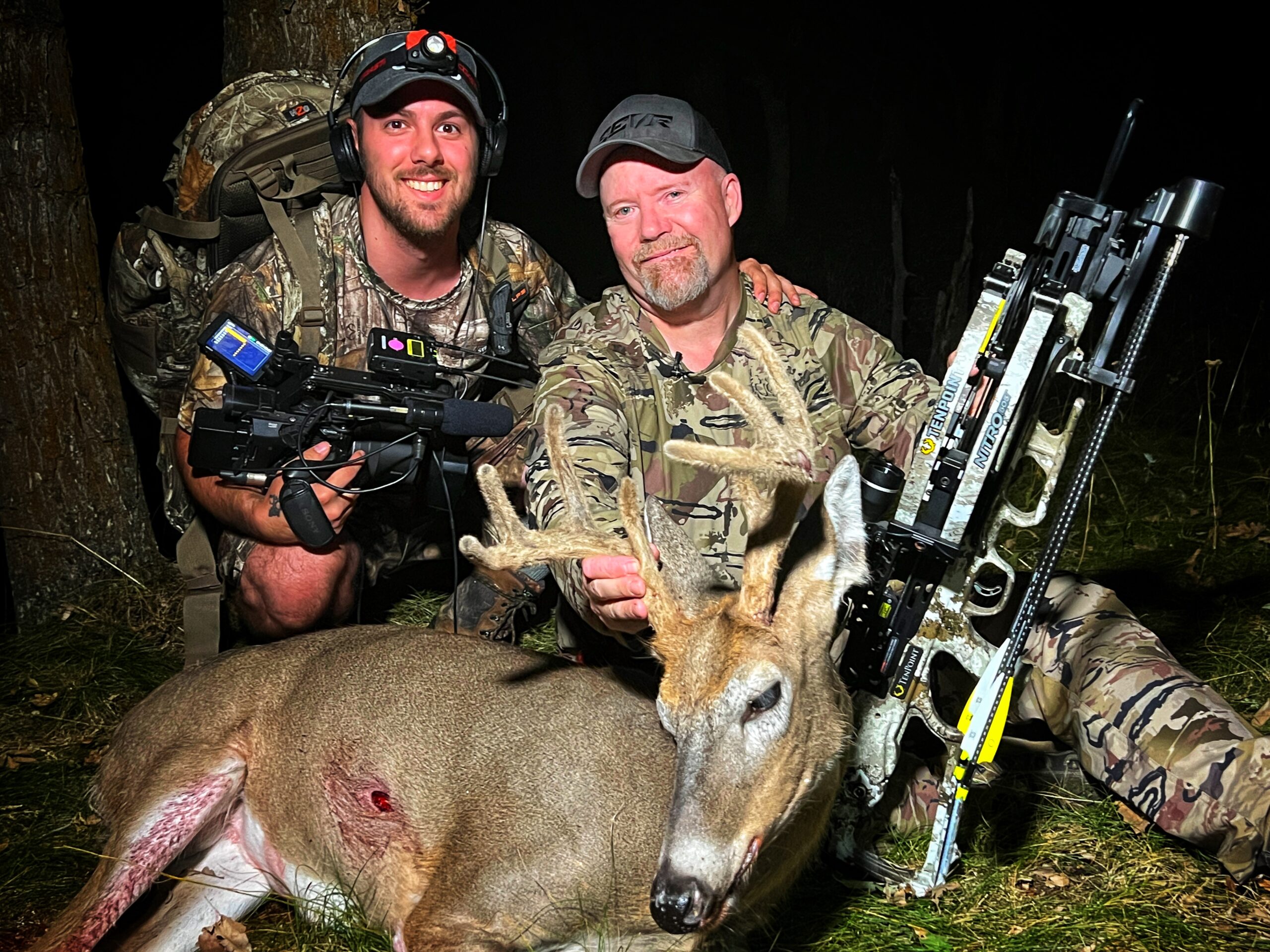
Not all hunting happens at the same time. There are usually three main periods in the deer hunting year:
- Early Season: Usually archery only. Deer are less pressured and may move more during daylight.
- Regular Season: This is the main firearm season. Most hunters are out, and deer can be harder to find.
- Late Season: Often for muzzleloaders or leftover archery permits. Colder weather means deer group together and look for food.
Some hunters believe the early season is best because deer are less cautious. Others prefer the late season when tracking is easier in snow, and deer are more predictable.
Common Mistakes To Avoid
Many new hunters make mistakes that can ruin their trip or even get them in trouble. Here are two key things beginners often miss:
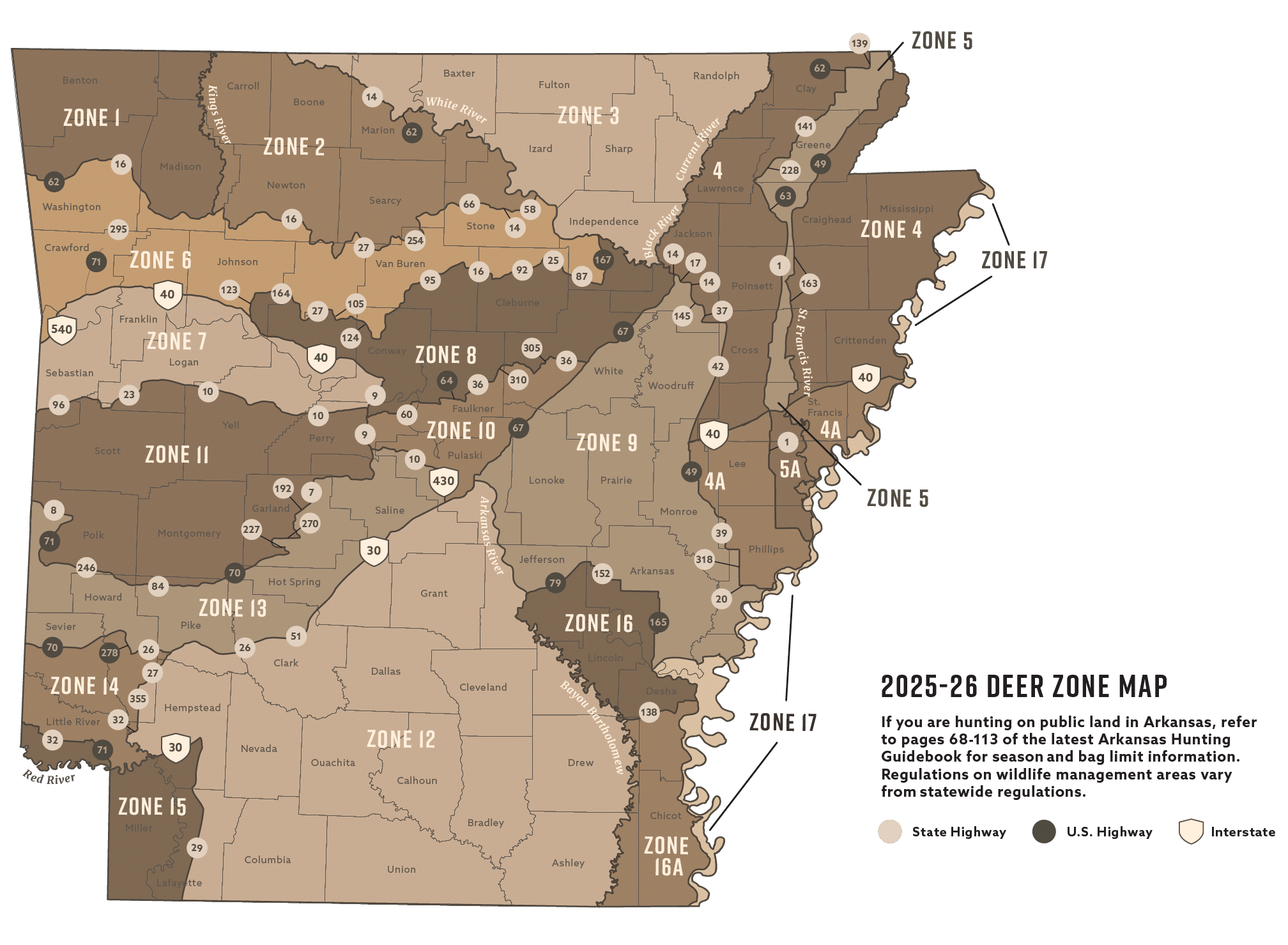
- Ignoring Zone Boundaries: Some states have zones with different season dates. Hunting in the wrong zone at the wrong time is illegal.
- Not Checking for Changes: Season dates and rules can change every year. Last year’s dates may not be correct this year.
Also, never assume that all public lands are open for hunting. Some parks or reserves have special rules or may be closed to hunting.
How To Prepare For Deer Hunting Season
Getting ready for deer hunting season means more than just marking the date. Here’s what experienced hunters do:
- Scout early: Visit your chosen area before the season opens to look for deer signs.
- Practice with your weapon: Whether using a bow or gun, practice helps you make a clean, ethical shot.
- Check your gear: Make sure your clothing, boots, and equipment are ready for the weather and terrain.
- Know the rules: Read your state’s hunting guide each year to catch any new changes.
An extra tip: Use trail cameras if allowed. These cameras can show you when and where deer are moving, which helps you pick the best spot.
Deer Hunting Season In Special Areas
Some areas, like national wildlife refuges or private lands, have unique rules. Sometimes, these places offer bonus hunts or special permit lotteries. It’s smart to check these options, especially if you want less crowded hunting or a chance at a bigger deer.
For more detailed rules, visit the official site for your state’s wildlife agency or check the U.S. Fish & Wildlife Service.
Frequently Asked Questions
What Happens If I Hunt Outside Of Deer Hunting Season?
Hunting outside of the legal season is illegal. You may face fines, loss of your hunting license, or even criminal charges.
Do Hunting Seasons Change Every Year?
Yes, hunting season dates and rules can change from year to year. Always check the most recent information before planning your hunt.
Can I Hunt Deer On Public Land?
In many cases, public lands are open for hunting, but you must follow all rules and check for any area-specific restrictions.
What Is The Difference Between Antlered And Antlerless Season?
Antlered season allows you to hunt male deer with antlers, while antlerless season usually means females or young deer without antlers. Some states have specific days for each to manage deer populations.
Is A Hunter Safety Course Required For Everyone?
Most states require a hunter safety course for hunters under a certain age, but it is a good idea for everyone, especially beginners, to take the course for safety and legal reasons.
Knowing when deer hunting season starts and ends is the first step to a safe and enjoyable hunt. By understanding the rules, preparing ahead, and respecting local laws, you can make the most of your deer hunting experience every year.

