
Elk are some of the largest wild animals found in North America and parts of Asia. Their mating behaviors are fascinating and often misunderstood. If you’re curious about when elk mate, how their mating season works, and what happens during this period, you’re in the right place. This article explains every important detail about elk mating, from timing and climate factors to the behaviors you might see in the wild. Whether you’re a wildlife enthusiast, hunter, or simply want to learn more about nature, you’ll find clear, useful answers here.
The Mating Season: When Do Elk Mate?
Most elk mate during a specific time of the year called the rut. The rut is the main mating season for elk, and it usually happens in early fall. In North America, the rut starts in late August and peaks in September. By October, the mating activities begin to slow down.
The reason elk mate in the fall is simple: it ensures the calves (baby elk) will be born in late spring or early summer, when food is plentiful. Female elk, called cows, carry their babies for about 240–260 days (8–9 months). If cows mate in September, their calves arrive in May or June, just as plants are growing and temperatures are warmer.
Factors Influencing Elk Mating Timing
Several things can affect the exact timing of the elk rut:
- Latitude: In northern places like Canada or Alaska, the rut starts a bit later, sometimes in mid-September. In southern regions, like Colorado or New Mexico, it can start as early as late August.
- Climate and Weather: Colder weather, shorter days, and changes in daylight (called photoperiod) trigger hormone changes in elk. These changes signal the start of the rut.
- Herd Dynamics: If there are more mature bulls (male elk) in an area, the rut may be more intense and start earlier, because bulls compete for cows quickly.
- Food Availability: Elk need plenty of energy for mating. If food is scarce, the rut might be shorter or less active.
Regional Rut Timing Comparison
Here’s a simple table showing how the elk rut timing can differ by region:
| Region | Rut Start | Rut Peak | Rut End |
|---|---|---|---|
| Rocky Mountains (Colorado, Montana) | Late August | Mid-September | Early October |
| Pacific Northwest (Oregon, Washington) | Early September | Late September | Mid-October |
| Alaska, Northern Canada | Mid-September | Late September | Late October |
| Asia (Siberia) | Mid-September | Early October | Late October |
Elk Mating Behavior During The Rut
The rut is not just about mating. It’s a dramatic, noisy period in elk life. Bulls become very active, showing off their strength and trying to attract cows. Here’s what happens during the rut:
Bull Elk Actions
- Bugling: Bulls make loud, high-pitched sounds called bugles to announce their presence and scare off rivals.
- Fighting: Bulls often clash antlers in violent battles. These fights can cause injuries or even death.
- Herding: Bulls gather cows into groups called harems. A strong bull may have 5–20 cows in his harem.
- Marking Territory: Bulls scrape the ground, rub their antlers on trees, and urinate in wallows to mark their area.
Cow Elk Actions
- Gathering: Cows group together during the rut, making it easier for bulls to form harems.
- Choosing Mates: Cows usually pick bulls with large antlers and strong bugles, signs of health and good genes.
Example: Bugling And Antler Battles
You can hear bull elk bugling from over a mile away during the peak rut. In Yellowstone National Park, visitors often see bulls fighting and chasing cows in September. These events are so intense that some parks warn visitors to stay away during the rut, as bulls can be aggressive.
Why Elk Mate In Fall: Biological Reasons
Elk mate in fall for several important reasons:
- Calf Survival: Calves born in late spring have the best chance to survive. They get plenty of food and mild weather.
- Hormone Changes: Daylight changes trigger hormone shifts in elk, especially testosterone in bulls and estrogen in cows.
- Energy Needs: Elk use energy from summer feeding to fuel the rut. After mating, they prepare for winter.
Calving Timeline
To understand why the timing matters, look at the calving timeline:
| Rut Month | Gestation Period | Calving Month |
|---|---|---|
| September | 240–260 days | May–June |
| October | 240–260 days | June–July |
This schedule ensures calves grow during the best months and can survive their first winter.
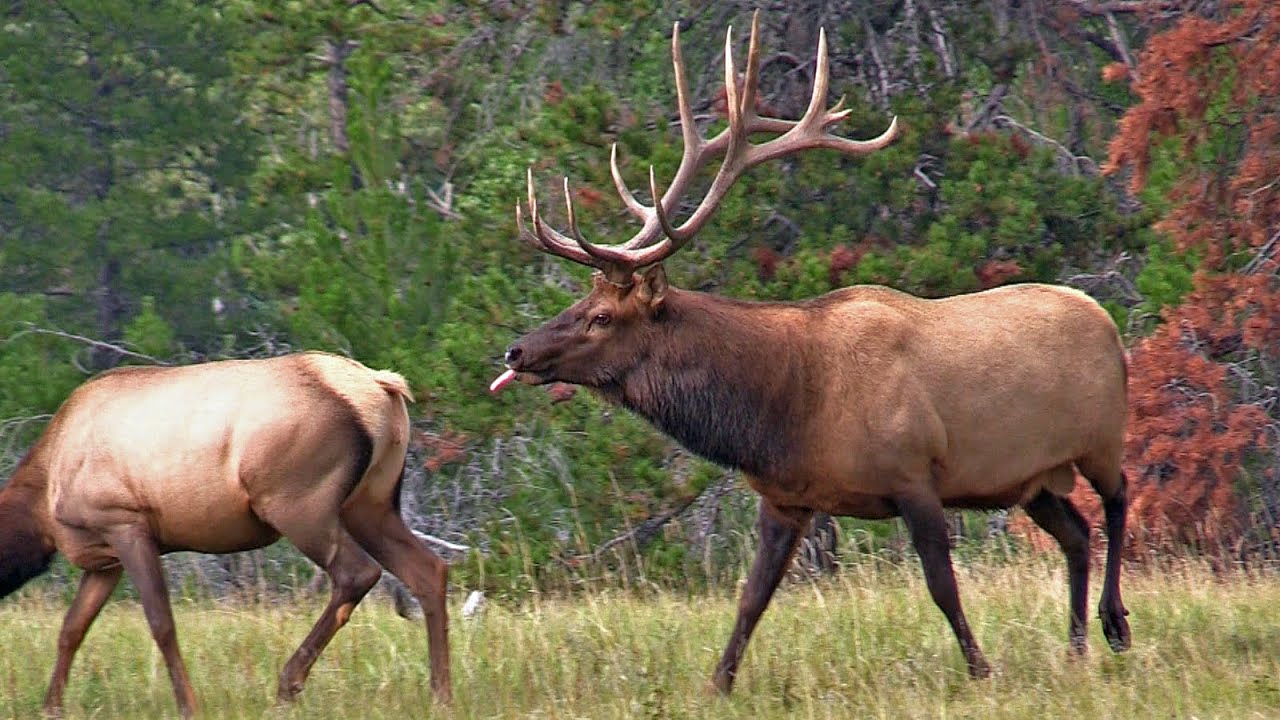
Common Elk Mating Myths
Many people believe elk mate all year, or that bulls keep their harems for life. Both ideas are wrong. Let’s clear up some myths:
- Myth: Elk mate any time of year.
- Elk only mate during the rut, which lasts a few weeks in fall.
- Myth: Bulls keep the same harem every year.
- Harems change each year. Bulls must fight and win cows every rut season.
- Myth: All bulls mate.
- Only the strongest bulls with large antlers get to mate. Younger or weaker bulls rarely get cows.
- Myth: Elk rut is the same everywhere.
- The rut timing varies by region, climate, and herd conditions.
How Elk Find Mates
Elk use a mix of behaviors and senses to find mates. Bulls and cows rely on:
- Sound: Bugling helps bulls find rivals and cows hear strong males.
- Smell: Elk can smell hormones and pheromones in urine and secretions, which signal readiness to mate.
- Vision: Large antlers and strong bodies are visual signs of health.
Non-obvious Insight
Beginners often miss that elk mating success depends on timing and physical condition. Bulls with injuries or poor nutrition may not attract cows, even if they bugle loudly. Also, cows may avoid bulls that seem too aggressive or unhealthy.
Impact Of Human Activity On Elk Mating
Human actions can change the rut timing and elk behavior. Here are a few examples:
- Hunting Pressure: If hunting starts during the rut, bulls may be more cautious and less active.
- Habitat Loss: Roads, towns, and farms can break up elk herds and reduce rut intensity.
- Disturbance: Noise from people or machines can make elk move away from traditional rut areas.
Conservation Efforts
Wildlife managers protect elk during the rut by limiting access to some areas and adjusting hunting seasons. These efforts help keep elk populations healthy and rut behaviors natural.
Observing Elk During The Rut
The rut is the best time to see elk behaviors up close. If you want to watch elk mate, follow these tips:
- Visit National Parks: Places like Yellowstone or Rocky Mountain National Park have large elk herds and safe viewing areas.
- Go Early Morning or Evening: Elk are most active at dawn and dusk during the rut.
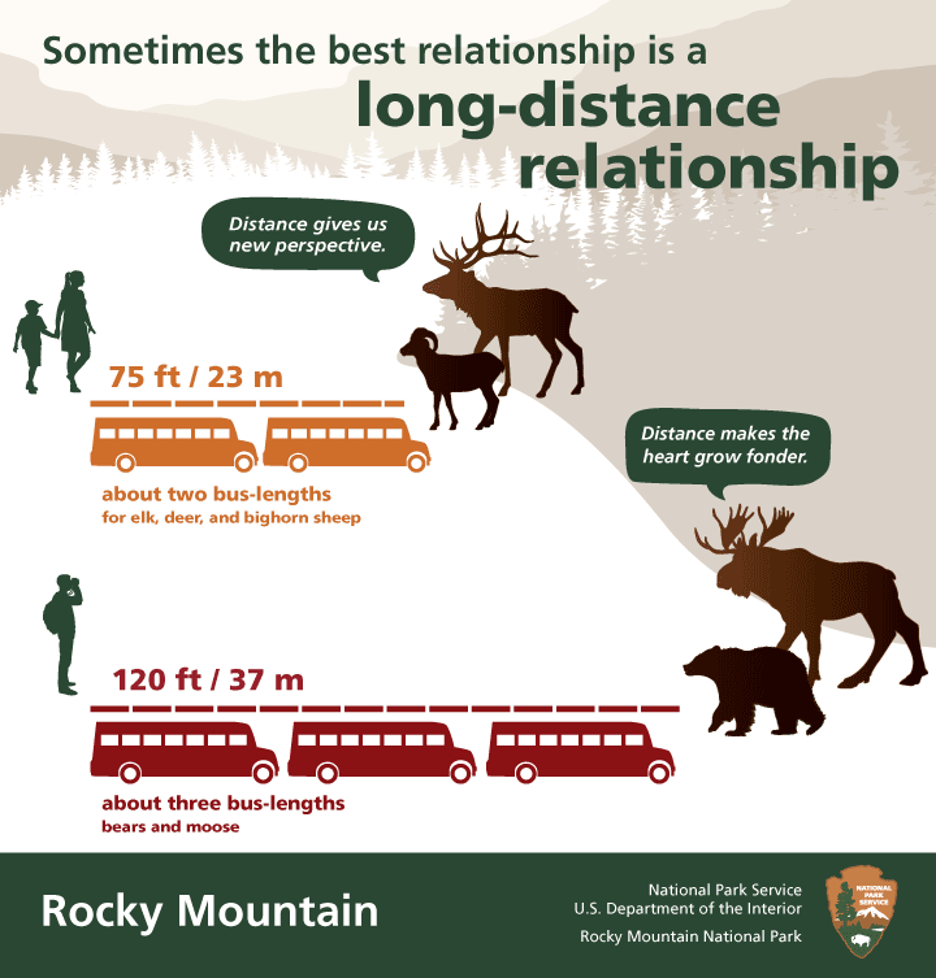
- Bring Binoculars: Bulls can be aggressive, so keep your distance.
- Stay Quiet and Safe: Avoid sudden movements and loud noises.
- Watch for Bugling and Harems: These are signs the rut is happening.
Example: Elk Watching In Yellowstone
In Yellowstone, the Mammoth Hot Springs area is famous for rut activity. Bulls gather cows, bugle loudly, and fight almost daily in September. Rangers guide visitors on safe viewing.
Differences Between Elk And Other Deer Species
Elk are not the only deer with a rut. Here’s a quick comparison with other species:
| Species | Rut Timing | Behavior | Gestation |
|---|---|---|---|
| Elk | September–October | Bugling, fighting, harems | 8–9 months |
| White-tailed Deer | October–December | Rubbing, chasing | 6–7 months |
| Mule Deer | November–December | Fighting, following | 7 months |
This shows elk have a unique rut timing and behavior compared to other deer.
Signs The Elk Rut Is Ending
As October arrives, several changes signal the rut is ending:
- Bulls stop bugling as often.
- Harems break up and cows spread out.
- Bulls lose weight and start preparing for winter.
- Antlers may break or fall off later in winter.

Practical Tips For Hunters And Wildlife Watchers
If you hunt or watch elk, knowing the rut timing is important:
- Hunters: The best chance to find bulls is during peak rut, but bulls move less after the rut ends.
- Watchers: Avoid disturbing elk during the rut. Bulls are unpredictable and can charge if threatened.
Non-obvious Insight
Many beginners miss that the peak rut lasts only a week or two. Planning your trip for the right week can mean seeing dozens of elk, instead of just a few.
Frequently Asked Questions
When Is The Peak Of Elk Mating Season?
The peak rut is usually in mid-September in most North American regions. Bulls are most active and visible during this time.
How Long Does The Elk Rut Last?
The rut lasts about 4–6 weeks, starting in late August and ending by mid-October. Peak activity is only 1–2 weeks.
Can You See Elk Mating Behaviors In The Wild?
Yes, you can. National parks and forests are great places to watch bugling, fighting, and harem formation, especially in September.
Do All Elk Mate Every Year?
No. Only healthy cows mate each year. Bulls must win battles to mate, and younger bulls rarely succeed.
Are Elk Mating Behaviors Dangerous To Humans?
Yes. Bulls can be aggressive and unpredictable during the rut. Always keep a safe distance and follow park guidelines.
Elk mating is a complex and dramatic event in nature. Understanding the timing, behaviors, and challenges helps you appreciate these animals even more. If you want more scientific details, check the Wikipedia elk page for deeper research. By respecting elk and their rut, you support healthy wildlife and get a chance to witness one of nature’s most powerful shows.

