
Opera glasses are more than just simple binoculars for the theater—they are beautiful objects with a fascinating history and a surprising variety of materials. Whether you’re a collector, a performer, or just curious about how these elegant accessories are made, understanding the materials behind opera glasses reveals much about their function, style, and value.
Let’s explore the world of opera glasses, from classic Victorian antiques to modern designs, and see what truly goes into their construction.
The Core Structure: What Forms The Body?
The main body of opera glasses is where most materials come into play. Over the years, makers have used a range of substances depending on the period, design, and price point.
Metals: Strength And Style
Most classic and modern opera glasses rely on a metal frame for durability and stability. The most common metals include:
- Brass: This is the traditional choice, especially in 19th and early 20th-century models. Brass is strong, resists corrosion, and polishes to a bright gold sheen, making it both practical and attractive.
- Aluminum: Lightweight and resistant to rust, aluminum became popular in the 20th century for mass-produced and travel-friendly opera glasses.
- Steel: Less common, but sometimes used for internal parts that need extra strength.
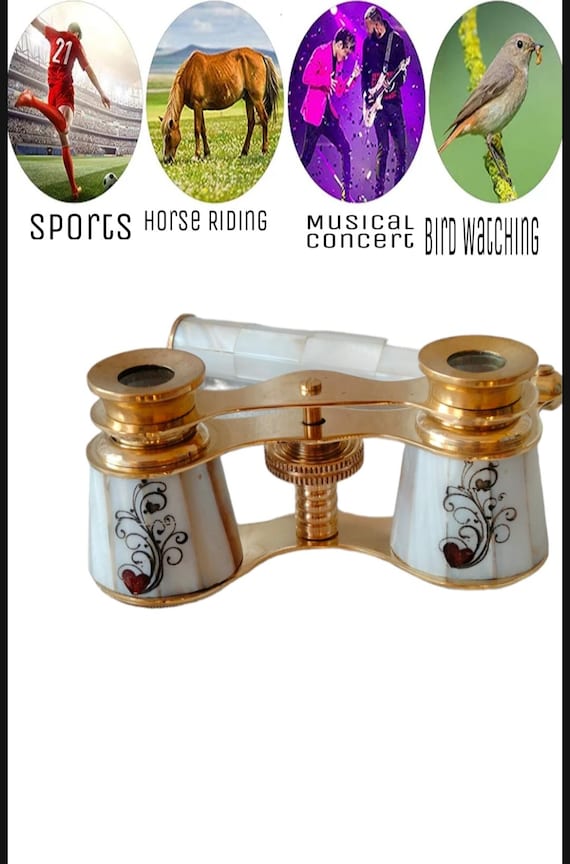
You’ll often find older opera glasses with a brass frame covered in a thin layer of another material, like enamel or mother-of-pearl, for decoration.
Plastics: Lightweight And Modern
With the growth of plastic technology in the 20th century, many opera glasses began to use plastic bodies. Plastic is cheap, light, and easy to mold into different shapes and colors. However, it is less durable and can feel less “luxurious” than metal or natural materials. Today, budget opera glasses are often made almost entirely from plastic.
Natural Materials: Beauty And Luxury
Collectors often seek out opera glasses with natural coverings. These materials add a touch of elegance and are found in higher-end or antique models:
- Mother-of-Pearl: This shimmering shell, often from oysters, is a classic for opera glasses. It gives a beautiful, iridescent finish and is carefully cut and glued onto the frame.
- Tortoiseshell: Real tortoiseshell was prized in the 1800s for its deep, warm colors. Due to conservation laws, genuine tortoiseshell is rare and no longer used, but vintage models can still be found.
- Leather: Some opera glasses feature leather wraps for a soft, tactile feel. This is often seen in 20th-century designs.
- Enamel: Hand-painted enamel can turn opera glasses into tiny works of art. The enamel is baked onto metal and can include intricate patterns or even portraits.
Glass: The Heart Of The Optics
No opera glass works without optical glass. The lenses and prisms are made from high-quality glass to provide clear, undistorted vision. The quality of the glass and the coatings used (such as anti-reflective coatings) make a big difference in how well the opera glasses perform.
Decorative Elements
Opera glasses are not just tools; they’re often fashion accessories. Makers have used gems, gold or silver plating, and even precious stones to decorate luxury models.
Comparing Common Materials In Opera Glasses
Here is a comparison of the most popular materials you’ll find in opera glasses:
| Material | Main Use | Pros | Cons |
|---|---|---|---|
| Brass | Frame | Durable, classic look, easy to polish | Heavier than aluminum or plastic |
| Aluminum | Frame | Lightweight, rust-resistant | Can dent easily, less “antique” feel |
| Plastic | Body & exterior | Cheap, light, many colors | Feels less premium, scratches easily |
| Mother-of-Pearl | Decoration | Lustrous, elegant appearance | Fragile, can chip |
| Glass | Lenses & prisms | Clear vision, essential for optics | Heavy, can break if dropped |
Evolution Of Materials: From Past To Present
Opera glasses have changed a lot since their invention in the 1800s. In the past, materials were chosen mostly for beauty and status, while today, practicality and price are often more important.
19th Century: Luxury And Craft
Early opera glasses were often made with brass frames, covered with mother-of-pearl or enamel. These were small luxury items, sometimes sold in elegant cases. The focus was on handcrafting and decoration, which is why antique models are often so ornate.
Early 20th Century: New Materials Appear
As manufacturing improved, aluminum and other metals became more common. The Art Deco period brought new styles, and materials like Bakelite (an early plastic) started to appear. Opera glasses became more affordable and accessible.
Late 20th Century To Today: Function And Affordability
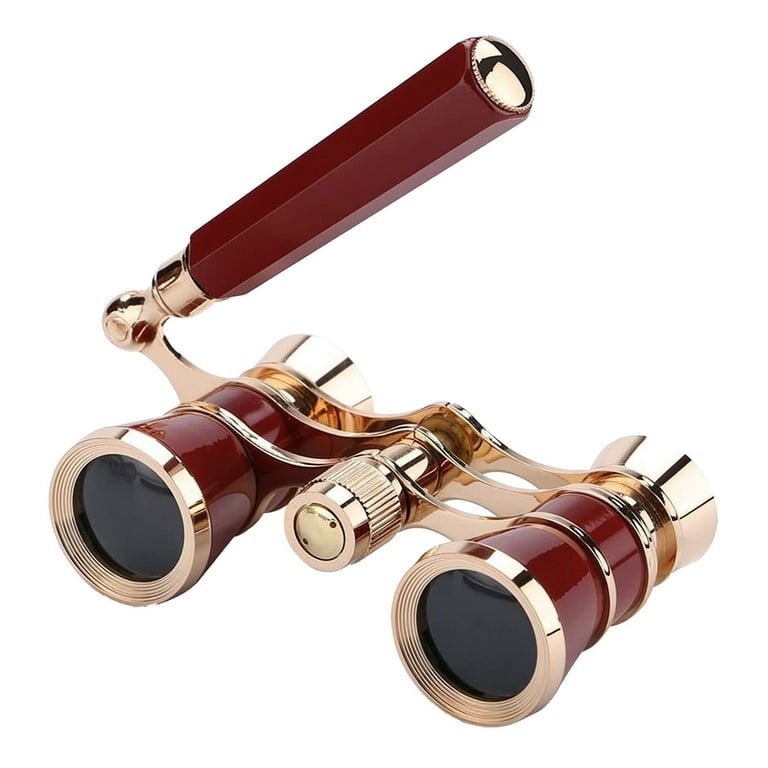
Modern opera glasses, especially those sold as souvenirs or entry-level products, often use plastic for both the body and even some optical parts. However, premium brands still offer models with brass, mother-of-pearl, or even gold trim for those seeking classic style.
The Essential Optics: Glass And Coatings
While the exterior gets the most attention, the real magic of opera glasses is in their optical glass. High-quality glass ensures images are sharp and bright. Some modern opera glasses use multi-coated lenses to reduce glare and improve light transmission. Cheaper models may use plastic lenses, but these are less clear and can scratch easily.
Prism Types
Most opera glasses use a Galilean optical system, which is simple and uses fewer pieces of glass than regular binoculars. This keeps them small and light. Rarely, you may find models with Porro prisms for a wider field of view, but these are less common.
Decorative And Functional Finishes
Beyond the basic materials, the finish of opera glasses can make them stand out.
- Gold Plating: Thin gold layers are sometimes added to brass for an extra touch of class.
- Silver or Nickel Plating: Offers a cool, shiny look that resists tarnish.
- Enamel Paint: Used for both decoration and to protect the metal underneath.
- Hand-Painted Details: Especially on 19th-century French models, you may see tiny flowers or scenes painted onto enamel.
Modern designs may use anodized aluminum for colorful, scratch-resistant surfaces.
Handle Materials: Comfort And Convenience
Many opera glasses come with a handle (also called a lorgnette). The handle is usually made from the same material as the frame (brass, aluminum), but may also be covered in mother-of-pearl, tortoiseshell, or even precious metals. Some handles fold away for easy storage. Comfort is important, so the handle must feel good in the hand and not slip.
Case Materials: Protecting Your Opera Glasses
A good pair of opera glasses usually comes with a protective case. Historically, these were made from leather, sometimes lined with silk or velvet for extra luxury. Today, cases may be made from:
- Plastic: Lightweight and cheap, but less stylish.
- Faux Leather: Looks like real leather but is easier to clean.
- Metal: Provides extra protection for valuable models.
Antique Vs. Modern Materials: A Quick Overview
Here’s a side-by-side look at how materials differ between antique and modern opera glasses:
| Feature | Antique Opera Glasses | Modern Opera Glasses |
|---|---|---|
| Main Frame | Brass, nickel, silver | Aluminum, plastic, sometimes brass |
| Covering | Mother-of-pearl, enamel, tortoiseshell | Plastic, faux leather, colored enamel |
| Lenses | Optical glass, hand-ground | Optical glass, sometimes plastic |
| Decoration | Hand-painted, gold/silver plating, jewels | Printed motifs, anodized finishes |
| Case | Leather, silk/velvet lining | Plastic, faux leather, fabric |
Factors Influencing Material Choice
Why do manufacturers choose one material over another? Several factors come into play:
- Cost: Plastic is cheaper than brass or mother-of-pearl, making opera glasses more affordable for casual users.
- Weight: Aluminum and plastic keep opera glasses light, which is essential for handheld use during long performances.
- Durability: Metal frames last longer and resist damage, but can be heavier.
- Style: Natural materials and decorative finishes add luxury but also cost more.
- Optical Quality: Glass lenses are a must for clear vision, but some low-cost models use plastic for economy.
A non-obvious insight: The most expensive part of high-end opera glasses is often the decoration, not the optics. Collectors may pay far more for a mother-of-pearl or hand-painted finish than for better glass.
Environmental Considerations
Modern buyers may care about the environmental impact of their opera glasses. Vintage models sometimes used materials now considered unsustainable, like real tortoiseshell. Today, most companies avoid these, using synthetic alternatives or responsibly sourced materials. Glass can be recycled, and many plastics are now made from recycled content.
How To Identify Materials In Opera Glasses
If you own or want to buy opera glasses, knowing what they’re made from is useful.
- Brass feels heavy and cool, and often tarnishes with age.
- Mother-of-pearl shows rainbow colors when held to the light.
- Plastic feels light, slightly warm, and may show mold lines.
- Enamel is glossy, smooth, and often has hand-painted detail.
- Leather wraps feel soft and warm, sometimes with a grainy surface.
If you’re unsure, a jeweler or experienced collector can help you identify materials.
Common Mistakes When Choosing By Material
Many first-time buyers assume that all opera glasses are made the same way, but there are traps to avoid:
- Choosing plastic lenses for price—they scratch and blur easily.
- Assuming all “mother-of-pearl” is real; some is plastic imitation.
- Ignoring the weight—heavier antique models may be tiring to hold.
- Forgetting that decoration can add value but not improve optical quality.
For best performance, always check the quality of the optics and not just the beauty of the exterior.
Opera Glasses In Modern Times
Today, opera glasses are both collectibles and practical tools. Some brands cater to theater fans with modern, lightweight models, while others create luxury items inspired by antique designs. No matter the style, the choice of materials still shapes how the glasses look, feel, and work.
If you want to see a wide variety of materials and designs, the Wikipedia page on opera glasses is a great resource.
Frequently Asked Questions
What Is The Difference Between Opera Glasses And Regular Binoculars?
Opera glasses are usually smaller, lighter, and have a lower magnification (about 2.5x to 4x) compared to regular binoculars. They are designed for indoor use, focusing on style as well as function.
Are Real Mother-of-pearl Opera Glasses Valuable?
Yes, opera glasses decorated with real mother-of-pearl are often more valuable, especially if they are antique and in good condition. Imitation mother-of-pearl is less valuable.
Can Plastic Opera Glasses Be Good Quality?
Plastic models can be light and affordable, but they rarely match the optical clarity and durability of metal and glass models. For occasional use, they are fine, but collectors and frequent users prefer higher-quality materials.
How Can I Tell If My Opera Glasses Are Antique?
Look for signs like brass frames, hand-painted enamel, real mother-of-pearl, or old maker’s marks. Weight and craftsmanship are also clues. Many modern replicas use lighter materials and less detailed finishes.
Are Modern Opera Glasses More Eco-friendly?
Modern models often use synthetic or recycled materials and avoid endangered resources like real tortoiseshell. However, the environmental impact depends on the specific brand and production methods.
Opera glasses are a blend of art and engineering, with materials chosen for their beauty, strength, and function. Whether old or new, they continue to delight theater-goers and collectors alike, and knowing what they’re made from helps you appreciate their unique charm.


