What Is The Smallest Bird In The World?
Tiny, fast, and almost magical—that’s how many people describe the world’s smallest bird. When you first see it, you might think it’s an insect, not a bird at all. But this tiny creature is a marvel of nature, with abilities that surprise even scientists.
If you’ve ever wondered which bird holds the record for being the smallest, or how such a small animal survives in the wild, you are in the right place.
In this article, we will go deep into the smallest bird in the world, exploring its size, habits, where it lives, and what makes it unique. You will learn about the challenges it faces, how it feeds, and why it matters for nature. We will also compare it to other small birds, answer common questions, and give you facts that even many bird lovers don’t know. By the end, you will have a full understanding of this tiny wonder of the animal kingdom.
What Is The Smallest Bird In The World?
The title of the world’s smallest bird belongs to the Bee Hummingbird (*Mellisuga helenae*). This bird is so tiny that it can easily rest on a finger, and its eggs are smaller than a coffee bean. Found only in Cuba and the Isla de la Juventud, the Bee Hummingbird is famous not just for its size, but for its speed and beauty.
The male Bee Hummingbird measures about 5.5 centimeters (2.2 inches) from beak to tail and weighs 1.6–2 grams (less than a dime). The female is slightly larger, about 6.1 centimeters (2.4 inches) and up to 2.6 grams. Its tiny size makes it hard to spot, but its bright colors and quick movements attract attention from bird watchers and scientists alike.
Many people confuse the Bee Hummingbird with other small birds, but no other bird species on earth is smaller or lighter.
How Small Is The Bee Hummingbird?
To understand just how small the Bee Hummingbird is, let’s compare it to other familiar objects and birds. This helps show the true scale of this amazing animal.
| Comparison | Bee Hummingbird | Common Object/Bird |
|---|---|---|
| Length | 5.5 cm (male) | Standard house key: 6 cm |
| Weight | 1.6–2.6 g | U.S. dime: 2.3 g |
| Egg Size | 1 cm long | Coffee bean: 1.2 cm |
The Bee Hummingbird is not just the smallest bird, but also lays some of the smallest eggs in the world. If you hold a U. S. dime, you are holding something heavier than a male Bee Hummingbird.
Where Does The Bee Hummingbird Live?
The Bee Hummingbird is endemic to Cuba. This means it is found nowhere else in the world. Its main habitats are forests, gardens, and areas with lots of flowers. It prefers places with shrubs and trees where it can find nectar, its main food source.
Cuba’s tropical climate and rich plant life make it the perfect home for this tiny bird. The Bee Hummingbird is especially common in the eastern parts of Cuba and on the Isla de la Juventud, a large island to the south of the main country.
Habitat Needs
Bee Hummingbirds need:
- Plenty of flowering plants for nectar
- Safe places to build tiny nests
- Warm weather
Because they are so small, they avoid open, windy areas and stick to places with lots of cover. Gardens with native flowers and forests are their favorite spots.
What Does The Bee Hummingbird Look Like?
Despite its tiny size, the Bee Hummingbird is a striking bird. Males and females look a bit different, especially during the breeding season.
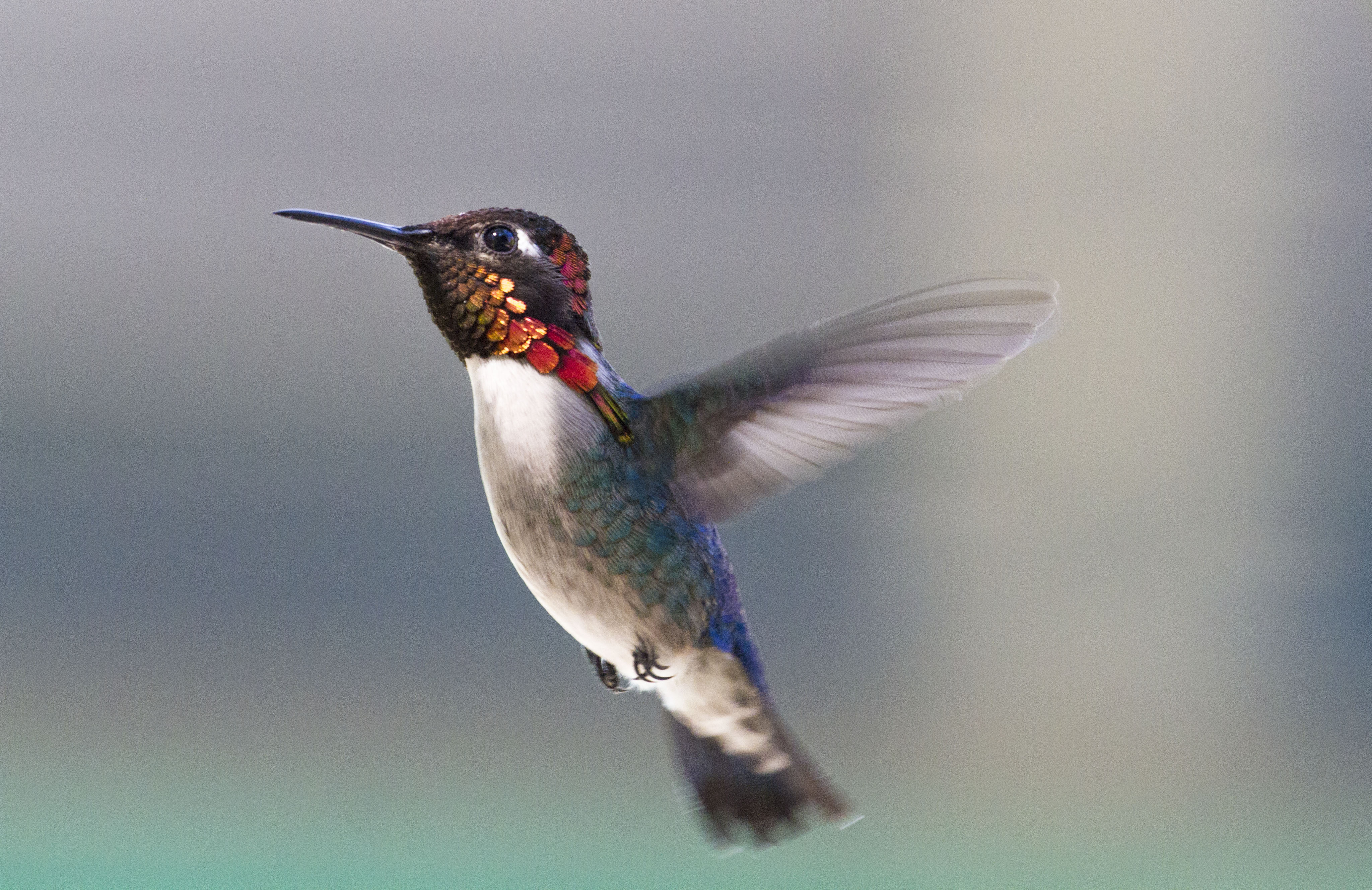
- Male: The male is more colorful, with bright, iridescent feathers. Its head and throat shine with pinkish-red and blue-green colors. The rest of the body is blue and gray.
- Female: The female is plainer, with green upperparts and whitish underparts. She does not have the bright red throat of the male.
Both sexes have a straight, slender bill perfectly shaped for drinking nectar from flowers. Their wings beat so fast—up to 80 times per second—that you often only see a blur.
How Does The Bee Hummingbird Behave?
The Bee Hummingbird is active and fast. It spends most of its day flying from flower to flower, collecting nectar. Its wings move so quickly that you often hear a humming sound before you see the bird itself.
Feeding
- Diet: Mainly nectar from flowers, but also small insects and spiders for protein.
- Feeding Style: Hovers in front of a flower, drinks nectar with its long tongue, and moves on quickly. Can visit up to 1,500 flowers per day.
- Pollination: As it feeds, pollen sticks to its head and beak, helping plants reproduce.
Nesting
The Bee Hummingbird builds one of the smallest nests in the bird world—about the size of a quarter. It uses plant fibers, spider webs, and lichen to make the nest soft and safe. The female lays two tiny eggs, each smaller than a pea.
The male does not help with raising the young. The female cares for the eggs and chicks alone.
Flight
- Can fly forwards, backwards, and even hover in place.
- Fast, darting movements help avoid predators.
Why Is The Bee Hummingbird So Small?
Scientists believe the Bee Hummingbird’s small size is an adaptation to its environment. By being small, it can reach tiny flowers and feed where larger birds cannot. This gives it less competition for food.
Its small size also means it needs less energy to stay in the air. But, because it burns energy so fast, it must eat almost constantly. The Bee Hummingbird’s heart beats up to 1,260 times per minute when flying, one of the fastest heart rates in the animal kingdom.
The Bee Hummingbird Vs Other Small Birds
Many birds are small, but none match the Bee Hummingbird in size. Still, some other hummingbirds and wrens come close. Here’s a direct comparison of the Bee Hummingbird and other tiny birds:
| Bird Species | Average Length | Average Weight | Region |
|---|---|---|---|
| Bee Hummingbird | 5.5–6.1 cm | 1.6–2.6 g | Cuba |
| Esmeraldas Woodstar | 6.7 cm | 2.3 g | Ecuador |
| Calliope Hummingbird | 7–8 cm | 2–3 g | North America |
| Goldcrest | 8.5–9 cm | 5–7 g | Europe, Asia |
| Pardalote | 8–9 cm | 5–6 g | Australia |
The Bee Hummingbird easily beats all competitors. Even the next smallest, the Esmeraldas Woodstar, is nearly 20% longer.
Life Cycle Of The Bee Hummingbird
The life of a Bee Hummingbird is short but action-packed. From egg to adult, every stage is adapted for survival in a tough world.
Egg
- Size: About 1 cm long, white, and oval.
- Laid in a soft, cup-shaped nest.
- Incubation: 14–23 days, depending on weather.
Chick
- Born blind and featherless.
- Fed by the mother with regurgitated nectar and insects.
- Grows quickly, leaving the nest in about 18 days.
Adult
- Reaches full size in a few weeks.
- Lives for about 7 years in the wild, though many do not survive their first year due to predators and weather.

How Does The Bee Hummingbird Feed?
The Bee Hummingbird is a nectar specialist. Its long bill and tongue are perfect for reaching deep into flowers. But nectar alone is not enough—protein is needed for survival. That’s why it also eats tiny insects and spiders.
Special Feeding Adaptations
- Tongue: Splits at the tip and acts like a pump, soaking up nectar quickly.
- Metabolism: One of the fastest in the world. Must eat every 10–15 minutes while active.
- Memory: Remembers which flowers it has visited and when. This helps it find fresh nectar.
Many people don’t realize that this bird plays a key role in pollination. Without it, some plants in Cuba might not survive.
Unique Features Of The Bee Hummingbird
The Bee Hummingbird is special for more than its size. Here are some unique traits:
- Color-changing feathers: Iridescent plumage shines different colors in sunlight.
- Fastest wing beat: Up to 80 beats per second.
- High heart rate: Up to 1,260 beats per minute during flight.
- Miniature eggs and nest: Smaller than a pea and the size of a coin.
- Solo lifestyle: Only comes together with others for mating.
These features help it survive and thrive in its small, competitive world.
Threats Facing The Bee Hummingbird
Such a small bird faces many dangers. Some are natural, while others are caused by humans.
Natural Threats
- Predators: Larger birds, snakes, and lizards eat eggs and chicks.
- Weather: Heavy rain and storms can destroy nests.
Human-caused Threats
- Habitat loss: Cutting down forests for farming or building removes nesting and feeding spots.
- Pesticides: Chemicals kill insects the bird needs for protein.
- Climate change: Changes in weather patterns affect flower blooms and food supply.
Today, the Bee Hummingbird is considered Near Threatened by the International Union for Conservation of Nature (IUCN). Its numbers are shrinking because its habitat is shrinking.
Conservation Efforts
Saving the Bee Hummingbird is important not just for the bird itself, but for the plants that depend on it. Some steps being taken include:
- Protected areas: National parks in Cuba protect key habitats.
- Education: Teaching local people about the bird’s importance.
- Flower gardens: Planting native flowers to provide nectar.
- Research: Scientists study the bird to understand its needs better.
People can help by supporting local conservation groups and making gardens bird-friendly.
How To Spot The Bee Hummingbird
Seeing a Bee Hummingbird in the wild is a special experience, but it’s not easy. Their small size and quick movement make them hard to find. Here are tips for spotting one:
- Go to Cuba: The only place where they live.
- Look for flowers: Especially in gardens and forests.
- Listen for a hum: Their wings make a unique buzzing sound.
- Use binoculars: Small, fast birds are easier to see with good equipment.
- Go early: Early morning is the best time, when they are most active.
Many visitors travel to Cuba just to catch a glimpse of this tiny wonder.
Interesting Facts About The Bee Hummingbird
- The Bee Hummingbird is often mistaken for a bee because of its size and buzzing flight.
- In a single day, it can eat up to half its body weight in food.
- Its tiny nest is often camouflaged with lichen, making it nearly invisible.
- The male’s courtship display includes rapid dives and body twists, showing off his bright feathers.
- The Bee Hummingbird can fly at speeds of up to 48 km/h (30 mph) in short bursts.
These facts show just how unique and adapted this bird is to its tiny world.
How Does The Bee Hummingbird Influence Its Ecosystem?
Though small, the Bee Hummingbird has a big impact. Its feeding habits help pollinate many native Cuban plants. Without it, some flowers might not be pollinated, which could harm the local ecosystem.
This is a non-obvious fact: Small birds like the Bee Hummingbird often pollinate plants that other animals ignore. That means losing the bird could mean losing certain types of plants forever. This shows why protecting even the smallest animals is important for the whole environment.
Why Don’t We See Bee Hummingbirds Outside Cuba?
It might seem strange that such an amazing bird is found in only one place. The answer lies in evolution. The Bee Hummingbird evolved on Cuba, where no other birds could compete for its food source—tiny flowers. Over thousands of years, it became perfectly suited to its island home.
Efforts to introduce it elsewhere have failed. It needs a special mix of flowers and climate that exists only in Cuba. This is why the Bee Hummingbird is one of the world’s true natural treasures.
How Does The Bee Hummingbird Compare To Insects?
Many people compare the Bee Hummingbird to large insects, like bees or moths. In fact, its size and behavior are so close that it often gets confused for an insect. But there are big differences:
| Feature | Bee Hummingbird | Bumblebee |
|---|---|---|
| Body Type | Warm-blooded bird | Insect |
| Wings | 2 (bird wings) | 4 (insect wings) |
| Flight Speed | Up to 48 km/h | Up to 21 km/h |
| Diet | Nectar, small insects | Nectar, pollen |
| Eggs | Lays eggs in nest | Lays eggs in hive or ground |
This comparison shows that while the Bee Hummingbird may look like a bug, it’s a true bird with feathers, a beak, and warm blood.
How Can People Help Protect The Bee Hummingbird?
You don’t have to live in Cuba to help. Here’s how anyone can make a difference:
- Support conservation: Donate to groups working to protect Cuban wildlife.
- Spread awareness: Tell others about this unique bird.
- Avoid pesticides: These harm birds and their food.
- Plant native flowers: Even outside Cuba, supporting pollinators helps the global ecosystem.
Every small action adds up, and the Bee Hummingbird is a symbol of why all animals, big or small, matter.
The Bee Hummingbird In Culture And Science
The Bee Hummingbird is more than just a bird; it’s a symbol of Cuba and a subject of scientific study. Artists, poets, and scientists have celebrated its beauty and uniqueness.
- In Cuban culture, the Bee Hummingbird stands for delicacy and endurance.
- Scientists use it to study how animals survive in small sizes and how pollination works.
- Its image appears on Cuban stamps and in local folklore.
Non-obvious Insights About The Smallest Bird
- Size and metabolism link: The Bee Hummingbird’s small size forces it to eat constantly. If it goes just a few hours without food, it can starve.
- Special sleep: At night, it enters a state called *torpor*, lowering its body temperature and heart rate to save energy. Few other birds do this to the same extreme.
Many beginners miss these facts, thinking small size means less need for food or sleep. But for the Bee Hummingbird, being small means life is a constant race for energy.
Frequently Asked Questions
What Is The Exact Size Of The Bee Hummingbird?
The male Bee Hummingbird is about 5.5 centimeters (2.2 inches) long and weighs 1.6–2 grams. The female is a bit larger, reaching 6.1 centimeters and up to 2.6 grams. This makes it the smallest bird in both length and weight.
Why Is The Bee Hummingbird Found Only In Cuba?
The Bee Hummingbird evolved on the island of Cuba, where it found a unique environment with the right flowers and climate. It is so specialized that it cannot survive outside this habitat. Attempts to introduce it elsewhere have not worked.
What Does The Bee Hummingbird Eat?
It feeds mainly on nectar from flowers, but also eats small insects and spiders for protein. It needs to eat often, visiting up to 1,500 flowers a day to get enough energy.
Is The Bee Hummingbird Endangered?
The Bee Hummingbird is listed as Near Threatened by the IUCN. This means it is not yet endangered, but its numbers are dropping due to habitat loss and other threats. Protection efforts are important for its survival.
How Does The Bee Hummingbird Compare To Other Small Birds?
No other bird is smaller than the Bee Hummingbird. The next smallest, the Esmeraldas Woodstar, is still about 20% longer. Other tiny birds, like the Goldcrest and Calliope Hummingbird, are heavier and longer.
For more details, you can read about the Bee Hummingbird on the Wikipedia page.
Tiny but mighty, the Bee Hummingbird shows that size does not limit how special or important an animal can be. From pollinating flowers to inspiring scientists, this small bird leaves a big mark on its world. If you ever visit Cuba, keep an eye out—you might just see the smallest bird on earth.

