
What Is The Largest Bird In The World?
When we look at the world of birds, size varies a lot. Some birds are small enough to sit on your fingertip. Others are so big you could not lift them. But among all these creatures, one bird stands out for its size — the ostrich.
If you have ever wondered, “What is the largest bird in the world? ” you are not alone. People have been fascinated by giant birds for centuries. Their size, power, and unique features make them special in nature.
This article will explore the largest bird in the world, explain why it holds this title, and compare it with other big birds. You will also learn about its life, habitat, and how it survives in the wild. We will go deeper than just the basic facts.
You will discover details many people miss, such as the science behind their size, the challenges they face, and how they compare with other animals. By the end, you will have a full picture of what makes the largest bird unique in the animal kingdom.
Defining “largest” In The Bird World
Before we focus on a single species, it is important to ask: What does “largest” mean when talking about birds? Is it about height, weight, wingspan, or something else? Different birds can be “largest” in different ways.
When most experts talk about the largest bird, they mean heaviest living bird. This is because some birds have long wingspans but are not heavy. For example, the wandering albatross has the longest wingspan, reaching up to 3.5 meters (11 feet), but it is not the heaviest. Other birds, like the extinct elephant bird or the moa, were even larger, but they are no longer alive.
So, for living birds, “largest” usually means the bird with the most body mass (weight) and the greatest height. In both ways, the answer is clear: the ostrich is the largest bird in the world.
Meet The Largest Bird: The Ostrich
The ostrich (Struthio camelus) is the largest bird alive today. It is native to Africa and is well-known for its great size, long legs, and fast running. Let’s look at the facts that make the ostrich the champion of size:
- Height: Adult males can reach up to 2.8 meters (9 feet), and females up to 2 meters (6.6 feet).
- Weight: Males can weigh between 100 to 156 kg (220 to 344 lbs). Females are usually lighter, around 90 to 110 kg (198 to 242 lbs).
- Wingspan: 2 meters (6.6 feet), but they cannot fly.
- Eggs: Lays the largest eggs of any living land animal — up to 15 cm (6 inches) long and weighing 1.4 kg (3 lbs).
But what makes the ostrich truly special is not just its size. It has many unique features that help it survive and thrive.
Anatomy And Unique Features Of The Ostrich
The ostrich is built for life on the ground. It is flightless but can run faster than most land animals. Here are some key features that set it apart:
Long, Powerful Legs
The ostrich’s legs are strong and long, built for speed and kicking. Each foot has two toes, not three or four like most birds. This helps them run faster and stay balanced. An ostrich can reach speeds of up to 70 km/h (43 mph). This is the fastest running speed of any bird and helps it escape predators.
Large Eyes
Ostriches have the largest eyes of any land animal, measuring almost 5 cm (2 inches) across. Their eyes are bigger than their brains! This gives them excellent vision to spot danger from far away.
Small Head And Long Neck
Their small head and long neck help them look over tall grass and shrubs. This is useful for keeping watch for lions, cheetahs, and other threats.
Feathers
Unlike flying birds, ostrich feathers are soft and loose. They do not have stiff edges for flying. Instead, their feathers help keep them cool in the hot African sun.
Large Eggs
Ostrich eggs are not just big; they are tough. The shell is thick and hard, making it difficult for most animals to break. This protects the baby ostriches (chicks) inside.
Where Do Ostriches Live?
Ostriches are native to Africa. They live in open, dry areas such as savannas, grasslands, and deserts. These places have wide, open spaces where ostriches can run and see danger coming. Today, ostriches are also farmed in many parts of the world for their feathers, meat, and leather.
Main Habitats
- Savannas — Wide grasslands with few trees.
- Semi-deserts — Dry areas with some shrubs and grass.
- Open woodlands — Areas with scattered trees.
Ostriches avoid thick forests and wet places. They need space to run and open areas to spot predators.
Distribution
Wild ostriches are found mainly in countries like South Africa, Namibia, Botswana, Ethiopia, and Kenya. There are also smaller populations in West and North Africa. Some introduced groups live in Australia, but these are not native.

Ostrich Diet And Eating Habits
Ostriches are omnivores, which means they eat both plants and animals. However, most of their diet is plant-based.
What Do Ostriches Eat?
- Grass and seeds
- Leaves and flowers
- Roots and fruits
- Insects like locusts, grasshoppers, and beetles
- Small animals (rarely), such as lizards or rodents
Ostriches often eat whatever is available. In dry times, they can survive on roots and seeds. They also swallow small stones and sand, which help grind up food in their stomachs.
Water Needs
Ostriches can go without water for days, getting most of their water from plants. But if water is available, they will drink often.
Ostrich Behavior And Social Life
Ostriches are social birds. They often live in groups called flocks. A typical flock has 5 to 50 birds.
Flock Life
Living in groups helps ostriches stay safe. More eyes mean a better chance to spot predators. In a flock, there is usually a dominant male and a main female, called the alpha pair. Other males and females also help protect the group.
Mating And Raising Chicks
During mating season, males make a booming sound and dance to attract females. The alpha female lays her eggs in a shared nest. Sometimes, up to 60 eggs can be in one nest! Both males and females take turns sitting on the eggs to keep them warm.
When the chicks hatch, they are already big and can walk right away. The group protects the chicks together, making it harder for predators to attack.
Defense
If threatened, ostriches usually run away. But if they must fight, they can kick with great force. An ostrich’s kick can kill a lion or a human. Their strong legs and sharp claws are powerful weapons.
The Life Cycle Of An Ostrich
Understanding how ostriches grow helps explain how they become so large.
Egg To Chick
Ostrich eggs are incubated for about 42 days. When chicks hatch, they weigh about 1 kg (2. 2 lbs). They are covered in soft down and can walk within hours.
Growing Up
Ostrich chicks grow very fast. They can reach half their adult size in just six months. By 18 months, they are usually full-grown. Ostriches can live up to 40–45 years in the wild or captivity.
Survival Challenges
Young ostriches face many dangers. Jackals, hyenas, and large birds of prey eat eggs and chicks. Only a small number survive to become adults.
How Ostriches Compare To Other Large Birds
It is interesting to see how the ostrich compares with other giant birds. Here is a comparison of the largest living birds by height and weight.
| Bird | Average Height | Average Weight | Flight Ability | Native Region |
|---|---|---|---|---|
| Ostrich | 2.1–2.8 m (6.9–9 ft) | 100–156 kg (220–344 lbs) | Flightless | Africa |
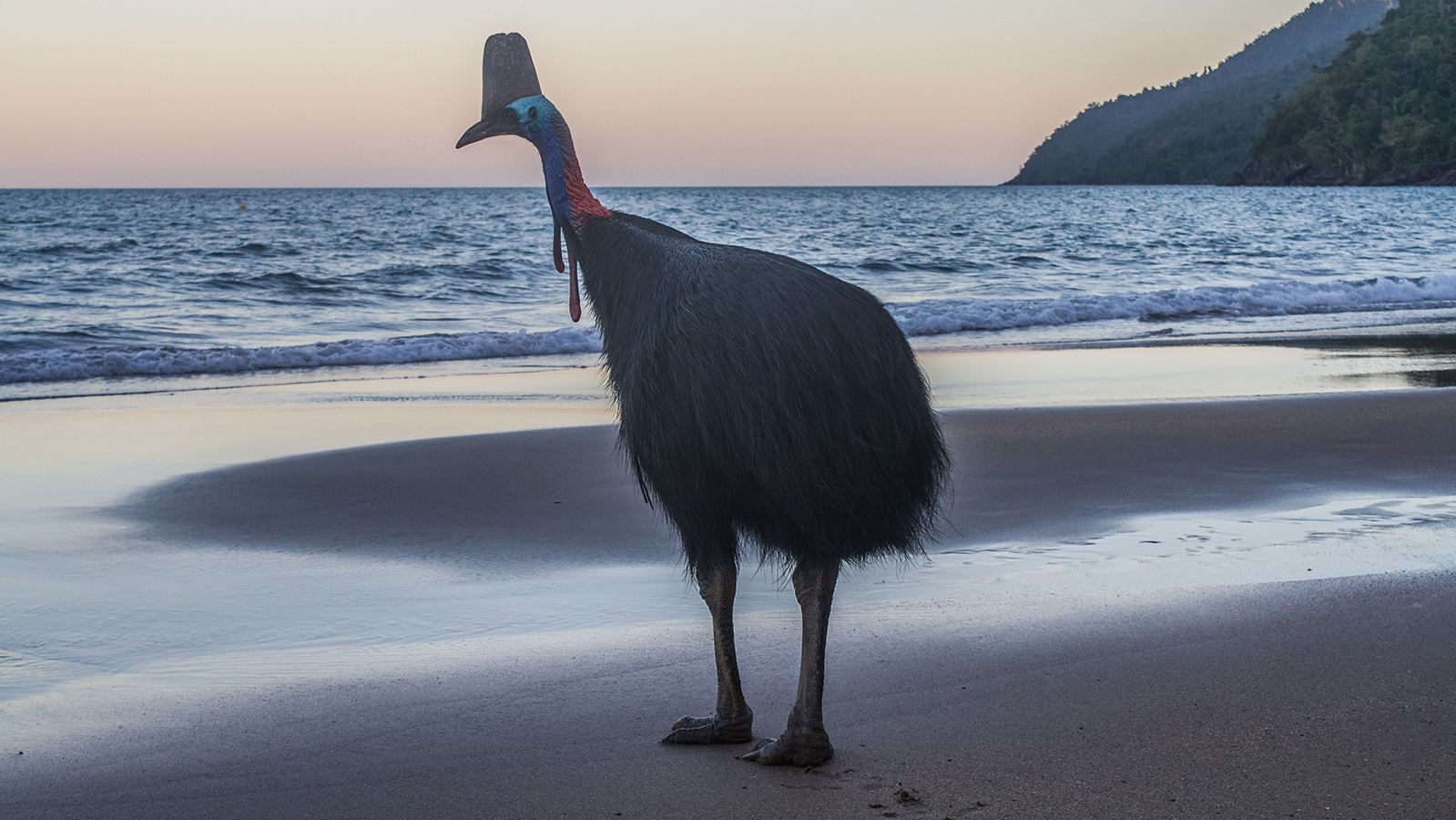
| Southern Cassowary | 1.5–1.8 m (5–5.9 ft) | 58.5 kg (129 lbs) | Flightless | Australia, New Guinea |
| Emu | 1.5–1.9 m (4.9–6.2 ft) | 30–55 kg (66–121 lbs) | Flightless | Australia |
| Greater Rhea | 1.4–1.7 m (4.6–5.6 ft) | 20–27 kg (44–60 lbs) | Flightless | South America |
| Wandering Albatross | 1.1 m (3.6 ft) | 8–12 kg (18–26 lbs) | Can Fly | Southern Ocean |
As you can see, the ostrich is much taller and heavier than any other living bird.
How The Ostrich Got So Big: Evolution And Adaptation
Why did the ostrich become so large? The answer is in evolution.
Millions of years ago, some birds stopped flying and adapted to life on the ground. These birds became bigger and stronger because they no longer needed small, light bodies for flight.
Ostriches developed long legs for running, big bodies for fighting, and strong necks for feeding on high plants. Their size also helps protect them from predators. Large animals are harder to catch and kill.
Other flightless birds, like the emu and cassowary, also grew large, but not as large as the ostrich. The open African landscape likely gave ostriches more space and fewer obstacles, allowing them to grow even bigger.
Ostrich Records: What Makes Them Stand Out?
The ostrich is a record-breaker in many ways. Here are some amazing facts:
- Fastest Bird on Land: Can run up to 70 km/h (43 mph).
- Largest Bird Egg: Weighs up to 1.4 kg (3 lbs).
- Largest Eyes of Any Land Animal: About 5 cm (2 inches) across.
- Heaviest Living Bird: Up to 156 kg (344 lbs).
- Longest Neck of Any Bird: Up to 1 meter (3.3 feet).
These records show how unique the ostrich is among birds.

Ostriches And Humans: History And Relationship
People have known about ostriches for thousands of years. They appear in ancient art, myths, and stories.
Ancient Times
In ancient Egypt and Rome, ostrich feathers were used for decoration and ceremonies. Ostrich eggs were carved and used as cups or jewelry. In some cultures, the ostrich was a symbol of speed and strength.
Modern Uses
Today, ostriches are farmed for their meat, leather, and feathers. Ostrich meat is low in fat and high in protein. Their leather is used for handbags, shoes, and belts. Feathers are used in fashion and costumes.
Ostrich racing is also popular in some places, but it is controversial and not good for the birds’ health.
Conservation
Wild ostrich populations are stable in some areas, but declining in others due to habitat loss and hunting. Conservation efforts help protect them in the wild.
Ostrich Myths And Misunderstandings
There are many myths about ostriches. Let’s clear up the most common ones:
Do Ostriches Bury Their Heads In The Sand?
No. This is a myth. When ostriches sense danger, they lie low and stretch their necks along the ground. From a distance, it can look like their heads are buried, but they are not.
Can Ostriches Kill A Lion?
Yes, but only in self-defense. Ostriches can deliver a deadly kick if attacked, but they prefer to run away.
Are Ostriches The Dumbest Birds?
No. Ostriches are smart in their own way. They have good memories and can learn from experience.
These facts show that many things people believe about ostriches are not true.
The Ostrich’s Role In Its Ecosystem
Ostriches play an important part in their habitat. Here’s how:
- Seed Dispersal: By eating fruits and plants, ostriches help spread seeds across large areas.
- Prey for Predators: Eggs and chicks are food for many animals. This keeps the ecosystem in balance.
- Keeping Grasslands Healthy: By eating lots of grass and plants, ostriches help control plant growth.
Without ostriches, African grasslands would be very different.
The Threats Facing Ostriches
Ostriches are strong, but they face many dangers:
Natural Predators
- Lions
- Leopards
- Cheetahs
- Hyenas
- Jackals (especially for eggs and chicks)
- Birds of prey
Adult ostriches are hard to catch, but eggs and chicks are often eaten.
Human Threats
- Habitat loss: Farming and buildings replace wild land.
- Hunting: For meat, feathers, or eggs.
- Road accidents: Ostriches can be hit by cars and trucks.
Conservation groups are working to protect ostrich habitats and stop illegal hunting.
Ostriches In Popular Culture
Ostriches often appear in cartoons, movies, and books. They are known for their funny walk and long necks. In some places, the ostrich is a symbol of speed and power.
In sports, the ostrich’s fast running has inspired many teams and mascots. Their image is used in advertising, fashion, and art around the world.
Non-obvious Insights About Ostriches
Most people know ostriches are big and fast, but here are some facts that often surprise beginners:
- Ostrich Legs Act Like Springs: The muscles and tendons in their legs store energy, helping them run faster and longer without getting tired. This is different from most animals, who use more muscle power.
- They Can Swallow Big Objects: Ostriches have been seen swallowing things like coins, stones, and even small metal objects by mistake. In the wild, swallowing stones helps them grind food, but in captivity, it can be dangerous.
These details show how adapted ostriches are to their environment and how their bodies work in special ways.
Ostriches Versus Extinct Giant Birds
Ostriches are the largest living birds, but in the past, there were even bigger birds.
| Extinct Bird | Estimated Height | Estimated Weight | Region |
|---|---|---|---|
| Elephant Bird (Aepyornis) | Up to 3 m (10 ft) | Up to 500 kg (1,100 lbs) | Madagascar |
| Moa | Up to 3.6 m (12 ft) | Up to 230 kg (507 lbs) | New Zealand |
| Ostrich | Up to 2.8 m (9 ft) | Up to 156 kg (344 lbs) | Africa |
No living bird today matches these ancient giants, but the ostrich is the closest living example.
The Future For The World’s Largest Bird
The ostrich is likely to remain the world’s largest bird for a long time. However, their future depends on protecting their wild homes and preventing overhunting.
Ostrich farming can help reduce hunting in the wild, but it also brings risks if not managed well. Keeping genetic diversity is important. Ostriches in zoos and farms need space and proper care to stay healthy.
Scientists continue to study ostriches to learn more about their biology, how they evolved, and how they can help with conservation. For those interested in more detail, you can visit the Wikipedia page about ostriches.
Frequently Asked Questions
What Is The Largest Bird In The World By Weight?
The ostrich is the heaviest living bird. Adult males can weigh up to 156 kg (344 lbs), and females up to 110 kg (242 lbs).
Can Ostriches Fly At All?
No, ostriches are completely flightless. Their wings are too small for their large bodies, but they use them for balance when running and for courtship displays.
How Fast Can An Ostrich Run?
Ostriches can run up to 70 km/h (43 mph) for short distances. This makes them the fastest running birds on land.
Are Ostrich Eggs Edible?
Yes, ostrich eggs are edible and are eaten in many countries. One egg can feed 10–12 people. The shell is very thick and must be opened with a hammer or saw.
How Long Do Ostriches Live?
In the wild, ostriches usually live up to 40–45 years. In captivity, with good care, they can live even longer.
The ostrich is a true giant of the bird world. Its size, speed, and unique features make it one of nature’s most remarkable animals. Whether you see them in the wild, on a farm, or in a book, ostriches will always stand out as the largest bird on Earth.

