
The elk is one of North America’s most impressive wild animals. But when people talk about elk, they often don’t realize there are different types. The Roosevelt elk and the Rocky Mountain elk are the two largest subspecies in North America. They might look similar at first glance, but there are clear differences if you know what to look for. Understanding these differences is important for hunters, wildlife lovers, and anyone interested in nature. This article explores every key difference, from how they look to where they live and even how they behave.
Geographic Range And Habitat
The first major difference between Roosevelt and Rocky Mountain elk is where they live. Their ranges don’t overlap much, and their homes shape how they behave and look.
Roosevelt Elk Range
Roosevelt elk are found mostly along the Pacific coast. Their territory stretches from northern California up through Oregon and Washington, and into British Columbia and parts of Alaska. These elk prefer wet, temperate forests full of ferns, moss, and tall trees. They’re often found in national parks like Olympic National Park and Redwood National and State Parks.
Rocky Mountain Elk Range
Rocky Mountain elk are much more widespread. Their main territory is in the Rocky Mountains, from New Mexico up to Canada. They also live in parts of the Great Plains, the Black Hills, and even some eastern states where they’ve been reintroduced. They prefer open forests, grasslands, and alpine meadows. Unlike Roosevelt elk, they’re more likely to be seen on open hillsides or valley floors.
Why Range Matters
Where these elk live affects their food, their risk from predators, and how they move. For example, the thick forests of the Pacific coast provide lots of cover, while the open spaces of the Rockies demand speed and alertness. These different environments have shaped each subspecies over thousands of years.
Physical Differences
At first glance, all elk look similar: big, brown, and with impressive antlers. But there are real physical differences between Roosevelt and Rocky Mountain elk.
Size And Weight
Roosevelt elk are the largest elk in North America by body mass.
| Subspecies | Average Bull Weight | Shoulder Height |
|---|---|---|
| Roosevelt Elk | 700-1,100 lbs (320-500 kg) | Up to 5 ft (1.5 m) |
| Rocky Mountain Elk | 600-1,000 lbs (270-450 kg) | 4.5-5 ft (1.35-1.5 m) |
A mature Roosevelt elk bull is usually heavier and bulkier than a Rocky Mountain bull, though the height at the shoulder is quite similar.
Antler Structure
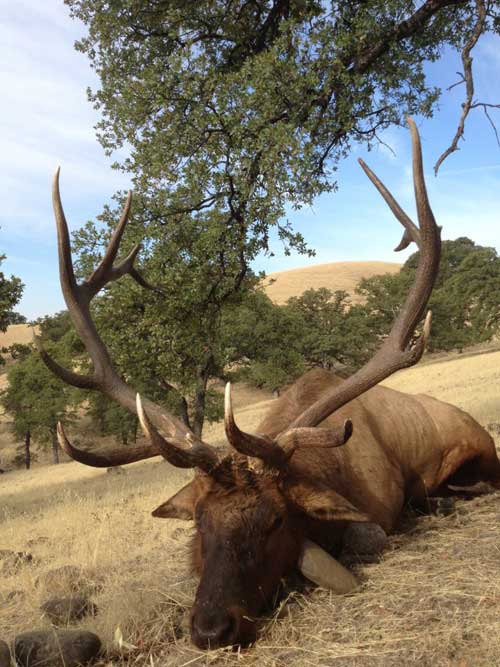
Antlers are one of the most famous features of elk. Rocky Mountain elk have longer, thinner, and more upright antlers. Their antlers can reach up to 4 feet (1. 2 meters) in length, with many points. These antlers are often more “swept back,” giving them a majestic look.
Roosevelt elk, on the other hand, grow antlers that are usually shorter, thicker, and more compact. Their antlers often have more mass but fewer points. In dense forests, shorter antlers might be an advantage because they don’t get caught as easily.
Body Shape And Color
Roosevelt elk have a stockier build. Their bodies are more robust, with thicker necks and a heavier appearance. Their coats can be darker, especially in the winter, while Rocky Mountain elk tend to have lighter, tan-colored bodies. Both have a pale rump, but the contrast is usually more visible in the Rocky Mountain elk.

Diet And Feeding Habits
Both subspecies are herbivores, but their food choices reflect their homes.
Roosevelt Elk Diet
Living in lush forests, Roosevelt elk eat a variety of plants. Their menu includes ferns, shrubs, grasses, and the leaves of trees like alder and maple. They often feed on the edge of clearings, where new growth is tender and easy to digest.
In winter, they may eat bark, twigs, and even lichens.
Rocky Mountain Elk Diet
Rocky Mountain elk graze more on grasses, forbs, and shrubs. In summer, they spend hours on open meadows, feeding on nutritious grasses. In winter, they switch to woody plants like willow and aspen. Their diet is more varied because their habitat changes with elevation and season.
Adaptations In Feeding
Roosevelt elk are more selective eaters, taking advantage of the rich diversity of plants in their forest environment. Rocky Mountain elk are more opportunistic, able to handle sparser food options during harsh mountain winters.
Behavior And Social Structure
Both types of elk are social, but their behaviors are shaped by their environment.
Herd Structure
Both Roosevelt and Rocky Mountain elk live in herds. These usually include females (cows), their young (calves), and a few dominant males (bulls), especially during the breeding season. Outside the breeding season, bulls often form separate bachelor groups.
Mating Season
The rut, or mating season, is dramatic for both types. Bulls bugle loudly and fight for control of harems. Rocky Mountain elk are famous for their bugling, which can echo across valleys. Roosevelt elk bugle too, but their calls are often deeper and less high-pitched.
Territorial Behavior
Rocky Mountain elk are more likely to move over large distances, especially in winter when they migrate to lower elevations. Roosevelt elk tend to stay in smaller areas, moving less because their coastal climate is milder.
Human Interaction
Roosevelt elk are less often seen, as they tend to stay deeper in forests. Rocky Mountain elk are more visible and have adapted well to parks and even some suburban areas.
Conservation Status And Population
Both subspecies faced challenges in the past, but their stories are a bit different.
Roosevelt Elk Conservation
Roosevelt elk populations declined in the early 1900s due to overhunting and habitat loss. Conservation efforts, including the creation of protected parks, helped their numbers recover. Today, about 90,000 Roosevelt elk live in the wild, mostly in protected areas and managed forests.
Rocky Mountain Elk Conservation
Rocky Mountain elk also suffered from hunting and loss of habitat but have bounced back strongly. Thanks to successful management and reintroduction programs, their population is now over 1 million across North America. States like Colorado and Montana have especially large herds.
Conservation Challenges
Both elk face threats from disease, habitat fragmentation, and climate change. However, Rocky Mountain elk have adapted well to new environments, while Roosevelt elk still depend heavily on healthy coastal forests.
Hunting And Viewing Opportunities
Elk are important to hunters and wildlife watchers. Knowing the differences helps people plan trips and respect local rules.
Hunting Regulations
Hunting regulations are strict for both subspecies. Roosevelt elk hunting is more limited due to smaller populations and restricted ranges. Tags are harder to get, and hunts often happen in rugged, wet terrain.
Rocky Mountain elk hunting is more common, with more states offering hunting seasons, tags, and public lands. Hunters often choose these elk for their larger antlers and easier access.
Viewing And Ecotourism
Roosevelt elk are a highlight in parks like Olympic National Park, where people can watch them in old-growth forests. Rocky Mountain elk are a major draw in Yellowstone and Rocky Mountain National Park, especially during the fall rut. Their bugling is a famous sound that attracts visitors from around the world.
Genetics And Evolution
These two elk subspecies have evolved separately for thousands of years.
Origins
Both Roosevelt and Rocky Mountain elk come from the same ancestor, but they split as they adapted to different environments. Over time, isolation and local conditions created the differences we see today.
Genetic Studies
DNA studies show that Roosevelt elk are genetically distinct from Rocky Mountain elk. This is important for conservation because mixing them could reduce the unique traits of each subspecies.
Hybrid Zones
In some areas where the ranges meet, such as central Oregon, hybrid elk can be found. However, purebred Roosevelt and Rocky Mountain elk are still mostly separate.
Quick Comparison Table
For a fast look at their main differences:
| Feature | Roosevelt Elk | Rocky Mountain Elk |
|---|---|---|
| Home Range | Pacific Northwest forests | Rocky Mountains, open forests |
| Body Size | Larger, stockier | Slightly smaller, leaner |
| Antlers | Shorter, thicker | Long, swept-back |
| Population | ~90,000 | 1 million+ |
| Main Diet | Ferns, shrubs, forest plants | Grasses, forbs, shrubs |
| Best Place to See | Olympic NP, Redwood NP | Yellowstone NP, Rocky Mountain NP |

Two Insights Beginners Often Miss
- Antler mass vs. length: Many people believe the biggest elk always have the largest antlers. In reality, Roosevelt elk often have heavier, denser antlers, but not as long as Rocky Mountain elk. The shape and purpose of antlers are influenced by the environment, not just genetics.
- Migration habits: Rocky Mountain elk migrate long distances between summer and winter ranges, sometimes crossing hundreds of miles. Roosevelt elk, living in milder climates, rarely need to migrate. This affects everything from their body fat to how they interact with humans.
Why These Differences Matter
Understanding the differences between Roosevelt and Rocky Mountain elk helps with wildlife management, hunting regulations, and even ecotourism. Each subspecies plays a special role in its ecosystem. For example, Roosevelt elk help keep forest undergrowth healthy, while Rocky Mountain elk shape grassland habitats.
Conservation strategies must respect these differences to keep elk populations strong for future generations.
If you want to dive deeper into elk subspecies and their conservation, you can read more at Wikipedia.
Frequently Asked Questions
What Is The Main Difference Between Roosevelt And Rocky Mountain Elk?
The biggest difference is where they live and their body size. Roosevelt elk are larger and live in the dense forests of the Pacific Northwest. Rocky Mountain elk are found in the Rockies and are more adapted to open habitats, with longer, lighter antlers.
Which Elk Has Bigger Antlers?
Rocky Mountain elk usually have longer and more upright antlers, while Roosevelt elk have thicker and heavier, but shorter, antlers. So, it depends if you mean length or mass.
Are Roosevelt Elk Endangered?
No, Roosevelt elk are not endangered. Their populations are stable, with about 90,000 in the wild, thanks to protected areas and careful management.
Can Roosevelt And Rocky Mountain Elk Interbreed?
Yes, where their ranges overlap, they can interbreed and produce hybrids. However, this is rare, and most herds remain pure to their subspecies.
Where Can I See Roosevelt And Rocky Mountain Elk In The Wild?
You can see Roosevelt elk in places like Olympic National Park or Redwood National Park. Rocky Mountain elk are common in Yellowstone and Rocky Mountain National Park, especially during the fall rut when bulls are bugling.
The world of elk is rich and fascinating. Whether you’re watching them in a quiet forest or hearing their bugles across a mountain valley, understanding these differences brings you closer to the natural world.

