
Birds are some of the most fascinating creatures on Earth. Their colors, songs, and behaviors have inspired people for thousands of years. Yet, one of the most common questions among birdwatchers and nature lovers is: what is the difference between male and female birds? For many species, the answer is not always obvious. Sometimes, males and females look completely different, while in other cases, they are almost identical to the untrained eye. Understanding these differences, known as sexual dimorphism, is not just about curiosity—it helps scientists, breeders, and hobbyists care for birds more effectively.
This article explores the main ways male and female birds differ. You’ll learn about their physical features, behaviors, roles in raising chicks, and even how their brains and voices can vary. Whether you’re a backyard birder, a student, or simply curious, you’ll discover that the world of birds is more complex and interesting than you might expect.
What Is Sexual Dimorphism In Birds?
The term sexual dimorphism means the differences in appearance or behavior between males and females of the same species. In birds, sexual dimorphism can be very obvious or almost invisible. Some species, like peacocks, show extreme differences: the male is large and colorful, while the female is smaller and brown. In other species, like pigeons, you may need to look closely or even use genetic tests to tell them apart.
Sexual dimorphism happens because males and females often play different roles in reproduction and survival. These roles shape their bodies, behaviors, and even their voices.
Physical Differences Between Male And Female Birds
Plumage Color And Patterns
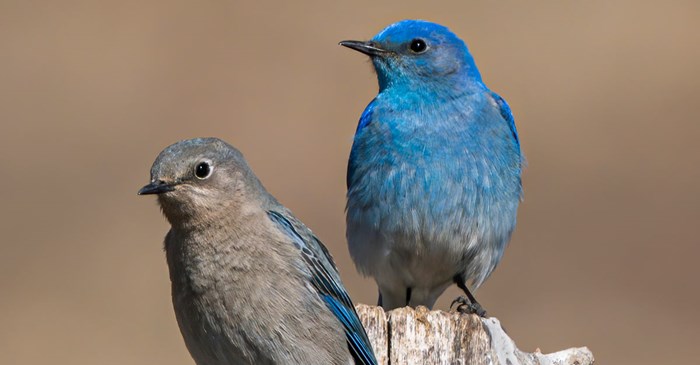
One of the easiest ways to tell the sex of a bird is by looking at its feathers. In many species, especially songbirds, males are much more colorful than females. This difference serves two main purposes: attracting mates and warning rivals.
For example, the Northern Cardinal male is bright red, while the female is pale brown with some red highlights. Male Mallard ducks have glossy green heads and white neck rings; females are mottled brown. These colors help males show off to females during courtship, but also make them more visible to predators. Females, who usually sit on the nest, are often camouflaged to protect themselves and their eggs.
However, not all birds follow this rule. In some species, like parrots, both sexes are equally colorful. In others, like raptors (hawks and eagles), females are often larger but share similar colors with males.
Size Differences
Another clear difference is body size. In many bird species, males are larger and stronger, especially in those that compete for females. Think of the swan, where males (cobs) are usually bigger than females (pens). In birds of prey, such as falcons and owls, the opposite is true—females are often larger. This helps them lay bigger eggs and care for chicks, while males focus on hunting.
Here’s a quick comparison of size differences in a few common birds:
| Species | Which Sex Is Larger? | Notes |
|---|---|---|
| Bald Eagle | Female | Females can be 25% heavier |
| Peafowl | Male | Males have longer tails |
| Peregrine Falcon | Female | Females up to 30% larger |
| House Sparrow | Similar | Minor difference |
Beak And Claw Differences
Some birds show sex differences in their beak size or shape. For example, in the American Avocet, males have slightly longer, straighter beaks than females, which helps them feed in different ways and avoid competition. In some species of hummingbirds, males have more curved bills to match the flowers they visit, while females have shorter, straighter bills.
Claw or talon size is another area. In eagles and hawks, the larger female’s feet and talons let her tackle bigger prey and defend the nest.
Eye Color And Markings
A few bird species show eye color differences between males and females. The Blackbird (Turdus merula) male has a yellow ring around the eye, while the female’s is duller. In some ducks, males have brighter eyes. These subtle clues can help experienced birders identify sex, especially outside the breeding season.
Tail And Crest Features
Some birds use their tails or crests for display. Male peafowls (peacocks) grow huge, colorful tail feathers, while females (peahens) have short, plain tails. In cockatoos, the male’s crest is often larger and brighter. Such features are usually missing or reduced in females, since they are not needed for attracting mates.

Behavioral Differences
Singing And Vocalizations
Birdsong is famous for its beauty, but did you know that in many species, only the male sings? Males use songs to claim territory and attract a mate. For instance, male European Robins sing loudly, while females are mostly quiet. In the superb lyrebird, males can mimic dozens of sounds to impress females.
However, this is not always true. In tropical regions, both sexes may sing, often in duet. In the Northern Cardinal, both male and female sing complex songs, sometimes together.
Display And Courtship Rituals
When it comes to courtship, males are usually the performers. They display their feathers, dance, or offer food. The Greater Sage-Grouse male puffs out his chest and fans his tail in an elaborate dance. Bowerbirds build and decorate structures with colorful objects to attract females.
Females often judge these displays and choose the best mate, a process called female choice. This is why males have evolved to be so flashy and creative.
Nest Building And Care
Who builds the nest? It depends on the species. In many songbirds, the female builds the nest and does most of the incubation. In some, like the Northern Flicker, both share the work. In rare cases, the male builds the nest and waits for a female, as with the weaver bird.
For feeding chicks, both parents often help, but sometimes only one sex does. In Emperor Penguins, males incubate the eggs while females feed at sea. In ostriches, both male and female take turns sitting on the nest.
Aggression And Territory
Male birds are usually more aggressive about territory. They sing, fight, or chase rivals to protect their space. This is especially true during breeding season. For example, male Red-winged Blackbirds fiercely defend their marshy homes, while females focus on nesting.
But females can also be aggressive. In some shorebirds, females fight for the best nesting spots and may even compete for mates.
Internal And Physiological Differences
Reproductive Organs
The most basic difference is the reproductive system. Females have ovaries and a single functional oviduct (except for a few species), where eggs develop. Males have testes, which grow larger during breeding season.
In most birds, sex organs are hidden inside the body. Only a few, like ducks and ostriches, have an external penis. This makes sexing birds by sight difficult unless they are handled by experts.
Hormones
Hormones play a big role in bird behavior and appearance. Testosterone in males triggers bright plumage, aggressive behavior, and singing. Estrogen in females helps with egg laying and nesting. Hormone levels change with the seasons, which is why some birds look different in winter and spring.
Brain Structure
Recent studies show that the brains of male and female birds can differ, especially in regions that control song and behavior. For example, the song control centers are larger in male canaries than in females, which explains why males sing more complex songs.
These differences can affect learning, problem-solving, and even the way birds navigate during migration.
Genetic And Chromosomal Differences
Z And W Chromosomes
Birds use a different system of sex chromosomes than mammals. Males are ZZ and females are ZW. This is the opposite of humans, where males are XY and females are XX. The presence of the W chromosome determines femaleness.
This system means that only the mother determines the sex of the offspring, not the father. In some domesticated birds, breeders use this knowledge to produce more of one sex for farming or research.
Dna Testing For Sexing Birds
In many species, especially parrots and monomorphic birds (where both sexes look alike), visual checks do not work. Breeders and vets often use DNA testing to find the bird’s sex. A feather or blood sample is sent to a lab, which checks for the presence of the W chromosome.
This method is accurate, but not necessary for species with obvious sexual dimorphism.
Differences In Life Cycle And Survival
Lifespan
In some birds, females live longer than males. For example, among some seabirds, females survive longer because males face more risks during courtship and territory defense. In other species, there is no clear difference.
Migration
Males and females may migrate at different times or distances. In the Black-tailed Godwit, females migrate farther than males. In some warblers, males arrive earlier to secure the best territories, while females come later to choose mates.
| Species | Which Sex Migrates First? | Reason |
|---|---|---|
| Barn Swallow | Male | Claim territory |
| Red Knot | Female | Longer migration route |
| Willow Warbler | Male | Arrive before females |
Molt Patterns
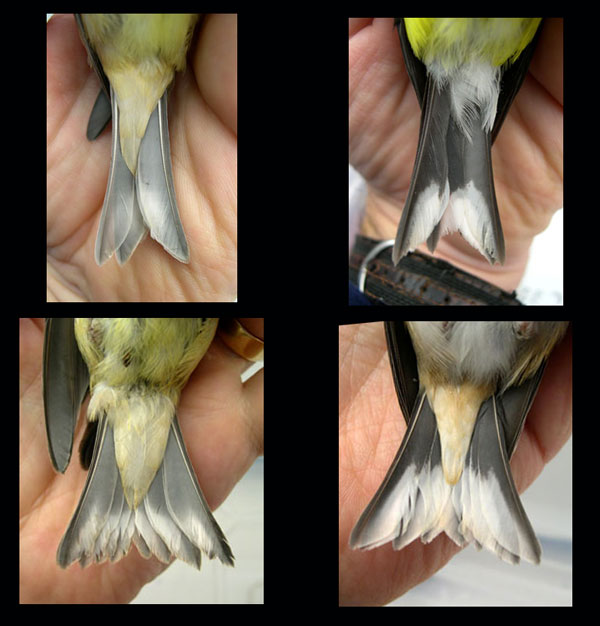
Some birds molt (shed and regrow feathers) differently by sex. In ducks, males lose their bright colors after breeding and look like females, a stage called eclipse plumage. Females keep their camouflage year-round. This helps males avoid predators when they are vulnerable and regrowing feathers.
Differences In Diet And Feeding
In some species, males and females eat different foods, especially during breeding. This reduces competition for resources.
For example:
- Common Tern: Males catch larger fish to impress females.
- Great Spotted Woodpecker: Males have longer beaks, allowing them to reach deeper insects, while females feed on surface bugs.
This division lets both sexes thrive even when food is scarce.
Examples Of Sex Differences In Well-known Bird Species
Peafowl (peacock And Peahen)
The male peafowl is one of the most famous examples of sexual dimorphism. He has a long, iridescent tail with eye-like spots, which he fans out during courtship. The female peahen is smaller and brown, with a short tail and simple markings. The male’s tail can be over 60% of his total body length.
Mallard Duck
Male Mallards have bright green heads, white neck rings, and chestnut breasts. Females are mottled brown and blend into the reeds. During non-breeding season, males molt and look more like females.
Eclectus Parrot
This species is unique because females are bright red and purple, while males are green. For many years, people thought they were two different species!
American Goldfinch
In summer, the male goldfinch is vivid yellow with black wings, while the female is duller olive and brown. In winter, both sexes look similar, showing how plumage can change with the season.
Bald Eagle
In Bald Eagles, females are about 25% larger than males. Both sexes look alike in color. This size difference helps females with nesting and chick rearing, while males are more agile hunters.
Why Do These Differences Exist?
The main reasons for differences between male and female birds are reproductive roles and survival strategies. Bright colors and songs help males compete for females, but can also attract predators. Camouflage and larger size help females protect eggs and raise young.
In some species, the roles are reversed—females compete for males, and males do more of the nesting. This shows that bird life is flexible and can adapt to many environments.
Common Mistakes In Identifying Male And Female Birds
- Assuming all males are brighter: In some species, females are more colorful or aggressive.
- Relying only on color: Young birds and adults in non-breeding plumage can look very different.
- Ignoring size differences: Sometimes, the difference is subtle and needs close observation.
- Not considering behavior: Courtship, singing, and aggression can offer strong clues.
- Overlooking seasonal changes: Birds may look and behave differently at various times of year.
If you’re unsure, use several clues: color, size, behavior, and, if needed, expert help or DNA testing.
How To Sex Birds At Home
For common backyard birds, look for:
- Brighter colors or markings (often male)
- Larger body or head size (species dependent)
- Singing or display behavior
- Nesting activity (often female)
- Care of young (both, but watch closely)
For parrots, finches, and other pet birds, check with a vet or use a DNA service if the species is monomorphic.
Bird Sex Differences And Conservation
Understanding male and female differences is vital for conservation. Some endangered birds, like the California Condor, need careful breeding programs. Knowing which birds are male or female helps create healthy populations. It also aids in reintroduction and protecting wild flocks.
For further reading, see this helpful resource: Sexual Dimorphism in Birds.
Frequently Asked Questions
How Can I Tell If A Parrot Is Male Or Female?
Many parrots are monomorphic, meaning males and females look the same. For these, DNA testing is the most reliable method. Some species, like the Eclectus parrot, show obvious color differences, but for most, a vet or breeder can help.
Why Do Male Birds Sing More Than Females?
In most species, male birds sing to attract mates and claim territory. Their singing is triggered by hormones during breeding season. Some tropical species have both sexes singing, but in temperate zones, males are usually the main singers.
Are There Any Bird Species Where Females Are More Colorful?
Yes, though rare. In a few species, like the Phalarope, females are brighter and compete for mates, while males incubate the eggs. This is called sex role reversal.
Does The Size Difference Between Sexes Affect Their Roles?
Absolutely. In raptors, the larger female can lay larger eggs and defend the nest, while the smaller male is better at hunting. In songbirds, size differences are minor but can still influence behavior.
Can You Always Trust Plumage To Sex A Bird?
No. Some birds change plumage with the season, and young birds often resemble females. Also, illness or poor diet can dull a male’s color. Use multiple clues—color, size, behavior, and sound—and consult experts if unsure.
Birds are endlessly fascinating, and the differences between males and females add another layer of wonder. Whether you’re watching sparrows in your yard or studying eagles in the wild, knowing what to look for will help you enjoy and protect these remarkable animals.

