
If you are exploring video production or just starting to film, you may have noticed that camcorders come in many shapes and sizes. Two of the most common types are handheld camcorders and shoulder camcorders. While both record video, they are designed for different users, situations, and needs. Understanding the difference can help you choose the right tool, improve your filming experience, and avoid wasting money on the wrong device.
Let’s take a closer look at how handheld and shoulder camcorders differ, what makes each unique, and when to use one over the other.
What Are Handheld Camcorders?
Handheld camcorders are small, lightweight video cameras designed to be held comfortably in your hand. These devices are often used by hobbyists, vloggers, and even professionals who need to move quickly or work in tight spaces. They are easy to carry, simple to operate, and usually cost less than larger cameras.
Most handheld camcorders weigh between 0. 5 to 2 kilograms (about 1 to 4 pounds), making them ideal for long periods of shooting without causing fatigue. They often feature flip-out screens, built-in microphones, and automatic settings to help beginners get started.
One practical advantage is mobility. You can use a handheld camcorder while walking, traveling, or in crowded places where larger equipment would be difficult to use. For example, wedding videographers often use handheld models to capture fast-changing moments from many angles.
What Are Shoulder Camcorders?
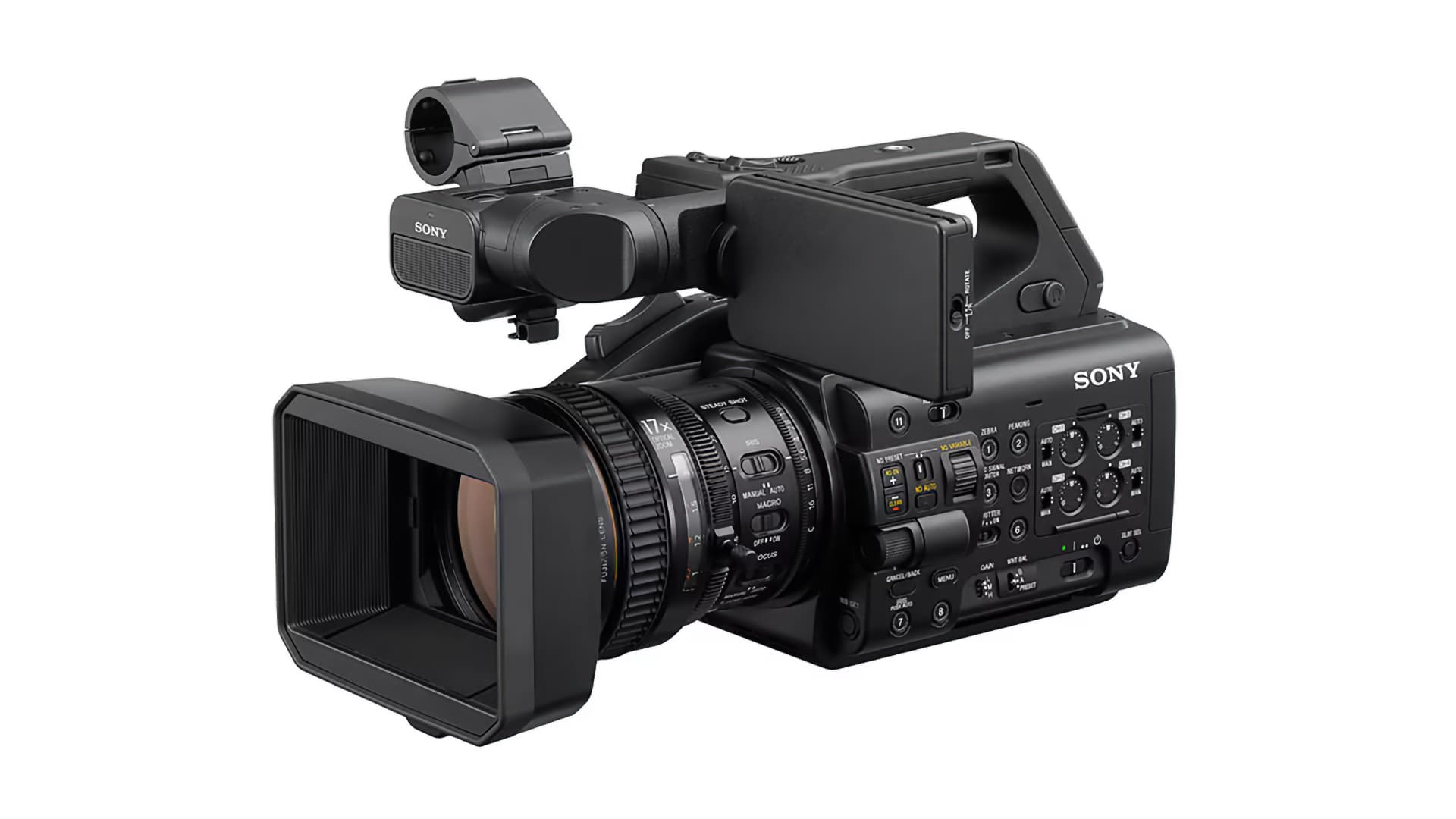
Shoulder camcorders are bigger, heavier, and designed to rest on your shoulder during filming. This style is popular with professional broadcasters, news crews, and documentary filmmakers who need stable, high-quality footage for long periods.
A typical shoulder camcorder weighs between 3 to 8 kilograms (about 6 to 18 pounds). They have larger sensors, advanced lenses, and more manual controls. This allows for better image quality, especially in low light, and more creative flexibility.
The ergonomic design helps balance the camera’s weight, so you can shoot for hours without as much strain. Many shoulder camcorders also include professional audio inputs, high-capacity batteries, and slots for multiple memory cards.
Key Differences At A Glance
To make the distinction clearer, here is a comparison of some essential features:
| Feature | Handheld Camcorders | Shoulder Camcorders |
|---|---|---|
| Typical Weight | 0.5-2 kg (1-4 lbs) | 3-8 kg (6-18 lbs) |
| Operation Style | Handheld, one or two hands | Rests on shoulder |
| Image Quality | Good (for casual/pro use) | Excellent (broadcast quality) |
| Controls | Mostly automatic, some manual | Extensive manual controls |
| Battery Life | Shorter (1-2 hours typical) | Longer, with big batteries |
| Price Range | Lower to mid-range | High-end, professional |
Design And Handling
The design of these two types of camcorders impacts how you use them. Handheld camcorders are compact, often fitting into a small bag or even a large pocket. Their buttons are designed for quick access with your thumb or fingers. Many models have a grip strap for security.
Shoulder camcorders, on the other hand, have a long, rectangular body. The main handle is placed on top, and the camera sits on your shoulder like a bag. This design helps balance the weight, making it easier to shoot smooth, shake-free footage.
The larger size also allows for more ports and accessories, like external microphones and lights.
One thing many beginners miss: balance is key for long shoots. Even though shoulder camcorders are heavier, they are less tiring to use over time because the weight is distributed across your body, not just your arms.
Video Quality And Performance
When it comes to video quality, shoulder camcorders usually have the advantage. They use larger image sensors, which capture more light and detail. This means better results in low light, less visual noise, and a more cinematic look.
Handheld camcorders have improved a lot in recent years. Some can shoot in 4K, and the color quality can be impressive for their size. However, their smaller sensors and lenses may struggle in dim settings or when you want a shallow depth of field.
A non-obvious insight: audio quality is just as important as video. Most shoulder camcorders have XLR inputs for professional microphones, but handheld models often rely on built-in mics or mini jacks, which can pick up unwanted noise.
Controls And Customization
For users who want control over every setting, shoulder camcorders are the clear winner. They offer manual controls for focus, zoom, white balance, exposure, frame rate, and more. This flexibility is essential for creative projects, live events, or broadcast work.
Handheld camcorders prioritize ease of use. Many settings are automatic. Beginners can start shooting with very little setup. Some advanced handheld models do offer manual controls, but they are often hidden in menus and harder to adjust quickly.
Professional users might miss the quick-access dials and switches found on shoulder models. This becomes critical during live filming, where every second counts.
Battery Life And Storage
Another big difference is battery life. Shoulder camcorders have space for larger batteries, so they can record for up to 6-8 hours without changing power. They also support hot-swapping, letting you replace batteries while the camera is still running.
Handheld camcorders use smaller batteries and usually last 1-2 hours on a single charge. For long shoots, you’ll need to carry spares and plan for battery changes.
Storage is also more flexible on shoulder camcorders. Many offer dual card slots, allowing for relay or simultaneous recording. Handheld models often have a single memory slot and less internal storage.
Durability And Build Quality
Shoulder camcorders are built for rough environments. Their bodies are made from metal or reinforced plastic, designed to survive bumps, drops, and bad weather. Some are even dust and splash-proof.
Handheld camcorders are more delicate. They are fine for home use or indoor shooting, but may not survive heavy rain or a fall onto concrete. If you plan to shoot outdoors or in challenging locations, durability should be a major consideration.
Price And Target Users
One of the biggest practical differences is cost. Shoulder camcorders are expensive, often costing several thousand dollars or more. They are designed for professionals who need top performance and reliability.
Handheld camcorders can start at under $200 for basic models, with advanced versions reaching $1,000 or higher. This makes them accessible to casual users, students, and small businesses.
Who Should Choose Which?
- Handheld camcorders: Great for beginners, travelers, vloggers, families, and anyone on a budget.
- Shoulder camcorders: Best for professionals, news crews, event videographers, and documentary filmmakers.
When To Use Handheld Vs. Shoulder Camcorders
Choosing the right camcorder depends on your project needs. Here are some scenarios to consider:
- Event Coverage: For weddings, parties, and sports, handheld camcorders offer quick movement and flexibility. Shoulder models are better for long ceremonies or sports broadcasts.
- News Reporting: Shoulder camcorders are the industry standard for news because of their reliability, audio options, and image quality.
- Travel and Vlogging: Handheld models are easier to carry around cities, airports, and tourist spots.
- Documentaries: Shoulder camcorders excel in interviews and controlled environments, but handhelds can help in remote or hard-to-reach locations.
- Educational Videos: Schools and small teams often prefer handhelds due to their low cost and simple operation.
A subtle but important point: perception matters. People may take you more seriously with a shoulder camcorder, especially in professional settings. This can help with access and interviews.
Additional Features And Accessories
Shoulder camcorders often support a wide range of professional accessories:
- External microphones (XLR, shotgun, wireless)
- On-camera lights
- Matte boxes and follow focus
- Large viewfinders
- Shoulder pads and counterweights
Handheld camcorders have fewer options but may include:
- Tripod mounts
- External microphone jack
- Flip-out screens for selfies
Some handhelds now support Wi-Fi streaming, touch screens, and simple editing features. Shoulder camcorders focus on raw performance, leaving editing for post-production.
Here’s a look at how accessory support compares:
| Accessory | Handheld Camcorder | Shoulder Camcorder |
|---|---|---|
| External Microphone | 3.5mm jack, limited | XLR, multiple options |
| On-Camera Light | Some models | Most models |
| Shoulder Mount | Rare, aftermarket only | Built-in |
| Wireless Streaming | Common (Wi-Fi, app support) | Professional transmitters |
Portability And Travel Considerations
If you travel often, size and weight become crucial. Handheld camcorders fit easily into backpacks or carry-on luggage. Security checks are faster, and you draw less attention in public.
Shoulder camcorders may need a special case, and transporting them can be a challenge, especially on airplanes or in remote locations. You may also need extra permits or permissions to use large cameras in some countries.
One thing many forget: battery and accessory chargers for shoulder models are heavy and take up space. Always account for the full kit, not just the camera body.

Learning Curve And Usability
Handheld camcorders are ready to use almost out of the box. Most people can start filming within minutes. Their menus are simple, and you can rely on auto-focus, auto-exposure, and built-in stabilization.
Shoulder camcorders require training. The controls are complex, and mistakes can ruin important footage. Professional crews often include a camera operator, a sound technician, and even an assistant for best results.
A beginner may find a shoulder camcorder overwhelming at first. If your main goal is to capture memories or simple projects, a handheld option is far less stressful.
Real-world Example: News Gathering
In news production, the choice between handheld and shoulder camcorders is clear. According to the Electronic News Gathering (ENG) standard, most television crews use shoulder camcorders for their stability, reliability, and professional audio support. However, some journalists now use handheld models or even smartphones when speed and mobility are critical—like during protests or natural disasters.
Should You Upgrade?
If you’re already using a handheld camcorder and thinking about upgrading, consider:
- Project requirements: Do you need better image quality or professional audio?
- Budget: Can you afford the camera and new accessories?
- Skills: Are you comfortable with manual controls?
- Portability: Will you travel or shoot alone?
Upgrading only makes sense if your current gear is holding you back. Remember, a great story or message is more important than the camera itself.
Frequently Asked Questions
What Is The Main Advantage Of A Shoulder Camcorder Over A Handheld Camcorder?
The biggest advantage is stability and image quality. Shoulder camcorders offer better balance for long shoots and have larger sensors for professional video results.
Are Handheld Camcorders Good For Professional Use?
Yes, for some situations. Many professional vloggers, YouTubers, and event videographers use high-end handheld camcorders. However, for live TV or major events, shoulder camcorders are preferred.
Can I Use Both Types Of Camcorders Together?
Absolutely. Many crews use shoulder camcorders for main shots and handhelds for action, crowd, or behind-the-scenes footage. Mixing footage can make your final video more dynamic.
How Much Do Shoulder Camcorders Cost Compared To Handheld Camcorders?
Shoulder camcorders usually cost between $3,000 and $15,000 or more. Handheld camcorders start as low as $200, with professional models around $1,000–$3,000.

Do Shoulder Camcorders Need Extra Accessories To Work?
Most shoulder camcorders need professional microphones, batteries, and sometimes lights. These add to the cost and weight, but also improve your video quality and options.
Choosing between a handheld and a shoulder camcorder is about matching your goals, skills, and budget. Think carefully about your needs, and you’ll be ready to capture great video—no matter which camera you pick.

