
Night hunting is a unique challenge. When daylight disappears, most animals become harder to spot. This is where night vision technology helps hunters gain an edge. But with so many choices—like thermal scopes, digital night vision, and image intensifiers—finding the best night vision for hunting can be confusing. Price, image quality, and even legal rules add to the decision. This article will break down everything you need to know, so you can choose the right night vision tool for your hunting adventures.
What Does Night Vision Mean In Hunting?
Night vision allows hunters to see in low-light or total darkness. This technology collects and amplifies available light (like stars or the moon) or uses thermal energy to show heat signatures. For hunters, this means you can spot game that would be invisible to the naked eye. Night vision is especially important for hunting wild hogs, coyotes, or predators active at night.
There are three main types:
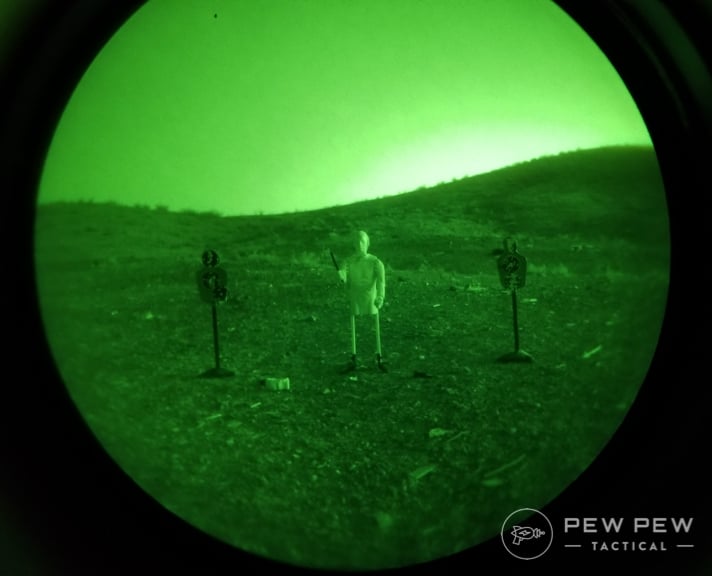
- Image Intensifier (Analog Night Vision): Amplifies existing light to show a green-tinted image.
- Digital Night Vision: Uses digital sensors to display a black-and-white or color image.
- Thermal Imaging: Detects heat differences to reveal animals, even in total darkness or thick brush.
Each type has advantages and disadvantages. Understanding these is key to picking the best night vision for your needs.
Types Of Night Vision Devices For Hunting
Choosing the right device is step one. Here’s a breakdown of the most popular options:
Night Vision Scopes
A night vision scope is a sighting device you mount on your rifle. It helps you aim and shoot in the dark. Scopes can be image intensifiers, digital, or thermal.
- Pros: Precise aiming, long range, easy to use
- Cons: Adds weight, may be expensive
Night Vision Goggles
Night vision goggles are worn on the head. They free up both hands and are great for moving through dark areas or spotting game before aiming.
- Pros: Hands-free, wide view, good for tracking
- Cons: Not for aiming/shooting, usually lower magnification
Night Vision Monoculars
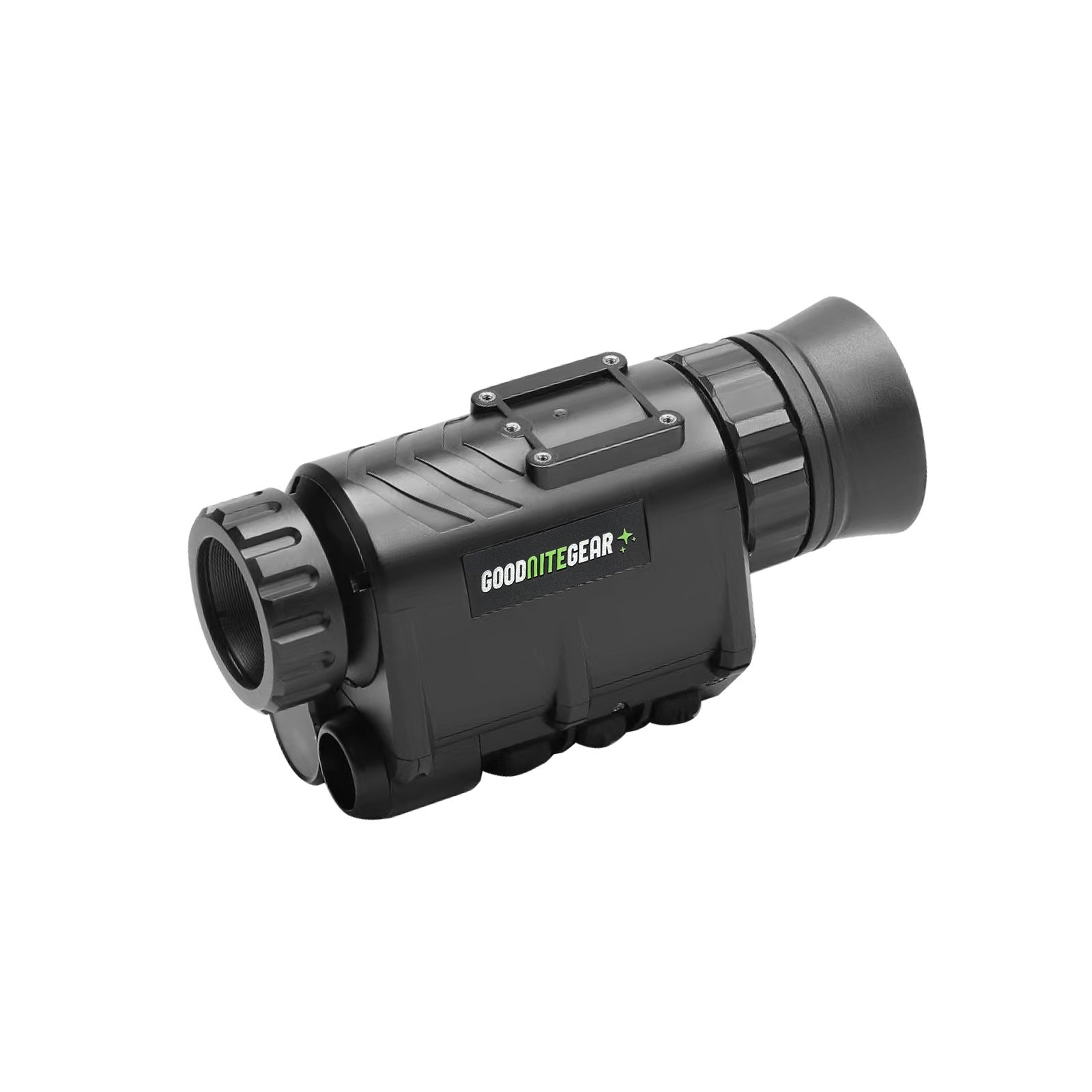
A monocular is a single-eye device. It’s lightweight and can be used for spotting game or reading maps.
- Pros: Portable, affordable, can be handheld or mounted
- Cons: Less immersive, may tire one eye
Night Vision Binoculars
Binoculars use both eyes. They give better depth perception, which helps judge distance.
- Pros: Comfortable, good for scanning fields
- Cons: Bulky, not for aiming
Thermal Imagers
Thermal devices work differently. They show heat, not light. This means you can spot animals behind bushes or in total darkness.
- Pros: Works in zero light, sees through fog/brush, highlights animals easily
- Cons: Expensive, less detail (can’t always identify animal type)
How To Choose The Best Night Vision For Hunting
Not all night vision is created equal. Here’s what matters most when deciding:
1. Clarity And Range
The best night vision lets you see clearly—especially at a distance. Look for:
- High resolution (measured in lines per millimeter or pixels)
- Detection range (how far you can spot an animal)
- Recognition range (how far you can tell what the animal is)
A beginner mistake: Many people buy devices with short range, then struggle in open fields. For coyote or hog hunting, you often need 100–400 yards of clear vision.
2. Durability
Hunting can be rough on gear. Look for:
- Waterproof and shockproof features
- Strong housing (metal or reinforced plastic)
- Operating temperature (some fail in cold weather)
Many cheap devices break in rain or after a small drop. Quality is worth the cost.
3. Battery Life
Night vision uses power fast. Always check:
- Battery type (CR123, AA, rechargeable)
- Operating time (some last 2 hours, others over 10)
- Replaceable vs. built-in batteries
A common problem: Forgetting spare batteries and losing your night vision mid-hunt.
4. Weight And Comfort
Heavy scopes make rifles harder to handle. Goggles and binoculars should feel balanced. Try before you buy if possible. Remember, you may wear or carry them for hours.
5. Price
Night vision ranges from under $300 to over $8,000. Higher price usually means better features, but not always. Decide which features you truly need.
6. Legal Considerations
Some states or countries restrict certain types of night vision, especially thermal. Always check local hunting laws before buying or using any device.
Comparing Night Vision Technologies
To make the choice easier, here’s a simple side-by-side look at the three main types:
| Type | Strengths | Weaknesses | Best For |
|---|---|---|---|
| Image Intensifier | Natural image, long battery, affordable Gen 1 | Needs some light, green tint, less effective in total darkness | Entry-level, budget hunters |
| Digital Night Vision | Works in full darkness (with IR), can record video, color options | Shorter battery life, may lag | Versatile, tech lovers |
| Thermal Imaging | Sees heat, zero light needed, finds hidden animals | High cost, less detail | Serious hunters, pros, search & rescue |
Top Night Vision Features Hunters Should Consider
Certain features make a big difference in the field. Here are some that often get overlooked:
Magnification
Higher magnification helps see farther, but too much can make the image shaky or narrow. Most hunters prefer 3x–6x for general use. For thick woods, lower magnification is better.
Built-in Ir Illuminator
An infrared (IR) illuminator acts like a flashlight the human eye can’t see, but night vision devices can. It’s essential for digital and analog scopes in very dark places.
Video Recording
Some night vision devices record what you see. This is useful for sharing your hunt, training, or legal evidence in case of disputes.
Reticle Options
In scopes, different reticle styles (crosshairs, dot, etc.) can improve aim. Some digital scopes let you change reticle color or style for better contrast.
Wireless Connectivity
Newer devices can stream video to phones or tablets. This helps in group hunts or for guides monitoring clients.
Adjustable Focus And Diopter
Being able to fine-tune focus for your eyes reduces fatigue and gives a sharper image.
Popular Night Vision Brands For Hunting
Some brands stand out for quality and reliability. Examples include:
- ATN: Known for digital and thermal scopes, smart features
- Pulsar: Reliable thermal optics, long battery life
- Sightmark: Affordable, solid digital scopes
- AGM Global Vision: Good for both digital and analog
- Armasight: High-end, military-grade night vision
If you’re just starting, avoid no-name or “bargain” brands. They often fail when you need them most.
Real-world Examples: Night Vision In Action
Imagine hunting wild hogs in Texas. The field is pitch black. A thermal scope picks up bright heat signatures as hogs move through tall grass. A digital night vision scope, on the other hand, gives a clear view only with the help of an IR illuminator—and might miss hogs if they’re behind thick brush.
For coyote hunting in open fields, a scope with 200-yard detection and a wide field of view gives a major advantage. In dense forests, goggles or monoculars with lower magnification help you move safely and spot game up close.
Common Mistakes When Choosing Night Vision
Even experienced hunters sometimes get it wrong. Here are mistakes to avoid:
- Chasing the highest magnification: Too much zoom means a small field of view and shaky images.
- Ignoring battery life: Always check real-world battery performance, not just what’s on the box.
- Buying only by price: Cheap units often disappoint in clarity, durability, or after-sales support.
- Forgetting legal issues: Not all night vision is legal everywhere. Research before you buy.
- Neglecting comfort: A heavy device can ruin your hunt. Always consider how it feels after several hours.
Quick Comparison: Night Vision Scopes Vs. Thermal Scopes
For many, the big question is “Night vision or thermal?” Here’s a fast look:
| Feature | Night Vision Scope | Thermal Scope |
|---|---|---|
| See in total darkness | With IR illuminator | Yes |
| Identify animal type | Good | Moderate |
| See through brush/fog | No | Yes |
| Price | Lower | Higher |
| Battery life | Longer | Shorter |
Non-obvious Insights For Beginners
- Lens Quality Matters: Many buyers focus only on “generation” or resolution, but the lens glass and coatings also affect clarity, especially in humid or wet conditions.
- Use with Red Lights: For quick map reading or gear checks, a small red flashlight won’t blind your night vision. Many hunters overlook this simple trick.
Budget Recommendations For Different Hunters
- Under $500: Entry-level digital monoculars or scopes (short range, basic features)
- $500–$1500: Digital scopes with video, basic thermal monoculars
- $1500–$4000: High-quality digital scopes, mid-level thermal scopes
- Above $4000: Top-tier thermal devices, military-grade analog night vision
For most, the sweet spot is $800–$2000: enough for good performance without breaking the bank.
Care And Maintenance Tips
To keep your night vision working:
- Store in a dry, padded case
- Remove batteries for long storage
- Clean lenses with a microfiber cloth
- Avoid bright light (image intensifiers can be damaged by car headlights or the sun)
Where To Learn More
For deeper technical details or legal rules, visit the Wikipedia entry on night vision devices.
Frequently Asked Questions
What Is The Difference Between Night Vision And Thermal Imaging?
Night vision amplifies available light (like the moon or stars) to show images in the dark. Thermal imaging detects heat differences and can reveal animals even in total darkness, fog, or brush.
How Far Can I See With Night Vision?
It depends on the device and conditions. Entry-level night vision may give 100–150 yards. High-end thermal scopes can spot large animals over 1000 yards away, but clear identification is usually within 300–400 yards.
Is Night Vision Legal For Hunting?
Rules differ by location. Some states allow night vision for predator or hog hunting, but others ban certain devices (like thermal or IR illuminators). Always check your local laws before using night vision.
Can I Use Night Vision During The Day?
Digital night vision devices usually have a “day mode” and are safe to use in sunlight. Analog image intensifiers can be damaged by bright light and should only be used in low light.
What Is The Best Night Vision For Beginners?
A digital night vision scope or monocular offers a good balance of price, features, and ease of use. Look for a device with built-in IR, decent battery life, and a reputable brand for the best start.
Finding the best night vision for hunting can transform your nighttime experience. Whether you choose thermal, digital, or analog, the right device will help you hunt safely and successfully—even when the sun goes down.


