
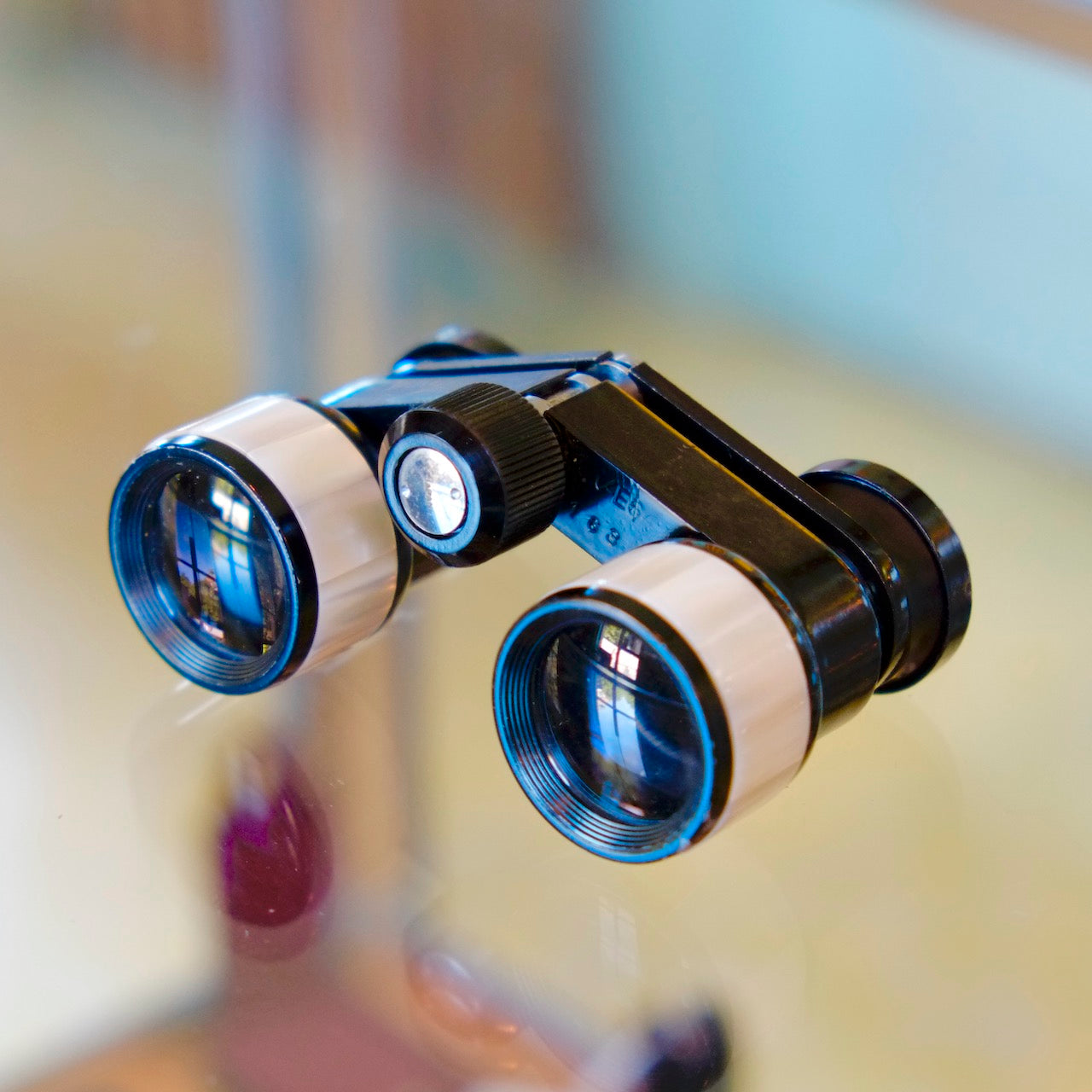
Opera glasses have been a favorite tool for live theater lovers for centuries. These small binoculars help you see the stage clearly, even from the farthest seats. While many people choose opera glasses for their elegant design, the lens quality is what truly determines your viewing experience. Picking the right lens can mean the difference between a blurry, frustrating night and a magical, detailed performance. But what is the best lens quality for opera glasses? Let’s explore the key features, science, and practical tips you need to know before making your choice.
Why Lens Quality Matters In Opera Glasses
Opera glasses may look like simple gadgets, but their lenses play a big role in how well you can see. The lens quality affects:
- Sharpness: How clear and detailed the image appears
- Brightness: How much light enters, making the view brighter or dimmer
- Color accuracy: How true the stage colors look
- Comfort: How easy it is to watch for long periods without eye strain
Poor-quality lenses can cause images to look foggy or distorted. They can also make you feel tired or give you a headache after just a short use. That’s why understanding lens quality is so important before buying opera glasses.
Key Features That Define Lens Quality
Let’s break down the main factors that determine lens quality for opera glasses. Each one makes a difference in what you see and how you feel during a performance.
1. Lens Material
Most opera glasses use either glass or plastic (acrylic or polycarbonate) for their lenses. Here’s how they compare:
| Lens Material | Pros | Cons |
|---|---|---|
| Glass | Clear image, less distortion, scratch-resistant | Heavier, more expensive |
| Plastic | Lightweight, cheaper, impact-resistant | More prone to scratches, can distort image |
Glass lenses usually give you a sharper, brighter image with fewer visual problems. Plastic lenses are lighter, but they can get scratched easily and sometimes make images less clear. If you want the best possible view, look for opera glasses with high-quality glass lenses.
2. Lens Coatings
A hidden detail that makes a big difference is the coating on the lenses. Lens coatings help reduce glare and improve the way light passes through the lens. There are a few main types:
- Single-coated: One thin layer, usually magnesium fluoride, helps reduce some glare.
- Fully coated: All air-to-glass surfaces have at least one layer of coating.
- Multi-coated: More than one layer, often on one or more surfaces.
- Fully multi-coated: Many layers on every air-to-glass surface for the best clarity and brightness.
Multi-coated lenses are the gold standard for sharp, bright images in opera glasses. They let more light through and reduce reflections, which helps you see subtle details on stage.
3. Lens Diameter (objective Lens Size)
The objective lens is the larger lens at the end of the opera glasses, farthest from your eye. Its size is measured in millimeters (mm). A larger lens lets in more light, which makes the image brighter, especially in dimly lit theaters.
Most opera glasses have an objective lens diameter between 18mm and 25mm. While bigger lenses can improve brightness, they also make the glasses heavier and bulkier. For most theater settings, a lens size of 20–25mm gives a great balance between brightness and comfort.
4. Lens Quality Grades
Not all glass or plastic lenses are created equal. Optical glass comes in different grades. The best opera glasses often use BaK-4 prism glass, which has higher density and gives a clearer image than the cheaper BK-7 glass.
Plastic lenses also have grades. Look for optical-grade acrylic if you prefer lightweight glasses but still want good clarity.
5. Prism Type And Quality
Opera glasses use small prisms to flip the image right side up. The type and quality of these prisms affect the overall image clarity.
- Porro prisms: Most common in opera glasses. They give good depth and a wide field of view.
- Roof prisms: Rare in opera glasses, more common in compact binoculars.
High-quality BaK-4 prisms give you a brighter, sharper view than BK-7 prisms.
6. Magnification Power
While not a lens quality factor alone, magnification affects how the lenses perform. Most opera glasses use 3x magnification, which means objects look three times closer. Higher magnification can make the image dimmer and harder to keep steady.
For the best experience, stick to 3x or 4x magnification. This allows the lens to give a bright, clear picture without shaking or darkening the image.
Comparing Lens Features In Opera Glasses
To help you choose, here’s a direct comparison of the most important lens features you’ll find in opera glasses:
| Feature | Best Option | Why It Matters |
|---|---|---|
| Lens Material | Optical glass | Sharpest, clearest images |
| Lens Coating | Fully multi-coated | Brighter view, less glare |
| Objective Lens Size | 20–25mm | Good balance of brightness and size |
| Prism Type | BaK-4 Porro prism | Better clarity and depth |
| Magnification | 3x–4x | Steady and bright image |
Common Mistakes When Choosing Opera Glasses
Many beginners make similar errors when buying their first opera glasses. Knowing these can save you money and disappointment.
- Ignoring lens coatings: Some buyers focus only on magnification and ignore the coatings. This can lead to glare and poor image quality.
- Choosing the highest magnification: More isn’t always better. High magnification (above 5x) can make the image shaky and dark.
- Buying for looks only: Fancy designs are nice, but lens quality is what matters for viewing.
- Overlooking lens diameter: Tiny lenses can make the stage look dim, especially in older theaters with poor lighting.
- Assuming all glass is equal: Not all optical glass is high quality. Check for details like BaK-4 prisms.
Non-obvious Insights For Better Viewing
Let’s look at a few tips even experienced theatergoers sometimes miss:
- The exit pupil matters: This is the small circle of light you see when you hold the glasses away from your eyes. For comfortable viewing in dim light, the exit pupil (objective lens diameter ÷ magnification) should be at least 5–7mm. Example: 21mm lens ÷ 3x magnification = 7mm exit pupil—excellent for low-light theaters.
- Central focusing vs. individual focusing: Opera glasses with a central focus knob are faster and easier to adjust during a performance. Individual eyepiece focus is slower but can be set for each eye.
- Weight and balance: Even with the best lenses, heavy glasses can make your arms tired during long shows. Try holding a few models before you buy.
How To Test Lens Quality Before You Buy
If possible, always test opera glasses in person. Here’s what to do:
- Hold the glasses up to a bright light and look through them. The image should look clear and bright, with no colored rings around the edges.
- Check for edge-to-edge sharpness. Some cheap lenses are clear in the center but blurry at the edges.
- Look for reflections. High-quality coatings reduce strong reflections when you tilt the glasses under a light.
- Test for comfort. Hold the glasses up for a few minutes. See if they feel too heavy or awkward.
If you are buying online, read reviews carefully and look for detailed photos of the lenses and prisms.

Best Lens Quality Features: What To Look For
To sum up, the best lens quality for opera glasses combines several factors:
- Optical glass lenses (not plastic)
- Fully multi-coated surfaces
- Objective lens diameter of 20–25mm
- BaK-4 Porro prisms
- 3x magnification
- Central focusing knob
- Lightweight, balanced frame
These features ensure you get a bright, clear, and comfortable view of the stage, no matter where you sit.
Price Vs. Quality: Is Expensive Always Better?
Price is not always a perfect sign of quality. Some expensive opera glasses focus more on design or materials (like gold or mother-of-pearl) rather than lens performance. Meanwhile, some mid-priced brands offer excellent optics without flashy looks.
A good rule: If your main goal is the best viewing experience, focus on lens and prism quality first. If you want something that looks special as a gift or collector’s item, be sure to check the lens specs before you buy.
Real-world Examples Of High-quality Opera Glasses
Here are some well-known brands and models that deliver great lens quality:
- Levenhuk Broadway 325F: Glass lenses, fully multi-coated, 3x magnification, 25mm objective lens.
- Eschenbach Glamour: BaK-4 prisms, fully coated optics, stylish design.
- Vixen Opera Glasses: Japanese optical glass, multi-coated lenses, lightweight.
Each of these models uses high-quality glass, proper coatings, and correct lens sizes for a superior theater experience.
Caring For Your Opera Glasses Lenses
Even the best lenses need proper care:
- Clean with a microfiber cloth only—never use paper towels or your shirt.
- Use lens cleaning solution for fingerprints or smudges, not household cleaners.
- Store in a soft pouch or case to prevent scratches.
Scratched or dirty lenses can ruin the clear view you paid for, so take a minute to protect them before and after each show.
When To Upgrade Your Opera Glasses
If you already own opera glasses but are not happy with the view, here are signs it might be time to upgrade:
- Images look dim or blurry even after cleaning
- Strong glare or rainbow colors around lights
- Focus is hard to adjust or never seems sharp
- Glasses feel too heavy or uncomfortable for long use
Newer models with improved coatings and better glass can make a big difference.
One Step Further: For The Ultimate Experience
If you are a serious theater lover, consider opera glasses with advanced features:
- Aspherical lenses: Reduce distortion at the edges of the image.
- Anti-reflective coatings: Maximize brightness, especially in low-light settings.
- Adjustable eye relief: Good if you wear glasses during shows.
These features are rare but can be found in some high-end models. For most people, sticking to the basics—quality glass, proper coatings, and correct size—will give great results.
For more technical details on optical coatings, you can check this Wikipedia page on optical coatings.

Frequently Asked Questions
What Does “fully Multi-coated” Mean For Opera Glasses Lenses?
Fully multi-coated means that all air-to-glass surfaces on the lenses have several thin layers of special chemicals. These layers reduce glare and reflections and help more light pass through the lens. This gives you a brighter, clearer view compared to single-coated or uncoated lenses.
Are Plastic Lenses Ever As Good As Glass Lenses?
In most cases, optical glass lenses give a sharper and more accurate image than plastic. High-grade acrylic lenses can be decent, but they usually scratch more easily and may not show colors as accurately. For the best view, glass is still preferred.
How Much Does Lens Diameter Affect Brightness?
Lens diameter is crucial for brightness. A larger objective lens (20–25mm) lets in more light, making the image brighter—especially useful in dim theaters. However, very large lenses can make the glasses heavy and harder to use for long periods.
What Is The Ideal Magnification For Opera Glasses?
The best magnification for opera glasses is usually 3x. This is enough to see the stage clearly without making the image shaky or dim. Higher magnifications are rarely helpful in a theater setting.
Can I Use Regular Binoculars Instead Of Opera Glasses?
While you can use regular binoculars, they are often too heavy, have too much magnification, and may be uncomfortable for indoor theater use. Opera glasses are specially designed for the right balance of magnification, brightness, and comfort in a theater environment.
Choosing the right lens quality for opera glasses may seem tricky at first, but a little knowledge goes a long way. By focusing on clear, multi-coated glass lenses and the right size, you’ll enjoy every detail of the performance—no matter where you sit.

