
Every year, many birds change the way they look. You might see a bright blue jay turn scruffy, or notice feathers on your backyard chicken falling out. This is not a sign of sickness or poor care—this is called molting. For both wild and pet birds, molting is a normal, natural process. It’s essential for their health, survival, and even their ability to fly. But what exactly is molting in birds? Why does it happen, and how does it affect them? If you’ve ever wondered why birds shed their feathers or how you should care for a molting pet, you are about to discover all the answers.
What Is Molting In Birds?
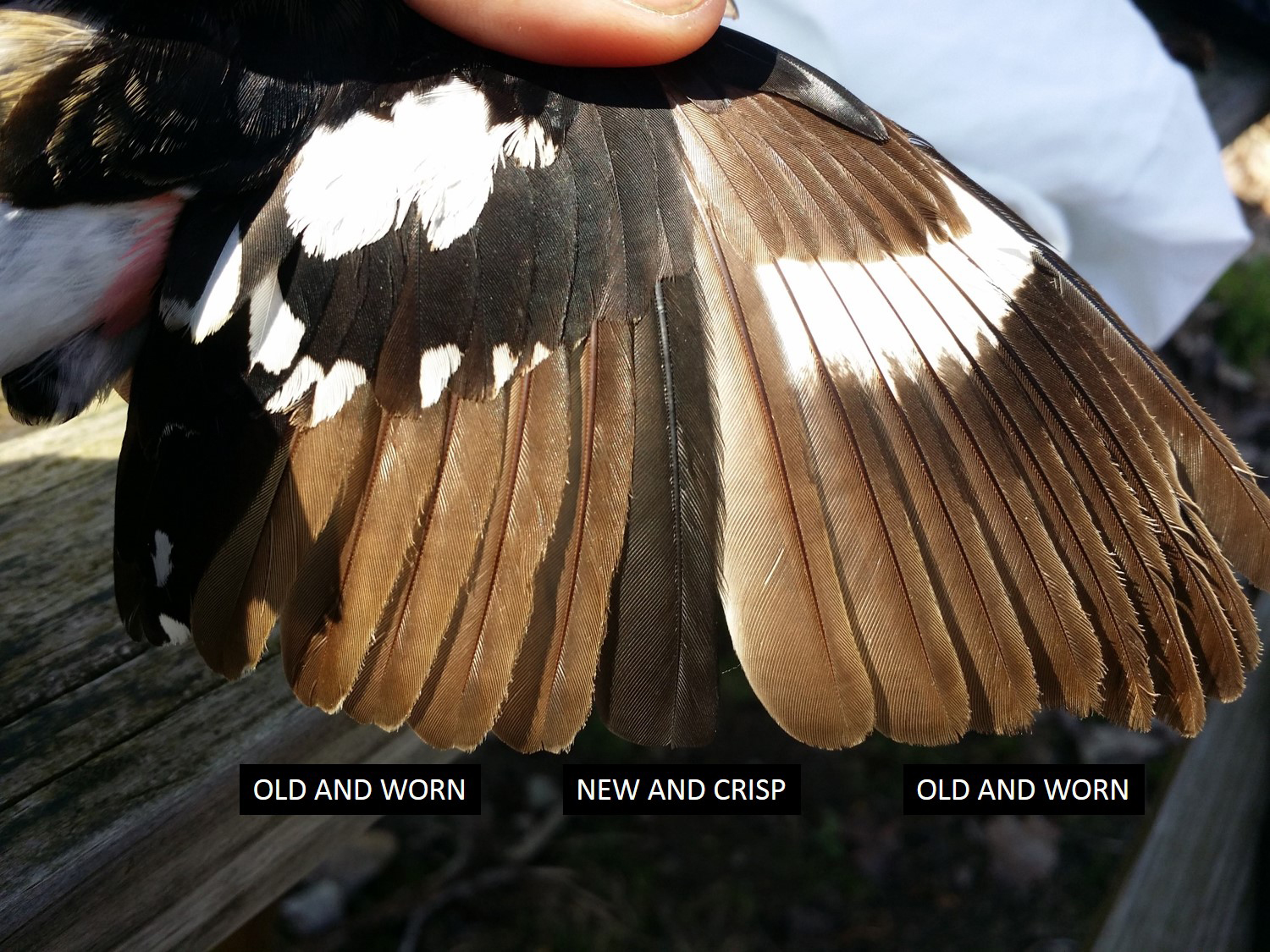
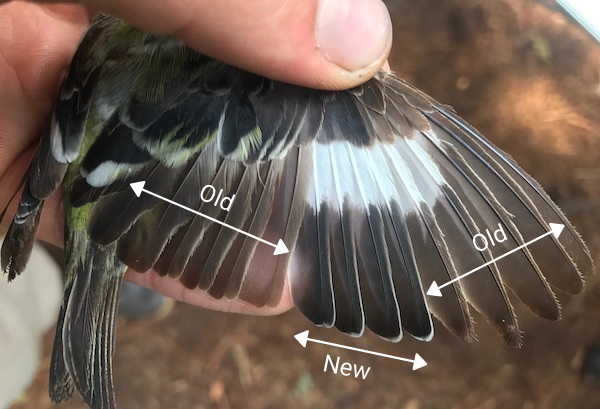
Molting is the process where birds shed old or damaged feathers and grow new ones. Unlike human hair, feathers do not grow continuously. When feathers wear out from sun, wind, or daily activity, birds must replace them. Molting is how they do this.
This process happens in almost every bird species, from tiny hummingbirds to large eagles. Each bird species has its own molting pattern, but the purpose is always the same: to keep feathers in top condition for flying, keeping warm, and looking attractive.
Molting is not just about beauty. Feathers are crucial for a bird’s life—they control body temperature, help with flight, and even play a role in courtship. Without healthy feathers, a bird cannot survive in the wild.
Why Do Birds Molt?
The main reason for molting is feather maintenance. Feathers get damaged over time. They can break, fade, or become less waterproof. By molting, birds keep their feathers in good shape. There are other reasons, too:
- Seasonal changes: Many birds molt to prepare for winter or summer. New feathers provide better insulation against the cold or help them stay cooler in heat.
- Breeding: Some birds grow brighter feathers before mating season to attract partners.
- Growth: Young birds molt their soft, fluffy baby feathers (down) and develop adult feathers.
Molting is also timed to avoid periods when birds need maximum energy, like migration or breeding. This is because growing feathers takes a lot of nutrients and energy.
The Science Behind Molting
Feathers are made from keratin, the same protein in human hair and nails. But unlike hair, feathers do not grow back if damaged. When a feather is lost, a new one grows from the same follicle.
Molting is controlled by hormones. Changes in daylight hours, temperature, and food availability signal a bird’s body to start the process. For example, as days get shorter, some birds begin to molt in preparation for winter.
There are two main types of molts:
- Partial molt: Only some feathers are replaced.
- Complete molt: All feathers are replaced.
The timing and pattern of molt are highly organized. Birds rarely lose all their feathers at once. They shed them in a specific order, so they can still fly and stay protected.
Molting Cycles And Patterns
Birds may molt once a year, twice, or even more, depending on the species. Here’s how it usually works:
- Annual molt: Most songbirds molt once a year after breeding.
- Biannual molt: Some birds, like ducks, have two molts—a full molt and a partial one.
- Irregular molt: Some tropical birds molt at random times, especially if food is always available.
The order of feather loss is also important. Most birds molt their flight feathers (the big wing and tail feathers) in a sequence, so they can still fly. For example, a bird may lose one or two primary feathers from each wing at a time, then grow them back before losing the next set.
Table: Molting Patterns In Common Birds
| Bird Species | Molting Frequency | Molting Season | Type of Molt |
|---|---|---|---|
| American Robin | Once a year | Late summer | Complete |
| Mallard Duck | Twice a year | Late summer, early spring | Complete & Partial |
| Budgerigar (pet) | Irregular, often twice | Varies | Partial |
| Peregrine Falcon | Once a year | Spring-summer | Complete |
How Does Molting Happen?
Molting is not instant. It can take weeks or even months. The process usually happens in these steps:
- Old feathers loosen: The old feathers are pushed out by the growth of new ones.
- Pin feathers appear: New feathers start as “pins”—short, thin tubes covered in a waxy sheath.
- Pin feathers open: The sheath breaks, and the new feather unfolds.
- Feather growth completes: The new feather reaches its full size, and the cycle moves to the next feather.
During this time, birds may look messy or patchy. Some may even have bald spots. This is normal and not a cause for worry unless the bird seems sick or stressed.
Table: Time Needed For Molting In Different Birds
| Bird Type | Molting Duration | Visible Signs |
|---|---|---|
| Songbirds | 4-8 weeks | Scruffy appearance, less singing |
| Parrots | 2-4 months | Loose feathers, increased preening |
| Ducks | 3-5 weeks | Flightless period, dull color |
| Chickens | 8-12 weeks | Feather loss, reduced egg-laying |
What Are The Signs Of Molting?
If you watch birds closely, you can spot molting by these signs:
- Loose feathers: Feathers on the ground or in the cage.
- Patchy or uneven look: Some areas may look bare, especially on the neck, chest, or wings.
- Pin feathers: Short, spiky feathers that look like quills.
- Change in behavior: Birds may be quieter, less active, or irritable.
- Less singing: Many songbirds stop singing during molt.
- Dull or faded color: Old feathers lose their shine; new ones look brighter.
One thing beginners often miss: Pin feathers are sensitive. Touching them may hurt the bird, so be gentle when handling a molting pet.
Types Of Feathers Lost During Molting
Birds have different kinds of feathers, and not all are lost at the same time. Here are the main types:
- Contour feathers: Cover the body and give the bird its shape and color.
- Flight feathers: Long, strong feathers on the wings and tail for flying.
- Down feathers: Soft, fluffy feathers under the contour feathers for warmth.
- Semiplume feathers: Mix of down and contour; help with insulation and shape.
- Filoplume feathers: Hair-like feathers that sense feather position.
During a complete molt, birds may replace all these types, but usually in a careful order.
How Does Molting Affect Birds?
Molting is a stressful time for birds. Here’s how it can affect them:
- Energy use: Growing feathers takes a lot of protein and energy. Birds may eat more or rest more.
- Vulnerability: With fewer feathers, birds lose some protection from cold, heat, and rain.
- Reduced activity: Many wild birds avoid flying long distances during molt to save energy.
- Social changes: Some birds hide or become less social during molt.
For pet birds, you may notice more feathers in the cage, changes in mood, or more time spent preening. Wild birds may be quieter or less visible.
Important Insight: Flightless Molt
Some birds, like ducks and geese, lose all their main flight feathers at once and become flightless for a few weeks. This is risky, but these birds stay in safe places with lots of food and cover. Most songbirds molt flight feathers gradually to avoid being unable to fly.
Molting In Wild Birds Vs. Pet Birds
Wild birds usually molt after breeding season when food is still available and before harsh weather arrives. Their bodies are tuned to natural cycles of light and temperature.
Pet birds, on the other hand, may molt at odd times. Indoor lighting, temperature control, or changes in diet can confuse their bodies. Sometimes, pet birds have irregular or “stuck” molts, which need special care.
Table: Differences Between Wild And Pet Bird Molting
| Aspect | Wild Birds | Pet Birds |
|---|---|---|
| Molting Season | Predictable, seasonal | Can be irregular |
| Triggers | Natural light and temperature | Indoor light, diet, stress |
| Risks | Predation, weather | Poor nutrition, chronic molt |

How To Support Birds During Molt
Molting is natural, but you can help birds (especially pets) stay healthy during this time.
Nutrition
Feather growth needs protein, vitamins (especially A, D, and E), and minerals like zinc. Offer foods rich in these nutrients:
- For pet birds: High-quality pellets, egg food, leafy greens, and some seeds.
- For chickens: Layer feed with extra protein, mealworms, and cooked eggs.
- For wild birds: Supplemental feeders with sunflower seeds, suet, and mealworms.
Avoid sudden diet changes, as this can cause stress.
Reduce Stress
Molting birds are sensitive. Loud noises, new pets, or moving cages can make things worse. Try to keep their environment calm. Avoid handling birds too much, as pin feathers can be painful.
Bathing And Grooming
Birds need to keep their feathers clean. Offer baths or mist spray to help loosen sheaths on new feathers. For pet birds, let them bathe themselves, but don’t force them.
Watch For Problems
Molting should not cause bleeding, swelling, or bald patches that do not regrow. If you see these, consult an avian vet. Chronic or “stuck” molt can be a sign of illness or poor nutrition.
Practical Insight: Lighting Control
For indoor birds, try to mimic natural daylight cycles. Use timers for lights and allow for a “night” period of at least 10-12 hours. This helps regulate their molting cycle.
Common Problems And Abnormal Molting
Molting is usually smooth, but sometimes problems occur:
- French molt: Seen in budgies, where young birds lose feathers abnormally.
- Chronic molt: Birds molt continuously or much too often.
- Fault bars: Weak lines across feathers from stress or poor nutrition.
- Feather picking: Birds pull out their own feathers, often from boredom or health issues.
These problems often come from stress, poor diet, or illness. If you notice unusual molting, seek advice from an avian vet.
Importance Of Molting For Bird Survival
Molting is more than just “losing feathers.” It is a vital part of a bird’s life cycle. Without new feathers:
- Birds could not fly well, making them easy targets for predators.
- They would lose body heat in winter or overheat in summer.
- Bright, fresh feathers help in finding mates and defending territory.
Some species, like the ptarmigan, even change their feather color to match the season—white in winter, brown in summer—so they can hide from predators.
How Molting Affects Birdwatching
If you enjoy watching birds, you’ll notice some changes during molt:
- Birds may be less active or harder to spot.
- Identification can be tricky, as birds look different without their full plumage.
- Young birds may look more like adults after their first molt.
Birdwatchers often use molt patterns to tell the age of a bird. For example, a young robin with patchy feathers is likely in its first molt.
Molting And Climate Change
Recent research shows that climate change is affecting molting patterns. Warmer temperatures and changing food supplies can shift the timing of molt, leading to mismatches with migration or breeding. This can affect survival rates in some species. Scientists continue to study how birds adapt to these changes. For more on this, visit the National Audubon Society.
Two Things Most People Miss About Molting
- Pin feathers are sensitive and can bleed if broken: Beginners often think these are normal feathers, but they contain blood and nerves until they mature. Handle birds with care during this stage.
- Molting can affect mood and behavior: Birds may seem less friendly, more tired, or irritable. This is not a sign of bad temperament, but a natural response to the stress of growing new feathers.
Understanding these points helps you give better care and avoid mistakes many new bird owners make.
Frequently Asked Questions
What Is The Main Purpose Of Molting In Birds?
The main purpose is to replace old or damaged feathers with new, healthy ones. Fresh feathers are crucial for flying, staying warm, attracting mates, and protecting against weather.
How Long Does Molting Usually Last?
Molting can last from a few weeks to several months. Most songbirds take 4-8 weeks, while larger birds or parrots may take 2-4 months. The duration depends on species, age, and health.
How Can You Tell If A Bird Is Molting Or Sick?
Molting birds show loose feathers, pin feathers, and patchy appearance but act mostly normal, just quieter or less active. Sick birds often show other signs: not eating, fluffed up all the time, or abnormal droppings. If unsure, consult an avian vet.
Can You Speed Up The Molting Process In Pet Birds?
You cannot and should not try to speed up molting. The process is controlled by hormones and is safest when it happens naturally. Instead, support your bird with good nutrition, rest, and a calm environment.
Is It Okay To Handle Birds During Molt?
Handle molting birds gently and only when needed. Avoid touching pin feathers, as they are sensitive. Too much handling can cause stress or injury. Give your bird space and comfort until molt is finished.
Molting may look messy, but it is a sign of a healthy, growing bird. By understanding how and why birds molt, you can appreciate the amazing way nature helps birds stay strong and beautiful every year.

