
The sight of a large elk herd moving across a valley is one of the most impressive wildlife experiences in North America. For many, the elk population in the USA is a symbol of wildness, tradition, and successful conservation. But how many elk are there in the United States today? Where do they live, and what challenges do they face? This article explores the numbers, trends, and stories behind elk in the USA—offering a complete look at how these animals shape landscapes and communities.
The History Of Elk In The Usa
When European settlers first arrived in North America, elk (Cervus canadensis) were widespread. Early explorers described vast herds from the eastern forests to the Pacific coast. However, by the late 1800s, unregulated hunting and habitat loss pushed elk to the brink. Populations collapsed, and elk disappeared from much of their original range, especially in the East and Midwest.
Conservation efforts in the 20th century, including reintroduction programs and hunting regulations, changed this story. Today, elk are once again found across the western states and have even returned to parts of their former eastern range. Understanding this dramatic turnaround helps explain the numbers and distribution of elk today.
How Elk Populations Are Counted
Estimating the total elk population is challenging. Wildlife managers use several methods:
- Aerial surveys: Counting elk from planes or helicopters, especially in open landscapes.
- Ground surveys: Observing elk from fixed points or along set routes.
- Camera traps: Using motion-triggered cameras to record elk in forests.
- Hunter harvest data: Using information from hunting seasons to estimate trends.
Each method has limits. For example, dense forests can hide elk from aerial surveys, and weather may affect visibility. As a result, official numbers are always estimates, but they are the best available picture.

Current Elk Population In The Usa
As of recent estimates, the elk population in the USA is around 1.1 million animals. This number can change yearly due to factors like hunting, disease, weather, and conservation programs. The majority of elk live in the western half of the country, but reintroduction projects have brought them back to the East.
State-by-state Elk Populations
Here is a summary of elk numbers in different states, highlighting where the largest herds live:
| State | Estimated Elk Population | Notable Facts |
|---|---|---|
| Colorado | ~280,000 | Largest elk population in the world |
| Montana | ~150,000 | Strong elk hunting tradition |
| Wyoming | ~110,000 | Home to Yellowstone elk herds |
| Idaho | ~120,000 | Dense forests, challenging surveys |
| Oregon | ~125,000 | Both Roosevelt and Rocky Mountain elk |
| Utah | ~80,000 | Major reintroduction success |
| Washington | ~60,000 | Rainforest and mountain habitats |
| New Mexico | ~70,000 | Thriving in high deserts |
| Arizona | ~35,000 | Known for trophy bulls |
| Kentucky | ~13,000 | Largest elk herd in the East |
| Pennsylvania | ~1,400 | Popular wildlife viewing |
| Other States | ~30,000 | Includes Wisconsin, Tennessee, etc. |
A non-obvious insight: Colorado alone has more elk than all other states combined. Another: states like Kentucky and Pennsylvania, where elk were extinct for over a century, now have growing herds thanks to focused reintroduction.
Elk Subspecies In The Usa
Not all elk are the same. The USA is home to several elk subspecies:
- Rocky Mountain elk – The most common, found throughout the Rockies and most western states.
- Roosevelt elk – Larger-bodied, living mostly in the Pacific Northwest, especially western Oregon and Washington.
- Tule elk – Smallest subspecies, found only in California’s Central Valley.
- Manitoban elk – Found in parts of the northern Great Plains, like North Dakota and Manitoba, Canada.
Most eastern elk were a separate subspecies, but they are now extinct. Today’s eastern herds mostly come from Rocky Mountain elk stock.
Comparison Of Elk Subspecies
To better understand their differences, see this comparison:
| Subspecies | Average Male Weight | Main Range | Status |
|---|---|---|---|
| Rocky Mountain elk | 700 lbs (320 kg) | Rockies, West | Common |
| Roosevelt elk | 900 lbs (410 kg) | Pacific Northwest | Stable |
| Tule elk | 450 lbs (205 kg) | California | Rare, protected |
| Manitoban elk | 700 lbs (320 kg) | Northern Plains | Uncommon |
A practical tip: If you want to see Roosevelt elk, visit the temperate rainforests of Olympic National Park in Washington or the redwood forests of northern California.

Factors Affecting Elk Populations
Several factors decide how many elk live in the USA and where:
Habitat Availability
Elk need large areas of grassland, forest, and water. Urban growth, highways, and agriculture reduce their habitat. In the West, vast public lands help keep elk numbers high.
Hunting Regulations
Carefully managed hunting is a main tool for controlling elk numbers. Overpopulation can lead to starvation and crop damage, while overhunting can shrink herds. States adjust hunting quotas each year to keep herds healthy.
Predators And Disease
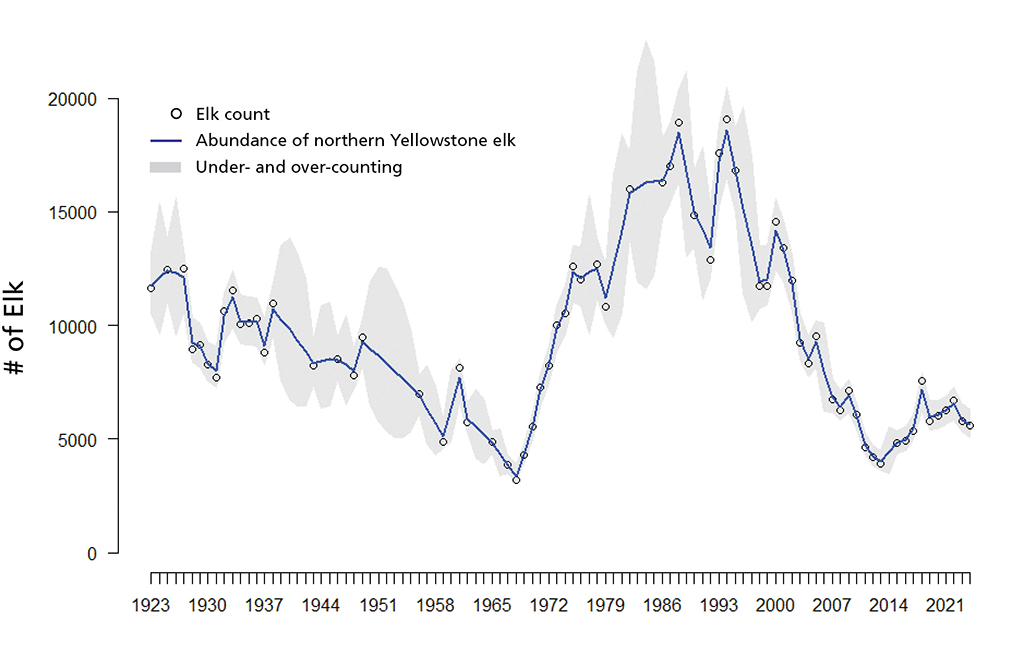
Elk face threats from predators like wolves, bears, and mountain lions, especially in places like Yellowstone. Disease, such as chronic wasting disease (CWD), is a growing problem in some regions. CWD can spread silently and is hard to manage.
Weather And Climate Change
Severe winters can cause high elk deaths, especially among calves. Dry summers and wildfires can reduce food, but mild winters sometimes boost survival. Climate change may shift elk range over time, pushing them to higher elevations or new regions.
Elk Reintroduction And Conservation Success
One of the most inspiring stories is the reintroduction of elk to states where they once disappeared. In the 1990s, Kentucky started a program using elk from the western USA. Now, Kentucky has the largest elk herd east of the Mississippi River. Similar programs in Pennsylvania, Tennessee, Wisconsin, and even North Carolina have created new opportunities for wildlife viewing and hunting.
Conservation groups, state agencies, and hunters have worked together. Funding from hunting licenses has been key. Elk are now a symbol of what’s possible when people act together for wildlife.
Economic And Cultural Importance
Elk are not only important for nature—they are also valuable for people. Every year, tens of thousands of hunters buy licenses, supporting state wildlife budgets. In places like Estes Park, Colorado, elk viewing brings tourists from around the world.
Elk also play a role in Native American culture and history. Their meat, hides, and antlers have been used for centuries. Today, elk remain a powerful symbol in art, stories, and ceremonies.
Challenges For The Future
Despite success, elk face new challenges:
- Habitat loss continues as cities and roads expand.
- Human-wildlife conflict increases as elk move into farmland and suburban areas, causing crop damage or car accidents.
- Climate change may affect food sources and migration patterns.
- Disease like CWD threatens some herds.
Wildlife managers are using new tools, such as GPS collars and genetic studies, to track elk health and movement. Public education and cooperation with private landowners are also more important than ever.
Elk Migration: An Amazing Journey
Elk are famous for their long migrations. Some herds in the Greater Yellowstone Ecosystem travel over 60 miles each spring and fall between summer and winter ranges. These migrations are among the longest for land mammals in North America.
But migration routes are threatened by fences, highways, and urban development. Conservation groups work to protect these corridors, building wildlife crossings and working with ranchers to keep paths open.
How To See Elk In The Usa
For many, seeing wild elk is an unforgettable experience. Some of the best places to watch elk include:
- Rocky Mountain National Park, Colorado
- Yellowstone National Park, Wyoming/Montana/Idaho
- Great Smoky Mountains National Park, North Carolina/Tennessee
- Cataloochee Valley, North Carolina
- Elk Country Visitor Center, Pennsylvania
- Redwood National and State Parks, California
Visit in the fall for the elk rut, when bulls bugle and compete for mates—a dramatic and wild sound.
Elk And Their Ecosystem Role
Elk are not just big animals—they help shape their environment. By grazing, they create openings in forests for other species. Their movements spread seeds and nutrients. In places like Yellowstone, the return of wolves changed elk behavior, allowing trees and shrubs to recover along rivers—a famous example of the “trophic cascade.
”
A little-known fact: In some areas, elk compete with livestock for grass, creating tension between ranchers and wildlife managers. Solutions include fencing, compensation, and careful land management.
Elk Population Trends Over Time
How has the elk population changed over the years? Take a look at the trend:
| Year | Estimated Elk Population (USA) |
|---|---|
| 1900 | <50,000 |
| 1950 | ~250,000 |
| 2000 | ~800,000 |
| 2024 | ~1,100,000 |
The dramatic rise shows how conservation efforts have succeeded—one of the best wildlife recovery stories in the world.
Frequently Asked Questions
What Is The Current Elk Population In The Usa?
The most recent estimate is about 1.1 million elk across the United States, with the largest herds in Colorado, Montana, Idaho, Oregon, and Wyoming.
Are Elk Native To The Eastern Usa?
Yes, elk once lived throughout the East. They disappeared by the 1800s but have been reintroduced to Kentucky, Pennsylvania, Tennessee, and other states, where populations are now growing.
How Does Hunting Affect Elk Populations?
Regulated hunting helps keep elk herds healthy and in balance with their habitat. Hunting funds conservation and research, but overhunting in the past caused severe declines.
What Is Chronic Wasting Disease, And Does It Affect Elk?
Chronic wasting disease (CWD) is a fatal brain disease that affects elk, deer, and related animals. It is spreading in some states and is a major concern for wildlife managers. For more, see the CDC’s explanation.
Where Are The Best Places To See Wild Elk In The Usa?
Some top spots include Rocky Mountain National Park (Colorado), Yellowstone National Park, Great Smoky Mountains National Park (North Carolina/Tennessee), and the Elk Country Visitor Center (Pennsylvania).
Elk continue to inspire people across the USA. Their population story shows how careful management, community effort, and respect for nature can bring wildlife back from the edge. Whether you are a hunter, hiker, or wildlife watcher, the elk’s comeback is a powerful reminder of what is possible.

