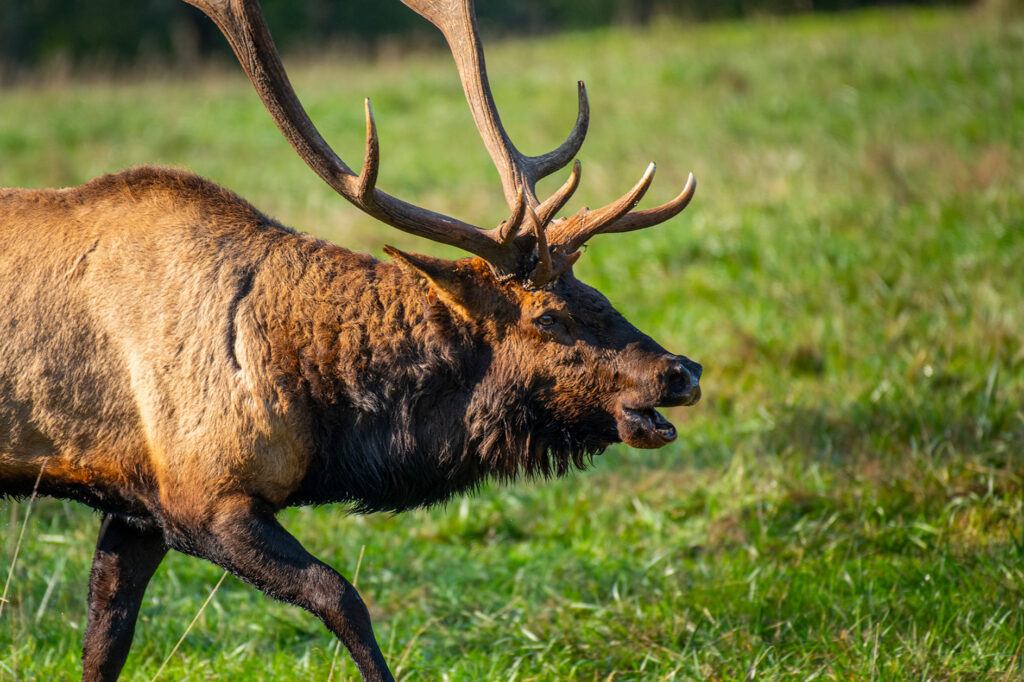
Every autumn, forests and valleys in North America echo with a haunting sound: the bugle of the elk. For many, this sound is both mysterious and beautiful. But behind the music is a fascinating natural process—elk mating behavior. The annual elk rut is a dramatic time, filled with competition, displays of strength, and rituals that have evolved over thousands of years. Understanding elk mating behavior gives us a window into the lives of these impressive animals and the survival challenges they face.
The Elk Rut: Timing And Triggers
The elk mating season, called the rut, usually begins in late August and continues through October. The timing is not random. It is closely linked to photoperiod, which means the number of daylight hours. As days get shorter, changes in hormone levels signal elk that it’s time to breed.
Elk want their calves to be born in late spring, when food is abundant. This means mating must happen in early autumn. If the rut starts too early or too late, calves may be born at the wrong time, reducing their chance of survival.
Mating System: Polygyny And Harem Formation
Elk use a polygynous mating system. In this system, one male mates with many females. During the rut, strong males gather groups of females, called harems. A single harem might have 5 to 20 cows (females), but sometimes even more.
Males, called bulls, spend weeks fighting for the right to control these harems. A dominant bull can father most of the calves in a season, but holding a harem is exhausting and risky.
Bull Behavior: Competition And Displays
During the rut, bull elk transform from peaceful grazers into fierce competitors. Their behavior becomes more aggressive, and several key actions stand out:
- Bugling: This loud, high-pitched call is unique to elk. Bugling serves two main purposes: attracting females and warning rival bulls. The quality and frequency of a bull’s bugle may signal his strength and stamina.
- Antler Displays: Bulls use their large antlers to show off their size and fitness. They thrash bushes, dig up the ground, and make themselves look bigger.
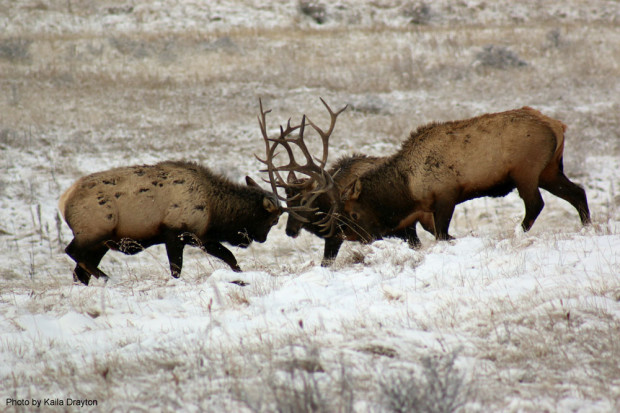
- Sparring: If a rival bull gets too close, bulls may lock antlers and push against each other. Real fights are rare but can cause serious injury.
- Scent Marking: Bulls urinate on themselves, especially on their belly and legs, to spread a strong scent. This “perfume” is attractive to cows and intimidating to other bulls.
Table: Comparison Of Bull Elk Behaviors During The Rut
| Behavior | Main Purpose | Energy Cost |
|---|---|---|
| Bugling | Attracts females, warns rivals | Moderate |
| Antler Displays | Shows strength, impresses cows | Low |
| Sparring | Establishes dominance | High |
| Scent Marking | Signals health and status | Moderate |
Female Elk: Choosing A Mate
Female elk, or cows, play a key role in mating success. Even though bulls compete fiercely, cows decide which bull gets to mate. They prefer bulls with:
- Loud, frequent bugles (shows strong lungs and stamina)
- Large, symmetrical antlers (signals good genes)
- Ability to defend the harem (shows strength and social status)
Cows may test several bulls during the rut, sometimes leaving one harem to join another. This choice helps ensure their calves have the best chance of survival.
Harem Dynamics: Life Inside The Group
Once a bull gathers a harem, his work is not over. He must constantly defend his cows from other bulls and keep the group together. This takes a lot of energy. Bulls rarely eat or rest during the peak of the rut, which can cause them to lose up to 20% of their body weight.
Cows in a harem are not passive. They may move between groups, especially if they sense a bull is weak or if another bull appears stronger. This movement keeps the competition high and prevents one bull from controlling all the females for too long.
Mating Rituals And Copulation
When a cow is ready to mate, she gives off specific signals—both behavior and scent. The bull will follow her closely, sniff her urine, and nudge her with his nose. If she is receptive, copulation will occur quickly. One bull may mate with several cows in a single day during the peak of the rut.
Interestingly, most cows become fertile at the same time, within a short window called estrus. This synchronized breeding helps all calves be born at nearly the same time the next spring, which increases their survival chances.
Post-rut Effects: Recovery And Risk
After the rut, bulls are often exhausted, underweight, and sometimes injured. This makes them more vulnerable to predators and harsh winter weather. The energy they invest in mating can shorten their lives, but it increases their chance of passing on their genes.
Cows, on the other hand, focus on finding food and preparing for winter. The fertilized egg stays in a paused state for a few months—a process called delayed implantation—before starting to develop, so the calf is born at the right time in spring.
Environmental And Social Factors
Elk mating behavior can change depending on the environment and group size. In areas with many bulls of similar strength, competition is higher, leading to more fights and dramatic displays. In regions where elk populations are low, a bull might control a harem with little competition.
Human activity can also affect elk rutting behavior. Roads, hunters, and tourists may disturb elk, causing bulls to spend less time bugling and more time moving or hiding. This can reduce their mating success.
Table: Factors Influencing Elk Mating Behavior
| Factor | Effect on Mating Behavior |
|---|---|
| Population Density | Higher competition and more displays |
| Predator Presence | More cautious behavior, less visible rut |
| Human Disturbance | Less vocalization, altered group movement |
| Habitat Quality | Better nutrition, stronger bulls |
Non-obvious Insights: What Beginners Miss
- Delayed Implantation: Many people do not know that after mating, the elk’s fertilized egg does not start growing immediately. Instead, it waits until winter is almost over. This helps calves be born at the best time for survival.
- Silent Bulls: Not all strong bulls are loud or aggressive. Some use smart strategies, such as shadowing another bull’s harem and waiting for a moment of weakness to take over, instead of fighting directly.
Elk Mating Vs. Other Deer Species
Elk are part of the deer family, but their mating behavior has some unique features. For example, elk bugle, while most deer species only grunt or make softer calls. Also, elk harems are usually larger than those of other North American deer, like the white-tailed deer.
Table: Comparison Of Elk And White-tailed Deer Mating Behavior
| Feature | Elk | White-Tailed Deer |
|---|---|---|
| Vocalization | Bugling | Grunting/snorting |
| Group Size | Large harems (5-20+ cows) | Solitary or small groups |
| Male Competition | Fierce, long-lasting | Short, brief fights |
| Mating System | Polygyny (harem) | Polygyny (but no harems) |

Why Elk Mating Behavior Matters
Understanding elk mating behavior helps wildlife managers protect elk populations. It also gives insight into how these animals have adapted to survive in challenging environments. For example, knowing when and where the rut happens can help set better hunting seasons, reduce human disturbance, and keep elk herds healthy.
For nature lovers, watching the elk rut is an unforgettable experience. The sight of two bulls locking antlers, the sound of a bugle at dawn, or the careful gathering of a harem shows the power and beauty of the natural world.
Frequently Asked Questions
What Is The Purpose Of Elk Bugling During The Rut?
Bugling is a vocal display used by bull elk to attract females and warn rival males. The sound carries over long distances, letting both cows and competing bulls know a strong male is present.
How Do Female Elk Choose Which Bull To Mate With?
Female elk look for bulls with loud, frequent bugles, large antlers, and the ability to defend a harem. These traits signal good health and strong genetics.
Can A Bull Elk Control More Than One Harem?
Usually, a bull controls only one harem at a time. However, in rare cases, a very strong bull may move between groups, but it is difficult to maintain control over more than one harem for long.
Does Elk Mating Behavior Change In Different Environments?
Yes, environmental factors like population density, predator presence, and human disturbance can change elk mating behavior. For example, bulls may fight more in areas with many elk or be more cautious where predators are common.
Where Can I Learn More About Elk Behavior?
You can find more information on the elk rut and behavior from organizations like the National Wildlife Federation.
The world of elk mating is full of drama, strategy, and survival. Whether you are a wildlife watcher, hunter, or simply curious, understanding elk mating behavior brings you closer to the heart of nature’s great spectacle.