
What Is Elk Management?
Elk are some of the most iconic wildlife in North America. Their large size, impressive antlers, and migratory habits fascinate hunters, tourists, and nature lovers. But elk do not manage themselves. Across the United States and Canada, humans play a major role in keeping elk populations healthy and in balance with nature. This careful approach is called elk management.
Elk management is more than just counting animals or setting hunting rules. It is a complex process that involves science, teamwork, and sometimes tough choices. Good management helps keep elk populations strong for future generations. It also protects forests, farms, and even roads from problems elk can cause.
Understanding how elk are managed gives us insight into both wildlife conservation and our role in nature.
What Does Elk Management Mean?
Elk management is the set of actions and policies used to control and guide elk populations. The goal is to keep elk numbers healthy, prevent overpopulation, and reduce conflicts with people and other wildlife. This includes:
- Monitoring elk numbers and health
- Setting hunting regulations
- Protecting elk habitats
- Dealing with disease
- Reducing crop and property damage
Elk management is usually done by government wildlife agencies, but it also involves landowners, hunters, scientists, and even local communities.
Why Is Elk Management Important?
Elk can have a big impact on their environment and on people. If elk numbers get too high, they can:
- Eat too many plants, damaging forests and grasslands
- Compete with other animals like deer and cattle for food
- Spread diseases to livestock
- Cause car accidents by crossing roads
- Damage crops and property
If elk numbers are too low, we risk losing them from the landscape. Hunters, photographers, and tourists all depend on healthy elk herds. Proper management aims for a balance where elk, people, and nature can all thrive.
Key Elements Of Elk Management
1. Population Monitoring
Understanding how many elk live in an area is the foundation of management. Wildlife biologists use several methods to count elk:
- Aerial surveys: Counting elk from planes or helicopters
- Ground surveys: Observing elk from vehicles or on foot
- Camera traps: Using motion-sensitive cameras
- Tracking collars: Placing GPS devices on a few elk
These counts are not perfect, but they give a good estimate. Managers look at herd size, age, sex ratios, and calf survival rates. This information guides all other management decisions.
2. Hunting Regulations
Regulated hunting is one of the main tools for managing elk numbers. Each year, agencies set rules such as:
- Hunting season dates
- License or tag limits
- Which elk can be harvested (bulls, cows, calves)
Hunting helps keep populations in check, funds conservation programs, and provides recreation. Managers adjust rules each year based on elk numbers and health.
3. Habitat Management
Elk need food, water, and safe places to live. Good habitat means healthy herds. Managers protect and improve elk habitat by:
- Prescribed burns to renew grasslands
- Planting native plants elk eat
- Restoring streams for water sources
- Limiting development in key areas
Habitat work also benefits other wildlife and the overall ecosystem.
4. Dealing With Disease
Elk can carry diseases like brucellosis and chronic wasting disease (CWD). These can harm elk, other wildlife, and even livestock. Management responses include:
- Testing elk for disease
- Removing sick animals from the herd
- Limiting elk-livestock contact
- Educating hunters about disease risks
Disease control is a growing challenge as elk mix with other animals and as climates change.
5. Reducing Human-elk Conflicts
As elk populations grow or move, they sometimes clash with people. Common problems include:
- Crop damage: Elk eating farmers’ fields
- Property damage: Elk breaking fences or gardens
- Car accidents: Collisions on highways
Managers use several methods to reduce these conflicts:
- Fencing to keep elk out of crops
- Hazing or scaring elk away from problem areas
- Compensation programs to pay for damages
- Relocation (moving elk to less problematic areas)
Success depends on local cooperation and adapting strategies to each area.
How Elk Management Differs By Region
Elk management is not the same everywhere. Each region faces unique challenges and uses different tools.
| Region | Main Challenges | Key Management Tools |
|---|---|---|
| Western US (e.g., Colorado, Montana) | Large populations, public hunting pressure, disease | Hunting quotas, habitat restoration, disease testing |
| Eastern US (e.g., Pennsylvania, Kentucky) | Smaller, reintroduced populations, farm conflicts | Careful growth targets, education, fencing, limited hunting |
| Canada (e.g., Alberta, British Columbia) | Harsh winters, predator interactions, large landscapes | Winter feeding, predator studies, migration tracking |
In some places, elk are still rare and need protection. In others, managers must focus on limiting herd growth and reducing conflicts.
The Role Of Science In Elk Management
Modern elk management relies heavily on science. Research helps answer questions like:
- How many elk can an area support (carrying capacity)?
- How do hunting rules affect herd health and genetics?
- What is the best way to restore habitat or prevent disease?
Biologists use data from field studies, GPS tracking, genetics, and even satellite images. For example, research has shown that over-hunting of male elk can lead to fewer large bulls and change herd behavior. Managers now set rules to protect some mature bulls for breeding and for trophy hunting.
Elk Management And Other Wildlife
Elk do not live alone. They share land with deer, moose, bears, wolves, and even livestock. Management must consider these relationships.
For example, if elk herds get too large, they may push deer out of good habitat or attract predators closer to farms. In Yellowstone National Park, wolf reintroduction changed elk behavior and helped balance the ecosystem. Managers must think about the whole web of life, not just elk numbers.

Public Involvement In Elk Management
Elk management is not done behind closed doors. Agencies often ask for public input through:
- Meetings and surveys
- Hunting group partnerships
- Working with landowners
This helps make sure management plans reflect local needs and values. For example, farmers may want fewer elk, while hunters want more. Managers try to find a middle ground.
Common Elk Management Mistakes
Even with the best science, things can go wrong. Some common mistakes include:
- Ignoring local conditions: Using the same rules everywhere can fail. Each herd and habitat is unique.
- Focusing only on hunting: Overlooking habitat, disease, or public opinion can create bigger problems.
- Poor communication: Not explaining decisions to the public can lead to mistrust and conflict.
- Too little or too much intervention: Over-controlling or ignoring herds can both be harmful.
Learning from these mistakes is key to improving elk management in the future.
Elk Management Success Stories
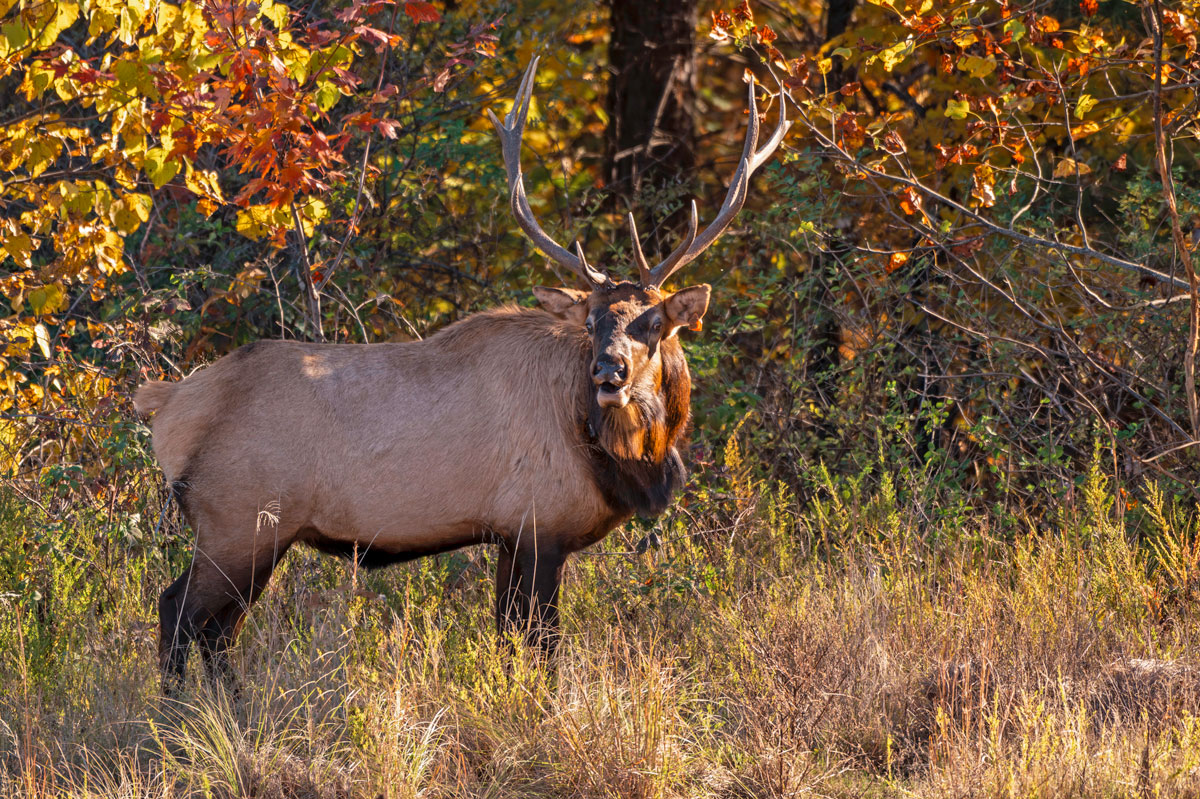
There are many examples of effective elk management. One of the best is the reintroduction of elk to the eastern United States. By the late 1800s, elk were wiped out east of the Rockies. In the 1990s and 2000s, wildlife agencies moved elk from western states back to places like Kentucky and Pennsylvania. With careful planning, these herds have grown to thousands of animals, supporting new hunting and tourism opportunities. Local communities now benefit from both the return of wildlife and the economic boost.
Another example is the Yellowstone elk-wolf balance. After wolves were reintroduced in 1995, elk numbers dropped, but plant life and other animals rebounded. This shows how managing one species can help the whole ecosystem.
The Future Of Elk Management
Elk management will keep changing as new challenges appear. Some trends to watch include:
- Climate change: Warmer winters, shifting habitats, and new diseases
- Human development: Expanding towns and roads block migration
- Changing public values: More people want to watch elk, not just hunt them
Managers will need new tools, strong science, and public support to keep elk healthy in a changing world.
Comparing Elk Management To Other Wildlife
Elk management shares some tools with other big game animals, but there are important differences.
| Species | Key Management Focus | Unique Challenge |
|---|---|---|
| Elk | Balancing herd size, habitat, hunting | Large migrations, crop damage |
| White-tailed deer | Controlling overpopulation, urban conflicts | Adaptability to cities, car accidents |
| Moose | Winter survival, predator impacts | Vulnerable to ticks and heat stress |
One non-obvious insight: elk require large, connected habitats for migration, unlike deer, which can live in smaller patches. This means elk management often involves working with many landowners and agencies across state lines.
Non-obvious Insights For Beginners
- Migration corridors matter: Without protected migration routes, elk herds can be cut off from food and breeding grounds. Good management often involves protecting valleys, river crossings, and even building wildlife bridges over highways.
- Genetic diversity is key: Healthy elk herds need a mix of ages and both sexes. If only large bulls are hunted, herds can lose genetic strength and become more vulnerable to disease and environmental changes.
Frequently Asked Questions
What Is The Main Goal Of Elk Management?
The main goal is to keep elk populations healthy and in balance with their environment. Managers want enough elk for hunting and viewing, but not so many that they damage nature or cause problems for people.
How Do Wildlife Agencies Count Elk?
Agencies use tools like aerial surveys, camera traps, and GPS collars. They also talk to hunters and landowners for extra information. No method is perfect, but using several together gives the best estimate.
Why Are Hunting Rules Different Each Year?
Elk numbers change due to weather, disease, and other factors. Managers adjust hunting seasons and tag limits every year to keep herds in balance. This flexible approach helps avoid over-harvesting or overpopulation.
What Should I Do If Elk Are Damaging My Property?
Report the problem to your local wildlife agency. They may offer fencing, hazing, or compensation programs. Never try to harm elk yourself—this is usually illegal and can make the problem worse.
Where Can I Learn More About Elk Management?
A great place to start is the Rocky Mountain Elk Foundation, which shares research, news, and tips for both beginners and experts.
Elk management is a living science that combines tradition, research, and community values. By understanding how and why elk are managed, we can all help ensure their place in the wild for years to come.

