
What Is Deer Management?
Deer are beautiful and important animals, but they can also create problems for people and the environment if their numbers get too high. Deer management is the process of controlling deer populations and their impact on land, crops, forests, and people. Many people think it is only about hunting, but it is much more complex. Good deer management helps keep a healthy balance between deer, nature, and humans.
Why Deer Management Matters
When deer populations grow too large, problems can happen quickly. They eat young trees and plants, making it hard for forests to grow. Farmers may lose crops. Deer can also cause car accidents, which can hurt people and cost money. In many places, natural predators like wolves are gone, so humans must help control deer numbers.
Deer also play a key role in the ecosystem. They are food for other animals and help shape the landscape. If there are too few deer, some plants and animals may suffer. If there are too many, forests and farms can be damaged. Deer management tries to find the right balance so that nature and people both benefit.
Main Goals Of Deer Management
Deer management is not one-size-fits-all. It is guided by several goals:
1. Protecting Crops And Forests
Too many deer can destroy young trees and farm fields. Managing their numbers helps protect these resources.
2. Supporting Healthy Ecosystems
Deer can change which plants grow in an area. Good management keeps ecosystems in balance.
3. Reducing Human-deer Conflicts
Managing deer can lower the number of car accidents and property damage.
4. Maintaining Healthy Deer Populations
Overcrowded deer can get sick more easily. Management helps keep herds healthy.
5. Providing Hunting Opportunities
In many places, hunting is a tool for management and a tradition for communities.
How Deer Management Works
Deer management uses several methods, depending on local needs and laws. The main ways are:
Regulated Hunting
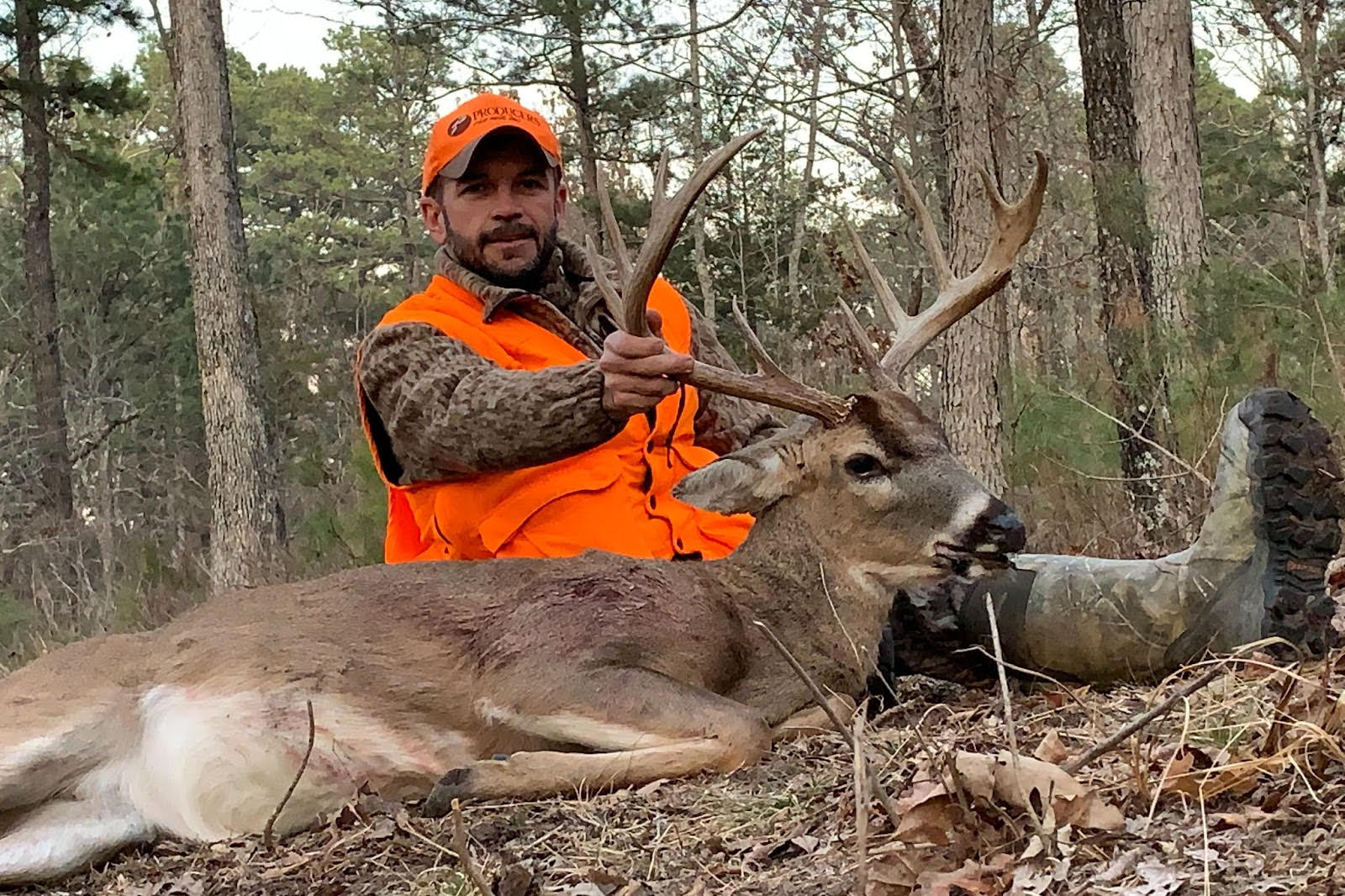
This is the most common tool. Wildlife agencies set rules for hunting seasons, what age and sex of deer can be hunted, and how many each person can take. This helps control the population and keeps it healthy.
Population Surveys
Experts count deer using cameras, tracking, or aerial surveys. Knowing the number of deer helps managers make smart decisions.
Habitat Management
By changing the land, people can influence where deer live and what they eat. For example, planting certain crops or cutting trees in a certain way can attract or move deer.
Fencing And Barriers
Farmers and landowners sometimes use fences to keep deer away from crops or gardens. This does not lower the total population but can protect important areas.
Birth Control Methods
In some places, scientists use vaccines or other tools to slow deer reproduction. This is rare and expensive, but useful where hunting is not allowed.
Relocation
Moving deer to other places is sometimes used, but it is stressful for the animals and does not always work well.
Comparing Deer Management Methods
To see how the main methods compare, look at this overview:
| Method | Cost | Effectiveness | Common Use |
|---|---|---|---|
| Regulated Hunting | Low | High | Very Common |
| Population Surveys | Medium | Medium | Common |
| Habitat Management | Medium | Medium | Common |
| Fencing | High | High (local) | Sometimes |
| Birth Control | Very High | Low | Rare |
Challenges In Deer Management
Managing deer is not easy. There are several challenges:
- Social differences: Some people want more deer for hunting. Others want fewer to protect plants or cars.
- Changing environments: As cities grow, deer sometimes move into new places, including suburbs.
- Budget limits: Many management tools cost money. Not every community can afford expensive solutions.
- Disease control: High deer numbers increase the risk of diseases like chronic wasting disease.
Many beginners miss the fact that deer can change their behavior quickly. For example, when hunting pressure increases in one area, deer may move to safer places, making management harder. Also, if there are no natural predators, deer populations can rebound faster than expected after a management action.
The Role Of Data And Technology
Modern deer management uses new tools. Cameras, drones, and GPS collars help count and track deer more accurately. Data from these tools helps managers make better decisions.
For example, in the US state of Pennsylvania, wildlife agencies use trail cameras and computer software to estimate deer numbers. This has led to better results and healthier forests.
Another insight is that technology can show hidden problems. Sometimes, forest damage is clear only after years of too many deer. Early data helps catch issues before they get worse.
Deer Management Case Study
Look at Wisconsin, USA. In the 1990s, deer numbers grew too high. Forests lost young trees, and car accidents increased. The state increased hunting licenses and changed hunting rules. Over several years, deer numbers dropped, forests improved, and accidents became less common.
This shows that active management can work when done carefully.
Sample Deer Population Trends
Here is a look at estimated deer populations in three US states over time:
| Year | Pennsylvania | Wisconsin | New York |
|---|---|---|---|
| 2000 | 1,500,000 | 1,600,000 | 900,000 |
| 2010 | 1,400,000 | 1,200,000 | 1,000,000 |
| 2020 | 1,300,000 | 1,000,000 | 900,000 |
This table shows that deer populations can be managed over time, but it takes steady effort.

Why Community Involvement Is Important
Deer management works best when everyone is involved. Landowners, hunters, scientists, and government agencies must talk and plan together. People who live near deer often know about local problems, while experts can bring in new solutions.
Sometimes, people disagree about what is best. Open communication helps find middle ground. For example, in some towns, hunting is not allowed, so people use fencing and birth control instead. Each place is different.
Frequently Asked Questions
What Is The Main Goal Of Deer Management?
The main goal is to keep deer populations in balance with nature and human needs. This protects forests, farms, and people while keeping deer healthy.
Does Deer Management Always Mean Hunting?
No. Hunting is one tool, but other methods like fencing, habitat changes, and birth control are also used.
How Do Experts Count Deer?
They use cameras, tracking, aerial surveys, and sometimes GPS collars to estimate numbers. New technology is making this more accurate every year.
Can Deer Management Prevent Car Accidents?
Yes. Lowering deer numbers in problem areas can reduce accidents. However, no method can stop all accidents, so drivers must also be careful.
Where Can I Learn More About Deer Management?
A good place to start is the Wikipedia Deer Management page, which covers methods, challenges, and examples from around the world.
Deer management is always changing as we learn more. With careful planning and community support, we can enjoy the beauty of deer while avoiding serious problems. Balancing nature and people is never easy, but smart management makes it possible.

