
What Is An Elk Herd?
Elk are some of the most impressive animals in North America and parts of Asia. If you have ever seen a group of elk moving together across a meadow or through a forest, you were probably watching an elk herd. But what exactly is an elk herd? Why do elk gather in these groups, and what does “herd” really mean in the animal world? Understanding elk herds opens a window into their fascinating behavior, survival strategies, and even the challenges they face in the wild. In this article, you’ll learn everything you need to know about elk herds: from their structure and purpose to their social habits, migration patterns, and the role they play in ecosystems.
What Is An Elk Herd?
An elk herd is simply a group of elk that live, travel, and interact together. Elk are social animals, and being part of a herd gives them many advantages. These groups can be small or large, sometimes containing just a few individuals or sometimes numbering in the hundreds. The size and structure of an elk herd can change during the year, depending on the season, environment, and the needs of the elk.
Unlike some animals that live alone, elk rely on each other for protection, finding food, and raising their young. The herd acts as a support system and helps each member survive in the wild.
How Big Is An Elk Herd?
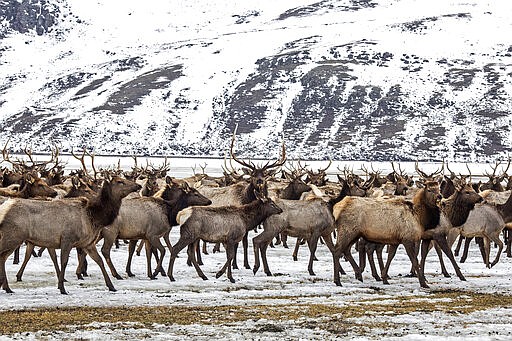
The size of an elk herd depends on several factors: the time of year, the availability of food, the region, and the age or sex of the elk. In the winter, herds often grow larger because elk gather in open valleys for warmth and to find food under the snow. In the summer, herds might be smaller because elk spread out to feed in the forests and mountains.
Here’s a comparison of elk herd sizes in different situations:
| Season | Typical Herd Size | Main Reason for Size |
|---|---|---|
| Winter | 50–400 elk | Grouping for warmth & safety |
| Spring | 10–50 elk | Calving season, smaller groups |
| Summer | 5–20 elk | Spread out for food |
| Fall | 20–200 elk | Breeding, males join herds |
One non-obvious insight: herd size can change quickly. If predators are near or resources become scarce, elk can join or leave herds within hours.
Why Do Elk Form Herds?
Elk herds are not random gatherings. They form for specific reasons that help the animals survive and reproduce:
1. Protection From Predators
By staying in a group, elk have many eyes and ears to watch for danger. If a predator like a wolf or cougar is nearby, the herd can warn each other and move away quickly. This “many eyes” advantage is one reason herds are common in prey animals.
2. Finding Food
Elk travel together to search for good grazing areas. In winter, when food is harder to find, herds can cover more ground and remember good spots.
3. Raising Young
Female elk, called cows, often form herds with their calves. The group helps protect the young from threats and teaches them important survival skills.
4. Mating
During the fall “rut” (breeding season), males, called bulls, join female herds to compete for mates.
A common mistake is to think elk only form herds for warmth. While body heat helps in winter, safety and social needs are just as important.
Types Of Elk Herds
Not all elk herds are the same. The makeup and behavior of a herd can change depending on age, sex, and the season.
Cow-calf Herds
These herds are made up mostly of females (cows) and their calves. Cow-calf herds are especially common in the spring and summer. They are smaller and more cautious, moving slowly and staying near cover to protect the young elk.
Bachelor Herds
Young or adult male elk (bulls) often form their own groups, called bachelor herds. These herds are usually seen outside of the breeding season. Bulls in these herds practice sparring, learn social skills, and avoid the stress of competing for mates until the rut begins.
Mixed Herds
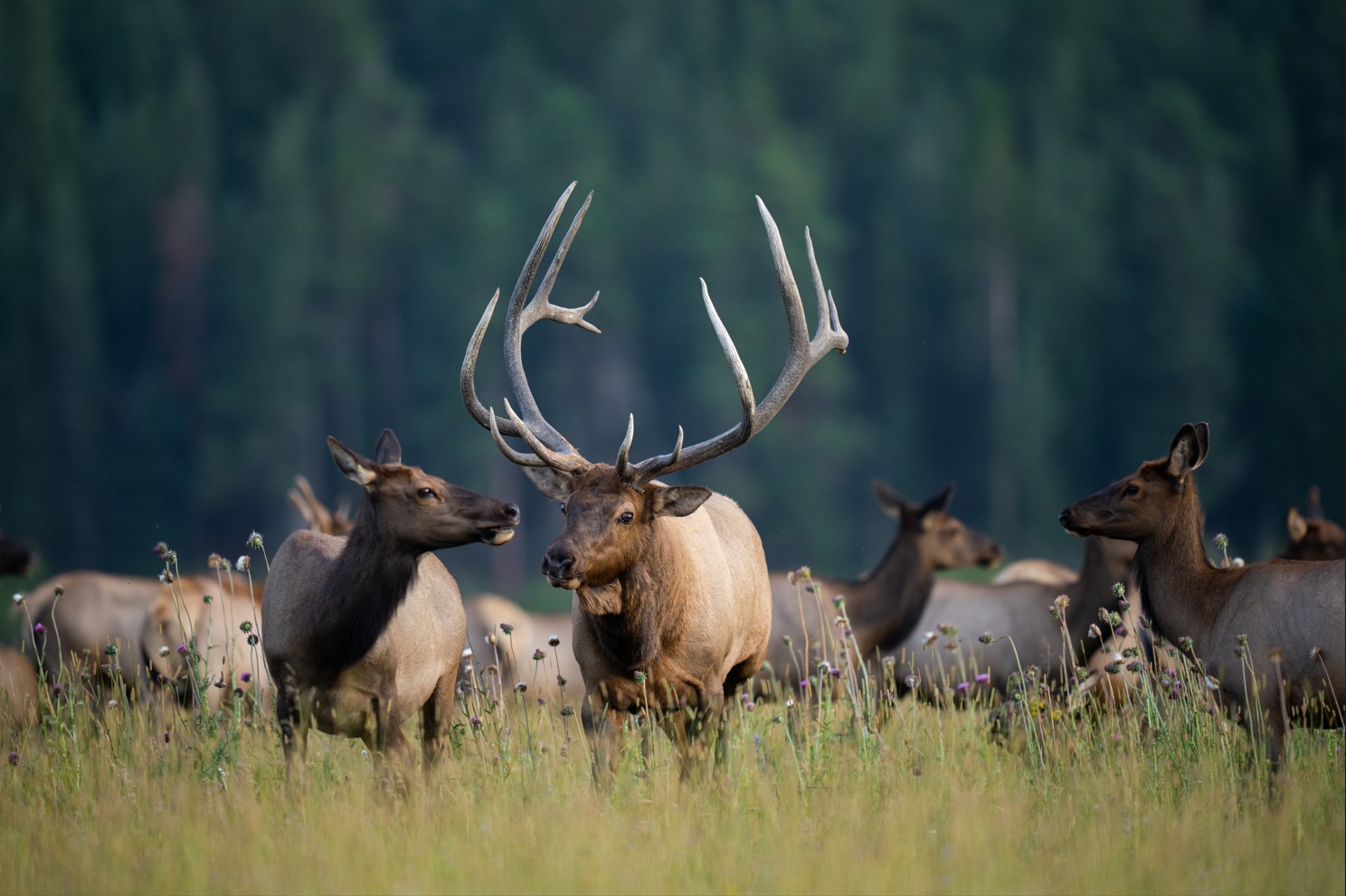
During the rut, herds become mixed. Bulls join groups of cows to compete for mating rights. This is when you see large groups and hear the famous elk bugle—a loud call used by bulls to attract females and warn other males.
How Elk Herds Communicate
Communication is vital in elk herds. Elk use many signals to share information:
- Vocalizations: Elk make various sounds, from high-pitched bugles to soft mews. The bugle is most common in males during the rut, but cows and calves have their own calls for staying in touch.
- Body Language: Raised heads, ear movements, and stamping feet are all signals. A sudden run can alert the herd to danger.
- Scent: Elk have strong scent glands. Bulls use urine and scent to mark their territory and attract females.
One insight beginners might miss is that silent signals—like a flick of the tail or quick movement—can be just as important as loud calls.
Migration And Movement Of Elk Herds
Elk are famous for their long migrations. Many herds move between summer and winter ranges, sometimes traveling over 100 miles. Migration helps elk find food and avoid deep snow.
| Region | Migration Distance | Reason for Migration |
|---|---|---|
| Greater Yellowstone | 60–120 miles | Winter food, escape snow |
| Rocky Mountains | 30–80 miles | Seasonal changes |
| Cascades (Washington) | 20–50 miles | Access to grazing |
During migration, herds must cross rivers, highways, and even towns. These journeys are risky, and many elk are lost each year due to accidents or lack of safe corridors.
Elk Herd Social Structure
Inside a herd, elk have clear social rules. Leadership often goes to older, more experienced cows, especially in cow-calf herds. These leaders know the best paths, safest places, and how to avoid danger.
During the rut, bulls fight for dominance. The strongest bull usually leads the herd and gets the most chances to mate. However, leadership is not fixed. If a leader is injured or lost, another elk quickly takes their place.
An important detail: herd leadership is not always about strength. Wisdom and memory play a big role, especially for migration routes.
The Role Of Elk Herds In Ecosystems
Elk herds shape the land around them. Their grazing patterns influence plant growth, and their movements help spread seeds. Predators like wolves depend on healthy elk herds for survival.
When elk herds are too large, they can overgraze and damage habitats. But when they are balanced, they help forests and grasslands stay healthy. Scientists study elk herds to understand the health of entire ecosystems.
Challenges Facing Elk Herds Today
Modern elk herds face many threats:
- Habitat Loss: Roads, farms, and towns break up migration routes and reduce grazing areas.
- Climate Change: Unpredictable weather affects food supply and migration.
- Predation and Hunting: Wolves, bears, and human hunters all impact herd size.
- Disease: Illnesses like Chronic Wasting Disease can spread quickly in large herds.
One mistake is to think that all threats are natural. In reality, most problems facing elk herds come from human activities, not just predators.
Observing Elk Herds: Tips For Beginners
If you want to see an elk herd, go early in the morning or at dusk when elk are most active. Use binoculars and keep a safe distance. Never approach or try to feed elk—herds can become aggressive if they feel threatened.
Some of the best places to observe elk herds include Yellowstone National Park, Rocky Mountain National Park, and Banff National Park in Canada.
Interesting Facts About Elk Herds
- Elk herds have been recorded as large as 2,000 individuals in Yellowstone during the winter.
- Calves are born with spots and can stand within 20 minutes of birth.
- Elk can run up to 40 miles per hour to escape danger.
- The oldest known wild elk lived to be about 20 years old.
- Elk herds are important for tourism, especially in U.S. national parks.
Elk Herds Vs. Other Animal Groups
It’s easy to confuse herds with other animal group names. Here’s a quick comparison:
| Animal | Group Name | Typical Group Size |
|---|---|---|
| Elk | Herd | 5–400 |
| Deer | Herd | 3–20 |
| Wolves | Pack | 6–15 |
| Bison | Herd | 20–1000 |
| Lions | Pride | 5–30 |
Elk herds are generally larger than deer herds and more flexible in their structure.

Why Understanding Elk Herds Matters
Knowing about elk herds helps us protect them. Conservation groups use GPS collars and field studies to track herd movements and health. This data helps build wildlife corridors, set hunting limits, and restore habitats.
If you’re interested in deeper research, the Wikipedia Elk page has a wealth of information.
Frequently Asked Questions
What Is A Herd Of Elk Called?
A group of elk is called a herd. This term is used for both small and large groups, whether they are made up of cows, calves, or bulls.
How Many Elk Are Usually In A Herd?
Herd sizes can range from 5 to 400 elk, depending on the season, location, and food availability. Winter herds are usually the largest.
Do Elk Always Stay In Herds?
Elk are social but may spend time alone, especially bulls outside the breeding season. However, for most of the year, elk prefer the safety and support of a herd.
What Is The Difference Between A Cow And A Bull Elk?
A cow is a female elk, and a bull is a male elk. Bulls have large antlers, while cows do not. During the rut, bulls join herds of cows to compete for mates.
Are Elk Herds Dangerous To Humans?
Elk are wild animals and can be dangerous if threatened, especially during calving or mating seasons. It’s best to observe from a distance and never approach a herd.
Elk herds are one of nature’s most interesting spectacles. By understanding their behavior, structure, and importance, we can better protect these majestic animals and the ecosystems they help shape. Whether you’re a wildlife lover or just curious, watching an elk herd in the wild is an experience you’ll never forget.

