
A dual-lens borescope is a modern inspection tool that has changed the way professionals look inside machines, walls, pipes, and even engines. If you have ever tried to see inside a tight, dark space—like inside a car engine or behind a wall—you know how difficult it is without the right equipment.
Regular cameras or flashlights just can’t reach. This is where a dual-lens borescope comes in handy. These devices are becoming more common in automotive repair, plumbing, building inspection, and even medical work. But what makes a dual-lens borescope different from older models, and why are more people choosing them today?
Let’s explore this unique inspection device in detail.
Understanding The Basics: What Is A Dual-lens Borescope?
A dual-lens borescope is a type of inspection camera with two separate lenses at the tip of its flexible or semi-rigid probe. Traditional borescopes usually have a single lens that looks straight ahead, but a dual-lens model adds a second camera—usually on the side. This lets you switch between forward view and side view with the press of a button.
The main purpose of both lenses is to give users a wider field of view inside confined or complex spaces. You can see straight ahead to check what’s in front of the probe, and then switch to the side lens to view walls, pipes, or objects at a 90-degree angle without moving the borescope.
This simple but powerful feature saves time and makes inspections more accurate.
How Does A Dual-lens Borescope Work?
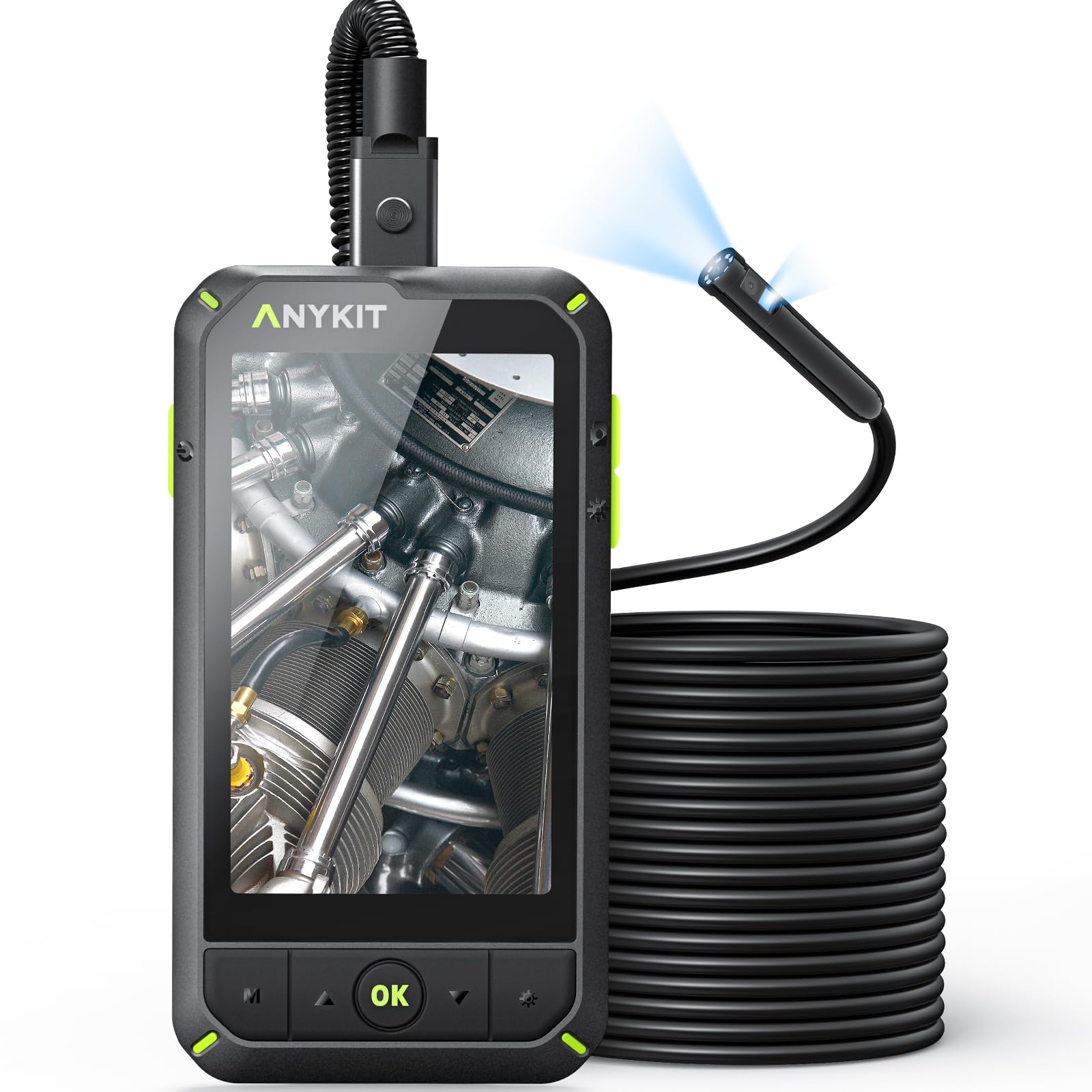
Inside a dual-lens borescope, you’ll find two tiny cameras and a series of LED lights. The probe is thin and flexible, designed to snake through narrow passages. The forward lens looks ahead, while the side lens is positioned at a right angle. Both lenses send real-time video to a screen, usually built into the handle or connected to a phone or tablet.
Switching views is easy—most models have a button to change between forward and side cameras. Some even let you display both views side by side on the screen. The images are bright and clear, thanks to adjustable LEDs that light up dark spaces. High-end models may even offer HD resolution for sharper details.
Key Features Of Dual-lens Borescopes
Dual-lens borescopes come with several useful features that make them better than single-lens designs:
- Two viewing angles: Forward and side views help you spot problems that a single lens might miss.
- LED illumination: Adjustable lights ensure clear images even in total darkness.
- Flexible or semi-rigid probes: These can bend around corners or hold their shape, depending on the job.
- Waterproof probes: Many are rated IP67 or higher, allowing use in wet or dirty environments.
- Image and video recording: Save pictures or videos for later review or to share with clients.
- Portable displays: Built-in screens or wireless connections to phones/tablets for easy viewing.
Main Applications Of Dual-lens Borescopes
Dual-lens borescopes are extremely useful in many industries. Here are some key areas where they make a real difference:
Automotive Inspection
Mechanics use dual-lens borescopes to look inside engines, cylinders, and fuel tanks without taking parts apart. The side lens is especially useful for checking cylinder walls for wear or damage.
Plumbing
Plumbers can inspect pipes, drains, and sewer lines for blockages or leaks. The dual-lens view helps spot cracks or buildup on pipe walls.
Building And Home Inspection
Inspectors use these tools to check behind walls, inside ceilings, or under floors. They can look for mold, pests, or structural damage without making large holes.
Industrial Equipment Maintenance
Factories and plants use dual-lens borescopes for machinery inspection, letting them spot wear or failures early and avoid costly breakdowns.
Aerospace And Aviation
Aircraft maintenance teams rely on these borescopes to check jet engines, turbines, and airframes for cracks or foreign objects.
Medical Uses
In some cases, dual-lens borescopes are adapted for medical endoscopy, allowing doctors to examine internal organs more effectively. However, medical devices are regulated and specialized.
Dual-lens Vs. Single-lens Borescopes
Many people ask why a dual-lens model is better than a single-lens borescope. Let’s compare the two types in a clear way:
| Feature | Single-Lens Borescope | Dual-Lens Borescope |
|---|---|---|
| Viewing Angle | Forward only | Forward & Side |
| Inspection Speed | Slower (needs probe rotation) | Faster (switch view instantly) |
| Ease of Use | More movement required | Less movement; easier to spot issues |
| Cost | Usually lower | Slightly higher |
| Image Coverage | Limited | Wide coverage |
The extra lens on a dual-lens borescope means you can see more with less effort. For example, if you are inspecting a pipe, a single-lens model may miss cracks or rust on the sides unless you twist the probe around.
The side lens on a dual-lens device solves this problem instantly.
Advantages Of Using A Dual-lens Borescope
Choosing a dual-lens borescope gives you several clear benefits:
- Wider field of view: You can see forward and sideways without moving the probe much, reducing the chance of missing something important.
- Faster inspections: Switching views is instant, so you finish tasks quicker.
- Better documentation: Dual views help you capture more complete images for reports.
- Increased accuracy: Side views reveal hidden problems—like cracks, rust, or leaks—that forward-only cameras often miss.
- Less wear on equipment: Less twisting and bending means your borescope and the item you’re inspecting are less likely to be damaged.
An insight many beginners miss: using the side lens can also help avoid damaging delicate surfaces. For example, in engine inspections, rotating a probe to view cylinder walls can scratch or leave marks. The dual-lens design eliminates this risk.
Limitations And Challenges
Although dual-lens borescopes are powerful, they are not perfect for every situation. Here are a few challenges you might face:
- Cost: Dual-lens models are usually a bit more expensive than single-lens versions.
- Size: The probe tip is sometimes larger due to the extra camera, making it harder to fit in very narrow openings.
- Battery life: More features and brighter LEDs can drain batteries faster.
- Complexity: More buttons and features mean a slightly steeper learning curve for some users.
However, for most professionals, these minor drawbacks are outweighed by the extra viewing options and faster inspections.
How To Choose The Right Dual-lens Borescope
Picking the right dual-lens borescope depends on your job and budget. Here are factors you should consider:
1. Probe Diameter
Make sure the probe is thin enough for the spaces you need to inspect. For example, automotive and plumbing tasks often require probes under 8mm wide.
2. Probe Length
Longer probes (1. 5m to 10m) can reach deeper into pipes or engines. But longer probes can be harder to maneuver.
3. Image Quality
Look for HD (720p or 1080p) cameras if you want to capture detailed images. For most inspections, 720p is enough.
4. Led Brightness
Adjustable LED brightness is important for dark spaces. Some models offer up to 8 LEDs around each lens.
5. Waterproof Rating
Check for IP67 or higher if you plan to use the borescope in wet or dirty environments.
6. Screen Size And Recording
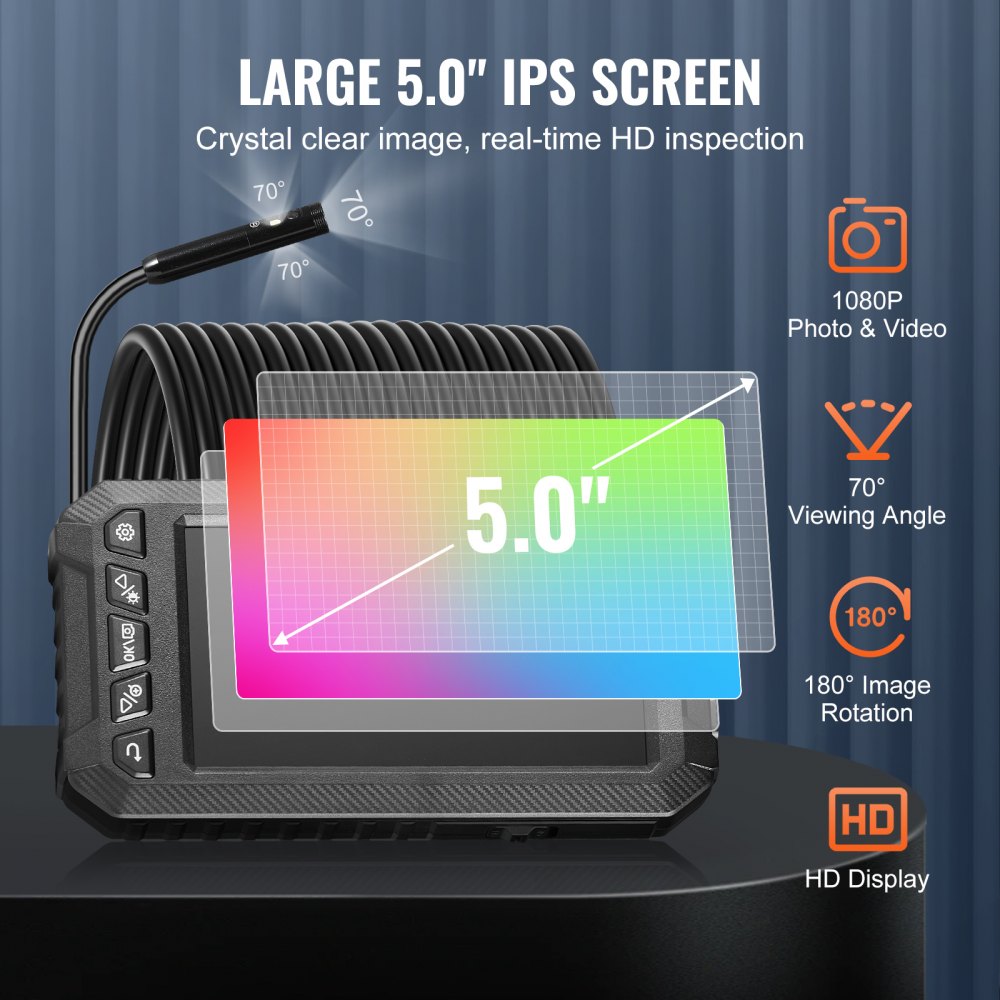
Built-in screens (3-5 inches) offer convenience, while models that connect to your phone or tablet can give bigger, clearer displays. Consider if you need to save images or videos.
7. Battery Life
Average battery life ranges from 2 to 4 hours. If you need longer use, choose a model with replaceable batteries or USB charging.
8. Price
Dual-lens borescopes range from $60 for basic models to over $300 for professional-grade devices. Decide what features are essential for your work.
Here’s a quick feature comparison:
| Feature | Entry-Level | Professional |
|---|---|---|
| Camera Resolution | 720p | 1080p |
| Probe Diameter | 8-9mm | 5.5-8mm |
| Probe Length | 1-2m | Up to 10m |
| Waterproof | IP67 | IP67/IP68 |
| Recording | No/Basic | Full video & image |
Common Mistakes To Avoid
Even experienced users can make mistakes with dual-lens borescopes. Here are two non-obvious tips to help you get better results:
- Don’t ignore the side lens: Some users forget to switch to the side lens, missing important details. Always check both views when inspecting.
- Keep the lens clean: Dust, oil, or water spots can blur images. Clean both lenses gently after each use with a soft cloth.
Another common mistake is using too much LED brightness in reflective spaces, which can cause glare. Adjust the brightness to reduce reflections for clearer images.
Real-world Example: Automotive Cylinder Inspection
Imagine you are checking the inside of a car’s cylinder for damage. With a single-lens borescope, you must twist and turn the probe to see all sides. This takes time and can miss small cracks or wear. With a dual-lens borescope, you can check the piston top with the forward lens and immediately switch to the side lens to inspect the cylinder wall for scoring or rust—without moving the probe.
This saves time and improves accuracy.

Data On Dual-lens Borescope Popularity
The global market for inspection cameras, including dual-lens borescopes, is growing fast. According to a 2022 report, the market is expected to reach $920 million by 2026, driven by demand from automotive, construction, and industrial maintenance sectors. More professionals are choosing dual-lens models for their flexibility and efficiency.
Maintenance Tips For Dual-lens Borescopes
To keep your device working well for years:
- Store in a dry, protective case to prevent dust and moisture buildup.
- Clean the lenses and probe after each use, especially when used in oily or dirty environments.
- Charge the battery fully before long inspections.
- Update software if your model connects to a smartphone—manufacturers often release updates for better performance.
- Check waterproof seals regularly to ensure the probe stays watertight.
Future Trends In Borescope Technology
New features are being added to dual-lens borescopes every year. Look for:
- Wireless connectivity: More models connect to smartphones using WiFi or Bluetooth for larger displays.
- 3D imaging: Experimental models are being tested that create 3D maps of inspected spaces.
- AI-powered defect detection: Some borescopes can now highlight cracks or corrosion automatically with smart software.
- Better battery life: Newer batteries and lower-power LEDs are extending working time.
For more on inspection camera trends, you can explore this Wikipedia article on borescopes.
Frequently Asked Questions
What Is The Main Advantage Of A Dual-lens Borescope?
The biggest advantage is the ability to see both forward and sideways without moving the probe. This helps you spot problems faster and with less effort.
Can I Use A Dual-lens Borescope Underwater?
Most dual-lens borescopes are rated IP67 waterproof, so you can use them in wet environments and shallow water. Always check the product rating to be sure.
Do Dual-lens Borescopes Work With Smartphones?
Many modern models connect to smartphones via WiFi or USB. This lets you view images on a bigger screen and share them easily.
How Much Does A Good Dual-lens Borescope Cost?
Prices range from about $60 for basic models to over $300 for professional devices with HD cameras, long probes, and extra features.
Are Dual-lens Borescopes Hard To Use?
Most are easy to use with simple controls. It may take a few tries to get comfortable switching between lenses and adjusting brightness, but most users learn quickly.
A dual-lens borescope gives you a clear, flexible way to inspect tight, hidden spaces. With two lenses, you can see more and work faster—making it a smart choice for anyone who needs to look where the eye can’t reach. Whether you’re a mechanic, plumber, inspector, or DIY enthusiast, this tool can save you time and help you find hidden problems before they become big issues.

