What Is A Doe?
Many people have heard the word “doe,” but not everyone knows exactly what it means. You might hear it in stories about forests, see it on wildlife signs, or even sing it in songs like “doe, a deer, a female deer.
” But a doe is not just a word from children’s rhymes. It’s an important term in the world of animals, especially when talking about deer and some other mammals. Understanding what a doe is—and what makes it special—can help you better appreciate nature and the animals living around us.
The Basic Meaning Of “doe”
The term doe refers to the adult female of certain animal species, mainly deer, but also antelope, rabbits, and hares. The male counterpart is called a buck. When people mention “doe,” they usually mean a female deer, but the word can also describe females of other similar mammals.
For example:
- Doe: Female deer, rabbit, hare, and antelope
- Buck: Male of these same species
This naming system is not used for all animals. For instance, female goats are often called “does,” but female sheep are called “ewes. ” Knowing these terms can help you identify animals more accurately in the wild.
Doe Vs. Other Animal Females
Different animals have special names for males and females. Here’s a look at how doe compares to other female animal names:
| Animal | Female Name | Male Name |
|---|---|---|
| Deer | Doe | Buck |
| Rabbit | Doe | Buck |
| Sheep | Ewe | Ram |
| Goat | Doe | Buck/Billy |
| Cow | Cow | Bull |
This table helps you see that doe is used mostly for deer, rabbits, and goats, but not for all female animals.
Physical Features Of A Doe
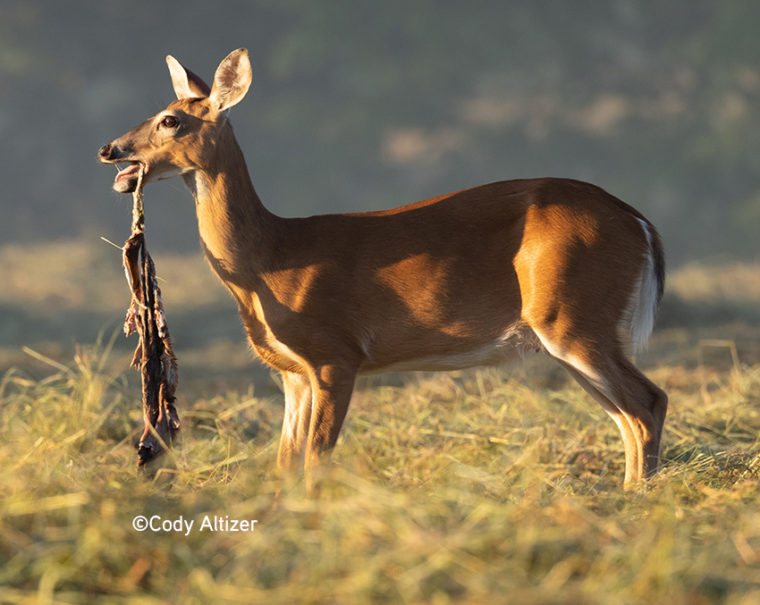
A doe often looks smaller and lighter than a male of the same species. Here are some key differences between a doe and a buck, especially in deer:
- No Antlers: Most does do not have antlers. Bucks usually grow antlers each year.
- Body Size: Does are usually lighter and smaller, which helps them move quickly.
- Face and Neck: The face and neck of a doe are thinner and more delicate than those of a buck.
- Color: The coat color of does is similar to bucks, but during certain seasons, does may look duller.
Let’s compare the main features of a doe and a buck in deer:
| Feature | Doe | Buck |
|---|---|---|
| Antlers | Usually none | Present |
| Weight | Less | More |
| Neck Size | Thinner | Thicker |
| Behavior | More cautious | More territorial |
It’s important to note that in rare cases, some female deer may grow small antlers due to hormonal changes, but this is not common.
Life And Role Of A Doe In The Wild
Does are essential for the survival of their species. They are responsible for giving birth and caring for the young. In most deer species, does give birth to one or two fawns (baby deer) each year, usually in late spring or early summer.
- Gestation period (pregnancy) for deer does is about 200 days.
- A doe will hide her fawns in tall grass to protect them from predators.
- She nurses and cares for them until they are strong enough to join the herd.
The social structure of a deer herd is often led by mature does. They guide the group, find safe places for food and rest, and help the young learn how to survive.
Unique Insights About Does
Many people do not realize two important facts about does:
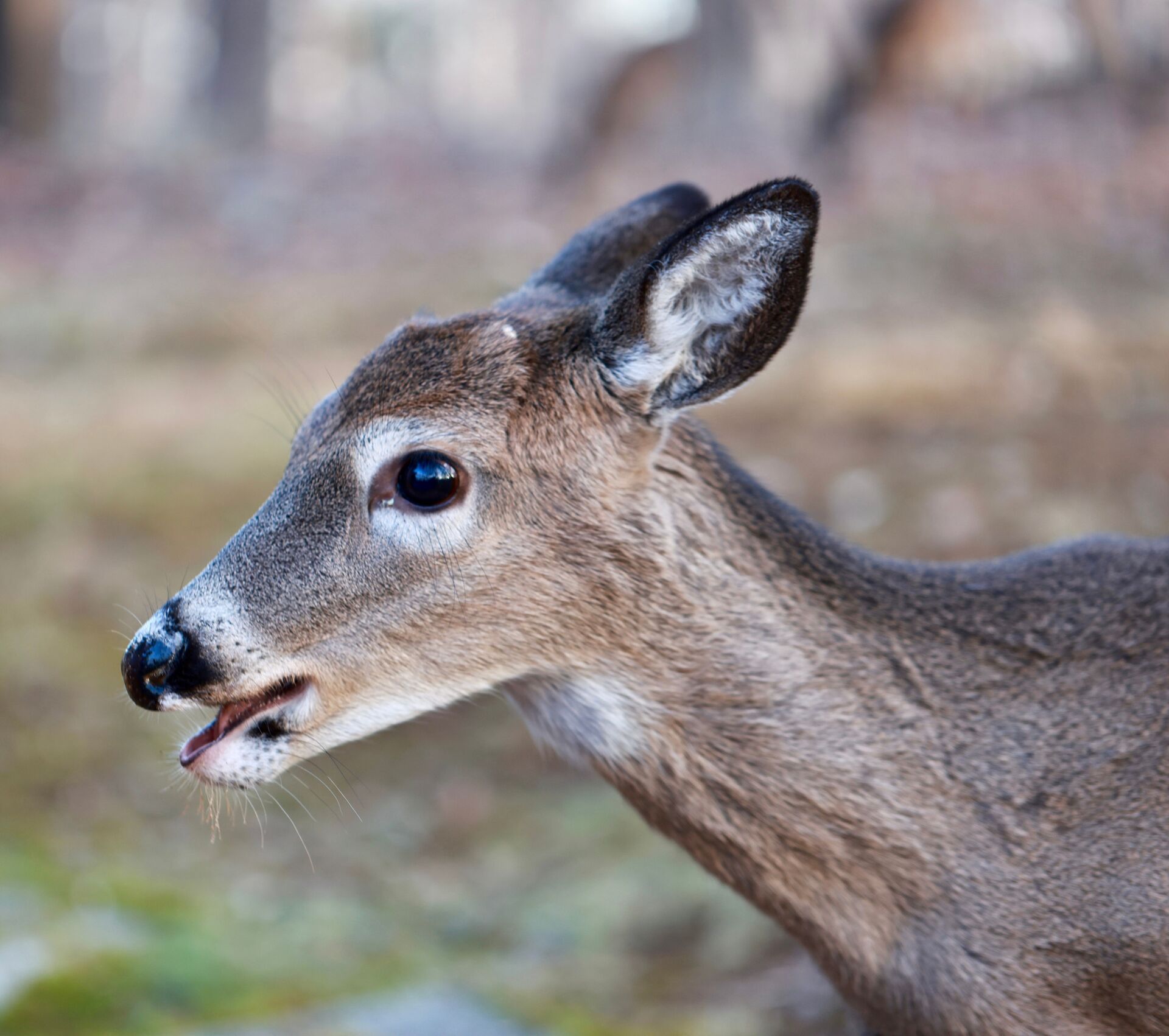
- Does Can Be Very Protective: While does are often seen as gentle, they can be aggressive when their young are threatened. They will use their hooves and speed to defend fawns from danger.
- Does Influence Herd Movement: In some deer species, the oldest or most experienced doe decides when and where the herd moves. This leadership is not always done by a male.
These details show that does have more complex roles than many people believe.
Does In Different Cultures And Languages
The word doe has roots in Old English (“da”), and it appears in many cultures. For example, in North America and Europe, the word usually means a female deer, but in other regions, different words are used. In India, a female deer may be called “hiran” in Hindi. The cultural importance of does appears in stories, art, and even currency in some countries.
Does And Humans: Why They Matter
People have interacted with does for thousands of years. In some cultures, they are symbols of gentleness and motherhood. In hunting traditions, knowing how to identify a doe is important for wildlife management. For example, laws in many countries protect does during breeding season to keep animal populations healthy.
Hunters and wildlife managers often use special signs to know if they are looking at a doe or a buck. These include:
- Body size and shape
- Absence of antlers
- Movement patterns (does are often with fawns)
Wildlife cameras and trackers also help scientists study doe behavior to protect natural habitats.
Common Mistakes About Does
Beginners often make two main mistakes:
- Thinking All Female Animals Are Called Does: Remember, not every female animal is a doe. Only specific mammals use this term.
- Believing Only Males Lead Herds: In many species, it’s the mature does who make group decisions, not the bucks.
Paying attention to these details helps you understand wildlife more accurately.
Fun Facts About Does
- A group of deer is called a herd.
- A baby deer is called a fawn.
- Some Disney characters, like Bambi’s mother, are famous does in popular culture.
- The average lifespan of a doe in the wild is 6 to 14 years, depending on the species and habitat.
Frequently Asked Questions
What Animals Are Called Does?
The term doe is used for adult females of deer, rabbits, hares, and sometimes goats and antelopes. It is not a universal term for all female animals.
How Can You Tell A Doe From A Buck?
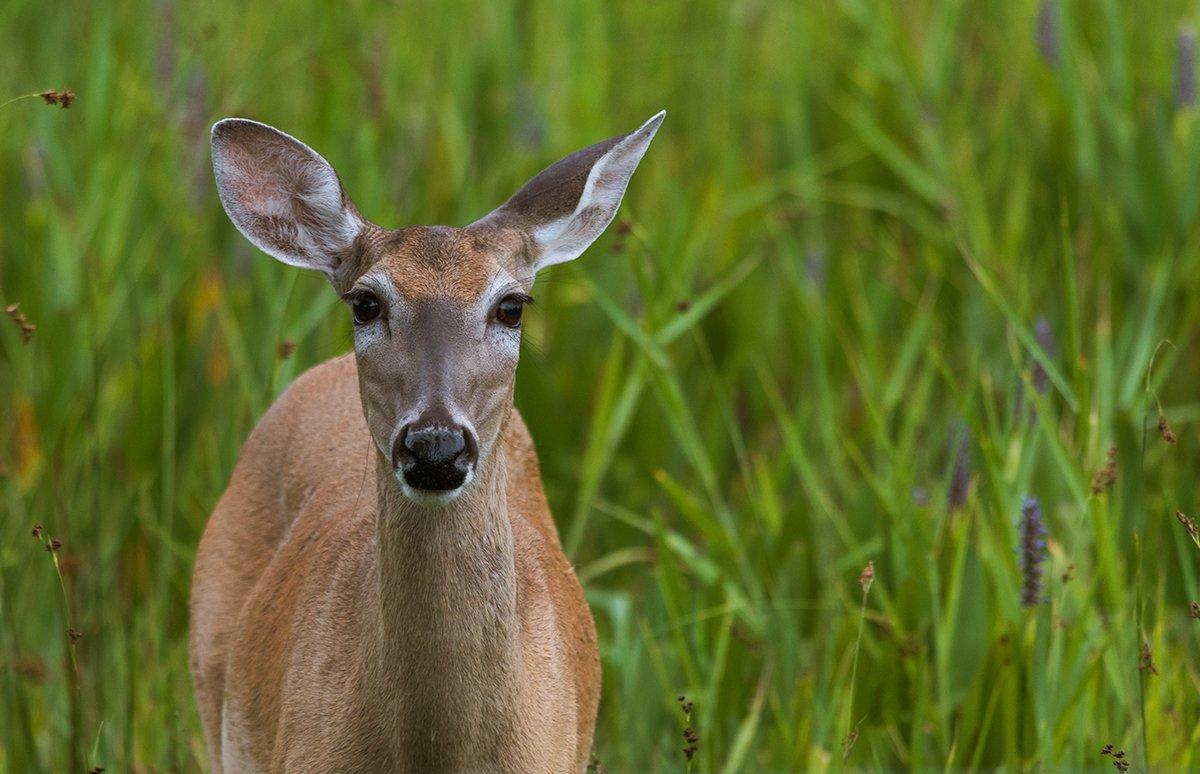
Usually, a doe does not have antlers, is smaller, and has a slender neck and body. Bucks typically have antlers (in deer) and are larger.
Why Is It Important To Protect Does?
Protecting does ensures healthy animal populations, especially because they give birth and care for the young. Overhunting does can quickly reduce numbers of certain animals.
Do Does Live Alone Or In Groups?
Most does live in groups, called herds. They often stay with other females and their young, especially during the fawning season.
Where Can I Learn More About Does And Animal Names?
You can read more on the Wikipedia page about does, which gives more details about animal names and their meanings.
Understanding what a doe is helps you connect more with nature. Whether you are watching wildlife, reading a book, or just curious about animal names, knowing about does gives you a deeper appreciation for the world around you.

