What comes to your mind when you hear the word “deer”? Maybe you imagine a graceful animal running through a forest, or perhaps you picture a set of impressive antlers. But there’s much more to deer than meets the eye.
These animals are not just beautiful; they play a critical role in nature and human culture. Let’s dive deeper to truly understand what a deer is, where it lives, how it behaves, and why it matters.
What Is A Deer?
A deer is a hoofed, herbivorous mammal that belongs to the family Cervidae. Deer are found in many parts of the world, from deep forests and open grasslands to mountains and even suburbs. There are over 50 different species of deer, each with unique features and habits. The most well-known deer include the white-tailed deer, red deer, moose, and reindeer.
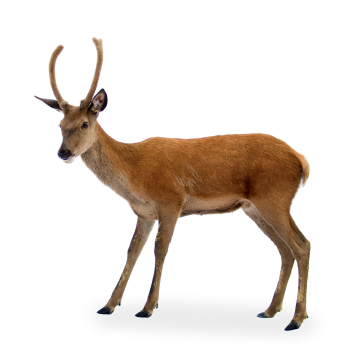
One thing that makes deer special is their antlers. Most male deer grow antlers once a year. These antlers are made of bone and are often used for fighting, attracting mates, and showing strength. Female deer usually do not have antlers, except for reindeer, where both males and females can have them.
Deer are also known for their slender bodies, long legs, and large eyes. These traits help them move quickly and stay alert for danger.
Key Features Of Deer
Deer have several features that set them apart from other animals.
1. Antlers
Antlers are one of the most visible traits. Unlike horns, antlers are shed and regrown every year. Only male deer grow antlers in most species, but in reindeer, both genders do.
2. Hooves
Deer walk on the tips of their toes, which are covered by hard hooves. This design helps them move quietly and quickly.
3. Digestive System
Deer are ruminants. This means they have a four-chambered stomach, allowing them to break down tough plant materials like leaves and twigs.
4. Senses
Deer have excellent hearing and eyesight. Their eyes are on the sides of their heads, giving them a wide view to detect predators.
5. Body Size
Deer can be very small or very large. The pudu from South America is about the size of a rabbit, while a moose can be taller than a car.
Where Do Deer Live?
Deer are extremely adaptable and can be found on almost every continent except Australia and Antarctica. They live in a variety of places, including:
- Forests (temperate, tropical, and boreal)
- Grasslands and savannas
- Wetlands
- Mountains
- Urban parks and gardens
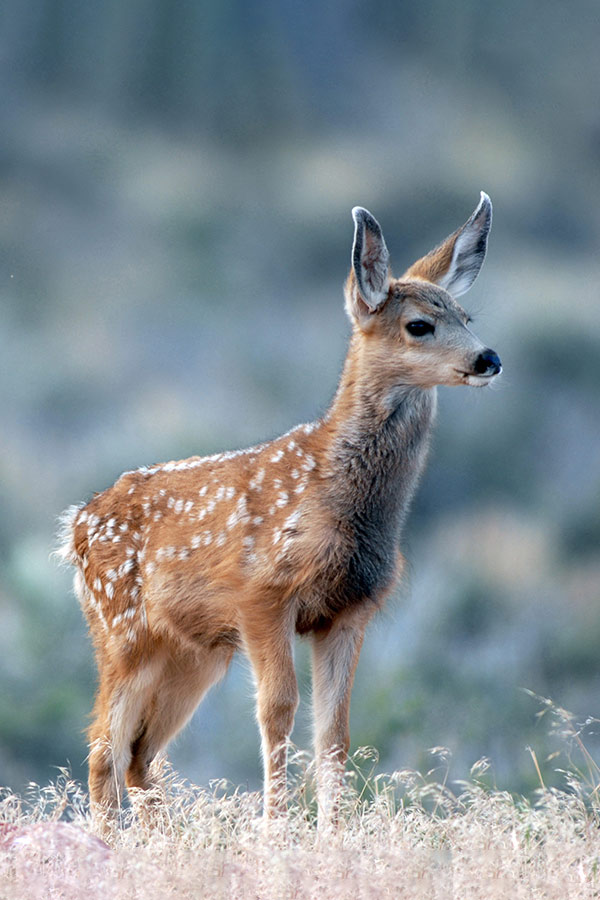
Some deer, like the white-tailed deer, thrive in areas changed by humans. Others, such as the sambar deer or mule deer, prefer wild, remote places.
Here’s a quick comparison of deer habitats around the world:
| Region | Common Species | Typical Habitat |
|---|---|---|
| North America | White-tailed deer, Moose | Forests, wetlands, suburbs |
| Europe | Red deer, Roe deer | Woodlands, grasslands |
| Asia | Sika deer, Sambar deer | Mountains, forests |
| South America | Pudu, Marsh deer | Rainforests, wetlands |
How Do Deer Behave?
Deer are mostly social animals. Many live in groups called herds, especially females and their young. Male deer may live alone or form small groups outside the breeding season.
Feeding Habits
Deer are herbivores. They eat a wide range of plants: grasses, leaves, twigs, fruits, and even tree bark. Their diet changes with the seasons and the local environment.
Communication
Deer use many ways to communicate:
- Sounds: Grunts, bleats, and snorts warn others of danger or call to young.
- Body language: Tail flicks, ear movements, and antler displays show mood or social status.
- Scent: Glands on their legs and faces leave scent marks to signal territory or readiness to mate.
Survival Tactics
To avoid predators, deer rely on their speed and agility. Some species can run up to 60 km/h (about 37 mph). Their camouflaged fur helps them blend into their surroundings.
Deer In Human Culture
Deer have a long history with people. They appear in ancient art, myths, and religion. In many cultures, deer are symbols of grace, gentleness, and renewal.
People have also hunted deer for thousands of years. Deer provide meat, hides, and antlers. In some places, deer farming is a business. However, too much hunting or loss of habitat threatens some species.
Deer also help shape their environment. When they eat certain plants, they can change how a forest or field grows. Too many deer in one area can damage plants and affect other animals.
Types Of Deer
With over 50 species, deer come in many shapes and sizes. Here are some well-known types:
| Species | Location | Special Feature |
|---|---|---|
| White-tailed deer | North America | White underside of tail |
| Moose | Northern Hemisphere | Largest deer, wide antlers |
| Red deer | Europe, Asia | Large, reddish-brown body |
| Reindeer (Caribou) | Arctic regions | Both sexes have antlers |
| Pudu | South America | Smallest deer species |
What Beginners Often Miss About Deer
Many people believe all deer look and act the same, but that’s not true. Some important details beginners often miss:
- Antlers are not permanent. Male deer lose their antlers every year, and they regrow them bigger and stronger.
- Deer are not just forest animals. They survive in grasslands, mountains, and even near cities.
- Not all hoofed animals are deer. For example, antelope and goats belong to other families.
Another common mistake is thinking deer are always gentle. In reality, male deer can be very aggressive during mating season. Also, deer can cause real damage to crops and gardens if their numbers are not controlled.
Deer Conservation
Not all deer are safe. Some, like the Père David’s deer, are extinct in the wild and survive only in zoos. Others, such as white-tailed deer, have large populations thanks to protection and adaptation to human environments.
Main threats to deer include:
- Habitat loss (forests cut down, land turned into farms)
- Hunting
- Road accidents
Conservation groups work to protect deer by saving habitats, creating safe crossings on roads, and managing hunting. For more scientific details, see this Wikipedia page on deer.

Frequently Asked Questions
What Do Deer Eat?
Deer eat grasses, leaves, twigs, fruits, and bark. Their diet changes with the seasons and what is available in their habitat.
How Long Do Deer Live?
In the wild, most deer live 6 to 14 years. Some can live longer in safe areas or captivity.
Why Do Only Male Deer Have Antlers?
In most species, only male deer have antlers to fight for mates. But both male and female reindeer grow antlers.
Are Deer Dangerous To Humans?
Deer are not usually dangerous. However, during mating season, males can be aggressive. Also, deer can cause accidents on roads.
Can Deer Swim?
Yes, deer are good swimmers. They can cross rivers and lakes when needed, which helps them escape danger or find food.
Deer are fascinating animals with unique traits, behaviors, and roles in nature. Understanding them helps us appreciate and protect these remarkable creatures for the future.

