
What Is A Buck?
Many people have heard the word “buck,” but not everyone knows what it really means. In everyday English, “buck” has more than one meaning. It is used in money, in wildlife, and even in sports. You may have heard someone say, “It costs 10 bucks,” or, “Look at that buck in the woods.
” Both are correct, but they refer to very different things. Understanding the different uses of “buck” can help you in daily conversation, travel, and even when watching movies or reading news.
Buck As Money
One of the most common uses of buck in the United States and Canada is as a slang term for a dollar. If you hear someone say “five bucks,” they mean five dollars. This usage is so widespread that many people forget it is not formal English.
Where Did The Term Come From?
The origin of “buck” as money goes back to the 18th and 19th centuries. At that time, deerskins (the skins of deer, also called buckskins) were used as a form of trade in North America. People would trade one deerskin for goods or services, so the word “buck” began to mean a unit of trade. Over time, as money replaced trading, “buck” stayed as a word for a dollar.
How Is ‘buck’ Used Today?
You will hear “buck” in many situations:
- At stores: “That will be twenty bucks.”
- In movies: “He owes me a hundred bucks.”
- In business: “We need to save every buck we can.”
It is used both in speech and in writing, but mostly in informal contexts. You will not see “buck” on official documents or banknotes.
Examples In Other Currencies
While “buck” mainly means US or Canadian dollars, sometimes people use it with other currencies as a joke or for fun. For example, someone might say “ten Aussie bucks” for ten Australian dollars. But this is not common or official.
Buck As An Animal
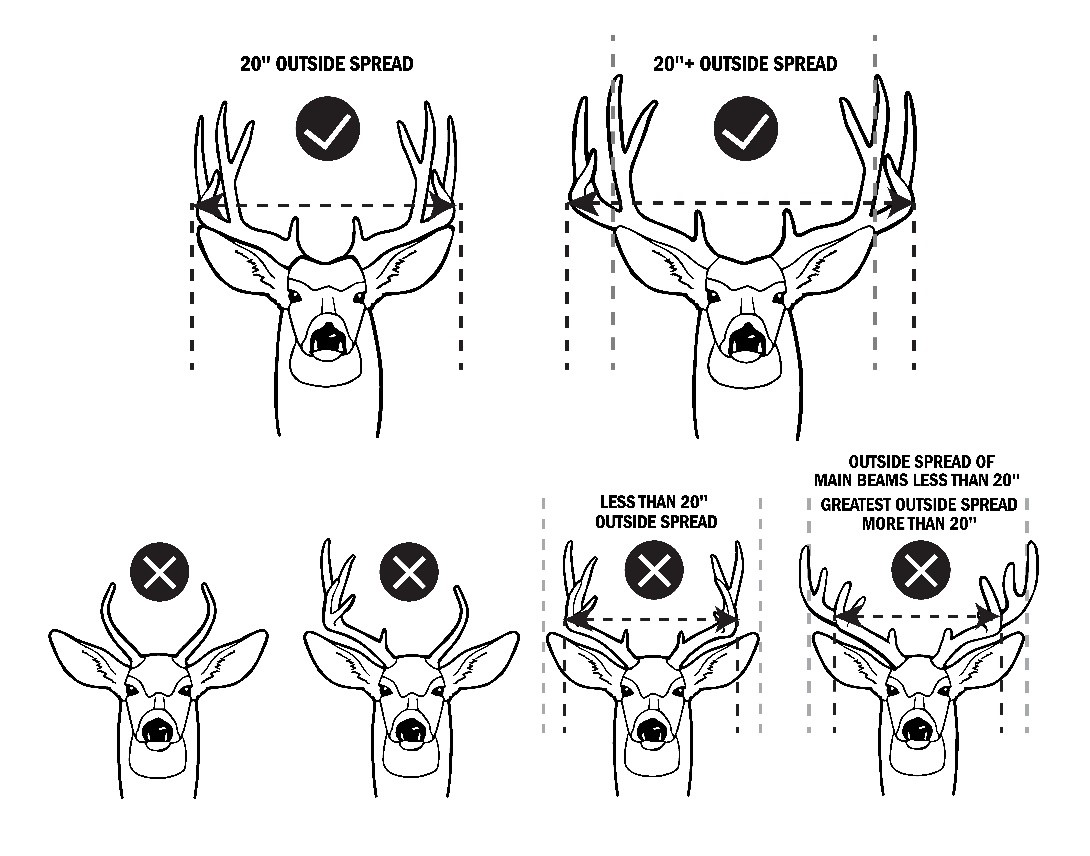
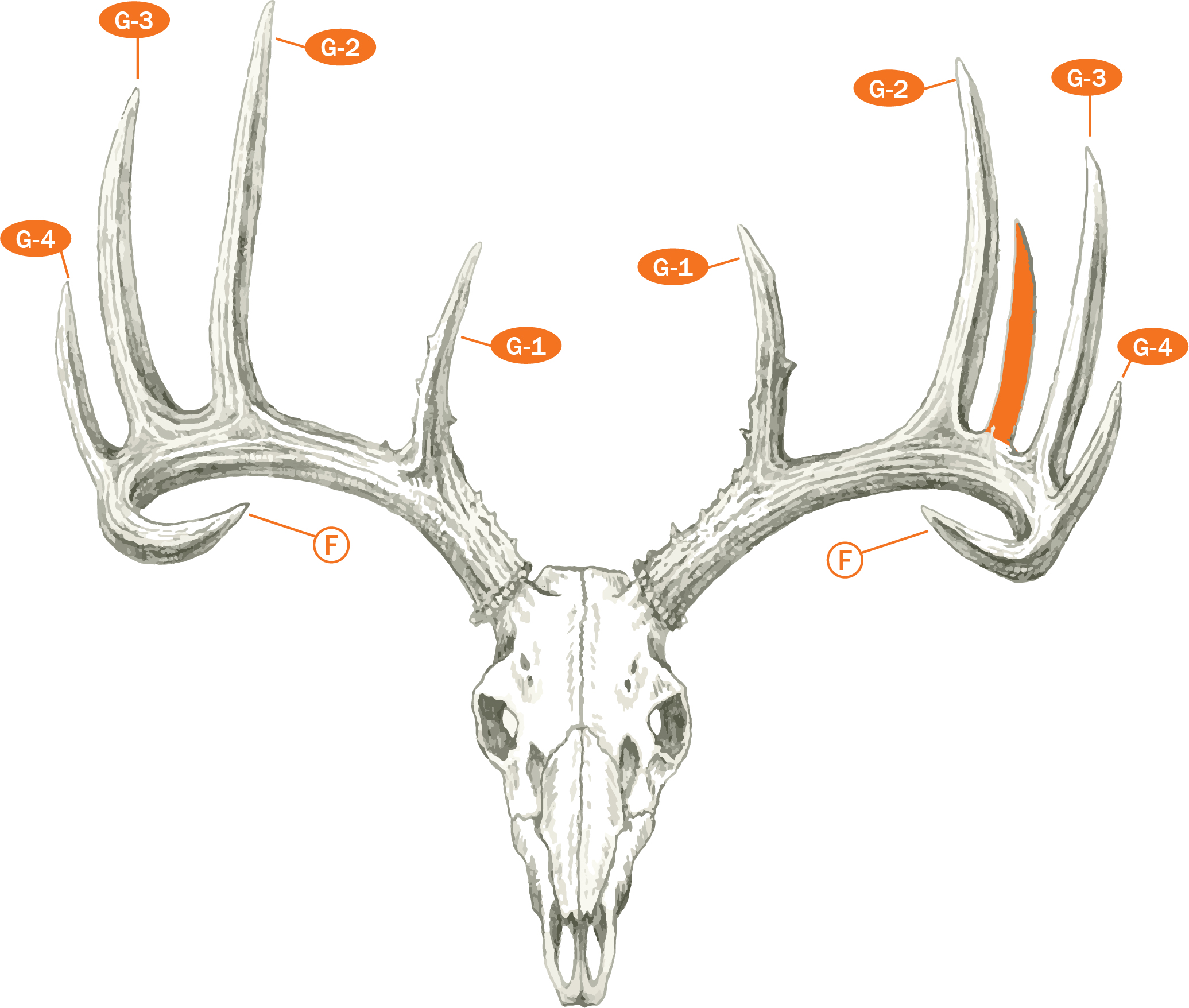
Another very common meaning for “buck” is a male animal, especially in the deer family. If you see a deer with antlers, it is usually called a buck.
Types Of Bucks
- White-tailed deer buck: Common in North America.
- Mule deer buck: Found in western parts of North America.
- Antelope buck: The male of the antelope species.
Not only deer are called bucks. The term is also used for males of some other animals:
- Rabbits: A male rabbit is a buck.
- Goats: A male goat can be called a buck.
- Hares: The male is called a buck.
How To Identify A Buck
Usually, a buck is larger than a female and has antlers (in deer and related animals). Antlers are used for fighting and showing strength.
Here is a comparison of male and female deer:
| Feature | Buck (Male) | Doe (Female) |
|---|---|---|
| Antlers | Yes | No |
| Size | Larger | Smaller |
| Role | Fights for mating | Cares for young |
Antlers are lost and regrown every year, which surprises many beginners. The size of the antlers often shows the age and health of the buck.

Buck In Sports And Culture
The word buck also appears in sports, teams, and pop culture.
Sports Teams
Some sports teams are named after the buck, showing strength and agility. For example, the Milwaukee Bucks is a popular basketball team in the NBA.
Popular Phrases
“Pass the buck” is a famous phrase in English. It means to avoid responsibility by giving it to someone else. For example, if a manager says, “Ask John about this problem,” he is “passing the buck. ”
Another phrase is “the buck stops here. ” This means taking full responsibility. The phrase became famous with US President Harry S. Truman, who kept a sign with these words on his desk.
Buck In Entertainment
The word “buck” appears in movies, books, and music. For example, the main character in the classic novel “The Call of the Wild” is a dog named Buck.
Other Meanings Of Buck
The English language is full of surprises. Sometimes “buck” has other, less common meanings.
- To resist or oppose: “She bucked the trend” means she did not follow what most people do.
- A sudden jump: In rodeo sports, a horse or bull that jumps wildly is said to “buck.”
Here is a quick overview of the meanings:
| Meaning | Example Usage |
|---|---|
| Money | “It costs 20 bucks.” |
| Male animal | “A buck with large antlers.” |
| To resist | “He bucked the system.” |
| Jumping animal | “The horse bucked off the rider.” |
Non-obvious Insights About ‘buck’
- Many beginners think “buck” only means money, but in some regions, people will only use it for animals. In hunting communities, “buck” almost always means a male deer, never money.
- Some people believe “buck” is always a small amount, but it can refer to any sum. For example, “a million bucks” is possible and common in movies.
Buck In Different Contexts
The meaning of “buck” depends on the situation and who is speaking. In a store, it almost always means money. In the forest or a hunting story, it means a male animal. In sports, it might refer to a team.
Always check the context before assuming the meaning.
Here is a quick comparison of how “buck” is used:
| Context | Meaning of Buck | Example |
|---|---|---|
| Shopping | Money | “This shirt is 10 bucks.” |
| Wildlife | Male deer or animal | “We saw a buck in the woods.” |
| Sports | Team name | “The Bucks won the game.” |
| Idioms | Responsibility | “Don’t pass the buck.” |
Frequently Asked Questions
What Does “a Buck” Mean In Money?
“A buck” means one dollar in US or Canadian currency. It is a common, informal way to say “dollar. ”
Is A Buck Always A Deer?
No, a buck is not always a deer. While it usually means a male deer, it can also mean a male rabbit, goat, or antelope.
Why Do People Say “pass The Buck”?
The phrase “pass the buck” comes from poker games in the 1800s, where a marker called a “buck” showed whose turn it was. Passing the buck meant giving the turn (and responsibility) to someone else.
Can “buck” Mean Something Negative?
Yes, “buck” can mean to resist or go against something, like “bucking the rules. ” It can also refer to a wild jump, which can be dangerous in rodeo sports.
Where Can I Learn More About The Word “buck”?
You can find more about the history and meanings of “buck” on Wikipedia.
The word “buck” is simple but rich in meaning. Whether you are talking about money, animals, or culture, knowing how to use “buck” correctly makes your English stronger and more natural. Next time you hear it, you will know exactly what it means.

