
A borescope with LED light may sound technical, but it’s a tool that solves a very common problem: how do you see inside spaces that are too small or hidden for your eyes? Imagine trying to check inside a car engine, an air conditioner, or behind a wall. You can’t just open everything up. That’s where a borescope shines—literally. With a slim camera and a bright LED light, it lets you see, record, and even guide repairs without major disassembly. Whether you’re a mechanic, plumber, electrician, or a curious DIYer, understanding how a borescope with LED light works can save you time, money, and frustration.
What Is A Borescope With Led Light?
A borescope is a flexible or rigid tube with a tiny camera at the end. When fitted with an LED light, it illuminates dark or enclosed spaces so you can see clearly. The camera sends real-time images or videos to a display—this could be a screen on the device, a smartphone, or a computer. Most borescopes are small enough to fit through holes less than a centimeter wide.
LED lights are crucial because most inspection areas (like inside pipes or engines) are pitch black. Without lighting, the camera would show only darkness. LEDs are used because they’re bright, energy-efficient, and last a long time.
How Does A Borescope With Led Light Work?
The basic working principle is simple: the camera and LED light are mounted at the tip of a thin tube. The user inserts the tube into the inspection area. The LED shines light, and the camera picks up the reflected images. These images travel through wires or wirelessly to a display. Some borescopes can also capture and store photos or videos for later review.
Advanced models may have features like:
- Adjustable LED brightness
- Articulating (bending) tips for better maneuvering
- Wireless connections to mobile devices
- Waterproof designs for plumbing or outdoor use
The combination of a camera and adjustable lighting allows you to spot details invisible to the naked eye.

Key Features Of Borescopes With Led Light
When you’re choosing a borescope, you’ll notice some features that stand out. Here’s what really matters:
- Camera Resolution: This determines the clarity of images. Common resolutions are 720p (HD), 1080p (Full HD), or higher.
- Tube Diameter: The size of the insertion tube affects where you can use it. Typical diameters range from 3.9mm to 8mm.
- Tube Length: Lengths vary from 1 meter (about 3 feet) to 10 meters (over 30 feet).
- LED Brightness and Adjustability: Most have 4-8 LED lights with adjustable brightness.
- Display Type: Some have built-in screens, others connect to smartphones or computers.
- Waterproofing: Essential for plumbing or wet environments.
- Articulation: Some borescopes can bend at the tip for better viewing angles.
- Battery Life: Ranges from 1 hour to 6+ hours depending on the model.
Below is a quick comparison of typical borescope features:
| Feature | Basic Model | Advanced Model |
|---|---|---|
| Camera Resolution | 720p | 1080p/2MP+ |
| Tube Diameter | 8mm | 3.9mm |
| Tube Length | 1-2m | 5-10m |
| LEDs | 4 | 8 (adjustable) |
| Articulation | No | Yes |
Common Applications And Industries
Borescopes with LED lights are used in many fields. Some examples include:
- Automotive Repair: Inspecting engine cylinders, fuel injectors, or behind dashboards.
- Plumbing: Checking inside pipes for blockages or leaks.
- Building Inspection: Looking behind walls, ceilings, or inside HVAC systems.
- Aviation and Aerospace: Examining engines and turbines without full disassembly.
- Industrial Maintenance: Inspecting machines, welds, or production lines.
- Electronics: Locating faults in wiring or circuit boards.
- Home DIY: Finding lost items, checking for pests, or inspecting appliances.
A surprising use is in wildlife research, where scientists use borescopes to observe animals in nests or tree holes without disturbance.
Types Of Borescopes With Led Light
The right type depends on your needs. There are three main types:
Rigid Borescopes
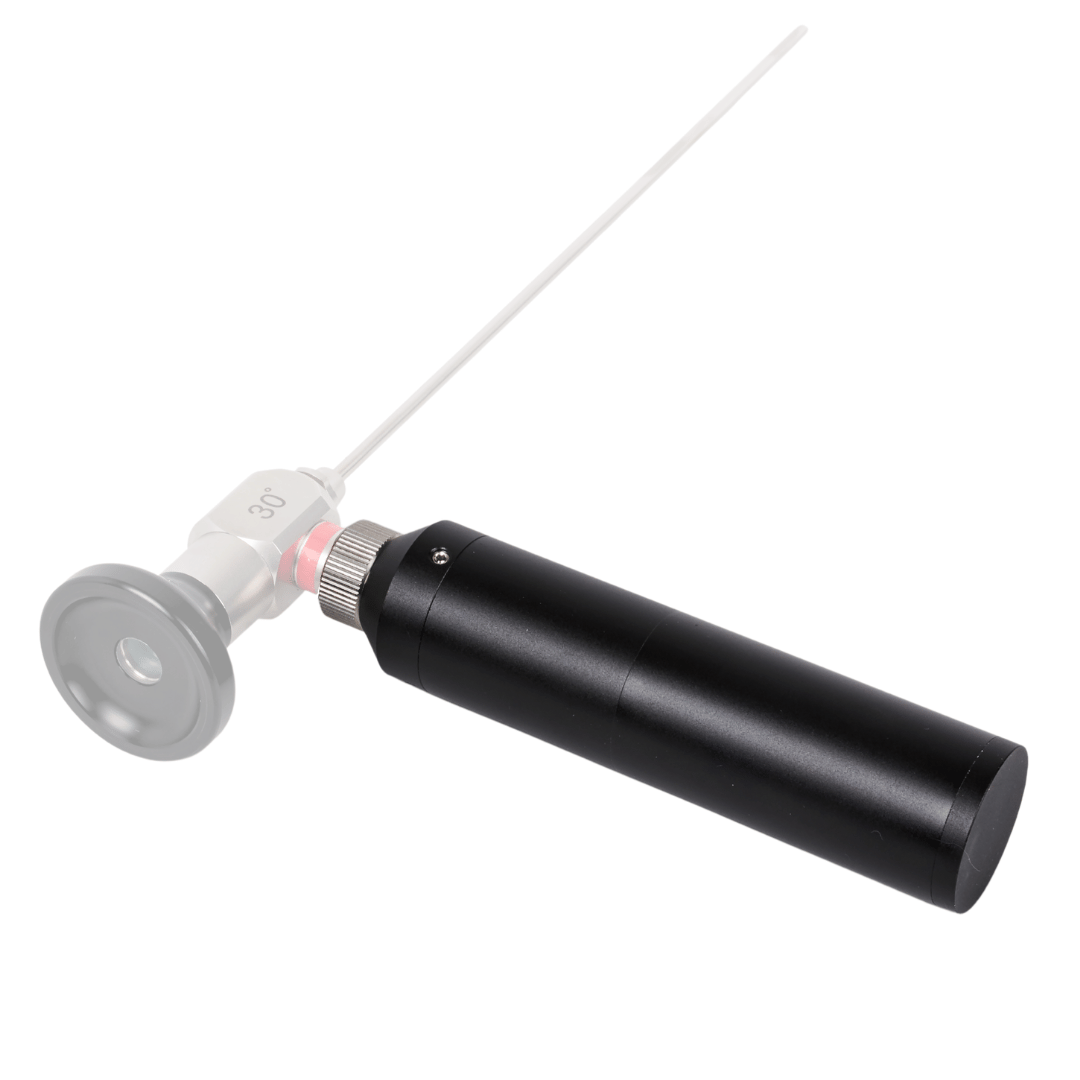
These use a straight, solid tube. They provide clear images and are very durable, but can’t navigate bends. Rigid borescopes are used for tasks like firearm barrel inspections or industrial part checks.
Flexible (fiberscope Or Videoscope)
Flexible borescopes use a bendable tube, letting you navigate corners and curves. Most modern flexible borescopes are videoscopes, meaning they use a small digital camera at the tip. These are ideal for pipes, ducts, or any area with twists.
Wireless/wifi Borescopes
These connect to your smartphone or tablet via WiFi or Bluetooth. You can view and record images directly on your device. Wireless models are popular for DIY and home use because they’re affordable and easy to operate.
Here’s a quick look at the differences:
| Type | Strengths | Weaknesses |
|---|---|---|
| Rigid | High image quality Durable |
Cannot bend Limited reach |
| Flexible | Can navigate bends Versatile use |
Lower image quality (older models) Can be fragile |
| Wireless | Easy to use Connects to devices |
Battery dependent Possible connection delays |
Advantages Of Using A Borescope With Led Light
The most obvious benefit is seeing hidden spaces without breaking or removing parts. This means:
- Less time spent on disassembly and reassembly
- Lower risk of damaging equipment
- Faster and more accurate troubleshooting
- Ability to record and share findings with others
For example, a mechanic can insert a borescope into a car engine to confirm a diagnosis before doing expensive work. A plumber can check for a leak without tearing open a wall. In both cases, you save time and avoid unnecessary costs.
A less obvious benefit: borescopes improve safety. By inspecting first, you avoid surprises like mold, pests, or hazardous materials.
Limitations And Common Challenges
Borescopes are powerful, but they have some limits:
- Image quality: Small cameras may struggle in very dark or dirty spaces, even with strong LED lights.
- Tube flexibility: Extremely tight bends or blockages can prevent access.
- Battery life: Long jobs may require recharging or spare batteries.
- Learning curve: Beginners can find image orientation confusing—moving the tip one way may not match the screen.
One point many users miss: cleaning the borescope tip is essential. Dirt, grease, or water on the lens can ruin image quality. Always clean and dry the tip after use.
How To Choose The Right Borescope With Led Light
Making the right choice depends on your main use. Here are practical steps:
- Consider your main tasks. For straight lines, a rigid borescope works. For curves, choose flexible.
- Check tube diameter and length. Smaller diameters fit tighter spaces, but may be more fragile.
- Decide on display type. Built-in screens are simple, but smartphone-connected models let you save and share easily.
- Look for adjustable LED brightness. You’ll need more light for larger spaces or darker materials.
- Waterproofing is a must for plumbing or outdoor work.
- Battery life matters if you use the tool for long inspections.
A common mistake is buying the cheapest option. Low-cost borescopes often have poor cameras, weak LED lights, or short cables. Spending a little more for better quality usually pays off quickly.
Here’s a summary of what to look for:
| Factor | What to Check |
|---|---|
| Camera Resolution | At least 720p for clear images |
| Tube Diameter | Smaller for tight spaces |
| LED Brightness | Adjustable for different environments |
| Display | Screen or smartphone compatibility |
| Waterproof Rating | IP67 or higher for wet areas |

Maintenance And Safety Tips
Taking care of your borescope extends its life and keeps images clear. Here’s how:
- Clean the camera lens after every use with a soft cloth.
- Avoid bending the tube sharply, especially for flexible models.
- Check for water resistance before using in wet areas.
- Store in a protective case to prevent damage.
- Recharge or replace batteries regularly.
One tip many miss: let the LED cool between uses. Long sessions can overheat the tip, affecting both the light and camera.
Latest Trends And Innovations
Borescopes have improved rapidly. Today, you’ll find:
- HD and even 4K cameras for clearer images
- Wireless models that connect easily to phones and tablets
- Dual-lens designs that let you switch between front and side views
- AI-powered defect detection in advanced industrial models
- App integration for instant sharing and cloud backup
Some borescopes now have replaceable camera heads or extra-long tubes, making them even more versatile.
For more technical details about borescopes and their uses, you can explore this Wikipedia page on borescopes.
Frequently Asked Questions
What Is The Difference Between A Borescope And An Endoscope?
A borescope is mainly used for mechanical, industrial, or building inspections. An endoscope is a medical device used to examine inside the human body. While they look similar, medical endoscopes have stricter hygiene and safety standards.
Can I Use A Borescope With Led Light Underwater?
Yes, if the model is waterproof (look for IP67 rating or higher). Not all borescopes are waterproof, so always check before submerging.
How Do I Connect A Wireless Borescope To My Phone?
Most wireless borescopes create their own WiFi signal. You connect your phone to this signal, then use the manufacturer’s app to view images. Some newer models use Bluetooth.
How Long Do Led Lights In Borescopes Last?
LEDs are very durable and can last 10,000 to 50,000 hours of use. If one fails, it usually means the device needs repair or replacement.
Can A Borescope With Led Light Record Video?
Yes, many models can record video and take photos. Some store files on an SD card or send them directly to your phone or computer.
A borescope with LED light makes seeing the unseen possible, whether you’re a professional or a hobbyist. With the right model and proper care, you can explore hidden spaces, diagnose problems faster, and avoid costly mistakes. This tool has moved from specialist circles into everyday life, opening up a world of possibilities for inspection, repair, and discovery.

