
A borescope might sound like a tool for scientists or engineers, but its uses go far beyond technical labs. Imagine trying to look inside a machine, a wall, or even an engine—without opening everything up. That’s where a borescope comes in.
With technology that fits into your hand, borescopes let you see and inspect hard-to-reach spaces. This tool saves time, reduces cost, and avoids damage that might happen if you tried to take everything apart just to look inside.
People in many industries use borescopes every day: car mechanics, airplane engineers, plumbers, and even doctors. But what exactly is a borescope? How does it work? And why is it such a valuable tool in so many fields? In this article, you’ll find everything you need to know about borescopes, from the basics of what they are to practical advice on how to use one, and even how to choose the right type for your needs.
What Is A Borescope?
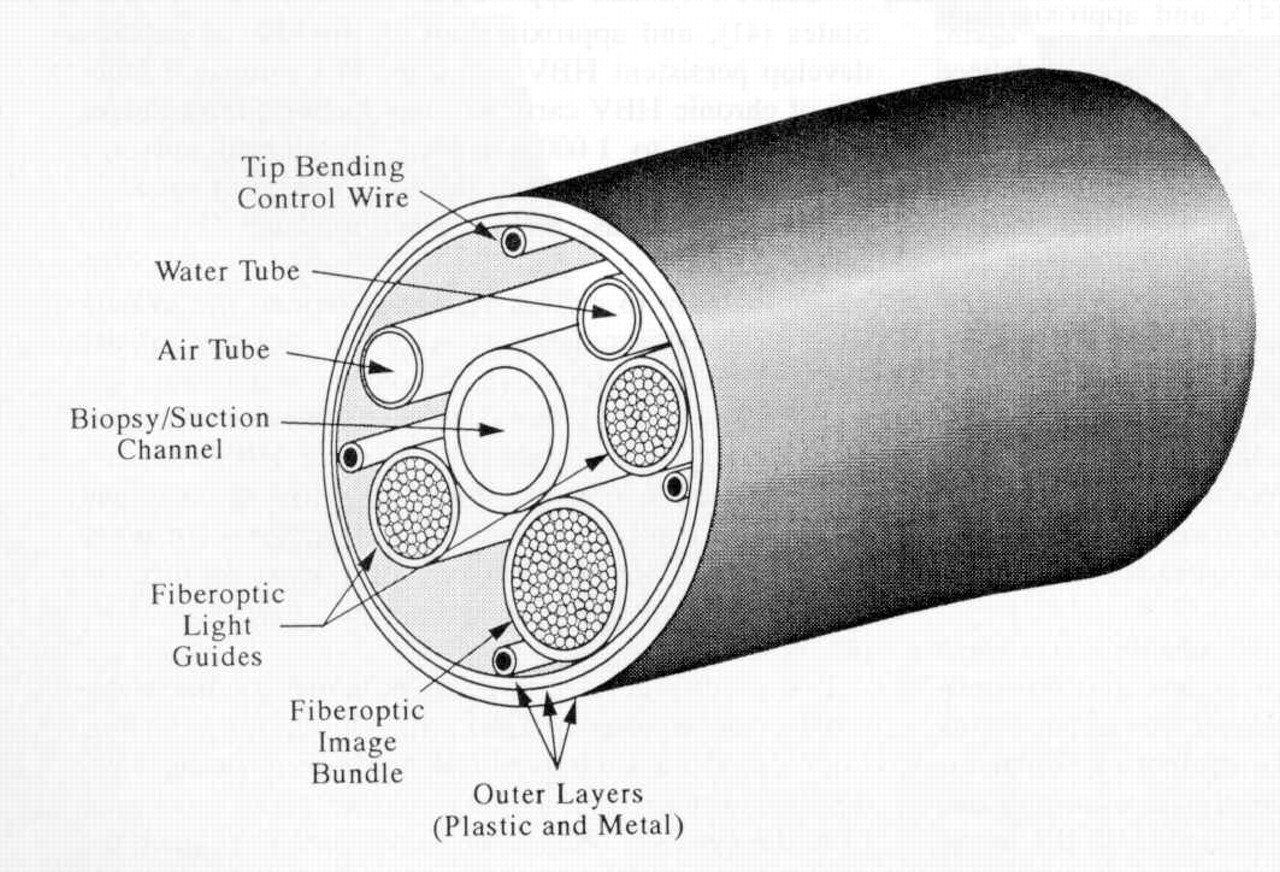
A borescope is a special device for looking inside places that are hard to see directly. It’s like having an eye on a flexible stick. The most common parts of a borescope include a rigid or flexible tube, a camera or lens at one end, and an eyepiece or display at the other. Some borescopes also include a light source to brighten up dark spaces.
The main goal of a borescope is to help you see inside objects or areas without breaking them open. For example, if you want to check inside an engine for damage, you can use a borescope to look around without taking the whole engine apart.
Key Parts Of A Borescope
- Insertion tube: A thin, long tube that can be rigid or flexible. This is the part you push into the space you want to inspect.
- Camera or lens: Located at the tip of the tube, it captures images or video of the inside area.
- Light source: Usually LED, to make dark spaces visible.
- Eyepiece or screen: Where you view the image. Some modern borescopes show images on a digital screen or even connect to a smartphone.
Some advanced borescopes can record video, take photos, and even send images wirelessly.
How Does A Borescope Work?
A borescope works by carrying light and images through its tube so you can see inside tight or hidden spaces. The process involves three main steps:
- Lighting the Target Area
- The built-in LED light shines into dark or covered places. This is important because most places you inspect with a borescope don’t have their own light.
- Capturing the Image
- The lens or camera at the tip of the borescope captures the scene. In older borescopes, this might be a simple lens system. In modern models, it’s a tiny camera.
- Transmitting the Image
- The image travels through the tube to the eyepiece or display. In rigid borescopes, this is done with lenses. In flexible ones, it’s often done with fiber optics or tiny cameras that send a digital signal.
Some borescopes use fiber optics to send the image, while others use digital cameras (these are sometimes called video borescopes or videoscopes).
Example: Inspecting An Engine
Let’s say you’re a mechanic and a customer’s engine is making strange noises. Instead of taking apart the whole engine, you insert a borescope through a spark plug hole. The light illuminates the inside, the camera sends a live image to your screen, and you can see if there’s damage—without any extra work.

Types Of Borescopes
Borescopes come in different shapes and sizes. Choosing the right type depends on what you need to inspect and how much detail you want.
Rigid Borescopes
- Structure: Hard, straight tube
- Best for: Simple, straight inspections (like looking inside pipes or holes)
- Pros: Clear image, durable, easier to clean
- Cons: Can’t bend around corners
Flexible Borescopes
- Structure: Bendable, snake-like tube
- Best for: Areas with twists and turns (like inside engines or behind walls)
- Pros: Can reach around curves, good for complex spaces
- Cons: Image may be less sharp than rigid types
Video Borescopes (videoscopes)
- Structure: Flexible or rigid, with a digital camera at the tip
- Best for: Live viewing, recording, sharing images
- Pros: Shows images on a digital screen, can record video, easy to share with others
- Cons: More expensive, batteries may need charging
Comparison Of Borescope Types
Here’s a quick comparison of the main types:
| Type | Flexibility | Image Quality | Best Use | Cost Range |
|---|---|---|---|---|
| Rigid | None | High | Straight paths | Low-Medium |
| Flexible | High | Medium | Bends & curves | Medium-High |
| Video | Varies | High | Recording/sharing | Medium-High |
Where Are Borescopes Used?
Borescopes are used in many industries. Their ability to see inside tight or hidden spaces saves time and money.
Automotive Industry
Mechanics use borescopes to check engine cylinders, fuel injectors, and other closed spaces. This helps find problems quickly and avoid major repairs.
Aviation
Aircraft engines must be carefully inspected for safety. Aviation engineers use high-quality borescopes to check inside engines, turbines, and wings. A missed problem can be dangerous, so clear images are critical.
Plumbing
Plumbers use borescopes (often called plumbing cameras) to look inside pipes, drains, and sewage systems. This helps find blockages, leaks, or root invasions without digging up pipes.
Building Inspection
Home inspectors use borescopes to check inside walls, ceilings, or under floors for mold, wiring issues, or pests. This is especially useful in older buildings.
Medical Field
Special medical borescopes are called endoscopes. Doctors use them to look inside the human body, such as the stomach or lungs, without surgery. While these are more advanced, the basic idea is the same.
Manufacturing And Quality Control
Factories use borescopes to check machines, welds, and other parts for defects. This keeps products safe and reduces waste.
Security And Law Enforcement
Police and security teams sometimes use borescopes to look into hidden spaces during searches. This helps find hidden objects or evidence.
How To Use A Borescope: Step-by-step
Using a borescope is simple, but a few key steps help you get the best results:
- Choose the right borescope: Pick one with the right length, diameter, and flexibility for your job.
- Check the light and battery: Make sure the LED and power are working.
- Insert the tube gently: Never force the borescope. Move slowly to avoid damage.
- Adjust the focus and light: Most borescopes let you change focus and brightness.
- Watch the display: Look for cracks, blockages, or anything unusual.
- Record or photograph if needed: Some models let you save images or video for later.
- Clean after use: Especially if you use the borescope in dirty, oily, or wet areas.
Practical Example: Finding A Pipe Leak
Suppose a plumber suspects a leak behind a bathroom wall. Instead of tearing down the wall, they drill a small hole and insert a flexible borescope. With the light on, they find the wet spot and confirm the leak’s location, all with minimal damage.
Key Features To Look For When Buying A Borescope
Choosing the right borescope can be confusing. Here are the most important features to consider:
- Tube diameter: Must fit into the space you need to inspect. Standard sizes range from 2mm to over 10mm.
- Tube length: Longer tubes reach deeper, but may be harder to control.
- Image quality: Higher resolution gives clearer images. Look for HD cameras if you need detail.
- Light intensity: Adjustable brightness is helpful in very dark spaces.
- Display type: Some have built-in screens; others connect to phones or computers.
- Waterproofing: Needed for plumbing or wet environments.
- Recording function: Useful for sharing findings or keeping records.
- Flexibility: Rigid for straight paths, flexible for curved spaces.
- Power source: Rechargeable batteries are common, but check battery life.
- Cost: Prices range from under $50 for basic models to over $1000 for advanced devices.
Comparison: Cheap Vs. Expensive Borescopes
Let’s compare a basic and an advanced borescope:
| Feature | Basic Borescope ($50) | Advanced Borescope ($800+) |
|---|---|---|
| Image Resolution | 640×480 | 1920×1080 (HD) |
| Tube Length | 1 meter | Up to 5 meters |
| Waterproof | Yes | Yes |
| Display | Phone/computer | Built-in HD screen |
| Recording | No | Yes |
| Flexibility | Some | Full articulation |
Non-obvious Tips For Using A Borescope
Many beginners miss these helpful tips:
- Always clean the lens before and after use. Dirt or oil can make the image blurry and hard to interpret.
- Practice on easy targets first. Try inspecting a known object (like a pipe or bottle) so you get used to the controls.
- Don’t rely only on the screen. Use the borescope’s focus and angle controls to get the clearest view. Sometimes, moving the tip just a few millimeters reveals details you’d miss otherwise.
Common Mistakes To Avoid
Using a borescope seems easy, but some mistakes can ruin your inspection:
- Forcing the tube: This can break the device or damage what you’re inspecting.
- Ignoring the light setting: Too much or too little light can hide important details.
- Skipping calibration: Some advanced borescopes need calibration for accurate colors and focus.
- Not recording important findings: If you spot a problem, take a photo or video right away.
- Choosing the wrong size: If the tube is too thick, it won’t fit where you need it.
Future Trends In Borescope Technology
Borescopes have come a long way, and new features are still being developed:
- Wireless transmission: Many models now send images directly to your phone or tablet.
- AI-powered analysis: Some advanced borescopes can spot cracks, corrosion, or wear automatically.
- Miniaturization: Tubes and cameras are getting smaller, making it possible to inspect even tighter spaces.
- 3D imaging: Newer models can build a 3D picture of what they see, which is helpful for understanding complex damage.
For more on the history and modern uses of borescopes, you can check the Wikipedia article on borescopes.
Frequently Asked Questions
What Is The Main Use Of A Borescope?
The main use is to inspect hard-to-reach areas without taking things apart. This includes machines, engines, pipes, and even parts of the human body in medicine.
Can I Use A Borescope With My Smartphone?
Yes, many modern borescopes can connect to smartphones using USB or Wi-Fi. This lets you view and record images right on your phone.
Are Borescopes Waterproof?
Many borescopes are waterproof, especially those made for plumbing or outdoor use. Always check the product specs before using in wet areas.
What Is The Difference Between A Borescope And An Endoscope?
A borescope is for machines and non-medical uses. An endoscope is a special type designed for medical inspection inside the human body.
How Do I Clean A Borescope After Use?
Use a soft cloth and, if needed, a little mild cleaning solution. For waterproof models, you can rinse the tube with water, but always dry it completely before storing.
—
A borescope is a powerful tool for anyone who needs to see inside tight, hidden, or complex spaces. Whether you’re fixing a car, inspecting a building, or checking a machine, the right borescope can make your job faster, safer, and easier.
With new features like wireless video and AI analysis, borescopes are becoming even more useful in many fields. If you understand how they work and how to choose the right one, you’ll be able to tackle inspections with confidence and skill.


