
Night vision goggles were once limited to soldiers and special forces. Today, more people use them for wildlife watching, camping, security, boating, and even airsoft games. But with so many choices, it’s easy to get lost. How do you know which features matter most?
Picking the right night vision goggles can change your whole experience—helping you see better, stay safer, and enjoy the dark. This guide will help you understand the most important features, what they really mean, and how to choose goggles that fit your needs.
Understanding Night Vision Technology
Before you start comparing features, it’s helpful to know how night vision goggles work. These goggles use special technology to let you see in low light or total darkness. There are two main ways they do this:
- Image intensification: This takes small amounts of light (like starlight or moonlight) and makes it much brighter, so you can see in the dark.
- Thermal imaging: This picks up heat from animals, people, or objects—even when there’s no visible light.
Most consumer night vision goggles use image intensification, but some high-end or professional models use thermal imaging.
Key Features To Look For In Night Vision Goggles
Choosing the right goggles isn’t just about price. It’s about the features that match your goals. Let’s look at each feature in detail.
1. Generation Of Night Vision
Night vision devices are grouped into generations (Gen 1, Gen 2, Gen 3, and Gen 4). The generation tells you about the technology and performance.
| Generation | Brightness | Range | Price Range | Typical Use |
|---|---|---|---|---|
| Gen 1 | Basic | Short (75m-100m) | Low ($150-$500) | Entry-level, hobby |
| Gen 2 | Clearer, less noise | Medium (100m-200m) | Mid ($500-$2000) | Wildlife, security |
| Gen 3 | Very bright, sharp | Long (200m+) | High ($2000+) | Military, law enforcement |
| Gen 4 | Best clarity | Very long | Very high ($4000+) | Special forces, research |
Gen 1 is affordable but has low range and more image noise. Gen 2 is better for serious users. Gen 3 and Gen 4 are mainly for professionals. For most people, Gen 1 or Gen 2 is enough.
2. Resolution
Resolution is like the sharpness of a TV or camera. The higher the resolution, the clearer and more detailed your night vision image will be. This is measured in lines per millimeter (lp/mm).
- Gen 1: 25-35 lp/mm (good for basic use)
- Gen 2: 40-45 lp/mm (clearer images)
- Gen 3: 64+ lp/mm (sharpest detail)
If you want to identify animals or read signs at night, higher resolution matters. But for simple navigation, lower resolution may be enough.
3. Field Of View
Field of view (FOV) is how wide an area you can see through the goggles, measured in degrees. Wider FOV lets you see more without moving your head.
- Typical FOV: 30° to 40°
A wider field of view is useful for tracking moving objects or searching a large area. Narrow FOV can feel like looking through a tunnel.
4. Detection Range
Detection range is how far you can see a person, animal, or object in the dark. This depends on the generation, lens size, and ambient light.
- Entry-level: 75–100 meters
- Mid-range: 150–200 meters
- High-end: 300 meters or more
Remember, advertised ranges are often under perfect conditions. Real-world performance can be less, especially in total darkness.
5. Infrared Illuminator
Night vision often needs a little light to work. An infrared (IR) illuminator acts like a flashlight your eyes can’t see, but the goggles can.
- Built-in IR: Handy and easy to use
- External IR: More power, longer range
If you want to see in complete darkness (like inside caves or thick forests), a strong IR illuminator is essential. Some animals can sense IR, so hunters should choose carefully.
6. Durability And Build Quality
Night vision goggles are used outdoors, often in tough conditions. Look for:
- Water resistance: For rain, fog, or boating
- Shock resistance: In case you drop them
- Dust protection: For desert or dry areas
Check the materials—polycarbonate and aluminum are strong and light. Try to find goggles tested to military or IPX standards.
7. Weight And Comfort
Night vision goggles can be heavy, especially if worn on your head for hours.
| Type | Weight Range | Typical Use |
|---|---|---|
| Lightweight (350–500g) | 350–500 grams | Airsoft, wildlife, short missions |
| Standard (500–850g) | 500–850 grams | General use, longer wear |
| Heavy (850g+) | 850+ grams | Helmet-mounted, professional |
Look for adjustable head straps, good padding, and even weight distribution. Uncomfortable goggles can spoil your night quickly.
8. Battery Life
Night vision goggles need power. Battery life depends on the type of battery, IR usage, and temperature.
- CR123, AA, or AAA batteries: Easy to find, but life varies
- Rechargeable packs: More eco-friendly, may need backup
Check the runtime. Some goggles last 20-40 hours, others much less if you use IR often. For long trips, bring extra batteries.
9. Magnification
Some night vision goggles offer optical magnification (zoom), usually from 1x to 5x.
- 1x (no zoom): Natural view, easy to move and walk
- 2x–5x: Better for spotting at distance, harder to walk safely
For walking or navigation, choose 1x. For hunting or long-range viewing, higher magnification can help. But too much zoom narrows your field of view.
10. Focus And Diopter Adjustment
Sharp focus is key for a clear image. Look for:
- Central focus wheel: Adjusts both lenses together
- Individual diopter adjustment: Fine-tunes for each eye
If you wear glasses, make sure the goggles can adjust to your vision. Some have rubber eyecups that fit over glasses.
11. Mounting Options
Night vision goggles can be:
- Handheld: Simple, but you need one hand free
- Head-mounted: Leaves both hands free
- Helmet-mounted: For tactical or professional use
If you plan to hike, climb, or use tools, head- or helmet-mounting is safer and more comfortable.
12. Image And Video Recording
Some modern goggles let you record photos or videos at night. This is great for:
- Wildlife research
- Security work
- Sharing experiences
Check for SD card slots, built-in memory, or USB ports. Video quality can vary, so look for at least 720p HD.
13. Automatic Bright Light Protection
Sudden bright lights can damage night vision tubes. Some goggles have auto cut-off or bright light protection.
This feature shuts off the device or dims the image if bright light appears. It saves the goggles and your eyes from damage.
14. Price And Warranty
Night vision goggles are a big investment. Prices start around $150 for basic models and can reach $5,000 or more for top versions.
- Warranty: Look for at least one year. Good brands offer two years or more.
- Service: Check if the company provides repair or spare parts.
Don’t buy only by price—make sure you get the features you need.
15. Extra Features
Some goggles include special extras:
- Waterproof carrying cases
- Quick-release mounts
- Compass or rangefinder
- Multiple color modes (green, black/white)
These may not be essential, but they can add value and convenience.

Two Insights Beginners Often Miss
- Eye Relief Distance: Many people forget to check this. Eye relief is the distance your eyes must be from the lens to see the full image. If you wear glasses, look for at least 15mm eye relief to avoid a small or blurry view.
- Operating Temperature Range: Night vision goggles can stop working in extreme cold or heat. Always check the operating temperature if you’ll use them in harsh climates.
Real-world Examples
- Wildlife Watching: For spotting owls or deer, Gen 2 goggles with a wide field of view and strong IR are best.
- Security Patrol: Look for rugged, waterproof models with head-mount options and long battery life.
- Boating at Night: Choose waterproof goggles with good detection range and bright light protection.
Common Mistakes When Choosing
- Ignoring weight and comfort, leading to neck pain
- Choosing high magnification for walking, which makes moving dangerous
- Forgetting about battery life, especially with heavy IR use
- Buying high-end models without needing the extra features
Comparing Key Factors
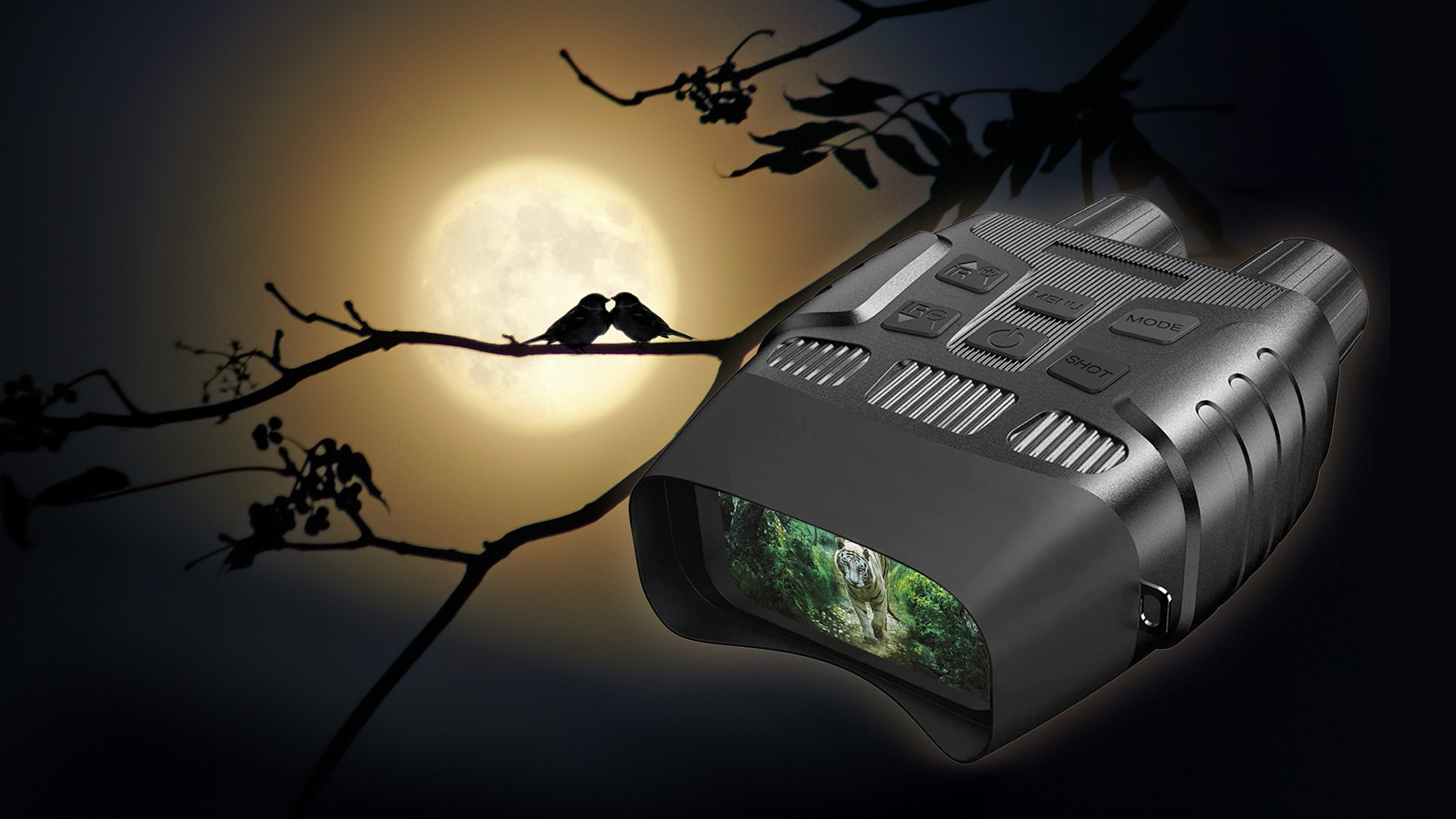
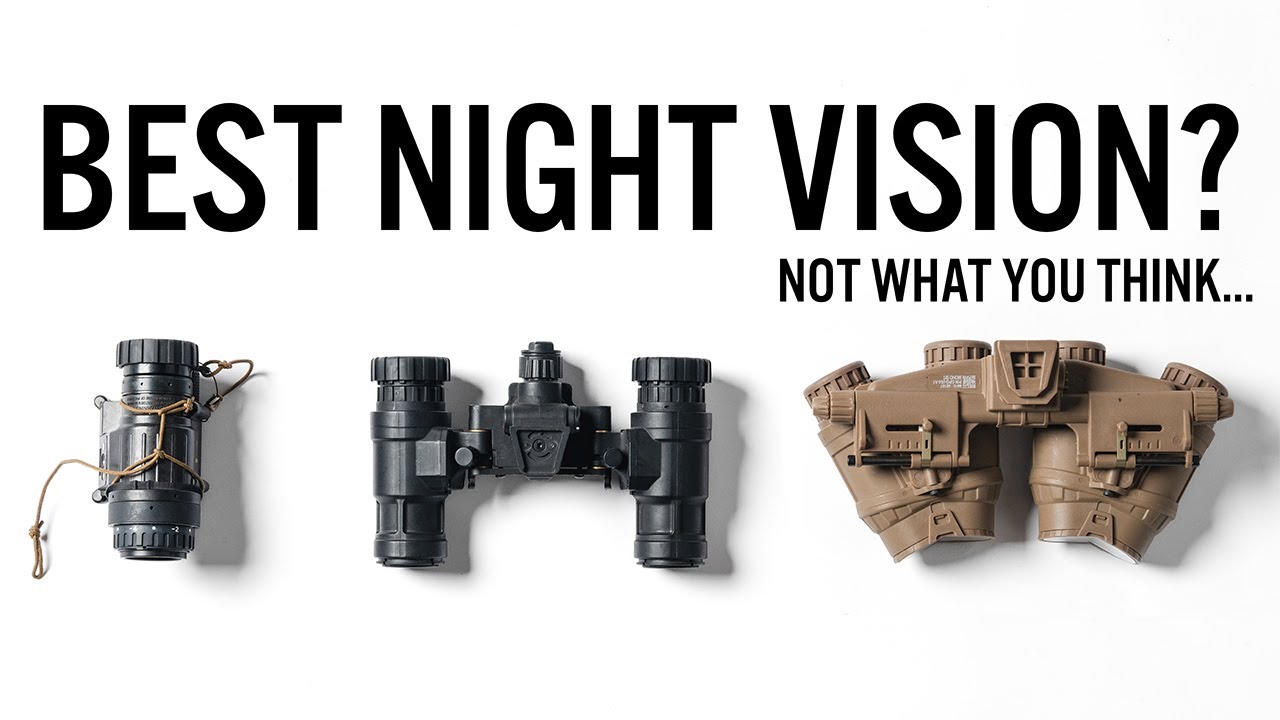
Here’s a quick comparison of three popular night vision goggle types:
| Feature | Gen 1 | Gen 2 | Digital Night Vision |
|---|---|---|---|
| Image Quality | Basic, some noise | Clearer, less noise | Good, color options |
| Battery Life | Short (10-20 hrs) | Medium (20-40 hrs) | Varies (4-8 hrs video) |
| Recording | No | No | Yes |
| Price | Low | Medium | Medium |
Practical Tips For Buyers
- Always try goggles on if possible. Comfort is personal.
- Read real user reviews, not just specs.
- Consider your main use (hiking, security, hunting) and pick the features that match.
- Take care with online deals. Many “cheap” models are toys, not real night vision devices.
- Learn about local laws. In some places, Gen 3/4 or thermal devices may have restrictions.
Where To Learn More
You can find more details about night vision generations and technology at Wikipedia.
Frequently Asked Questions
What Is The Best Night Vision Goggle Generation For Beginners?
Gen 1 goggles are the most affordable and work well for basic needs like hiking or home security. If you want better clarity and longer range, consider Gen 2.
Can I Use Night Vision Goggles During The Day?
Most image intensifier goggles can be damaged by bright daylight. However, digital night vision models can often be used in the day without harm.
How Far Can I See With Night Vision Goggles?
Range depends on the model, but most consumer goggles allow you to see from 75 to 200 meters in darkness. High-end models can reach 300 meters or more under good conditions.
Are Night Vision Goggles Legal To Own?
In many countries, Gen 1 and Gen 2 goggles are legal for civilian use, but Gen 3, Gen 4, and thermal imaging may be restricted. Always check your local laws before buying.
Do I Need An Infrared Illuminator?
If you want to see in total darkness (no moon or stars), an IR illuminator is very helpful. Without it, you may not see much in zero light conditions.
Night vision opens up a world after dark, but only if you choose the right features. Take your time, know your needs, and you’ll enjoy every night-time adventure.

